One of the most common questions people ask when considering solar energy is, “Does solar work on a cloudy day?”
The short answer is yes, solar works on a cloudy day, but with a few important caveats.
How Does a Solar System Work When It’s Cloudy Outside?
Solar panels will perform best under direct sunlight. However, photovoltaic systems can still generate electricity on cloudy days. On overcast days, the sunlight that reaches your panels is diffused, meaning it’s scattered by the clouds. This diffused light is less intense than direct sunlight, which leads to a reduction in energy production. Even though clouds diffuse the light, solar panels are still able to capture and convert sunlight into power on those overcast days.
How Much Energy is Lost on a Cloudy Day?
How much energy you lose on a cloudy day depends on several factors, including the density of the clouds, your location, and the time of day. During light cloud coverage, your solar system might still produce around 75-90% of its normal output, while on heavy overcast days, production could drop to as low as 25-50%, as per solaranlytics.

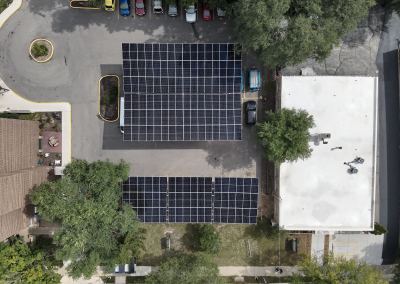
Solar on a cloudy day, installed by Arch Solar.
For homeowners with solar energy systems, the good news is that most systems are designed to be efficient even in less-than-ideal conditions. If it’s raining, that can actually help wash away dirt and dust to positively impact your energy production.
Energy Storage for Cloudy Days
If you have a battery storage system, it can help store excess energy produced on sunnier days for use during cloudy periods. When considering home energy storage, Arch Solar customizes your energy storage to supply you during power outages. We also offer cutting-edge technology like the SPAN smart panel, which allows you to control your electricity down to the circuit level.
With proper electricity management, you can still meet your electrical needs with solar on a cloudy day.
Does Living in Wisconsin Affect My Energy Production?
Wisconsin is set up with infrastructure that accommodates all four seasons. Southeastern Wisconsin abides by a net metering policy, so your solar production is tied in with the electricity grid (except the energy you store in an on-site battery).
When cloudy or snowy days occur, you can still pull electricity from the grid if your solar system is not producing as much as a fully sunny day. Under some utility providers, you may even be able to use bill credits from past solar overproduction to cover your billing in the cloudier months.
Should I Invest in Renewable Energy if I Live in a Cloudy State?
Every decision to invest in a solar system is personal. Homeowners in Wisconsin know we have variable weather, and solar has been proven to work throughout all four seasons. Cloud coverage can reduce energy production, but it does not inhibit you from saving money on your energy bills. With strong net metering policies, energy storage options, and months of unfiltered sunlight, Wisconsin is a great place to consider installing a photovoltaic system and saving money.