
Residential Solar
Inverter & Racking Specs
Enphase IQ8
Microinverters allow tracking and troubleshooting down to the exact panel. They are also a great choice for future system expansions.
String Inverters
String inverters are more cost-effective than microinverters. They tend to work well with ground-mount systems where the inverter is easily accessible for repairs.
What's the difference between microinverters and string inverters?
Microinverters and string inverters perform the same basic job: converting the direct current electricity produced by solar panels into alternating current electricity that a home can use. The main difference is where that conversion occurs and how the panels operate together.
A string inverter is typically installed near the electrical panel or outside the home. Multiple solar panels are connected in groups, or “strings,” that feed electricity to one central inverter. String inverter systems generally use fewer components and may have a lower initial cost.
Because the inverter is accessible from ground level, replacement can also be straightforward. However, panels within a string can affect one another’s performance. Shade, debris, damage, or different roof orientations may reduce the output of the entire string unless power optimizers are included. A central inverter also represents a single point of failure.
Microinverters are small devices installed beneath individual solar panels. Each panel converts its own electricity independently, so reduced production from one panel does not significantly limit the others. This makes microinverters well suited for roofs with partial shade, several orientations, or panels operating under different conditions. They also provide panel-level monitoring, making it easier to identify performance issues.
Microinverters often carry longer warranties and can simplify future system expansion, although their initial price may be higher. Because they are mounted on the roof, servicing them may require roof access.
Neither option is universally better. String inverters can be cost-effective for simple, unshaded roofs with panels facing the same direction. Microinverters may provide better flexibility, visibility, and energy production on complex roofs.
When you work with Arch, we help you compare equipment quality, warranty coverage, maintenance needs, system design, expansion plans, and total lifetime value.
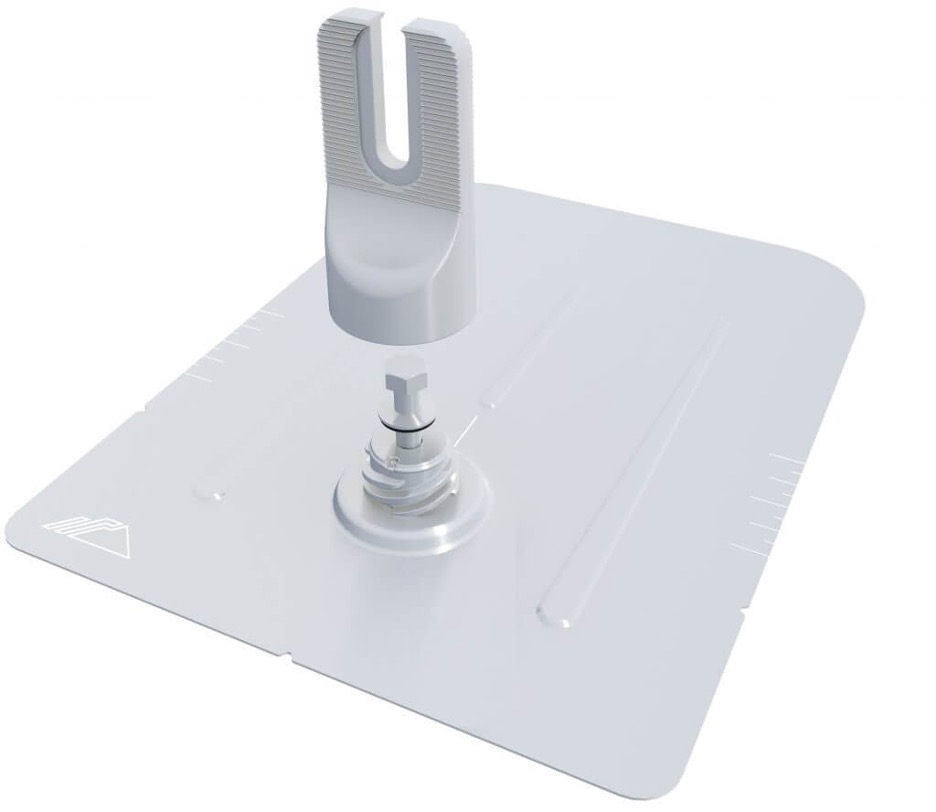
Ironridge Flashing
Flashing secures the racking to your roof with a watertight seal for all seasons.
Questions about solar maintenance?
Solar Specs
Explore solar for your home with a custom design based on your energy use.
Energy Storage
Energy storage keeps your home safe and protected during power outages.
EV Charger Specs
Drive on pure sunshine and slash your monthly transportation bills.
Our Residential Partners