Solar energy systems are designed to operate reliably for decades, but that does not mean they are 100% maintenance-free. Exposure to changing weather, unexpected electrical loads, and normal wear can create issues that reduce production or introduce safety risks.
Routine operations and maintenance (O&M) inspections help identify these problems early, before they lead to prolonged downtime, damaged equipment, or costly repairs. Our list walks through five of the most common issues the Arch Operations & Maintenance Team encounters on commercial and utility-scale solar sites.
- Loose Wires and Poor Wire Management
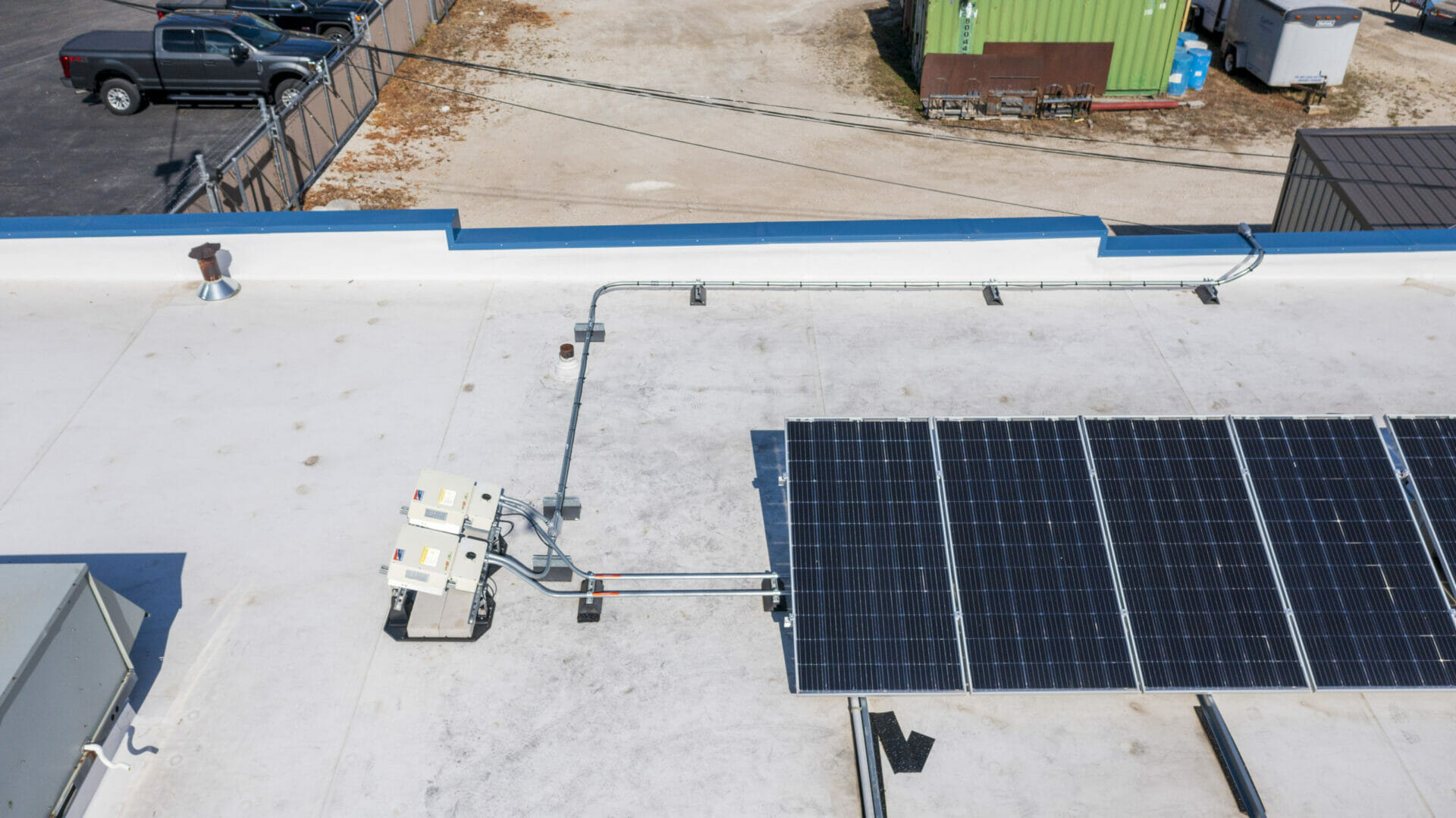
Loose wiring may develop due to improper installation, thermal expansion and contraction, equipment vibration, or gradual wear. Our team has seen poorly secured cables:
- Rub against sharp surfaces
- Rest on the ground
- Become exposed to moisture, animals, and landscaping equipment.

Photo of wire fallen into water and landscaping below a solar system. This kind of interaction with water can cause safety hazards.
These conditions can cause communication failures, ground faults, production losses, and electrical hazards. Technicians can address them by inspecting connections, testing circuits, correcting cable routing, and replacing damaged conductors or wire-management components.
- Hot Connectors and Hot Combiner Box lugs
Connectors can develop excessive heat when they are loose, damaged, or improperly matched. Increased electrical resistance at the connection produces heat, creating what our maintenance technicians call a “hot connector.”
If left unresolved, an overheated connector may damage nearby equipment or interrupt power production in a way that creates a fire risk. Thermal imaging and electrical testing can help locate abnormal temperatures that may not be visible to a passerby.
When Arch O&M conducts an annual maintenance visit, we use our thermal camera to identify any sites with temperature fluctuations. Once affected connectors are found, they can then be safely repaired or replaced.
Combiner boxes bring together electrical circuits from multiple strings of solar modules. Inside each box, lugs create critical connection points for carrying current through the system.
Similar to connectors, lugs that are damaged or improperly torqued can develop excessive resistance and heat. These hot spots can melt insulation, damage components, cause equipment failure, or trigger electrical arcing.
Regular inspections, including thermal imaging and verification of electrical connection, can uncover overheating before it becomes a larger problem.
- Broken Solar Modules
Solar modules are sturdy, but severe weather can cause unexpected damage. The Arch O&M team often responds to impacts from hail, falling debris, or wildlife that has come in contact with an array. Visible damage may include cracked glass, bent frames, or disconnected wiring. Some internal module damage may not be obvious from a ground perspective.

Photo of solar modules damaged by an unexpected hailstorm.
A damaged module can reduce system output and may create electrical or safety concerns. Arch O&M technicians will inspect the array, perform electrical testing, and use specialized diagnostic equipment when needed to identify underperforming or damaged modules. Depending on the findings, the module may need to be isolated, repaired, or replaced.
4. Communication Issues with DAS Systems

Photo of successfully paired and connected DAS operations.
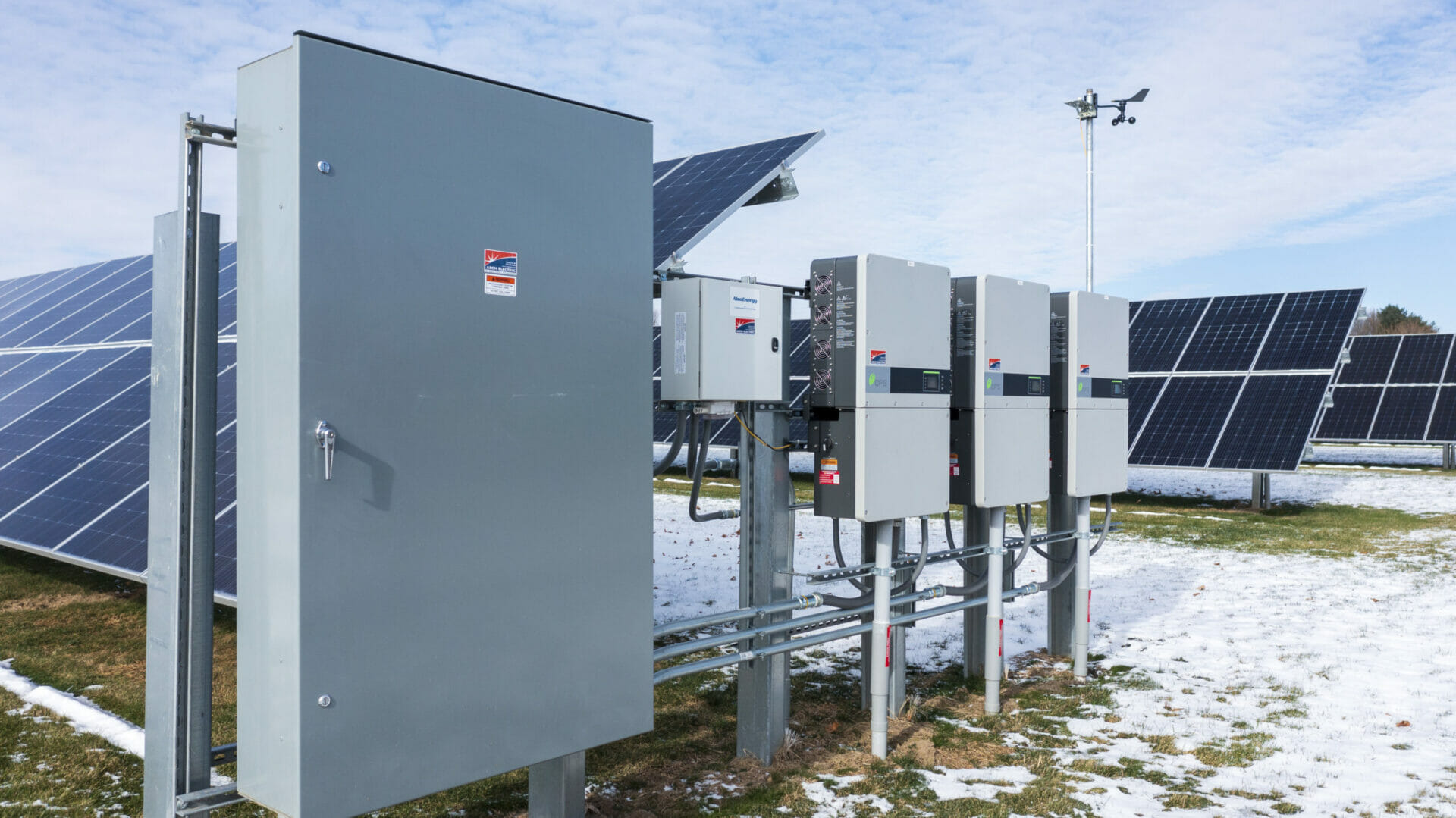
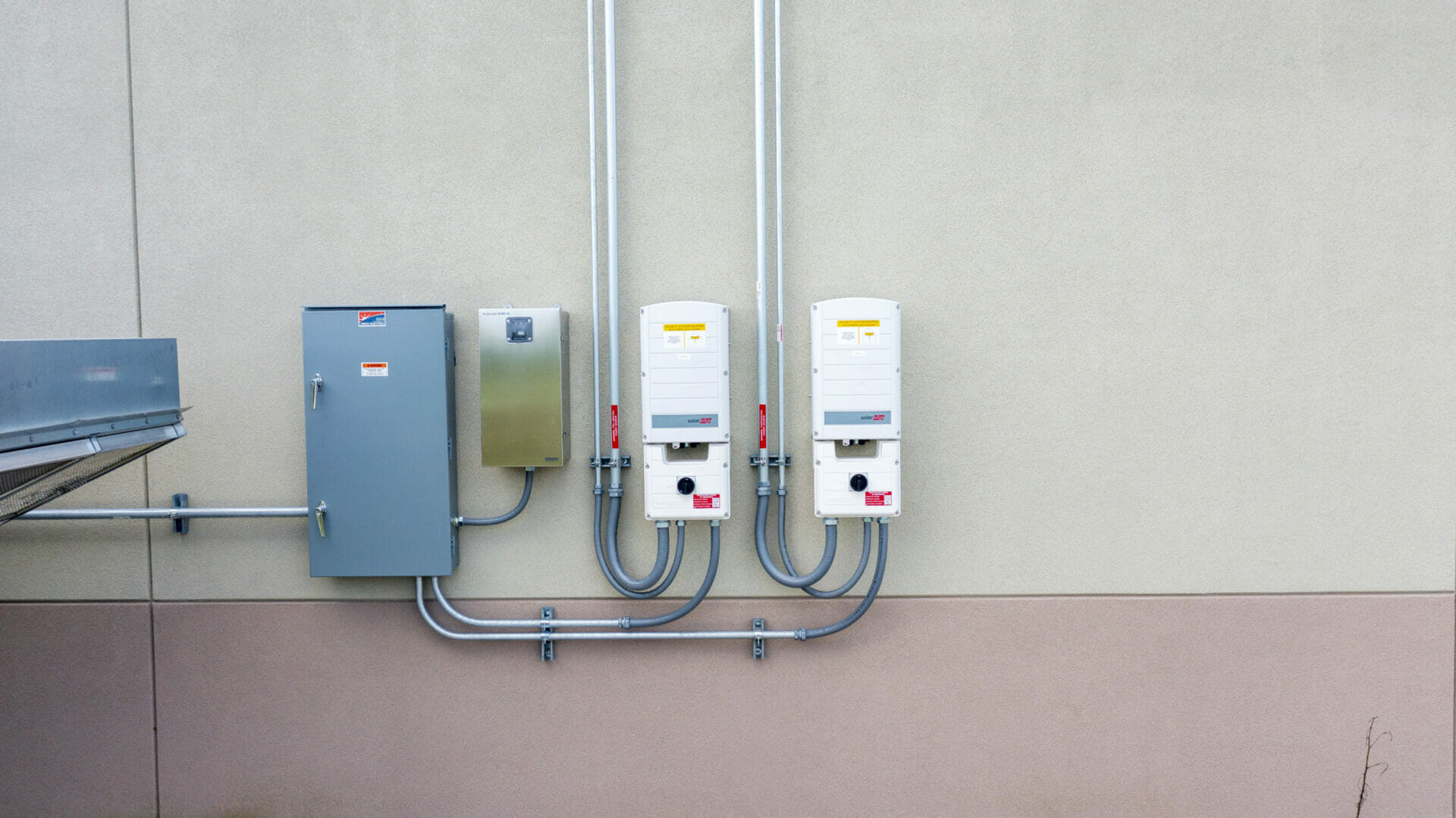
A data acquisition system (DAS) gathers and reports information from inverters, meters, weather stations, trackers, and other site equipment. When communication is interrupted, system owners may lose visibility into production and equipment performance, even if the solar array is still operating.
Common causes of DAS interruption include failed network equipment, damaged communication wiring, incorrect configurations, loss of power, cellular or internet outages, and malfunctioning sensors.
To restore communications, the Arch O&M team tests devices to narrow the root cause and replace faulty components when needed. We often work closely with the monitoring provider to solve the issue.
Without reliable DAS communication, performance problems can go unnoticed. Maintaining accurate monitoring is essential for identifying faults quickly, documenting system availability, and verifying that the site is producing as expected.
- Faulty Trackers
Solar trackers rotate rows of modules throughout the day, so they can follow the sun and capture more energy. Since trackers contain moving parts with motors and corresponding communications equipment, they require regular inspection and maintenance.
Common tracker problems include failed motors, damaged gears, misalignment, controller faults, communication failures, and rows becoming stuck in one position. Mechanical obstructions, vegetation, soil movement, and storm damage can also affect tracker operation.

Photo of a tracking system out of commission after being impacted by an unexpected weather incident.
A tracker failure may reduce production across an entire row or section of the array. Arch’s technicians can diagnose the mechanical, electrical, or communication-related cause and make the necessary adjustments or repairs to return the equipment to normal operation.
Proactive Maintenance Protects Solar Performance
Small problems can become expensive failures when they remain undetected. A proactive O&M program helps solar asset owners improve system availability, protect equipment, reduce safety risks, and maximize long-term energy production.
Arch’s Operations & Maintenance Team provides inspection, testing, troubleshooting, repair, and preventive maintenance services for commercial and utility-scale solar assets. If your solar site is experiencing unexplained production losses, communication failures, recurring faults, or equipment damage, our team can help identify the cause and develop a path toward resolution.
Keep your solar investment operating safely and efficiently. Contact Arch’s Operations & Maintenance Team to schedule a site inspection or discuss your system’s service needs.