Could Wisconsin Homeowners Be the Next Power Plant?
When most people think of a power plant, they picture a massive facility generating electricity for thousands of homes. Over the past five years, a new kind of power plant has emerged across the country, and it’s a model that’s made up of everyday homeowners.
Virtual Power Plants (VPPs) are becoming increasingly popular in states like California, Texas, and Vermont. Although Wisconsin has not fully adopted this movement yet, our state is in the early stages of using home energy technology to better manage the grid.
What Is a Virtual Power Plant?
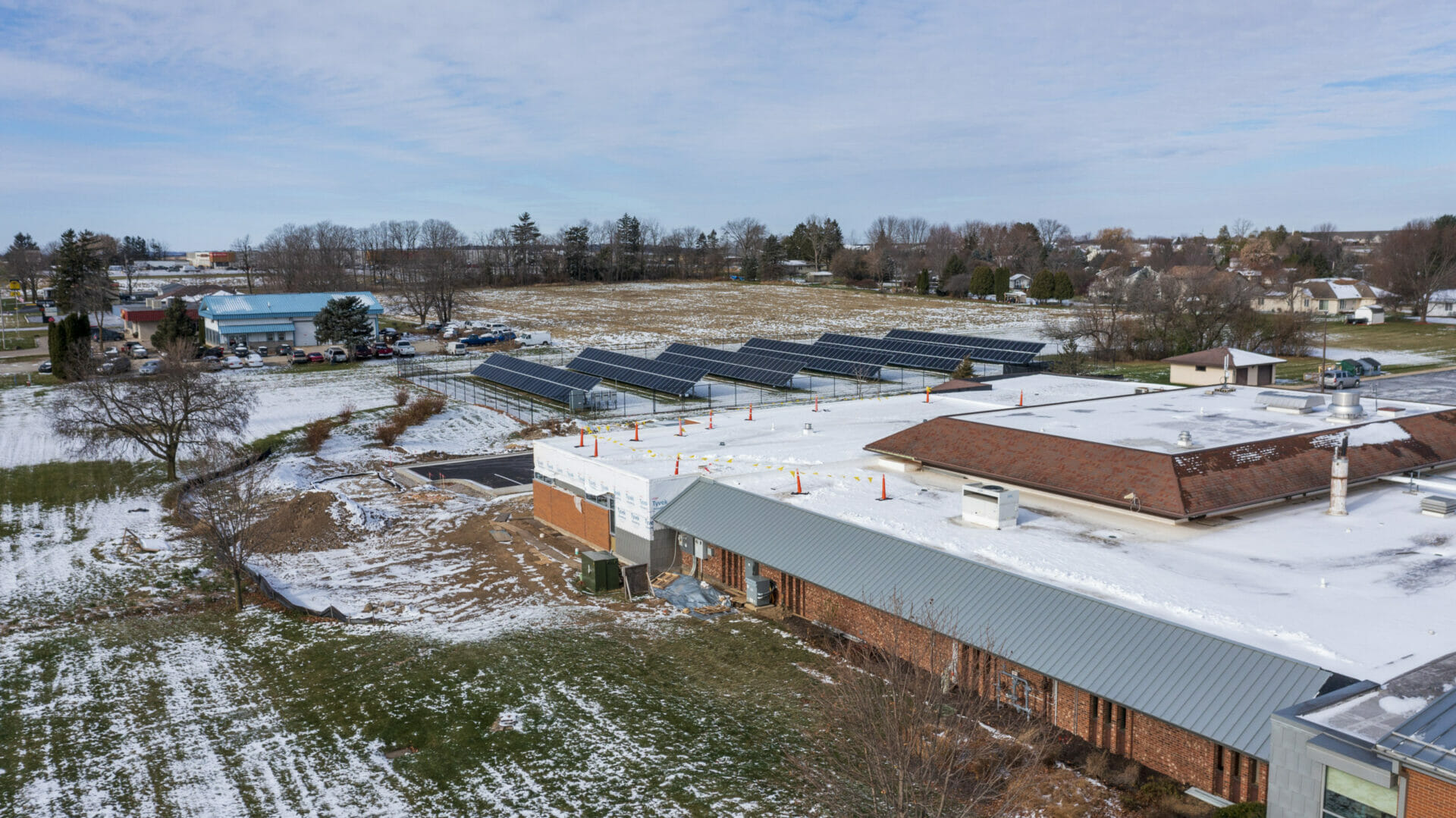
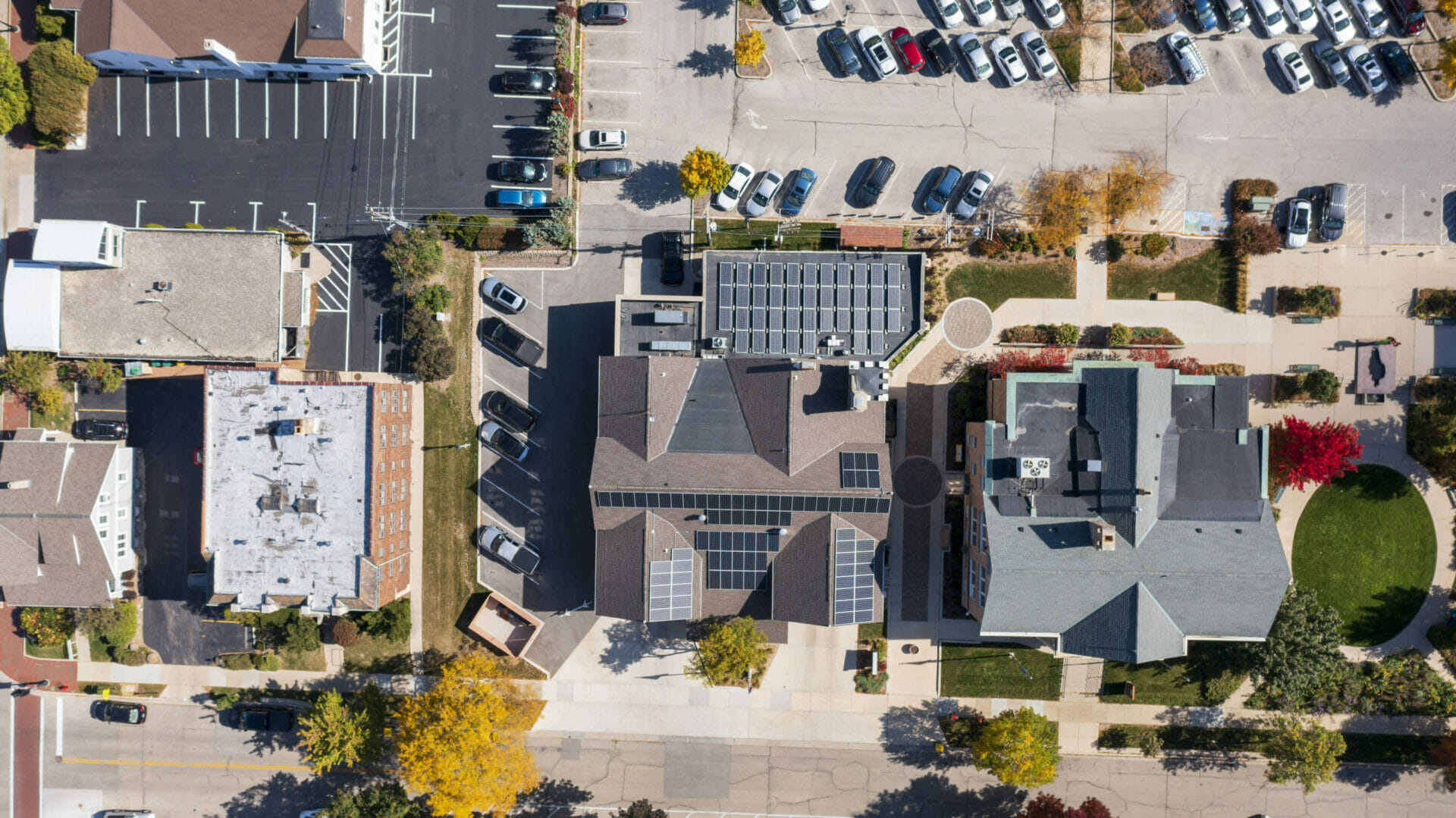
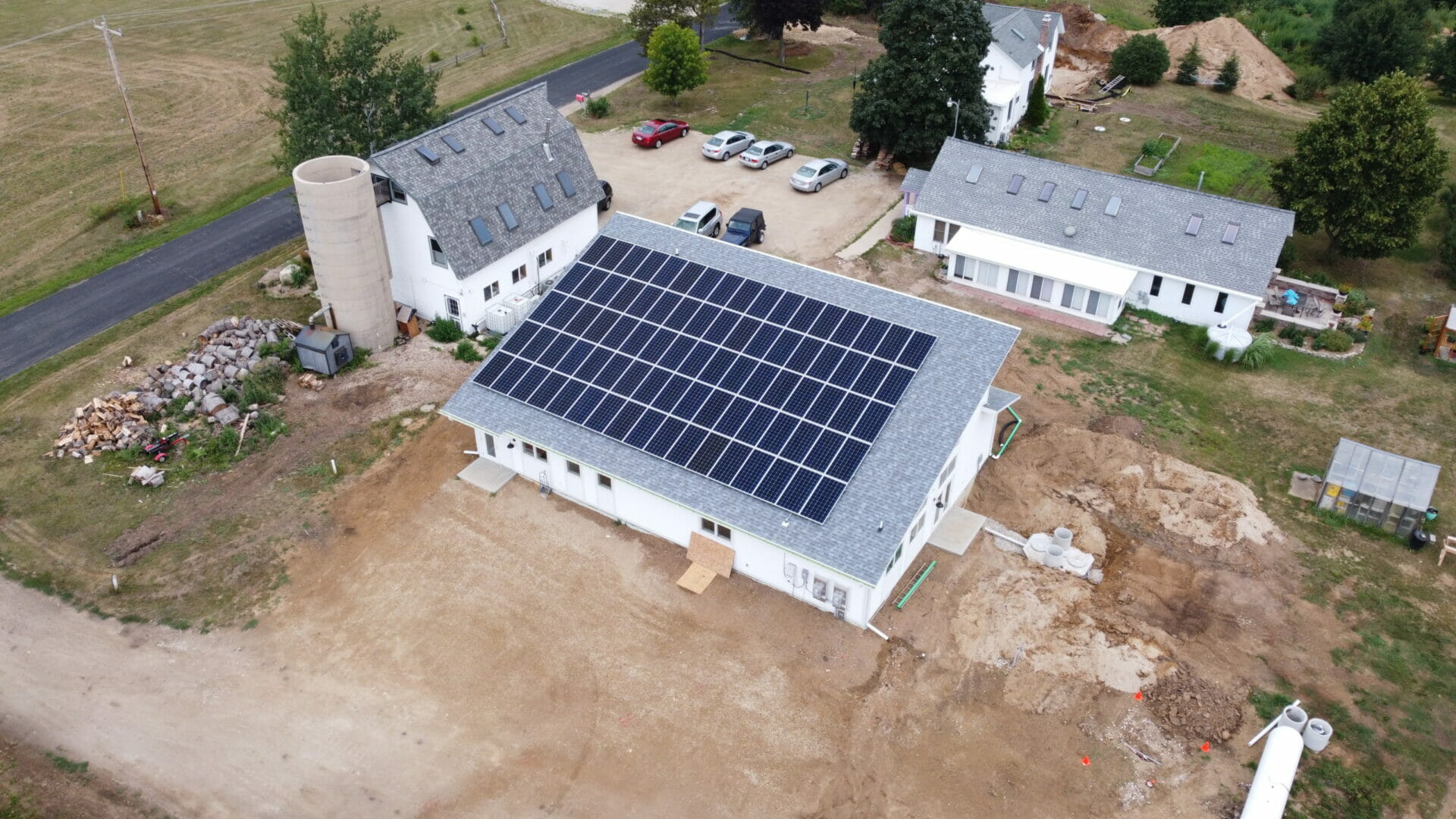
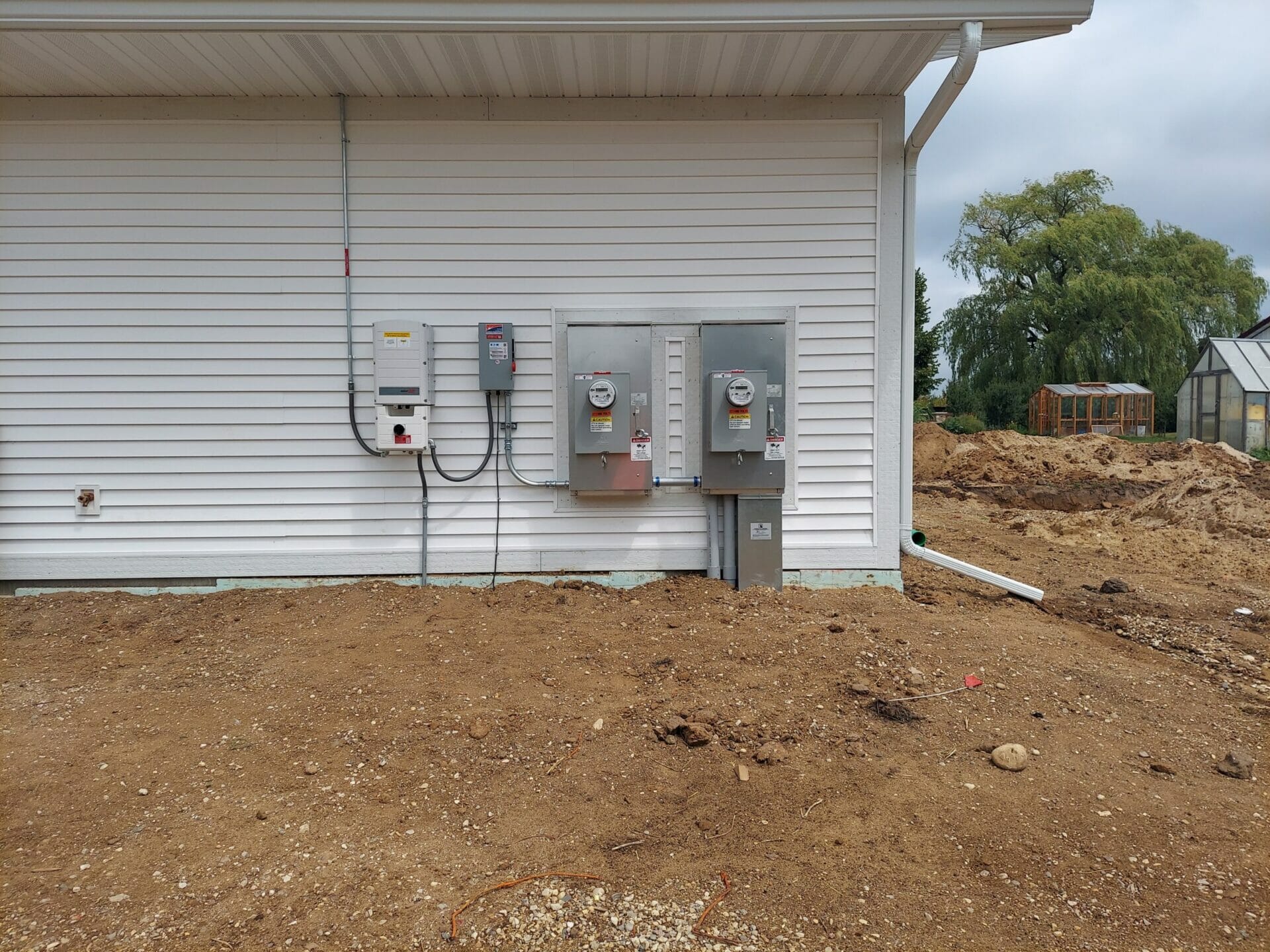
A Virtual Power Plant isn’t a physical building. Instead, it’s a network of connected buildings equipped with clean energy technologies like:
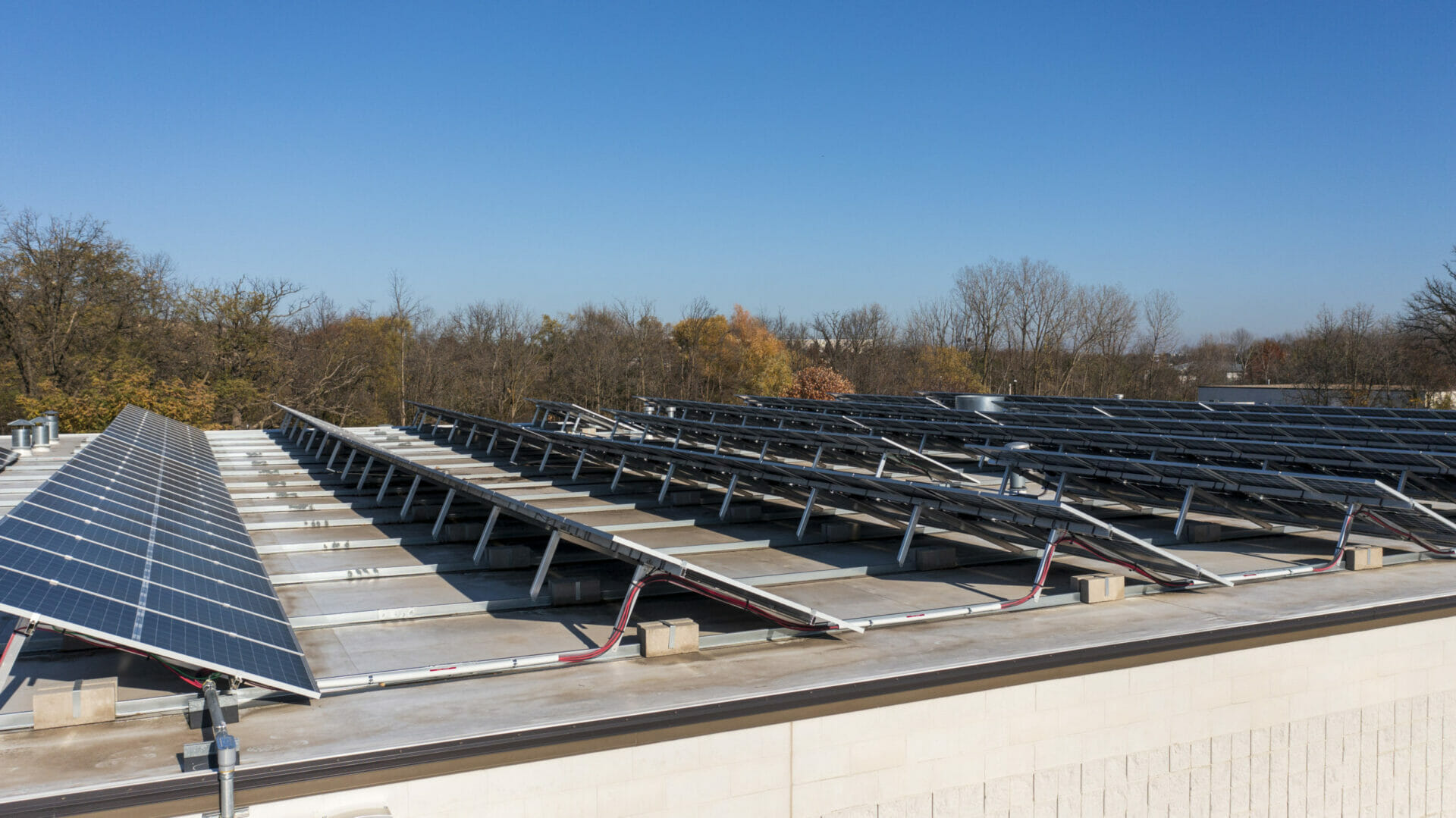
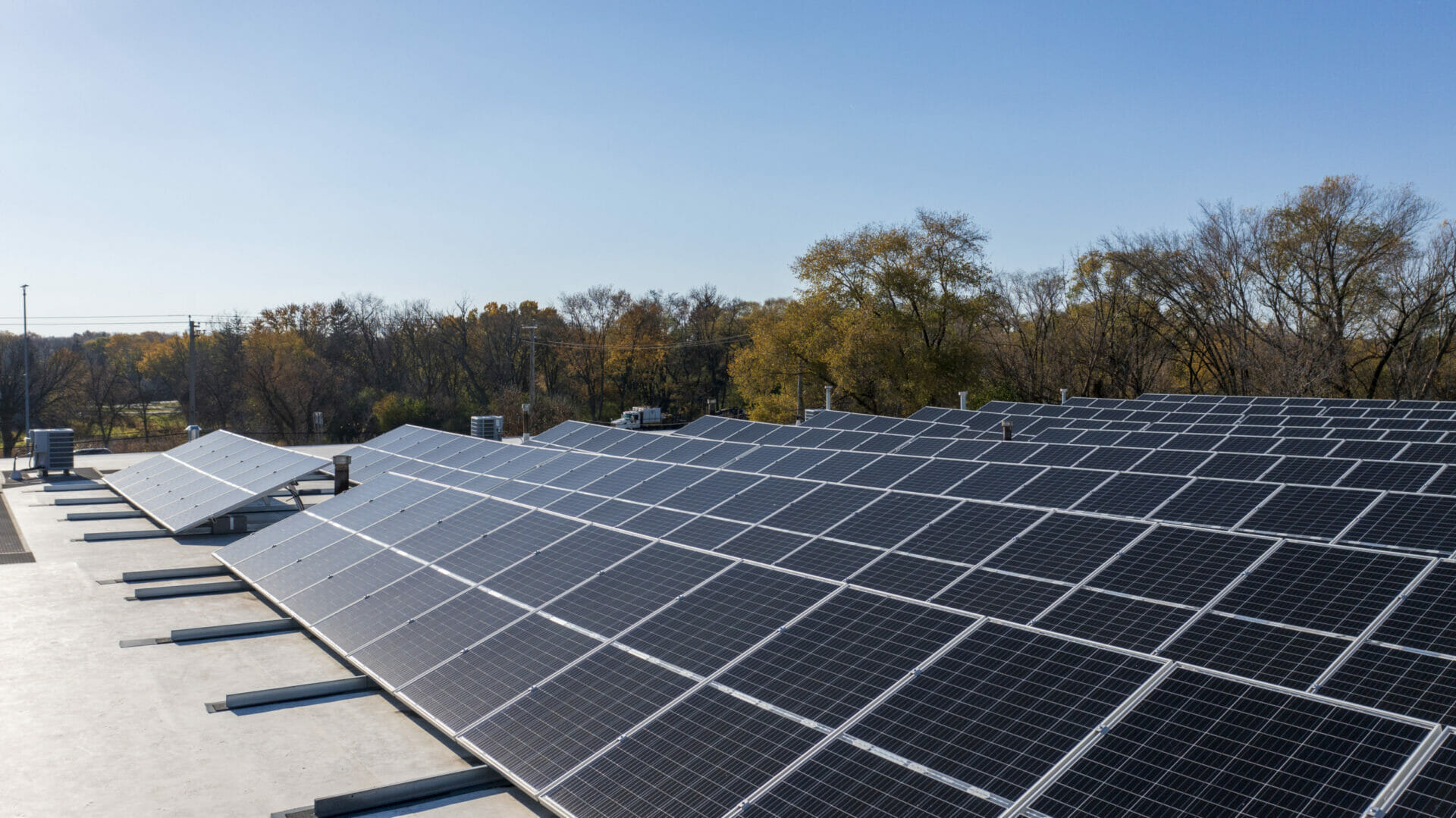
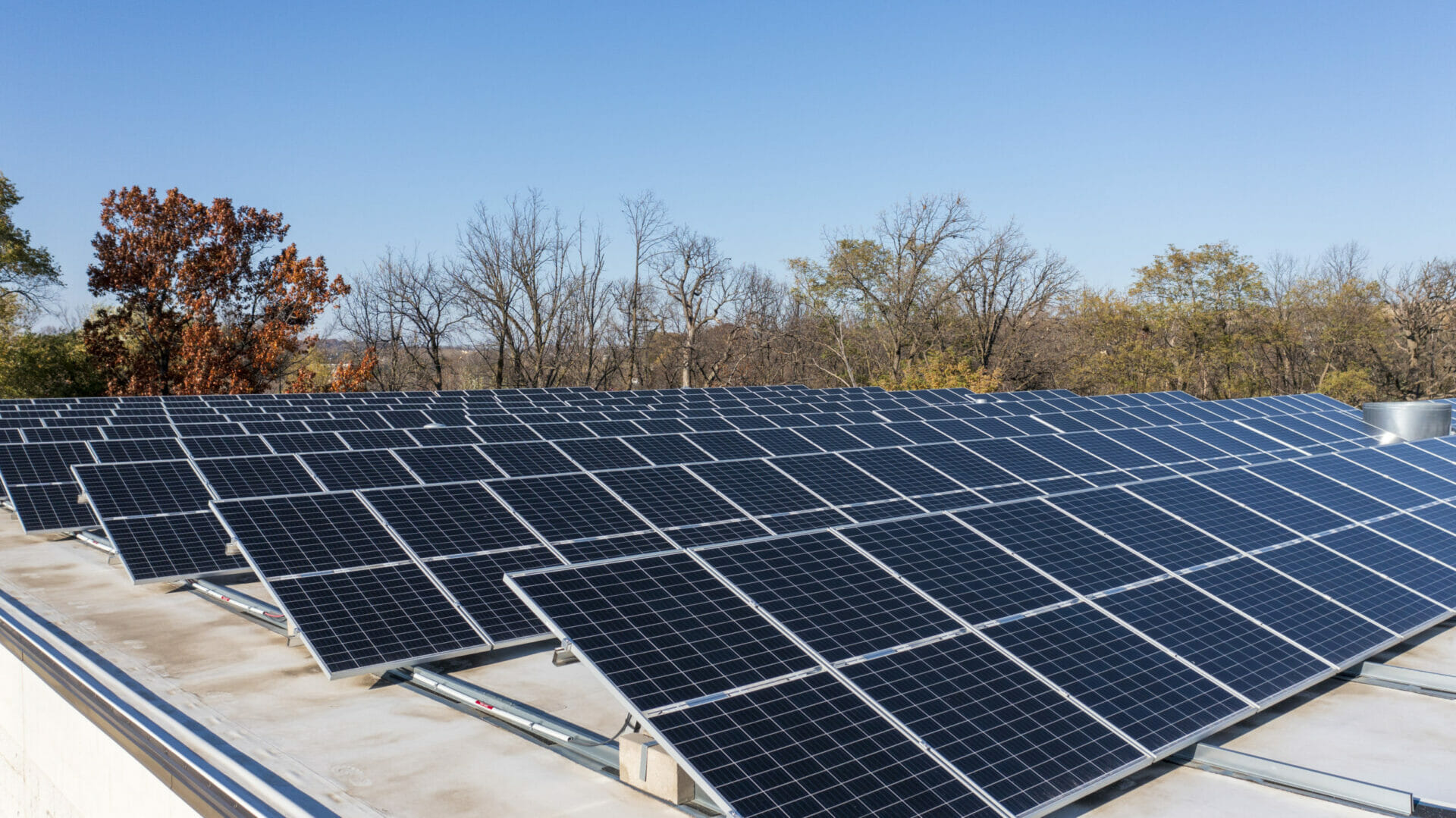
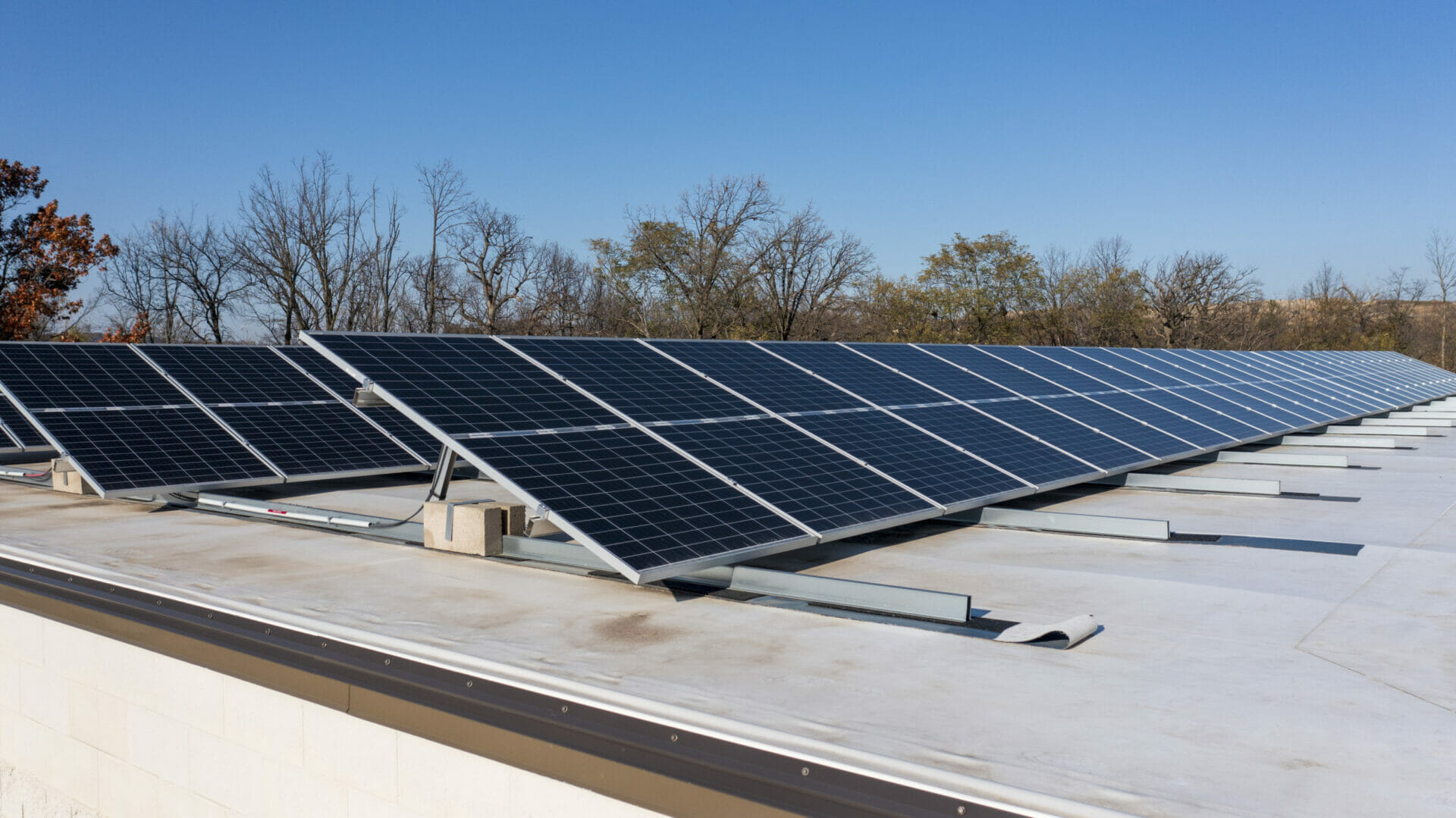
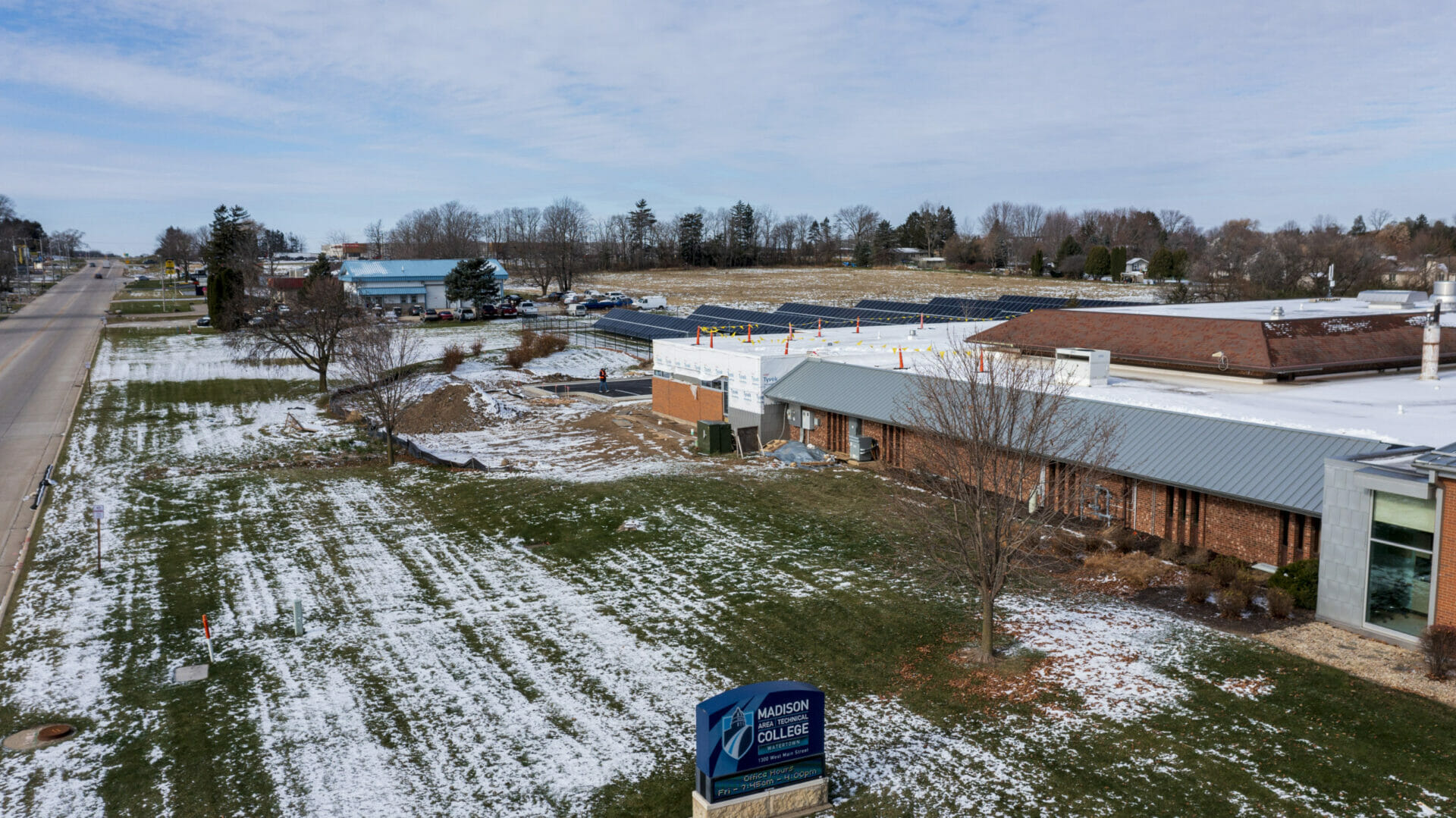
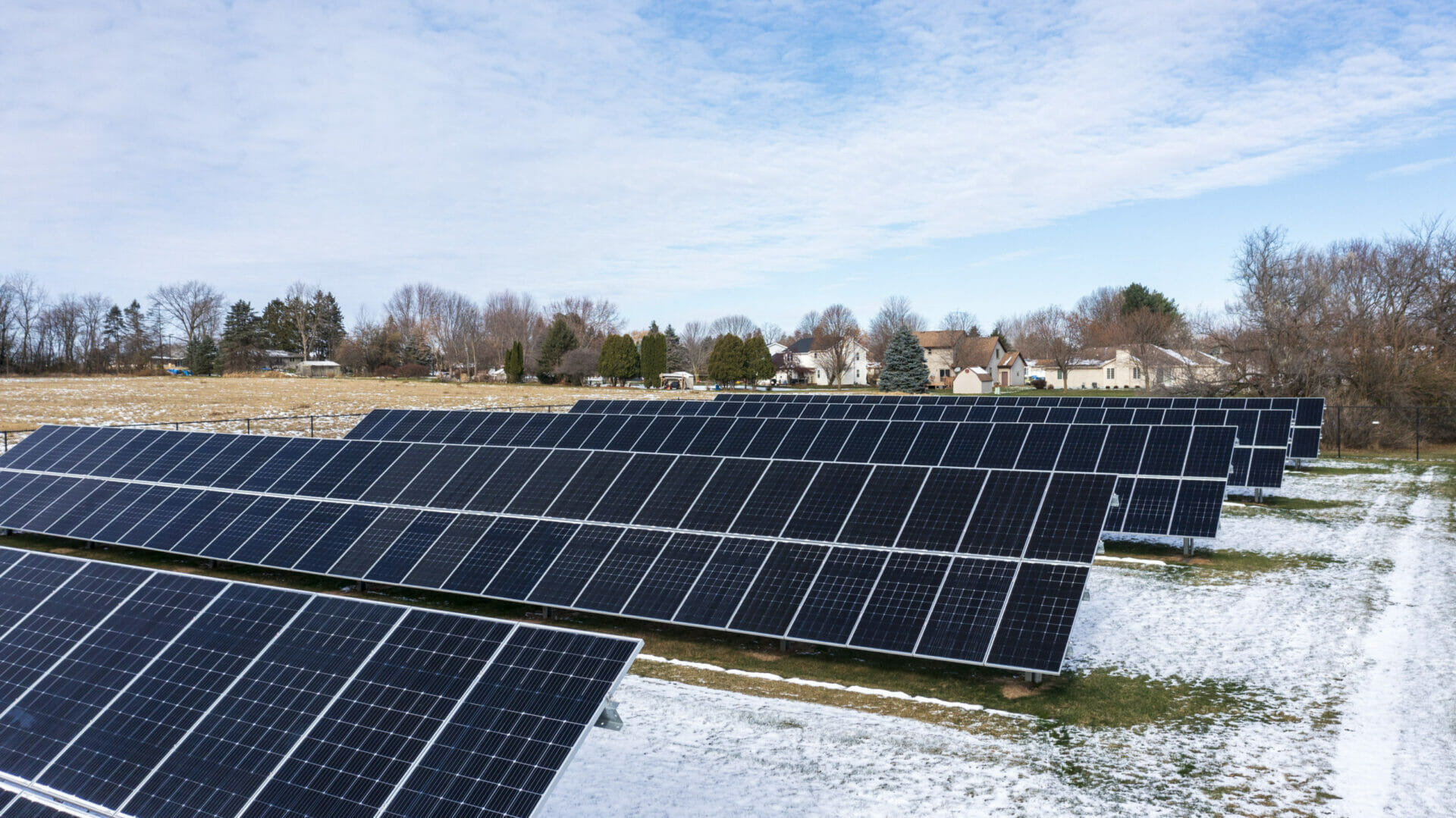
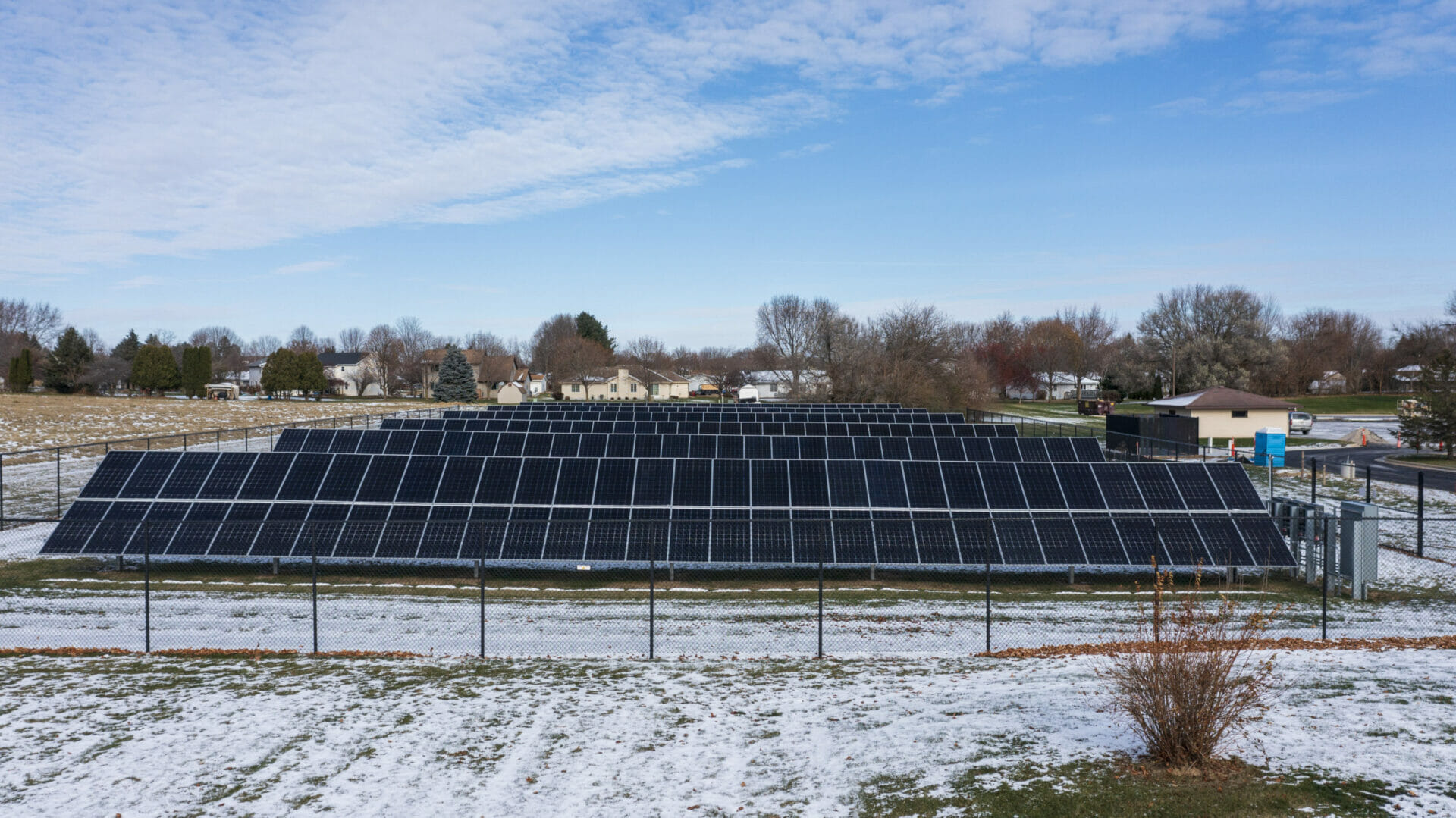
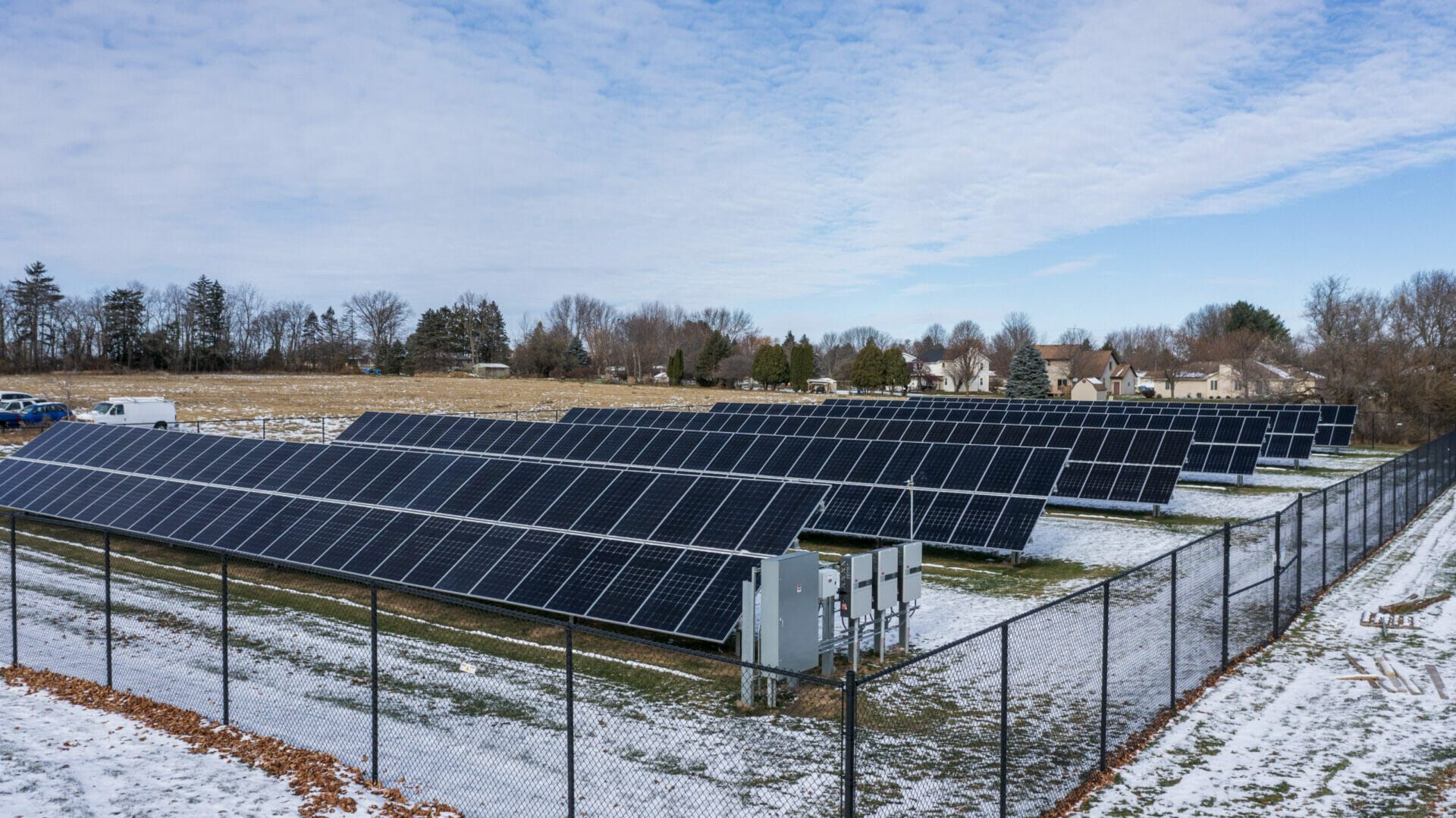
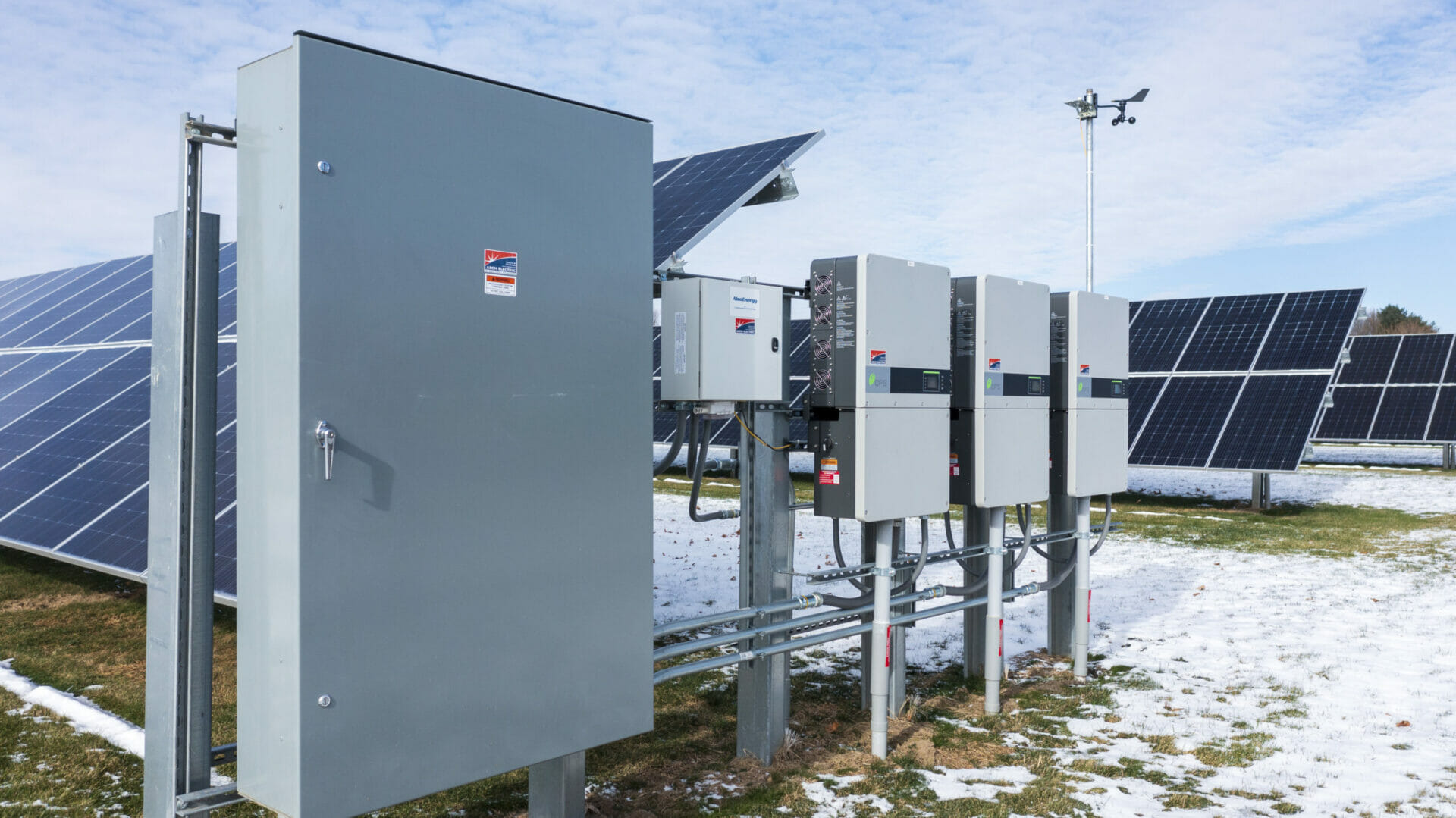
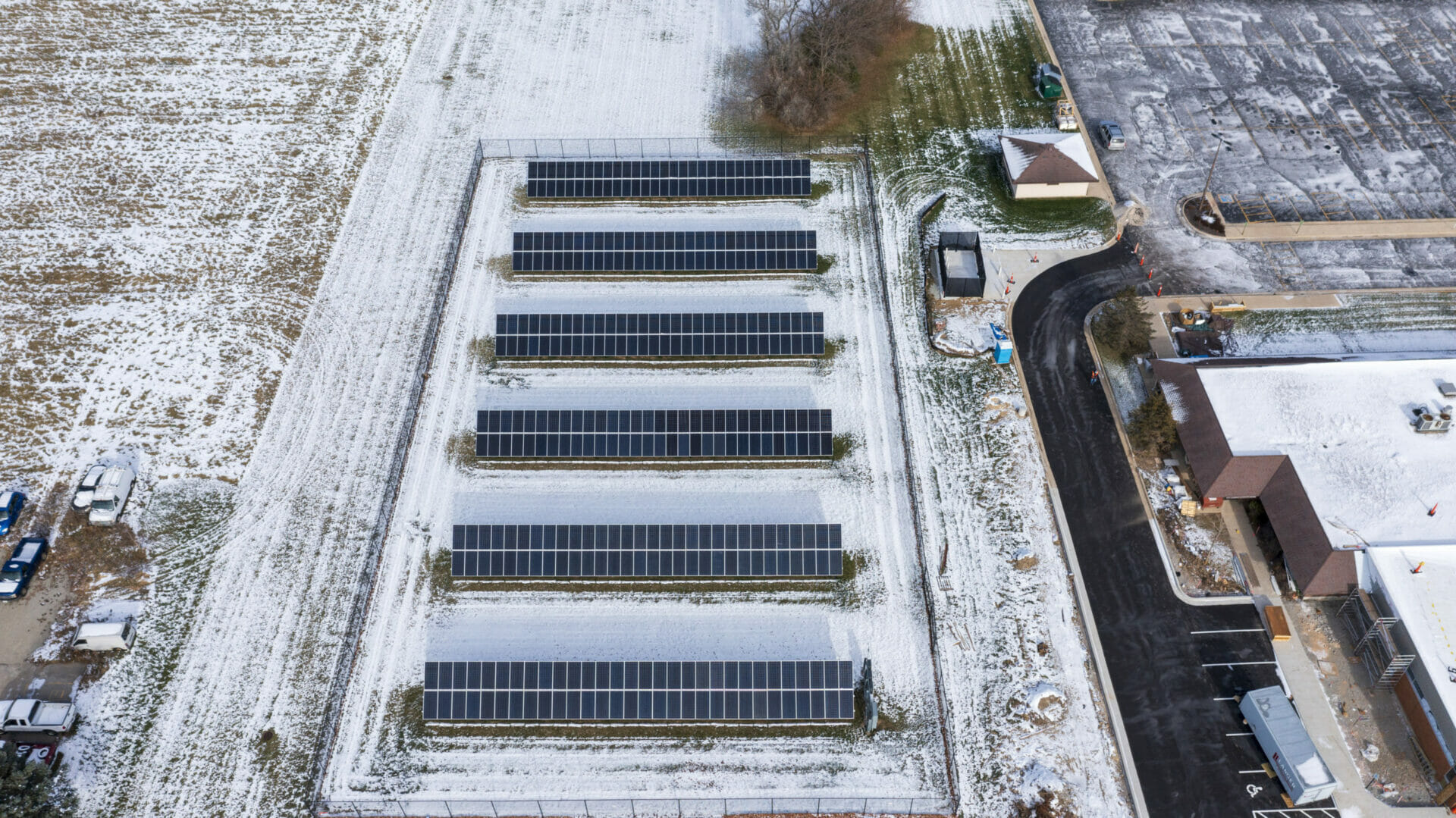
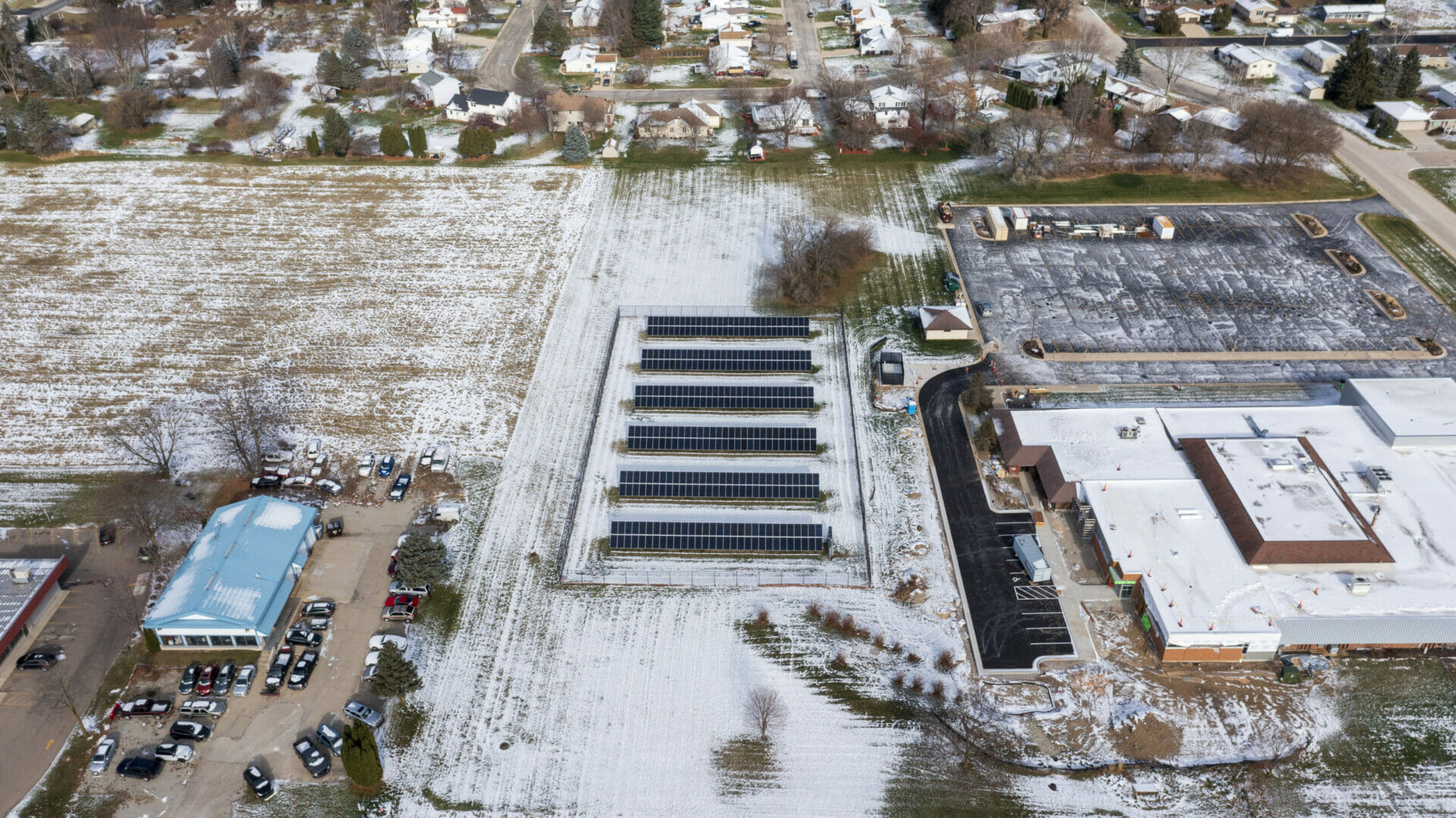
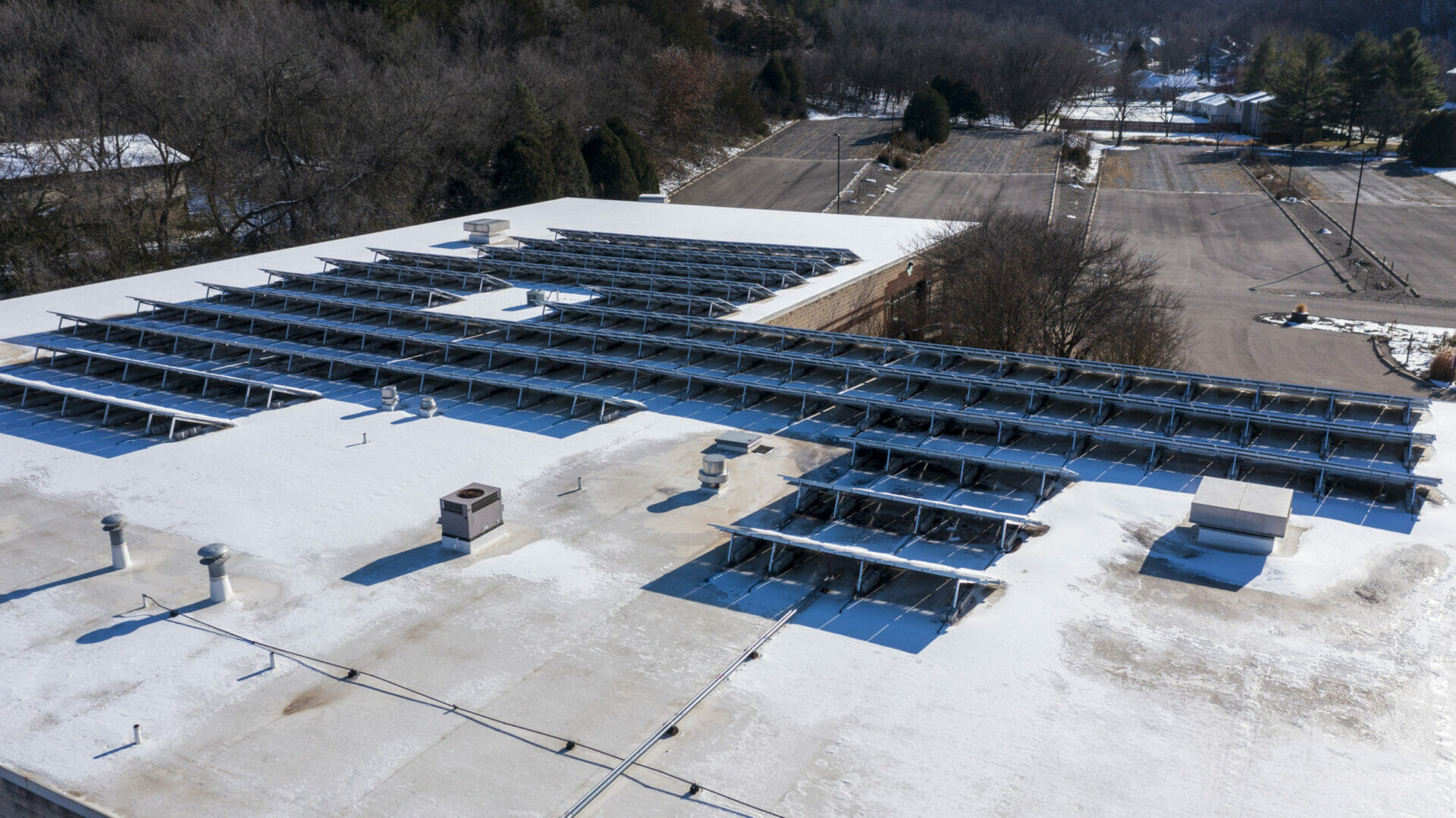
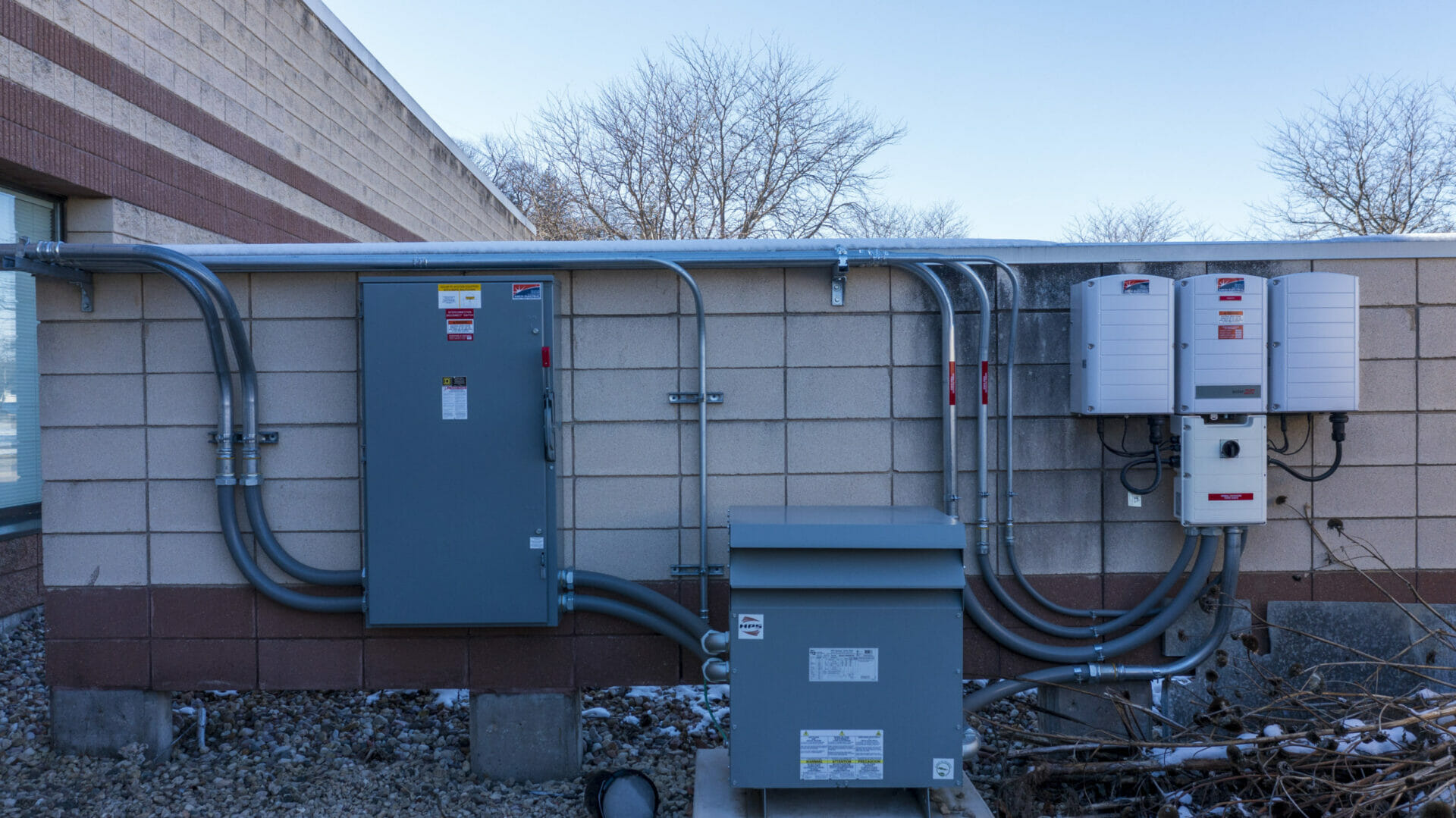
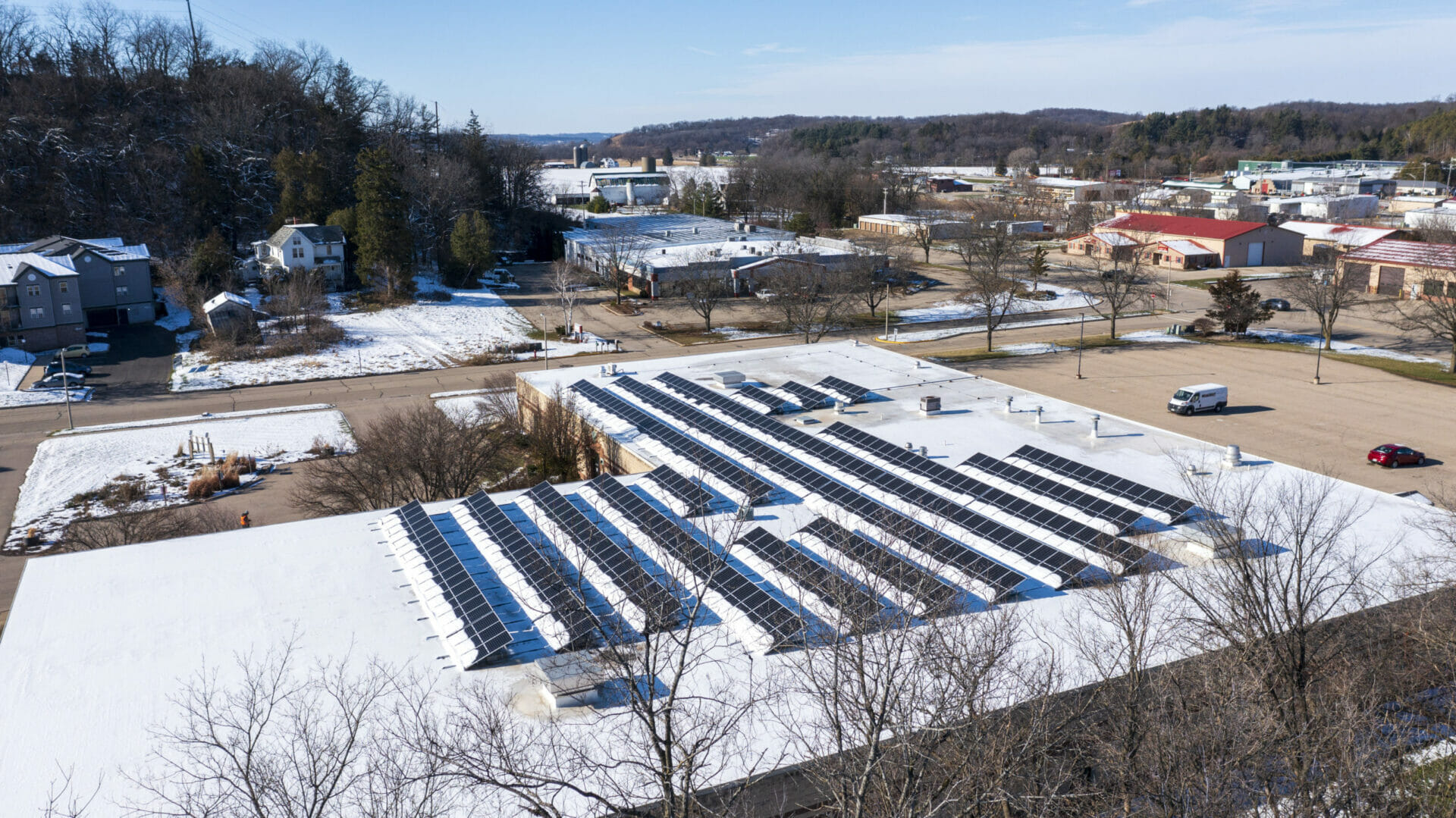
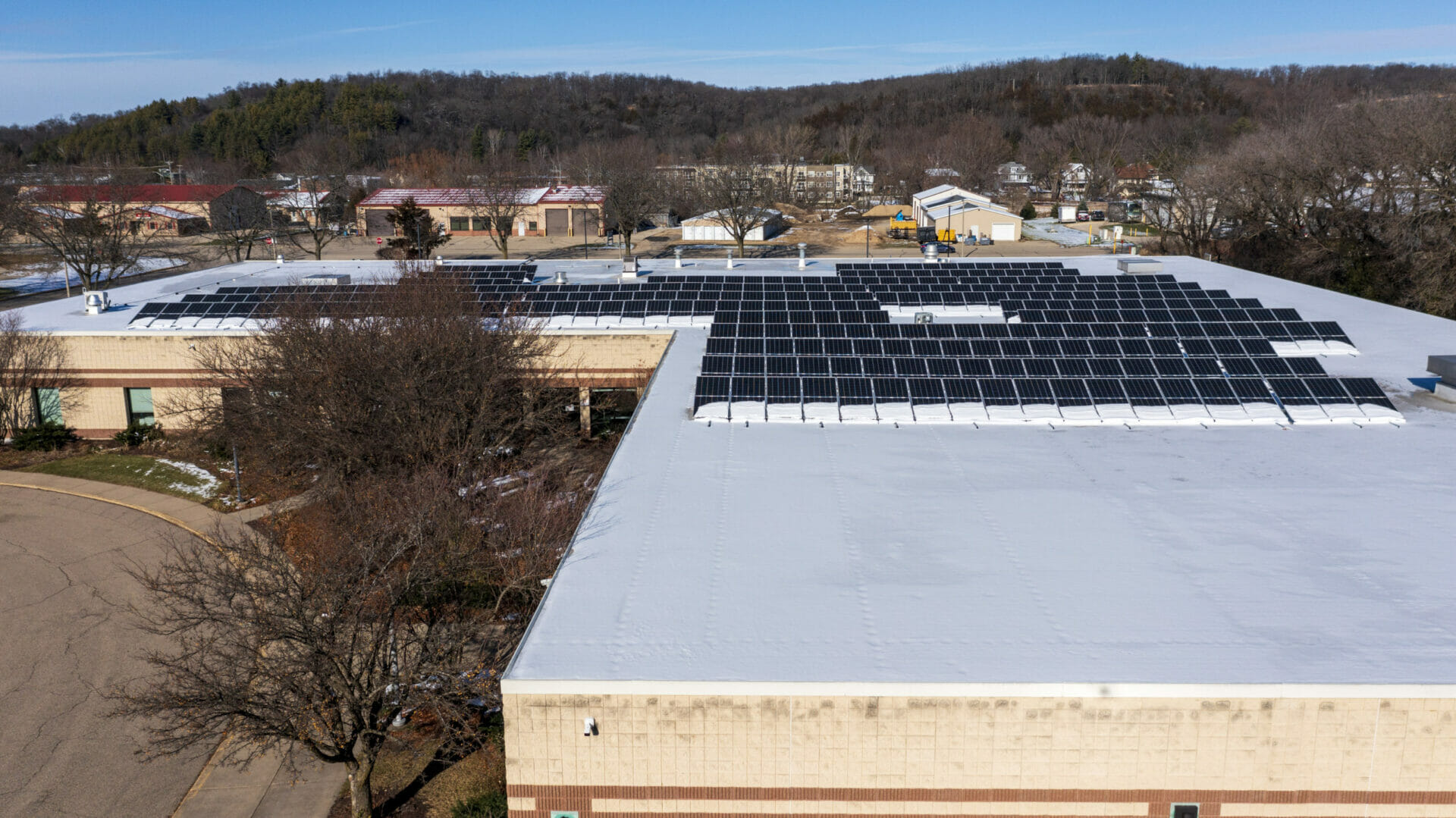
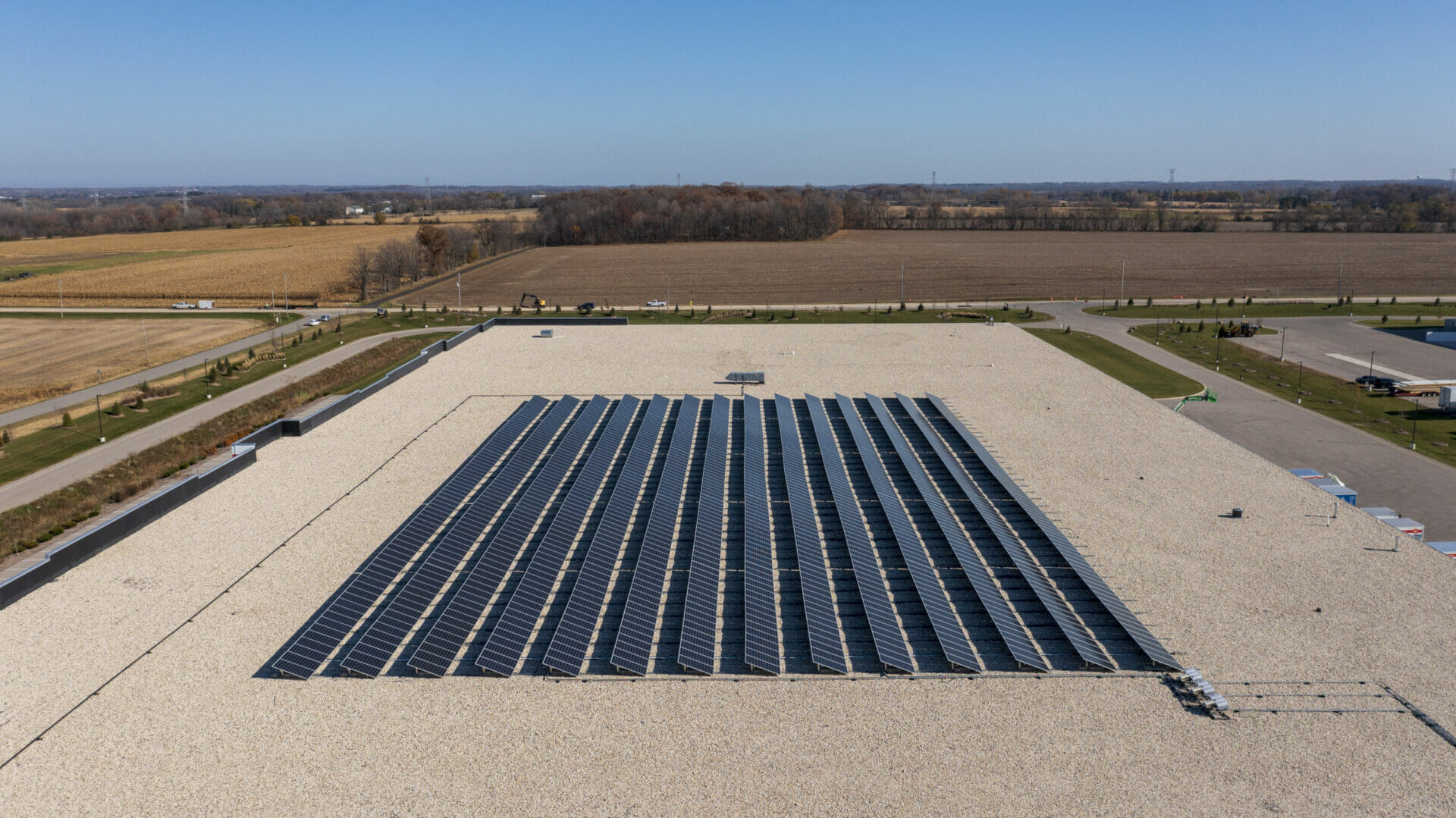
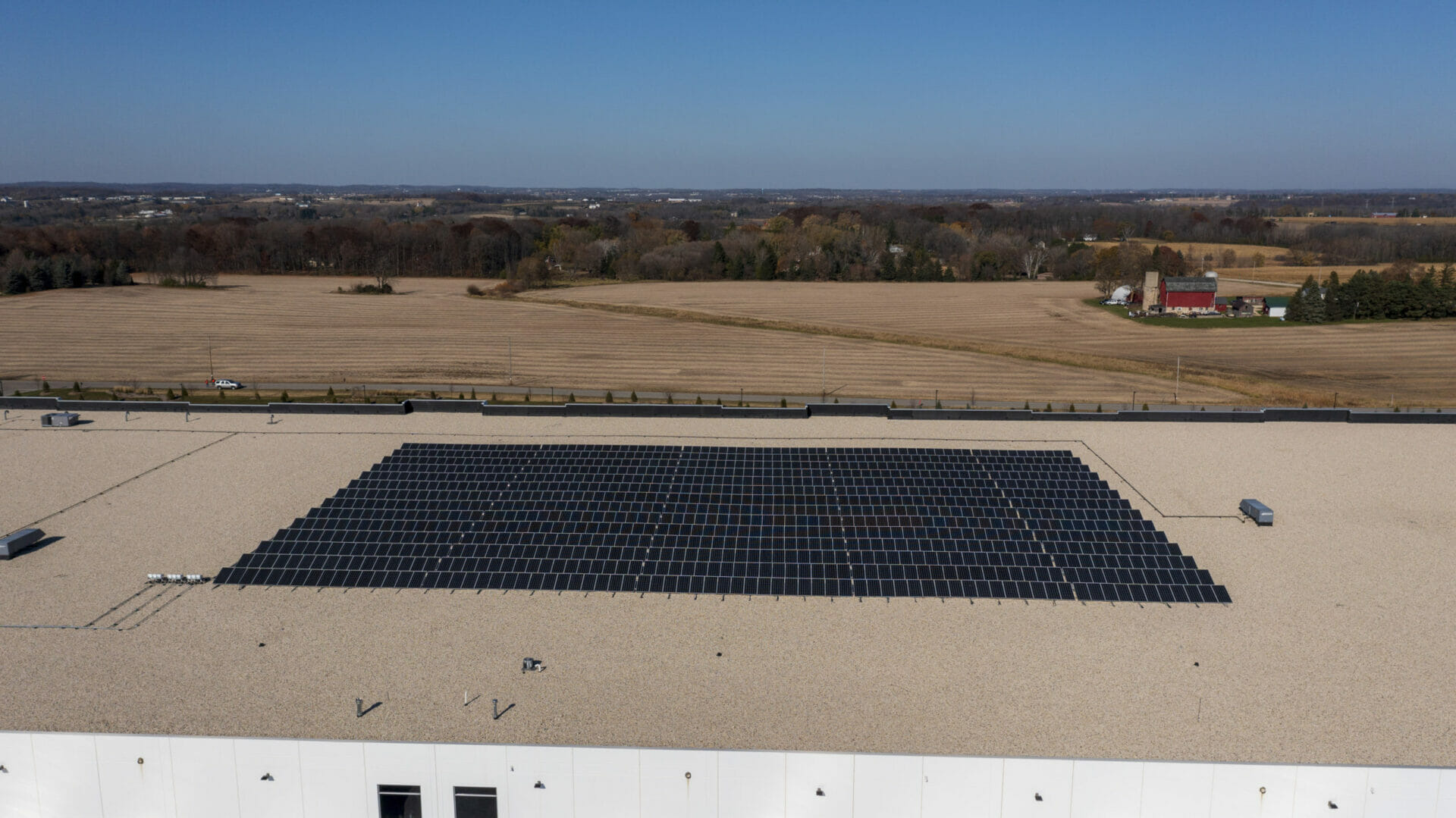
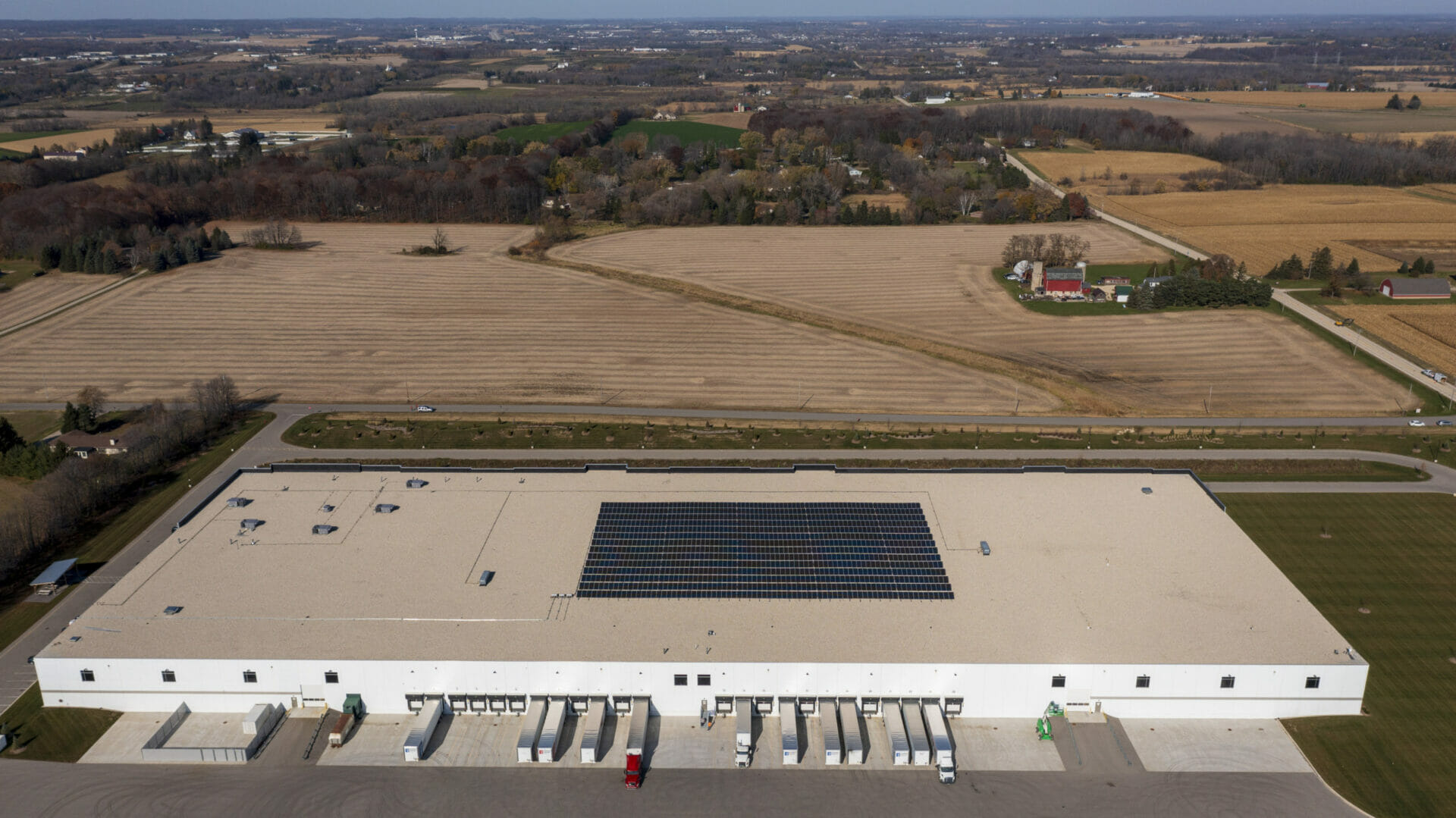
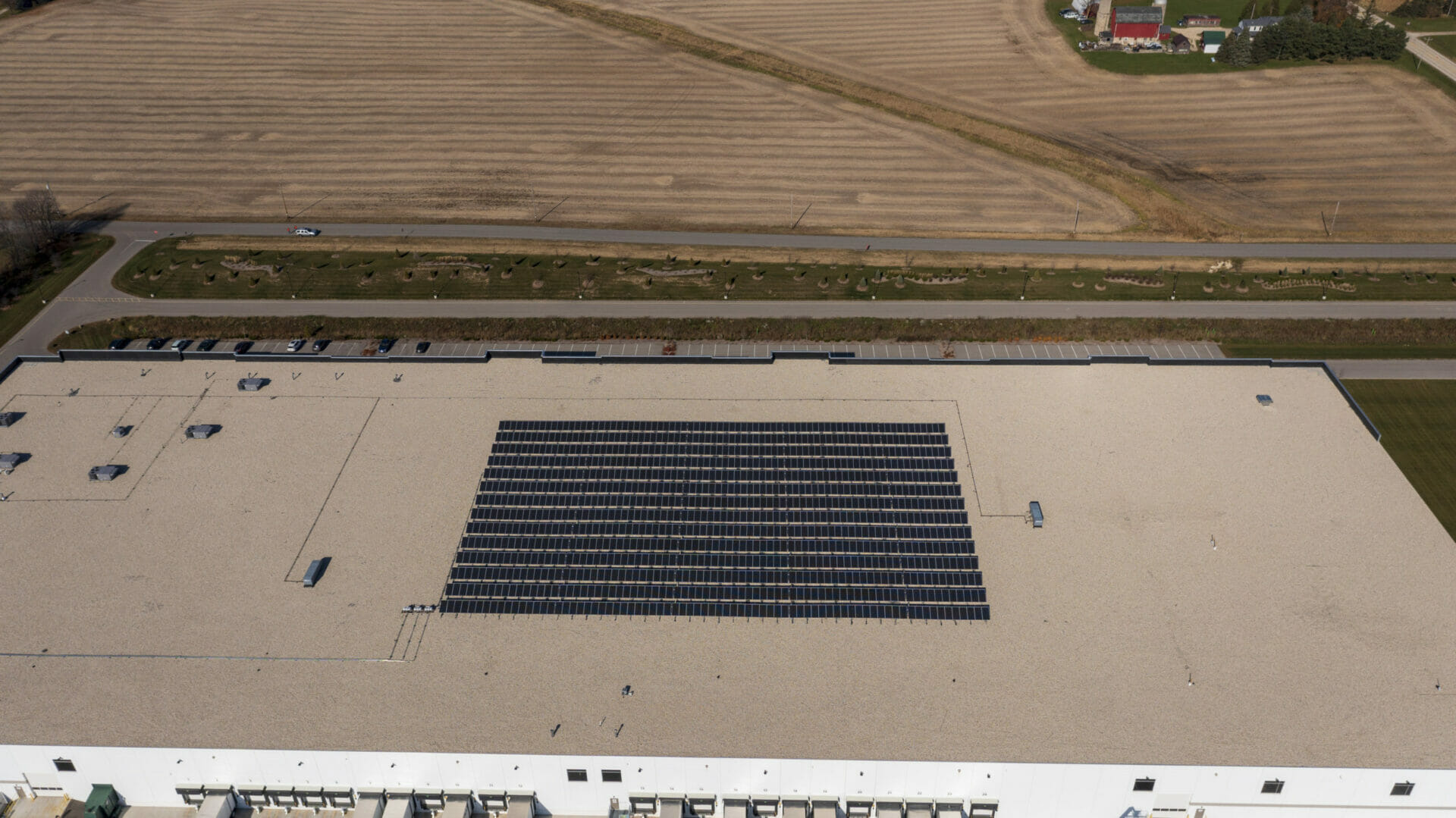
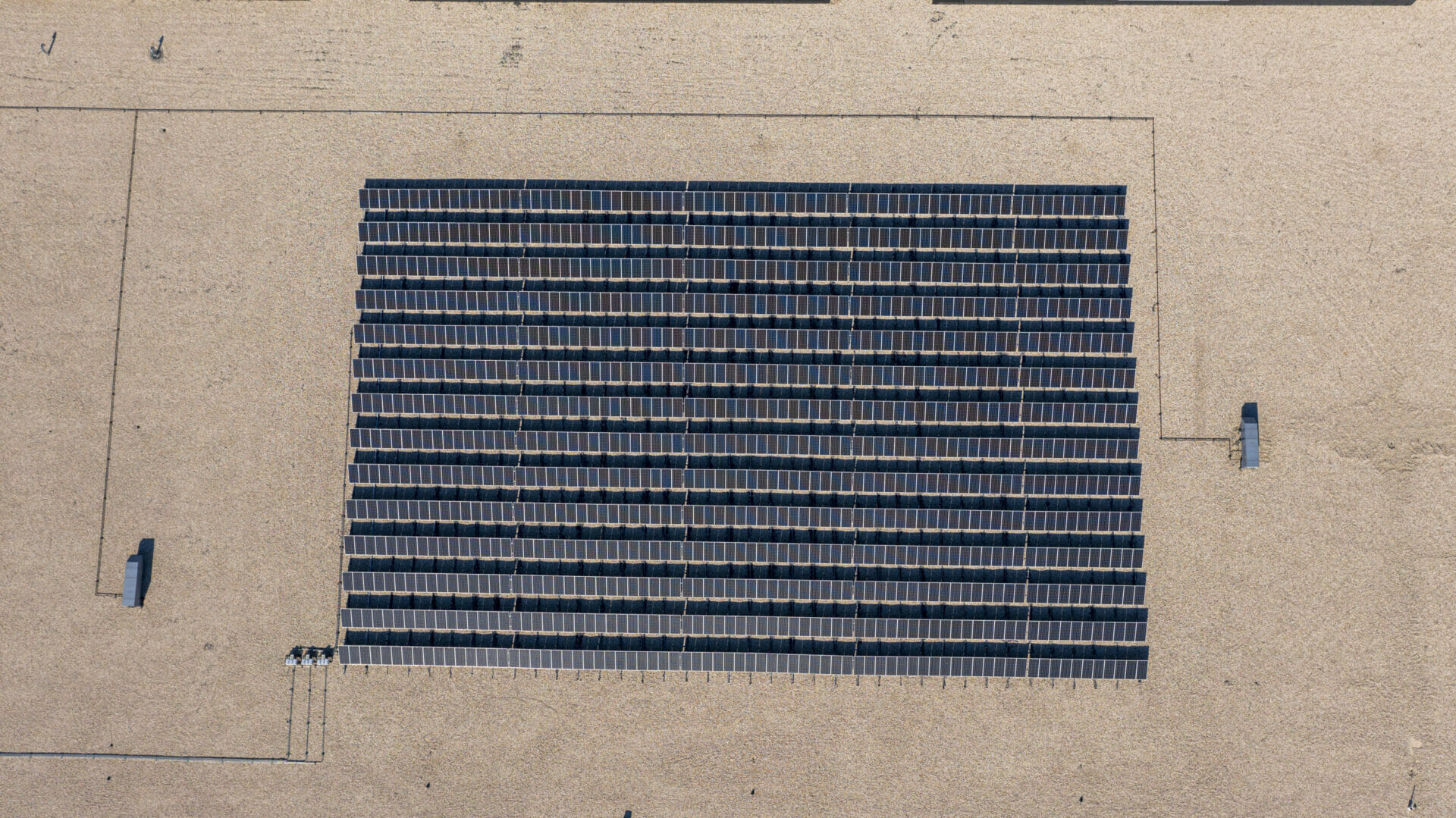
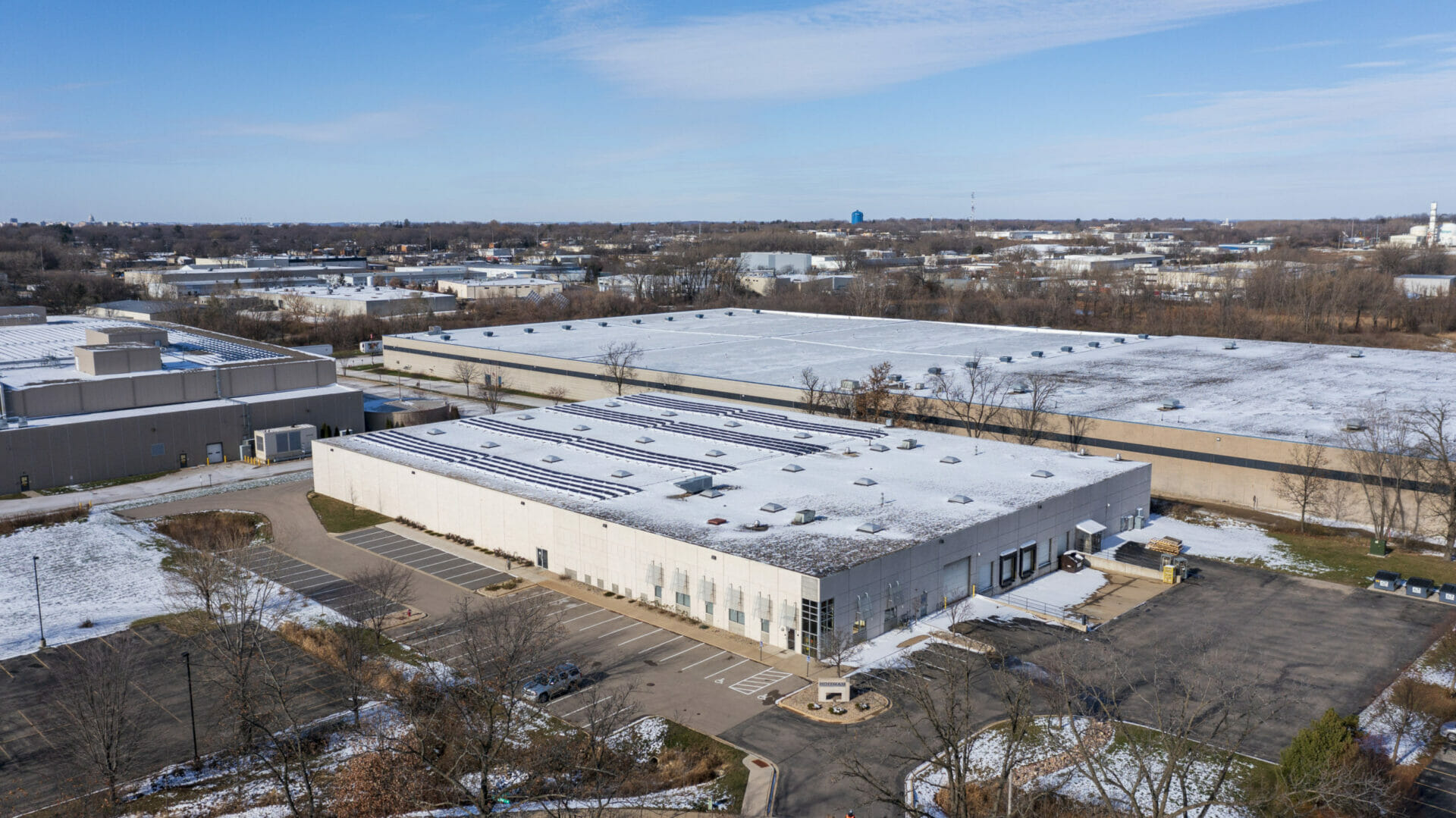
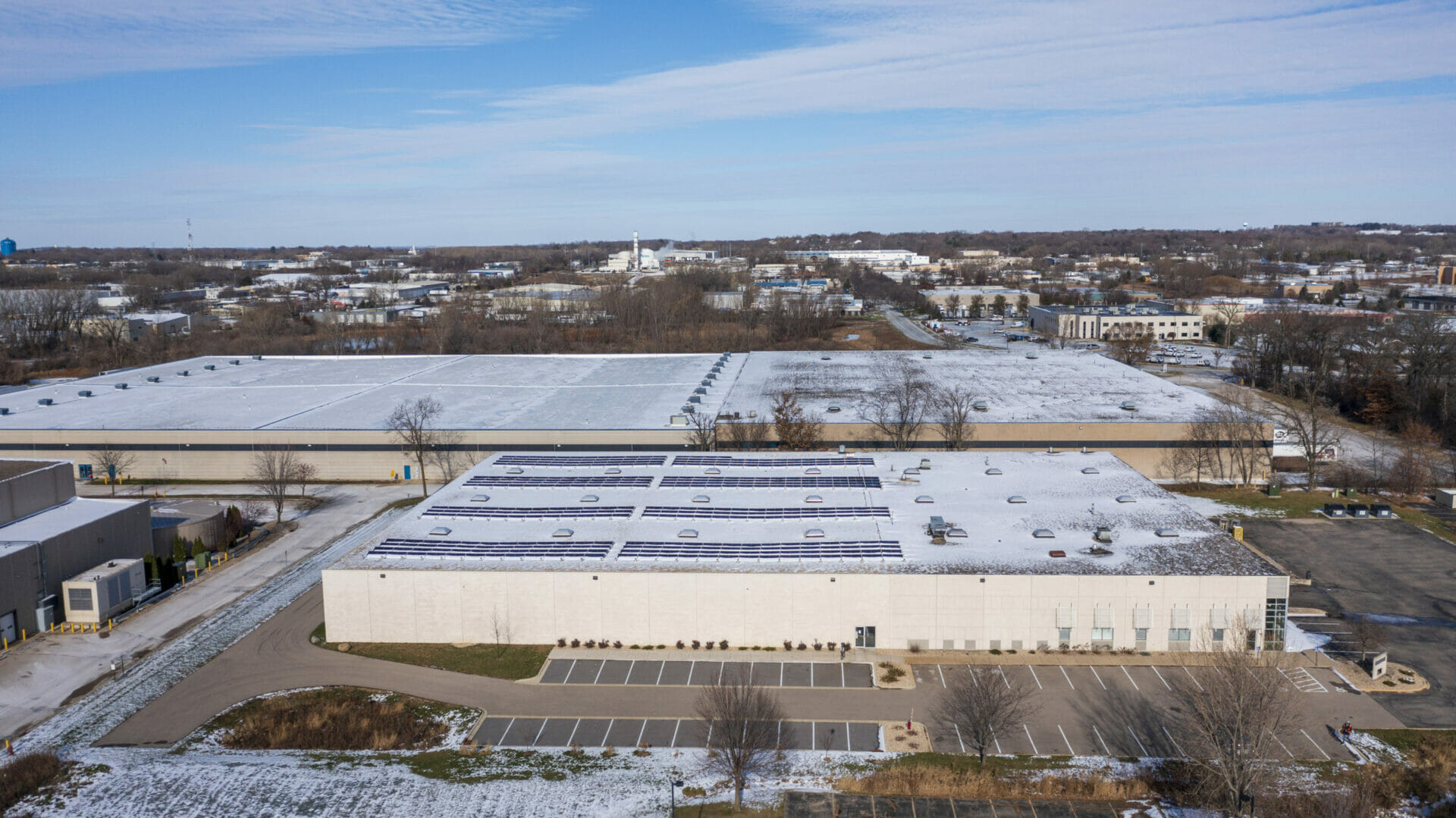
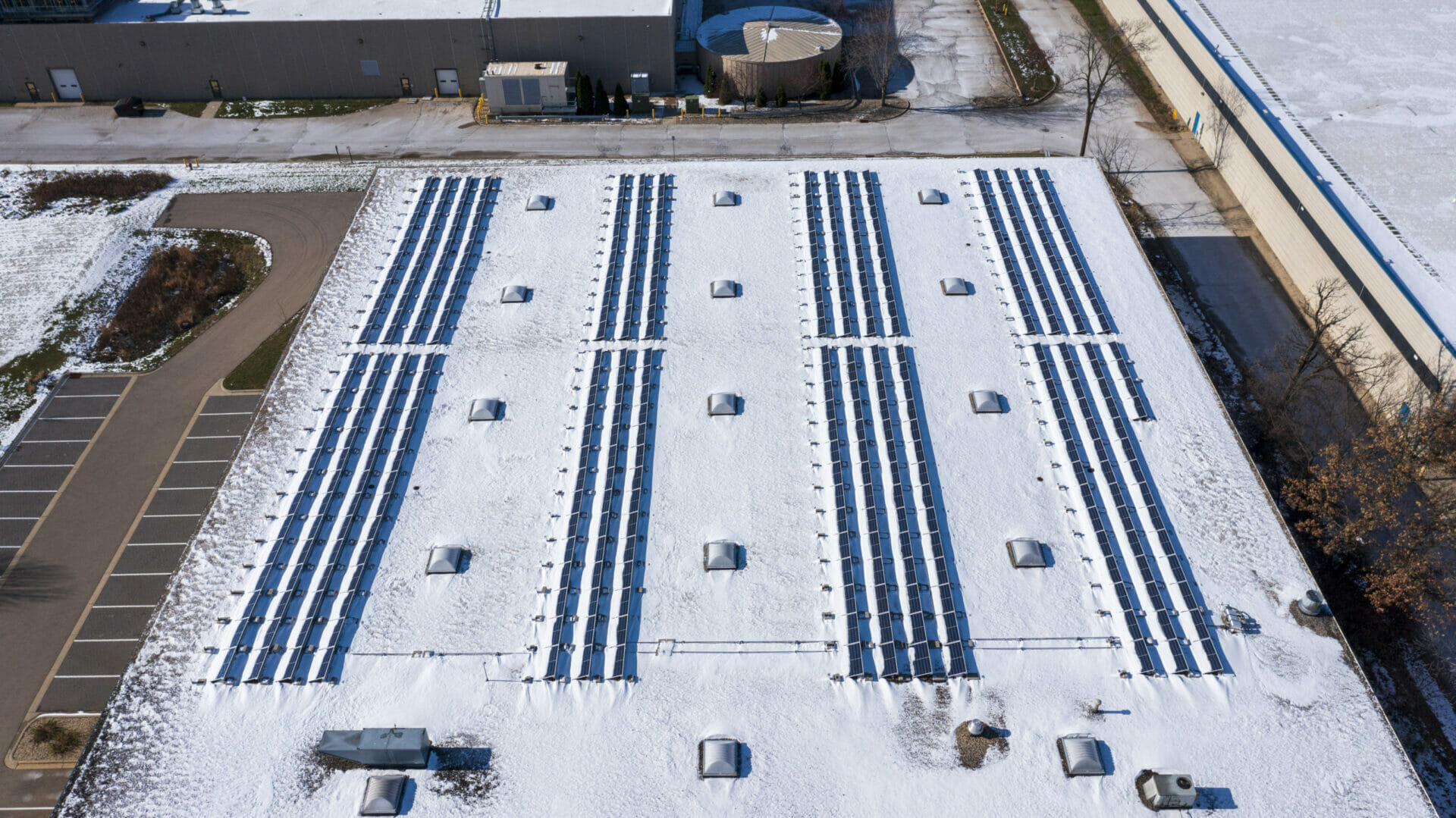
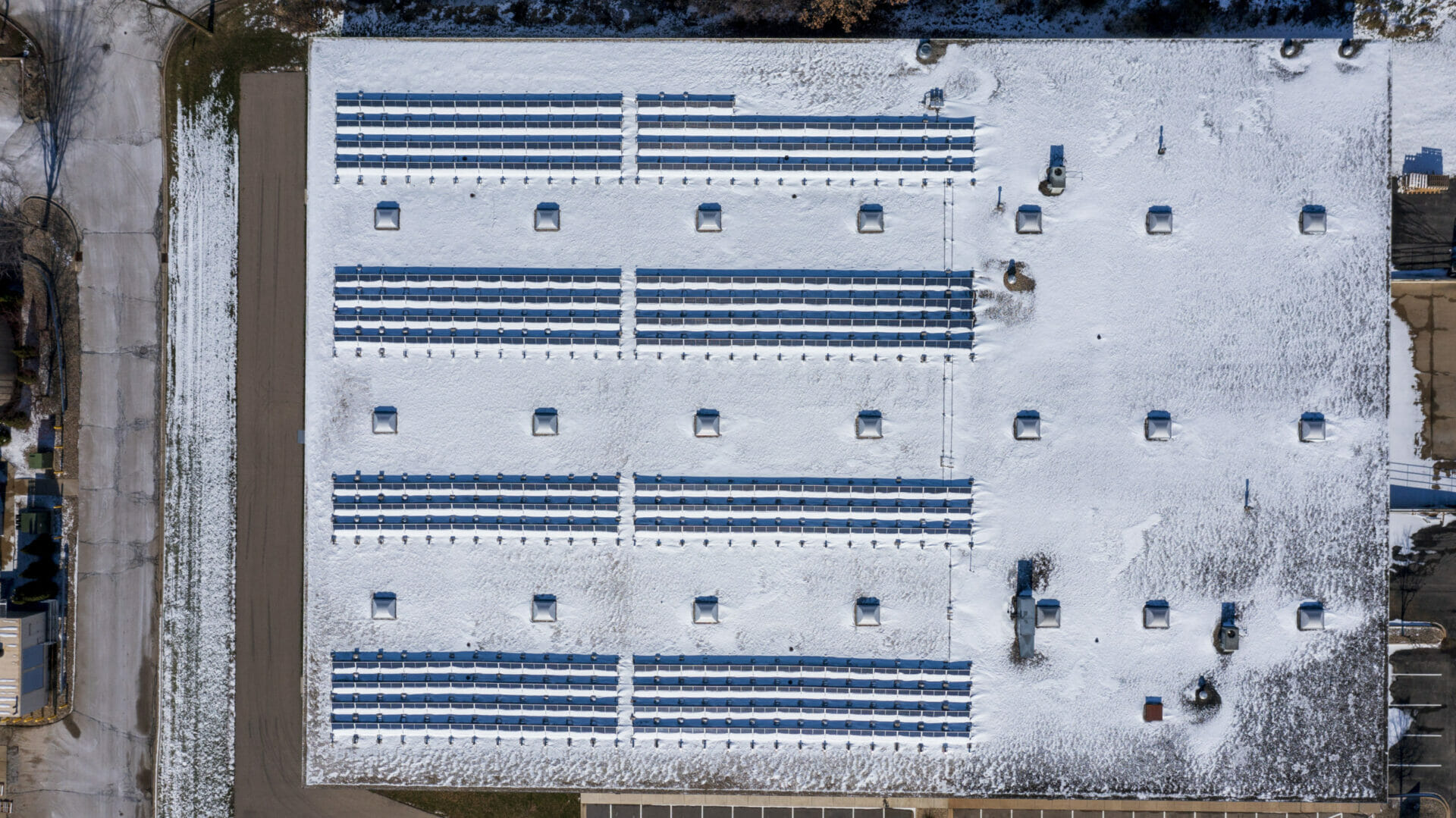
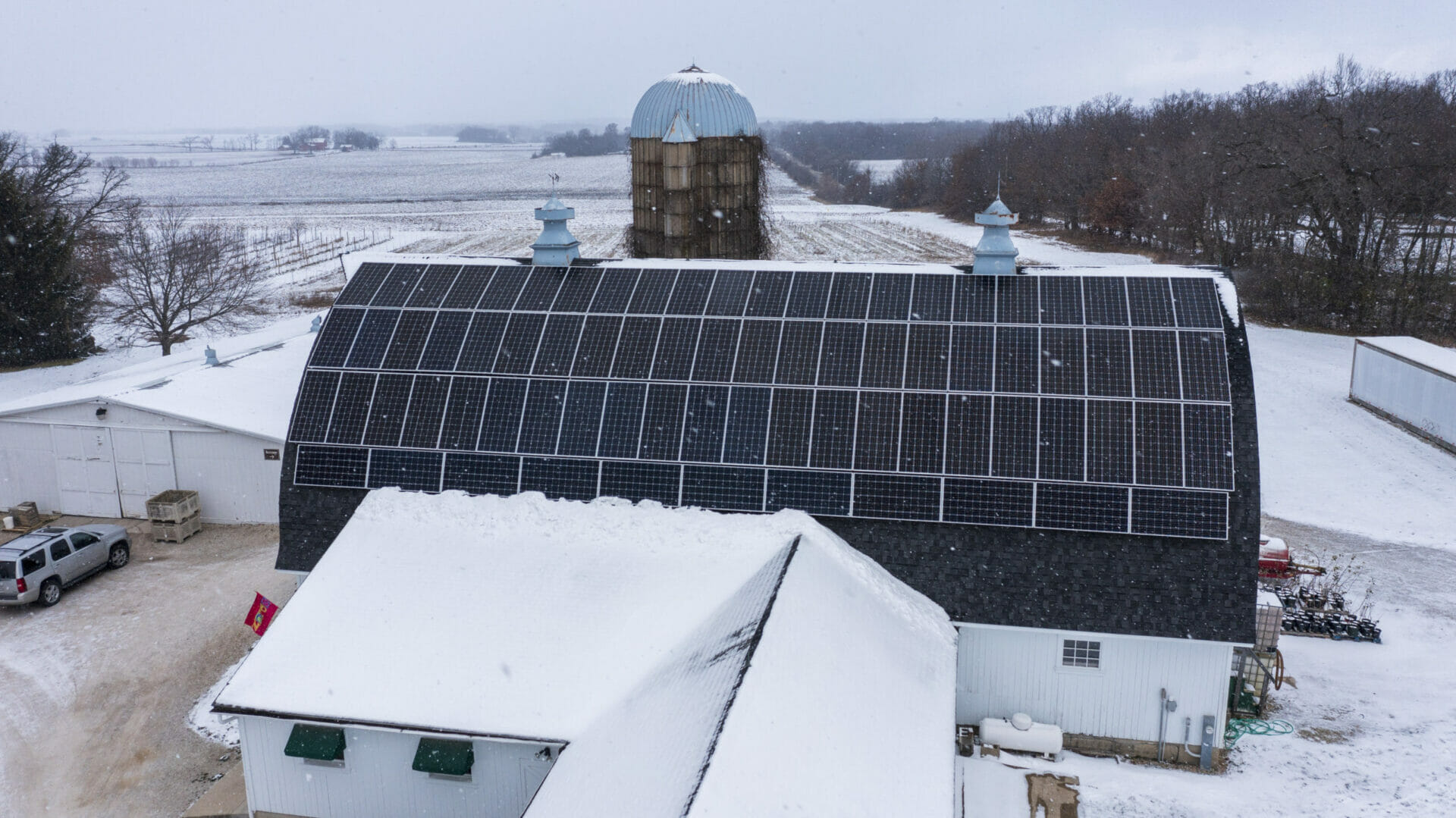
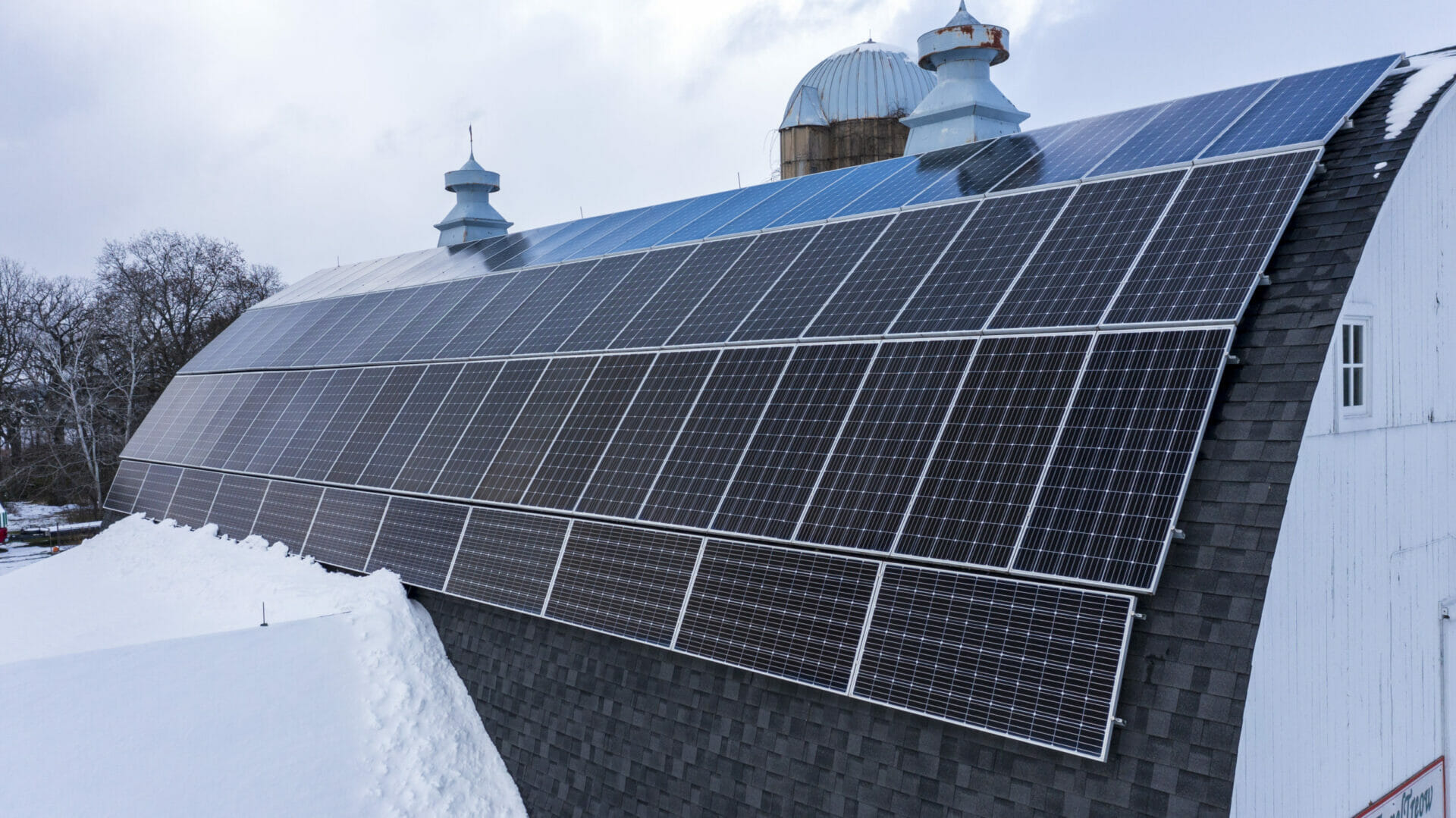
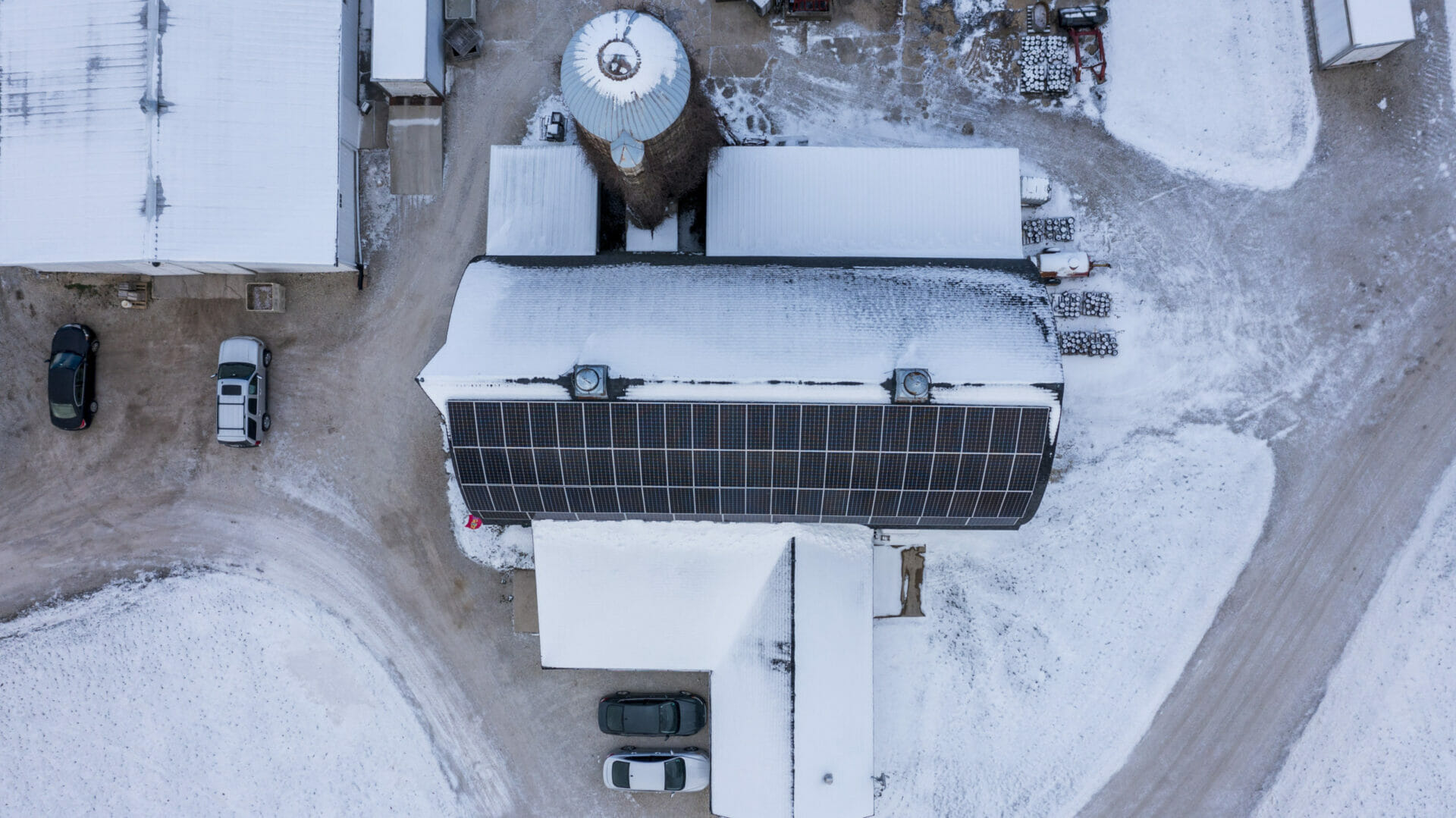
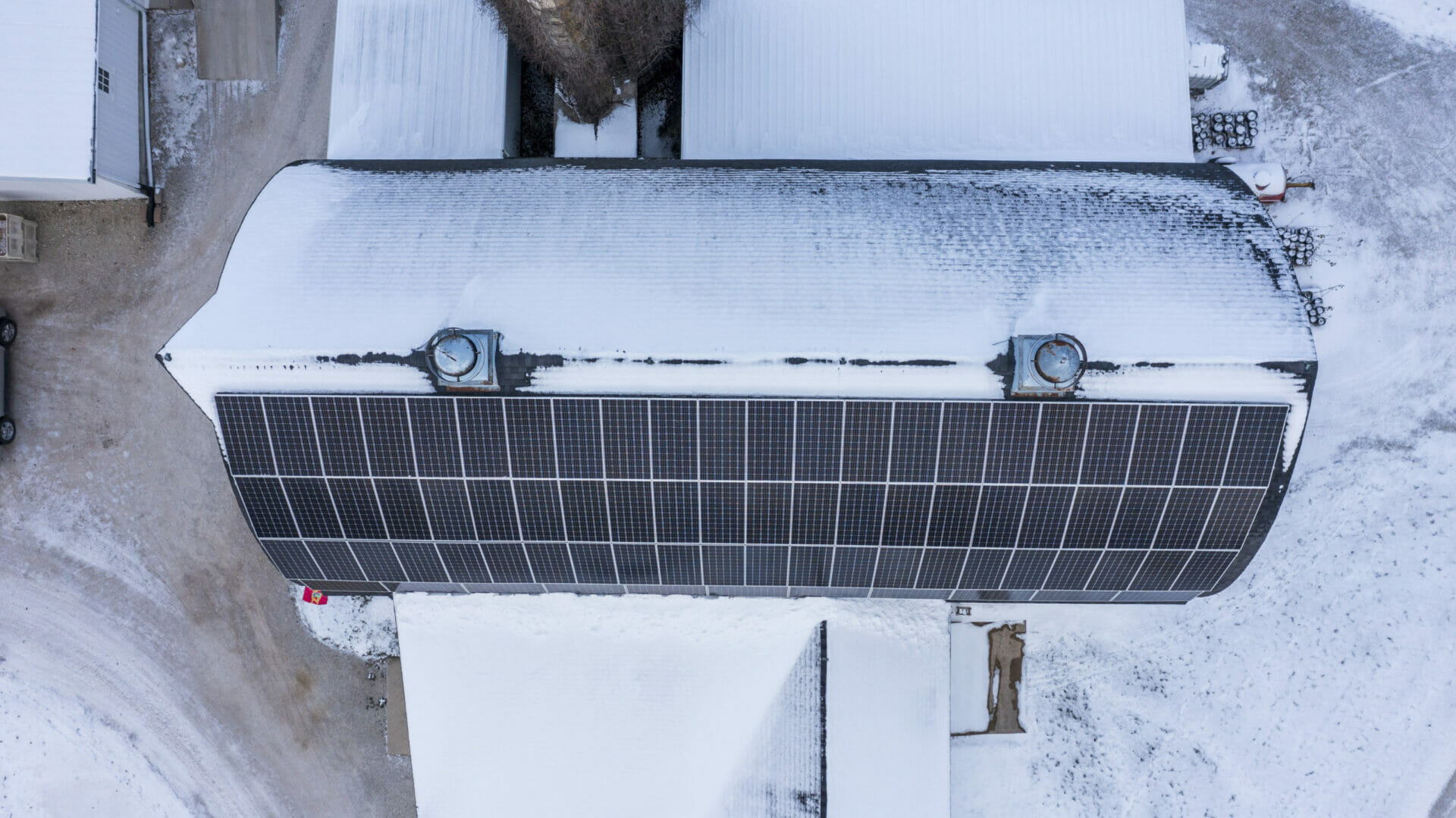
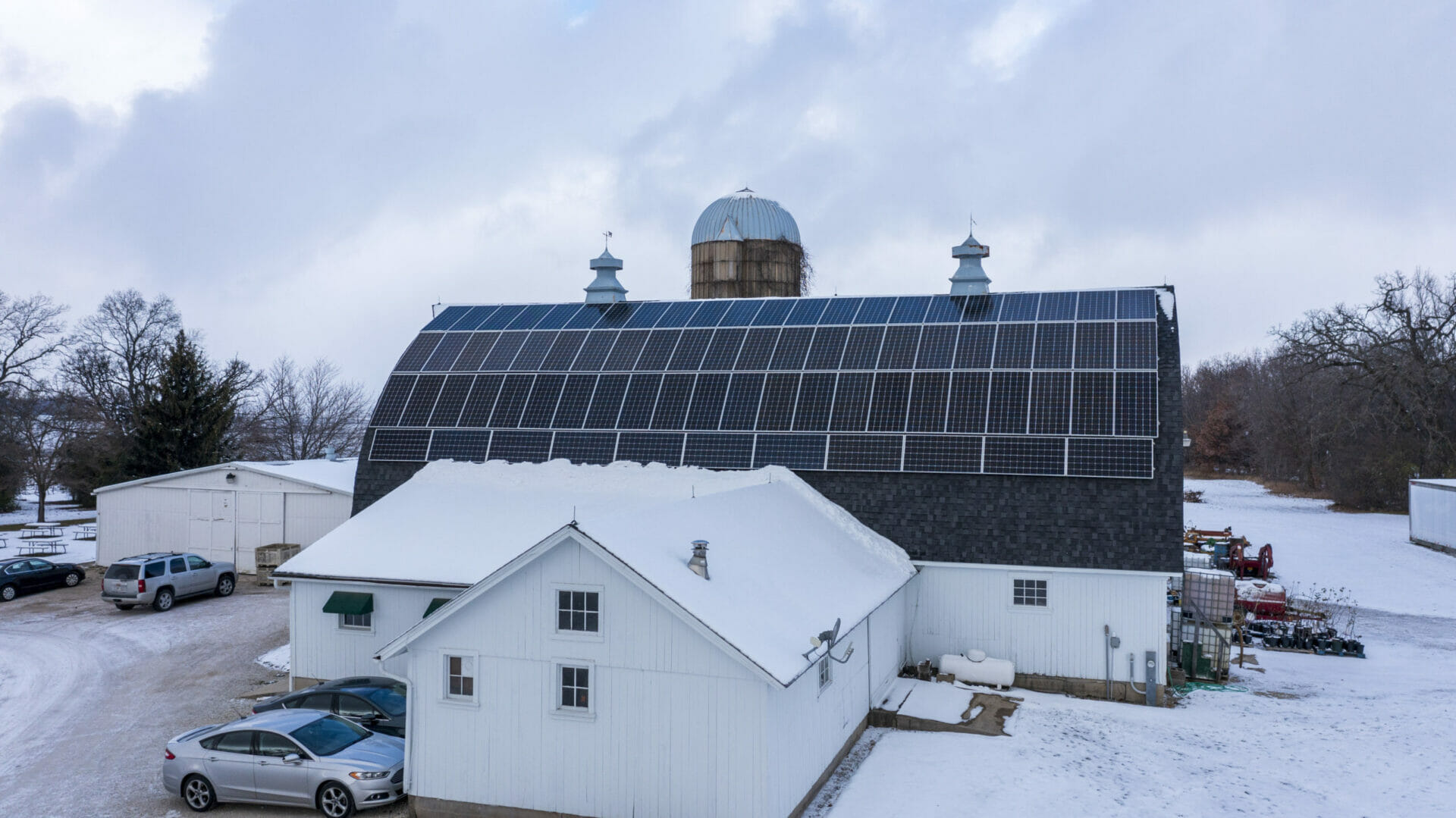
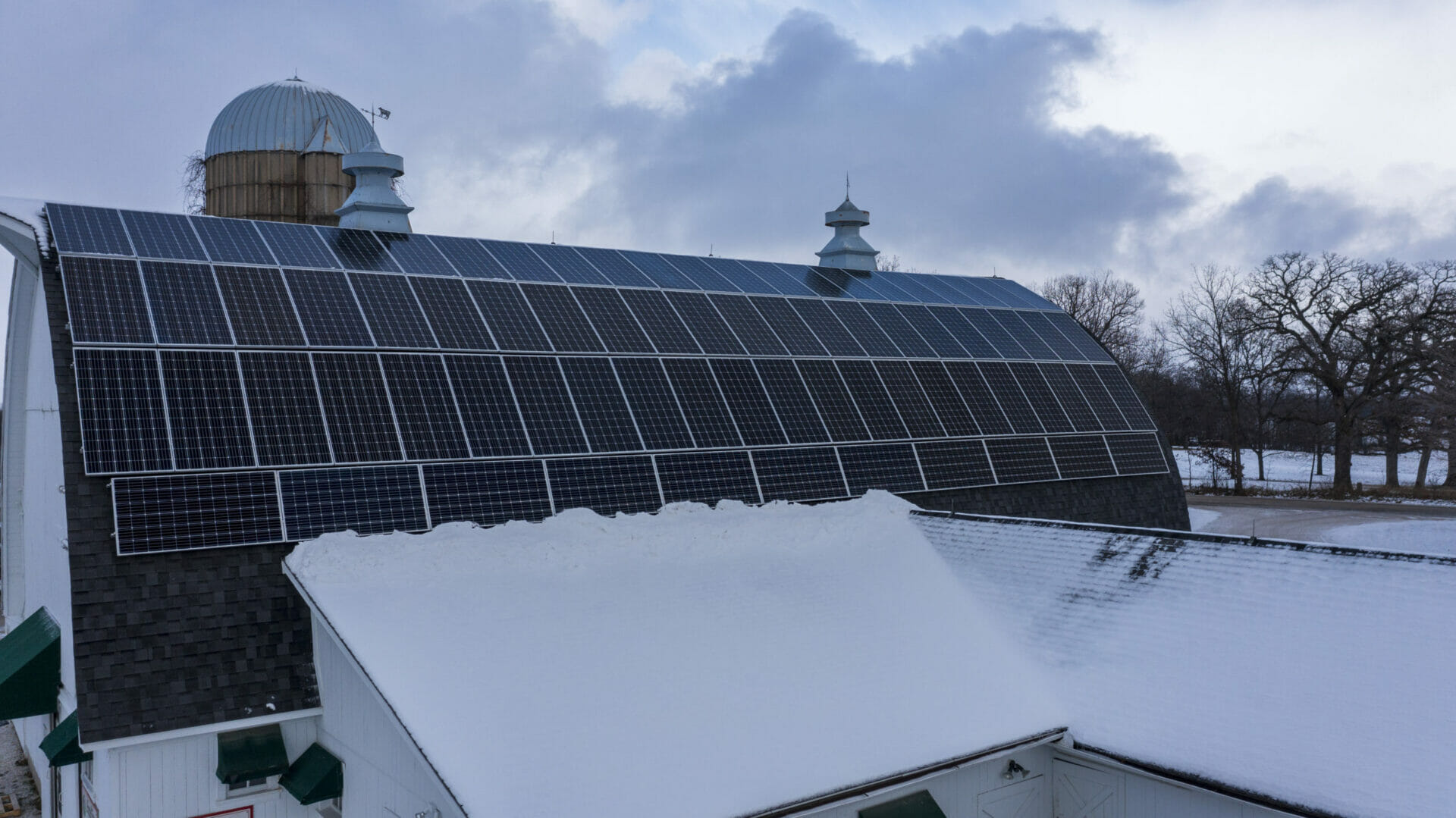
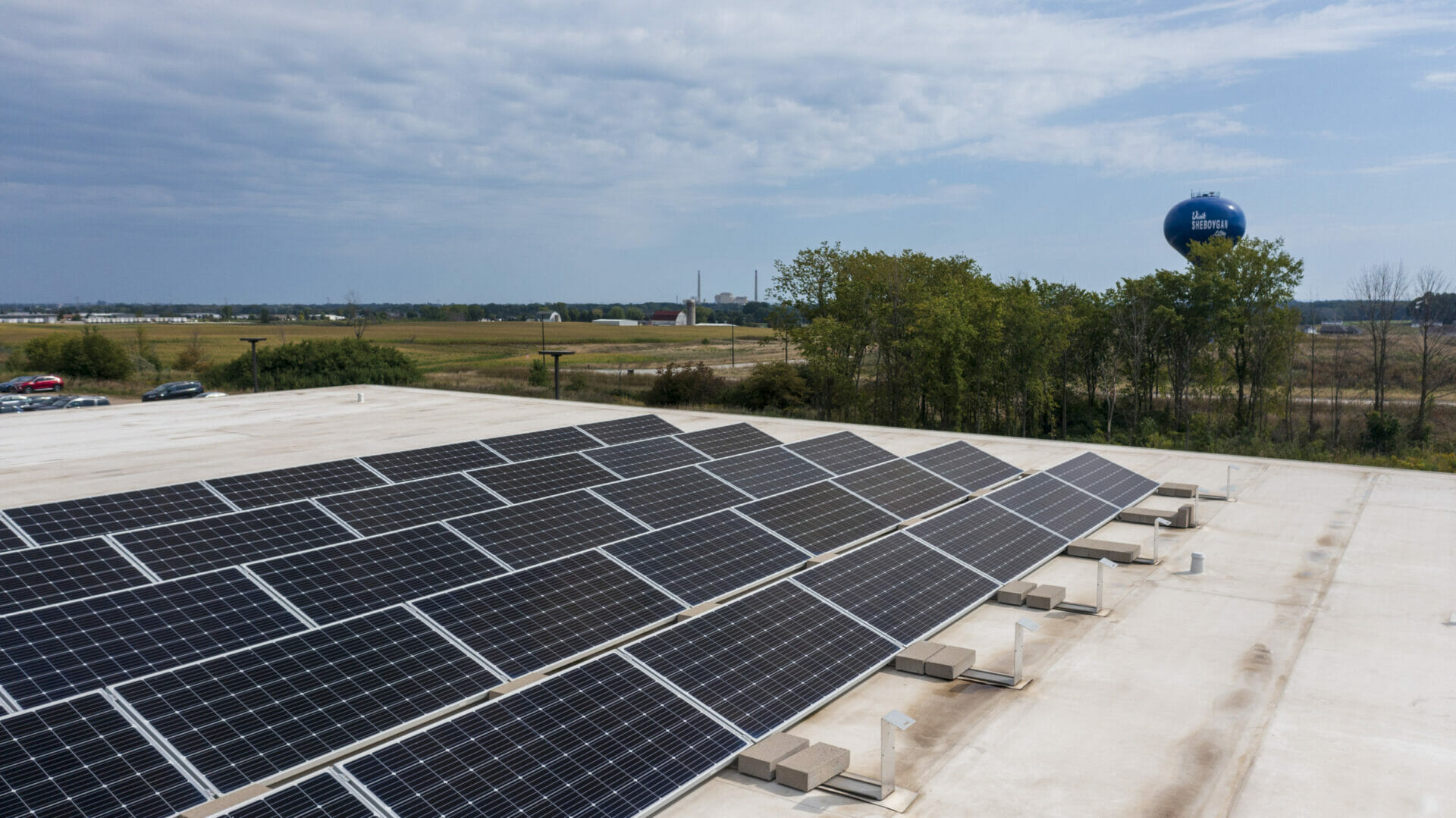
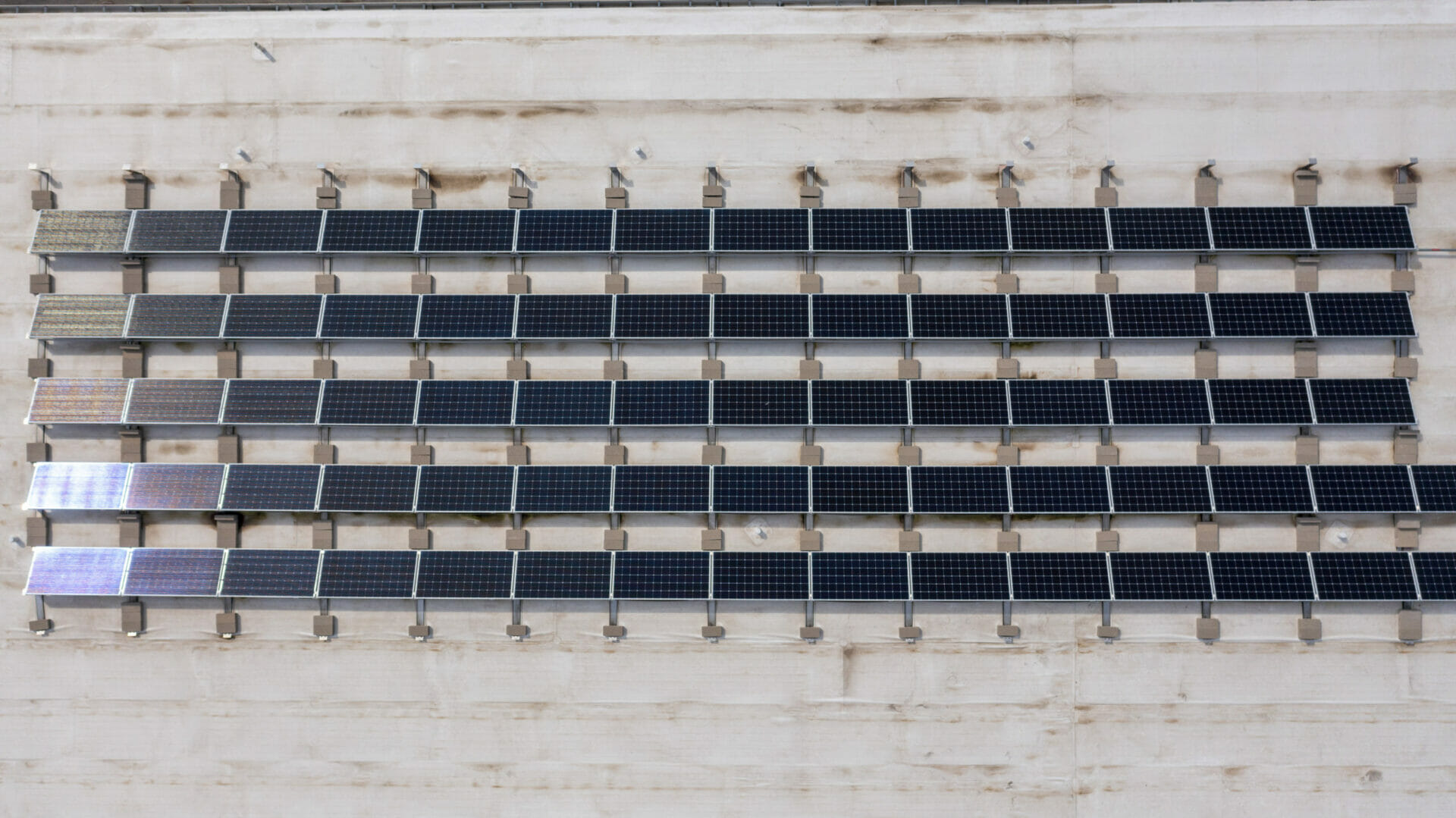
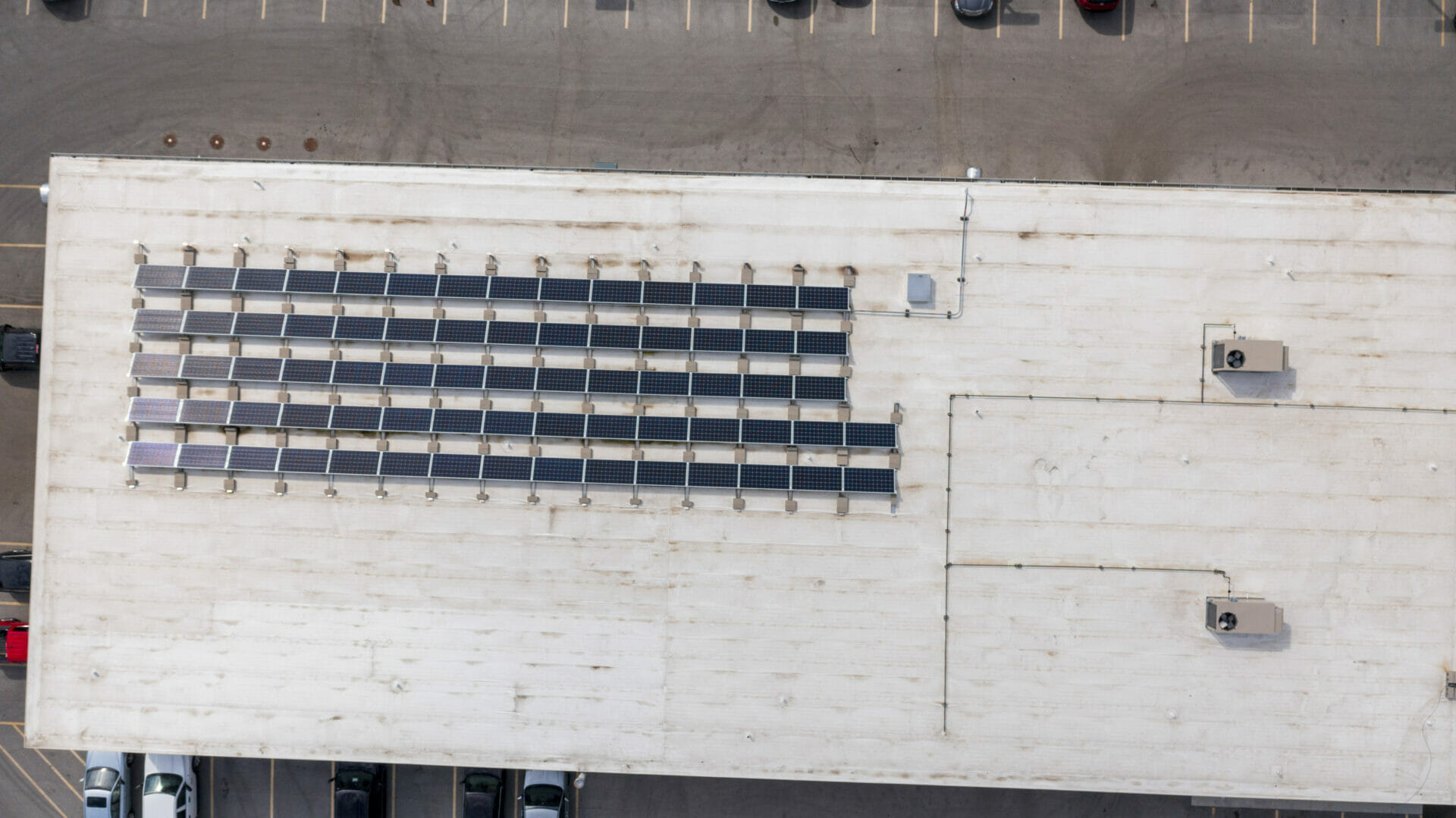
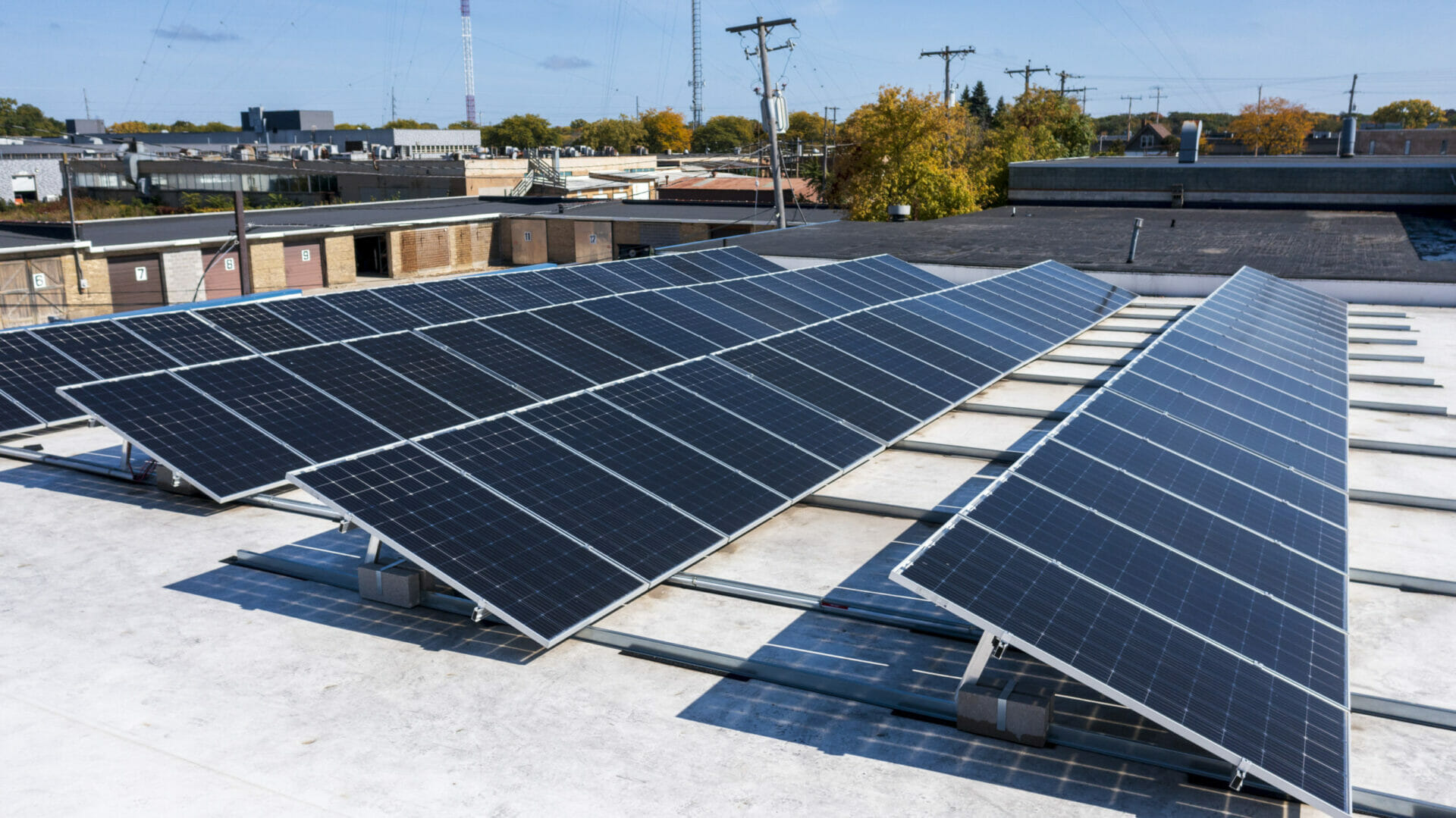
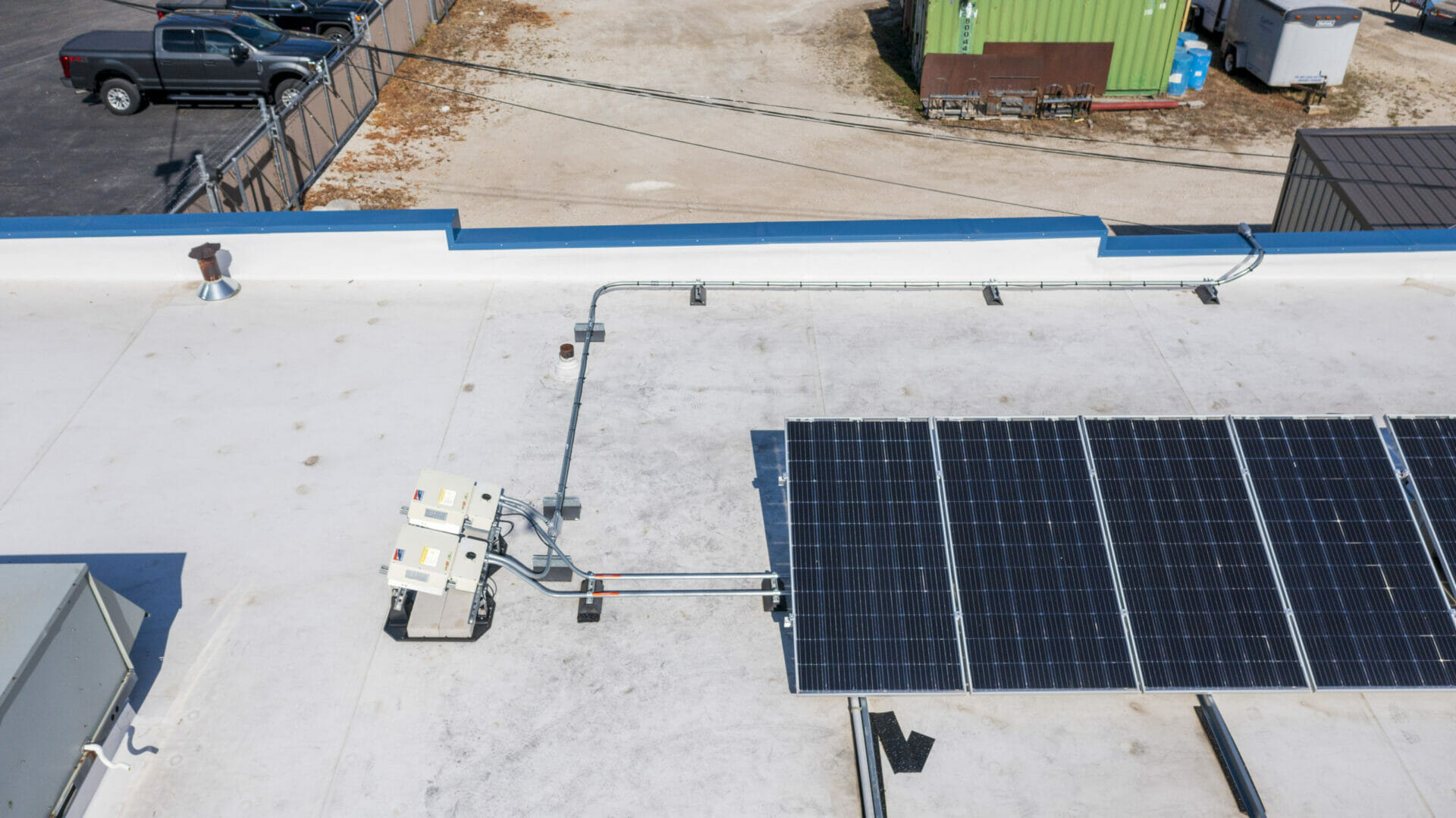
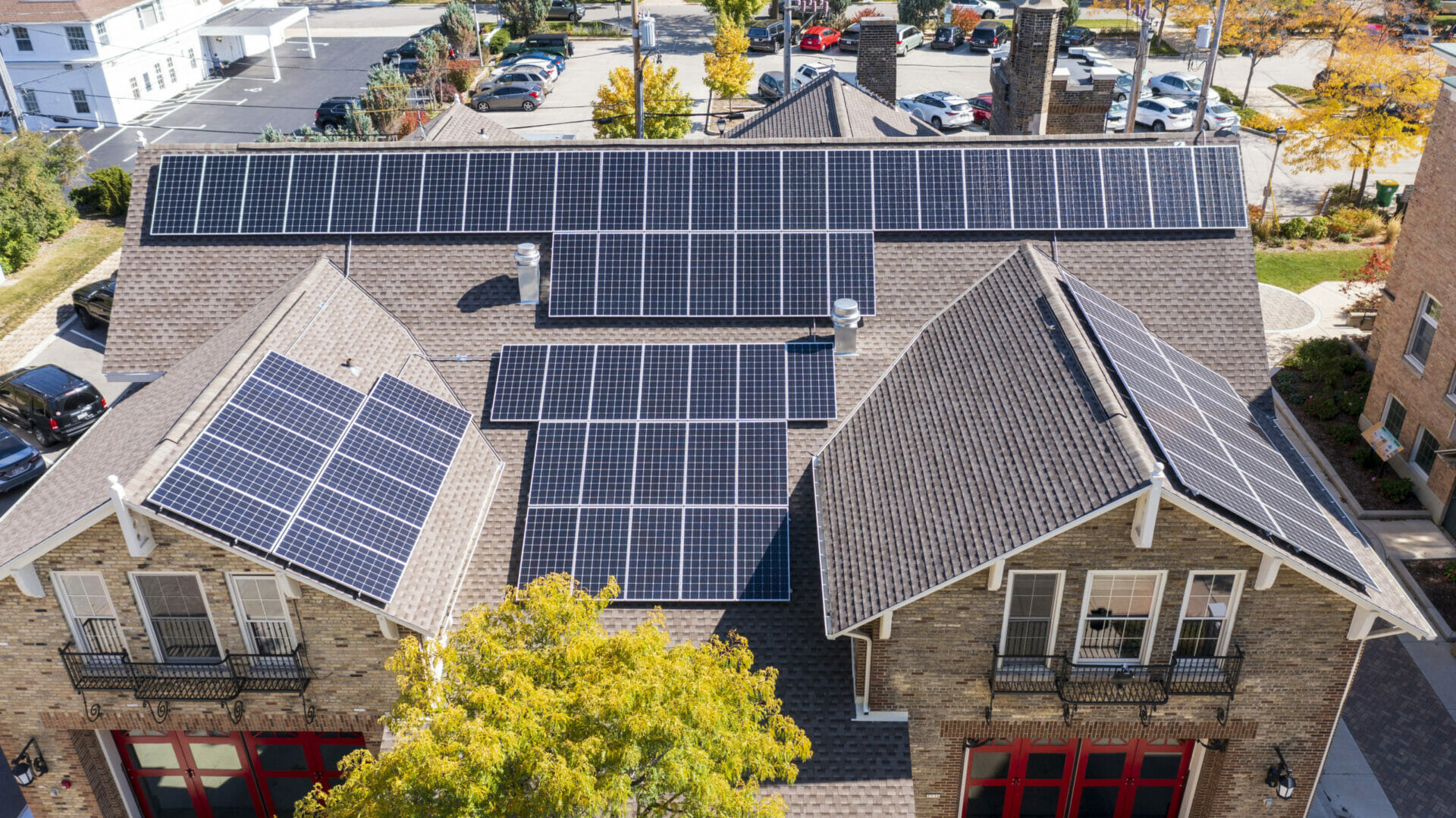
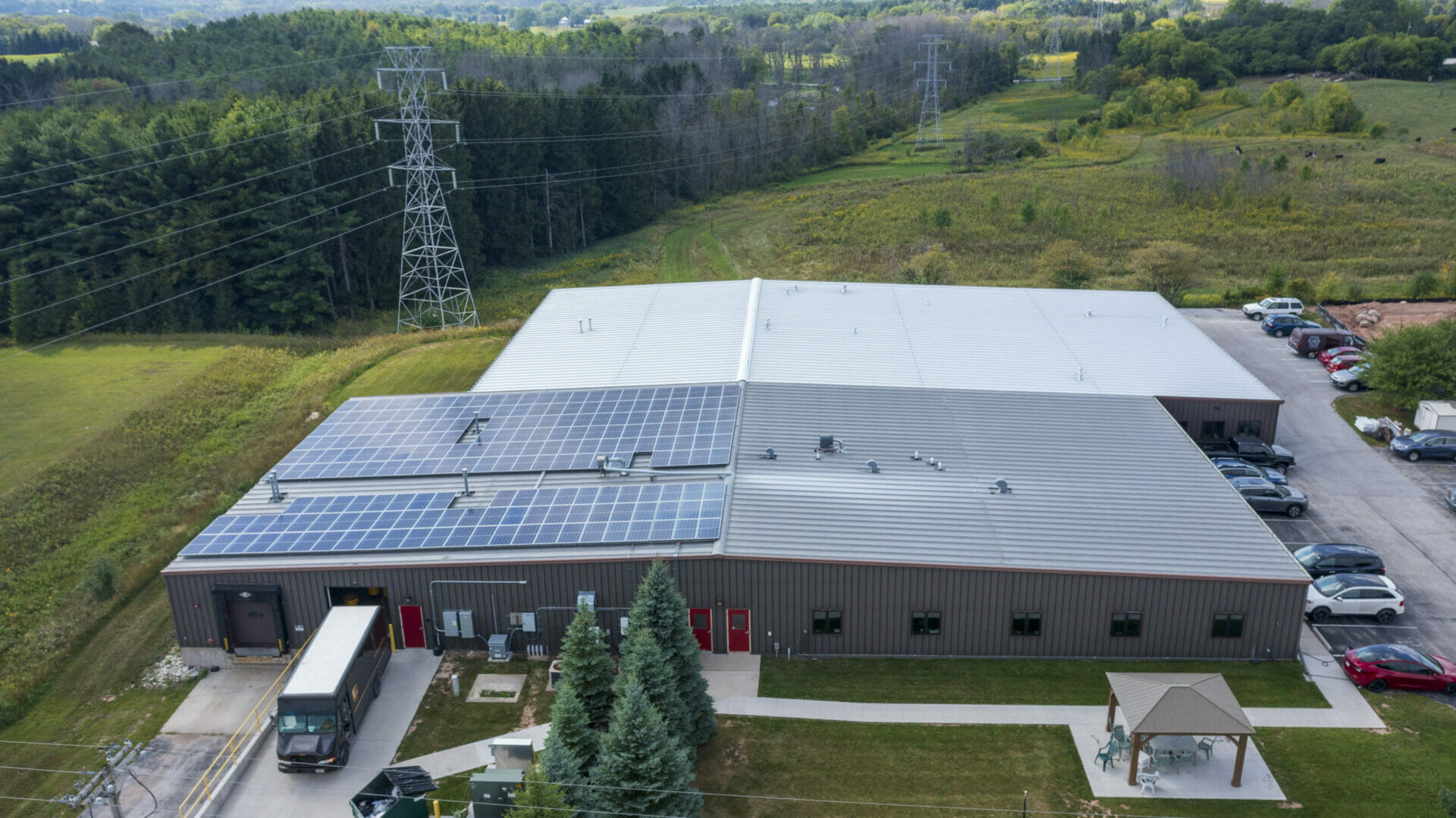
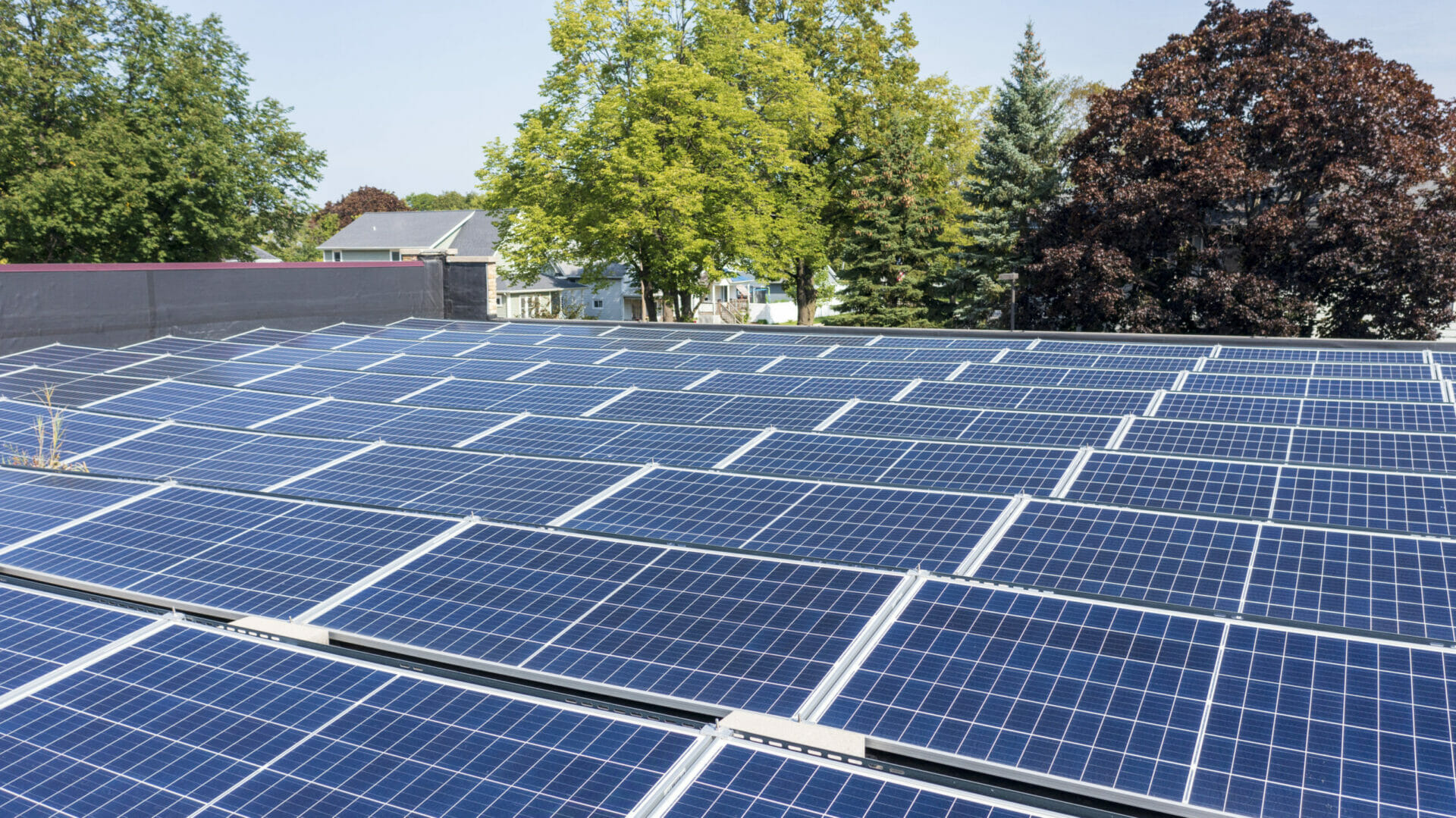
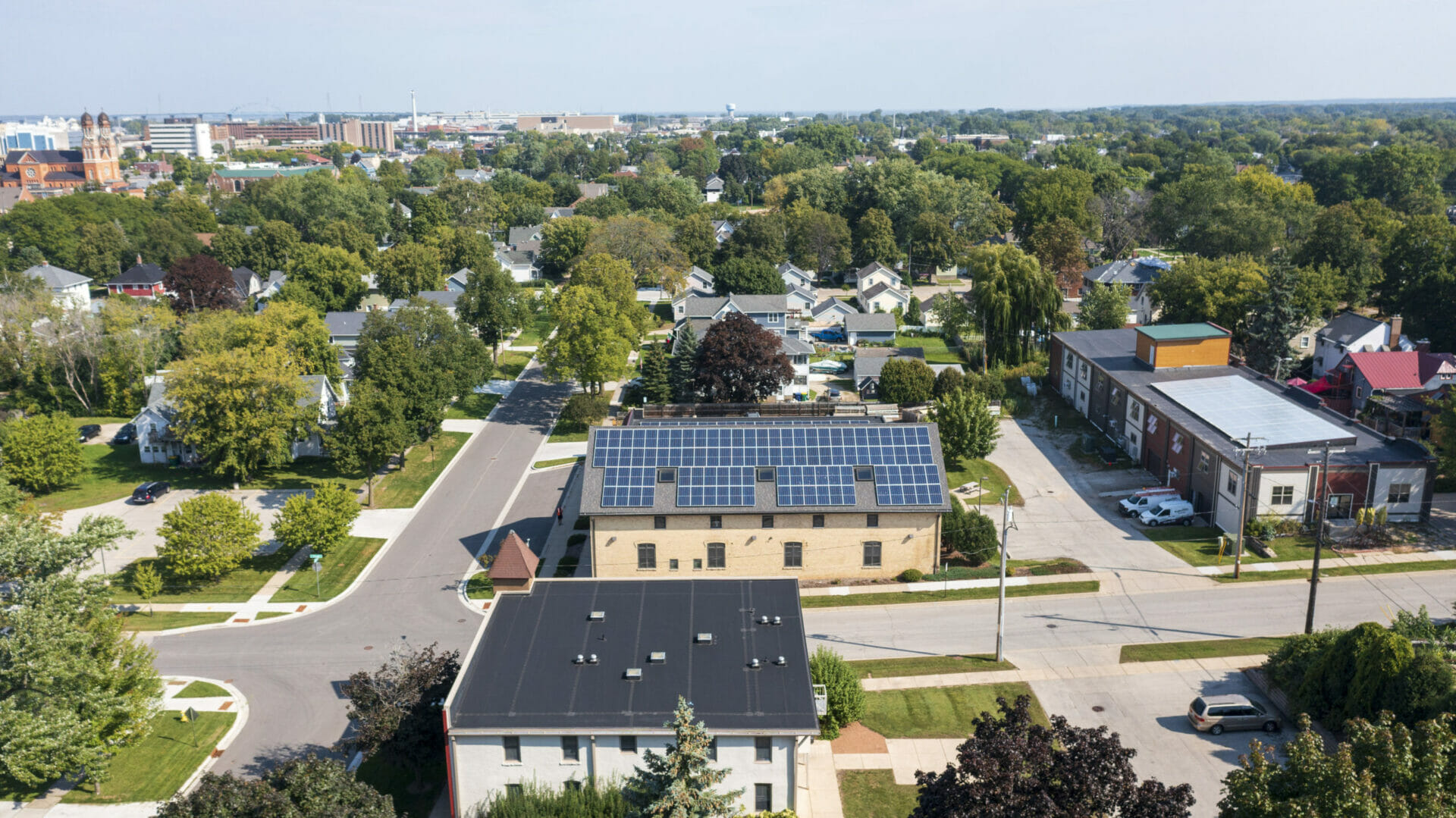
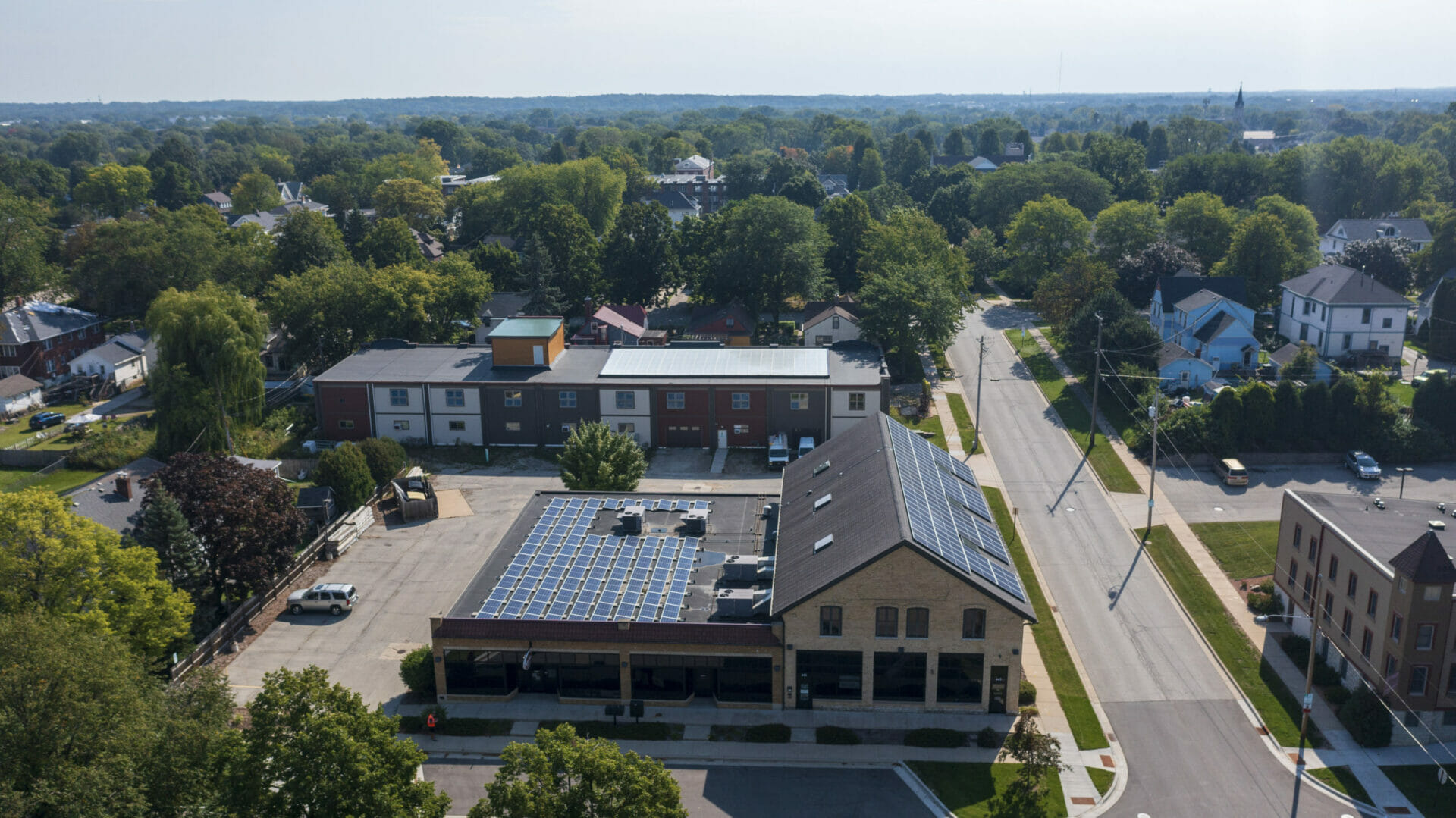
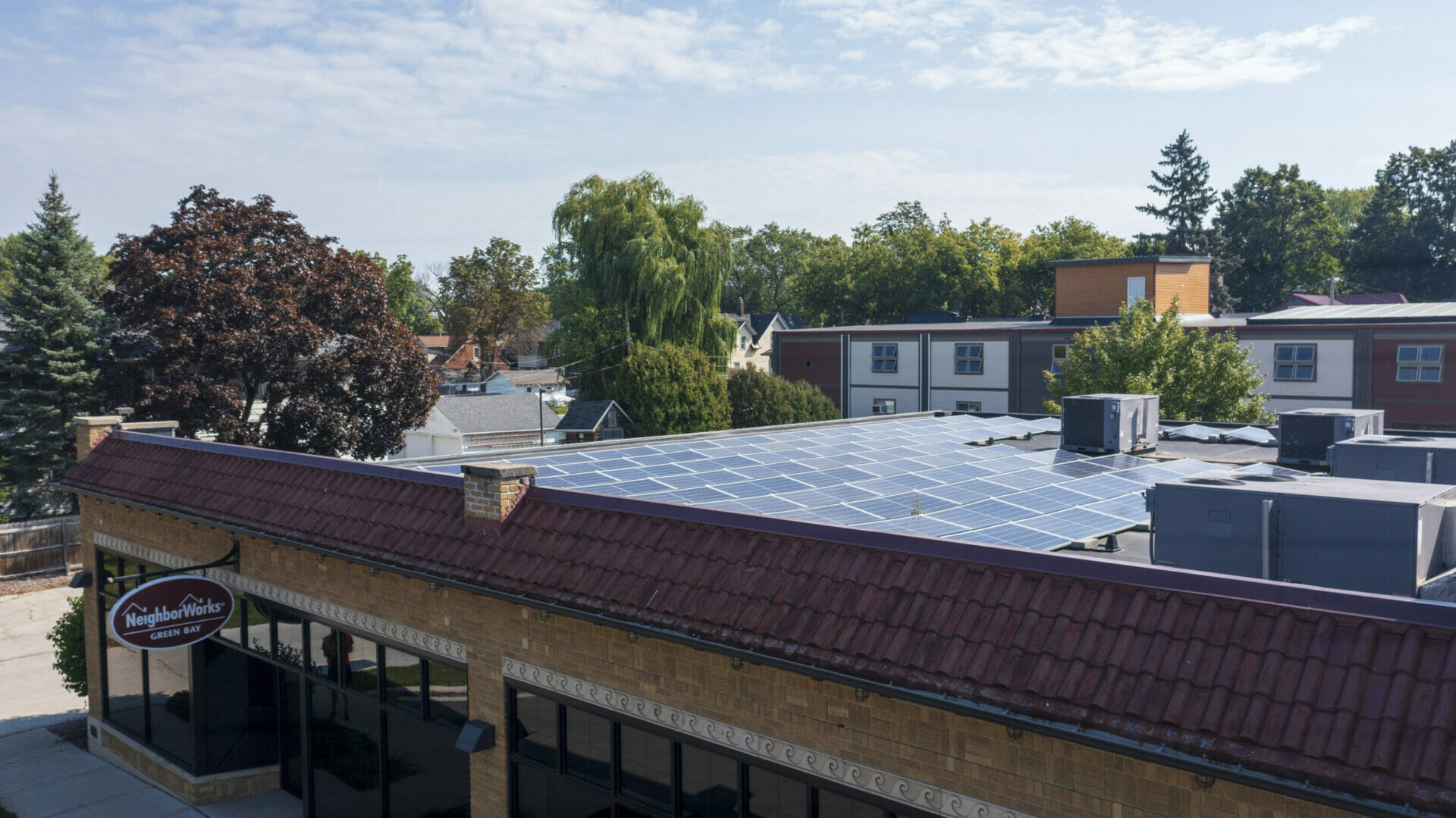
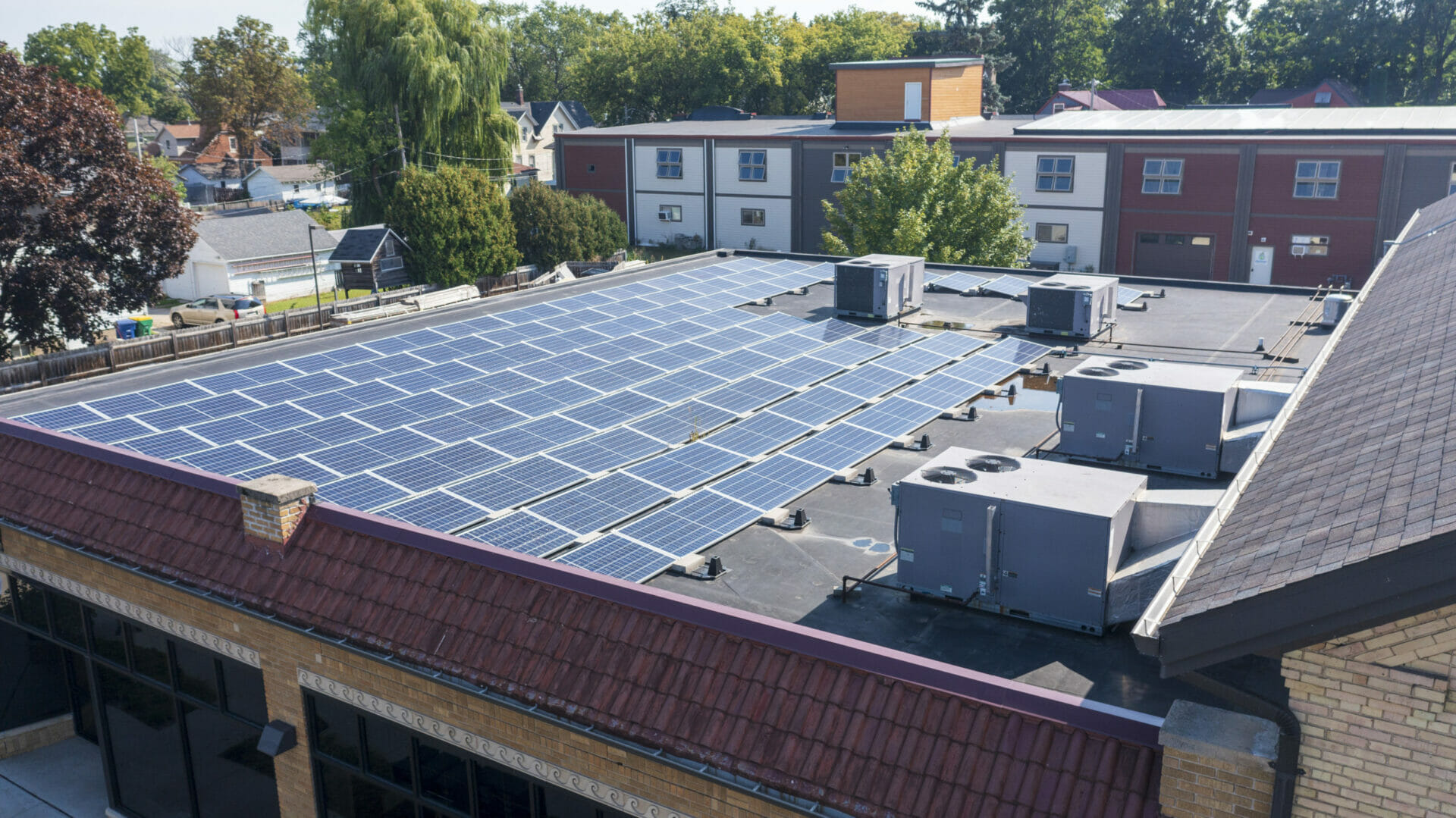
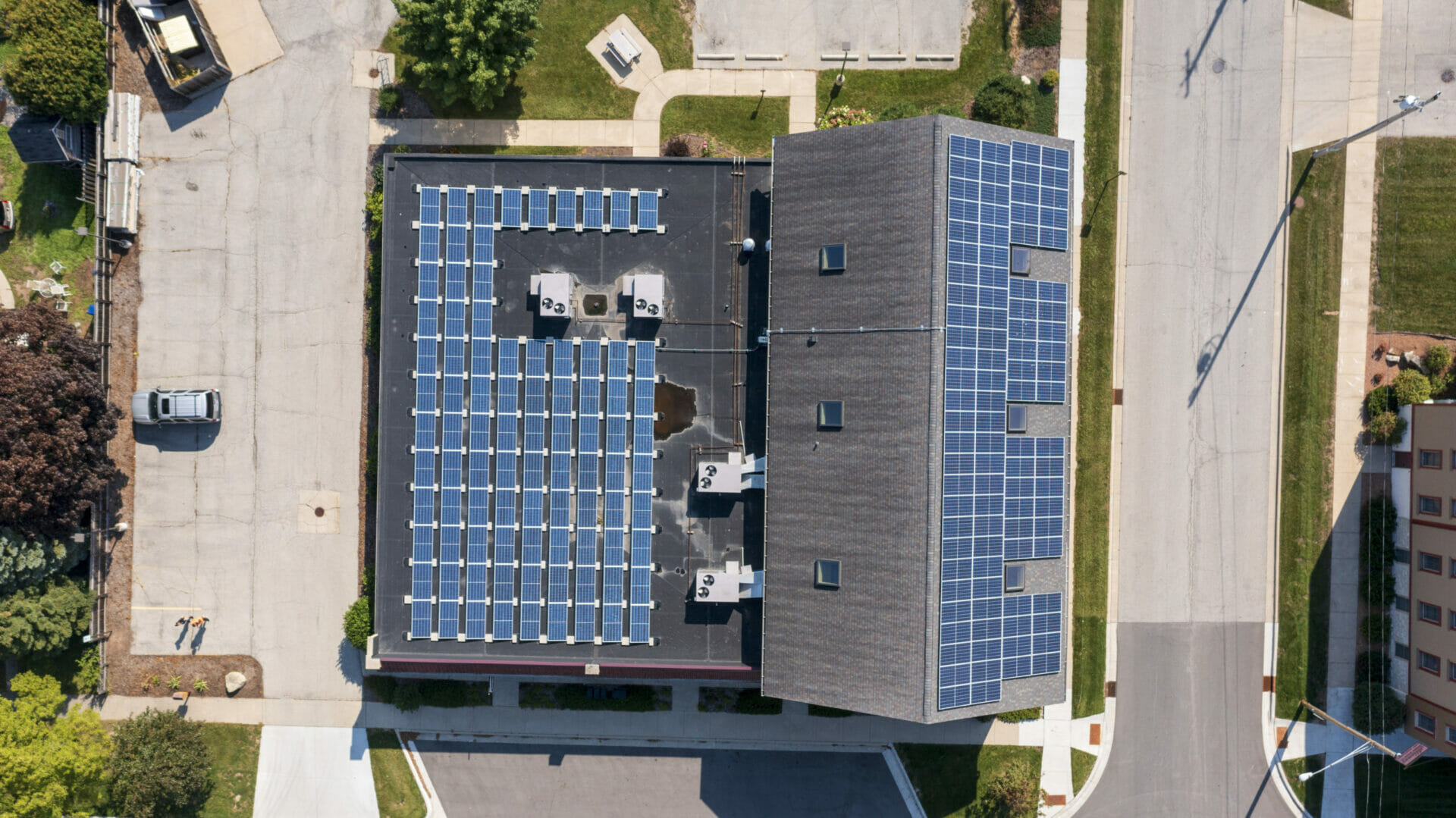
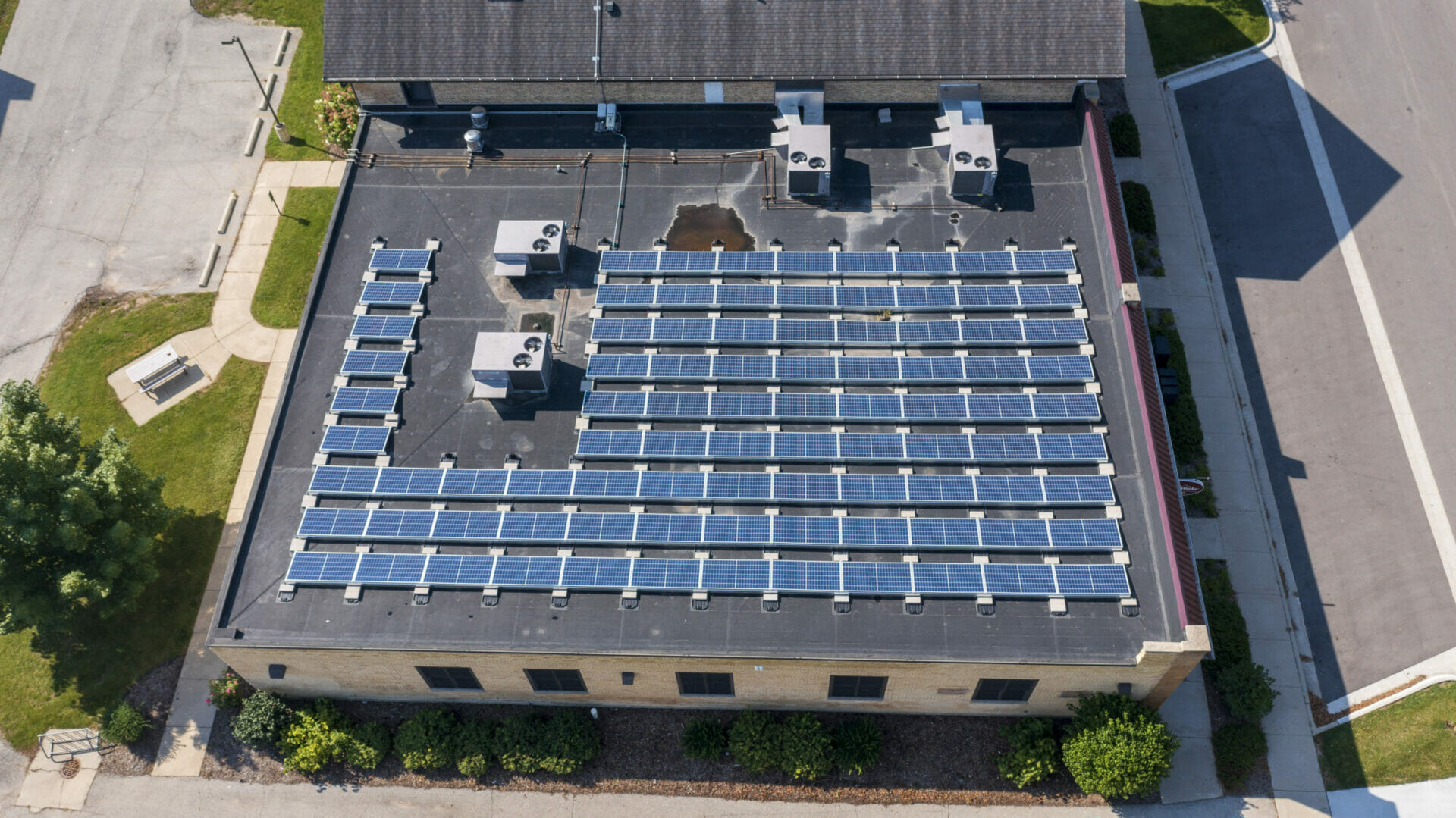
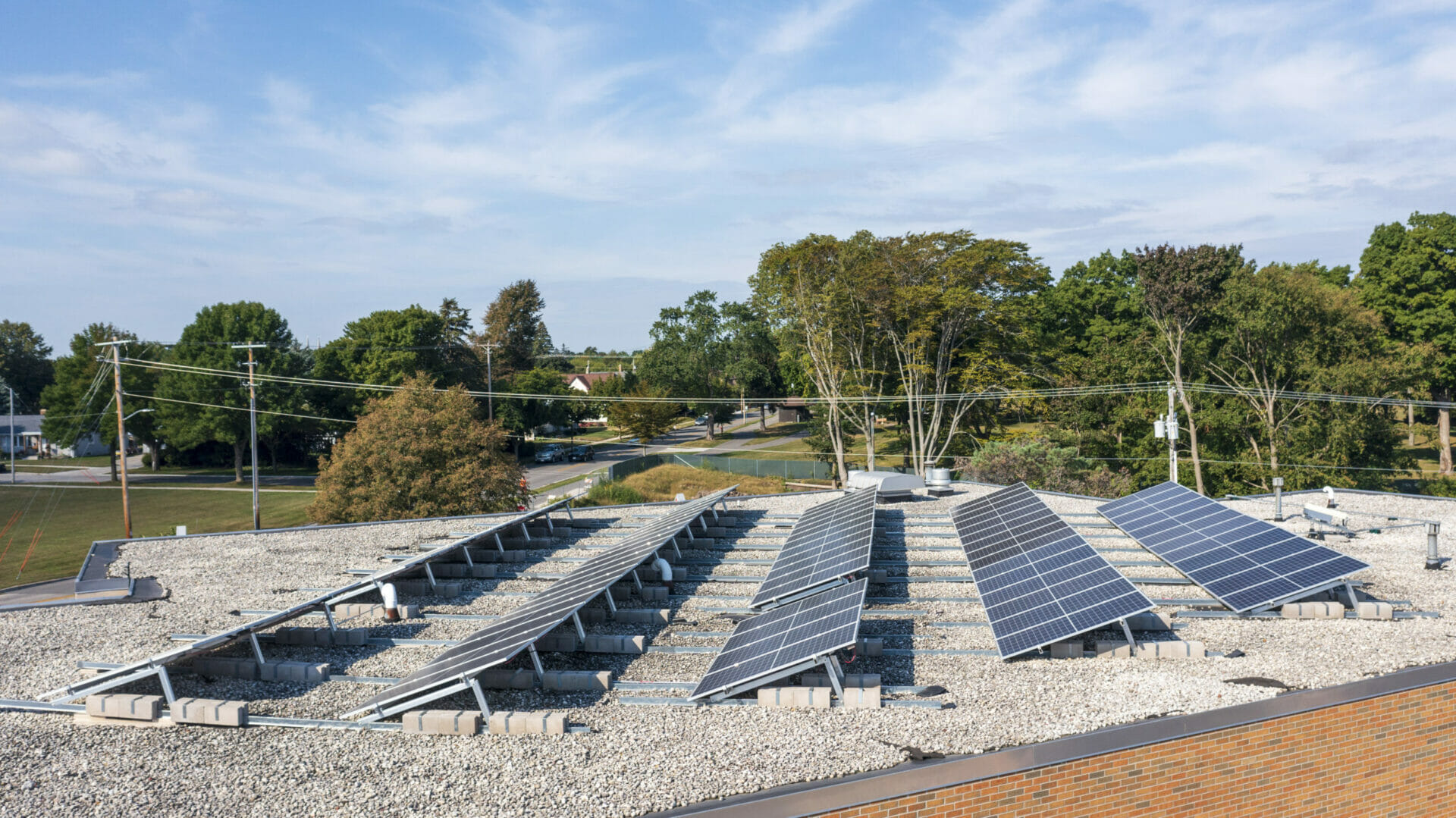
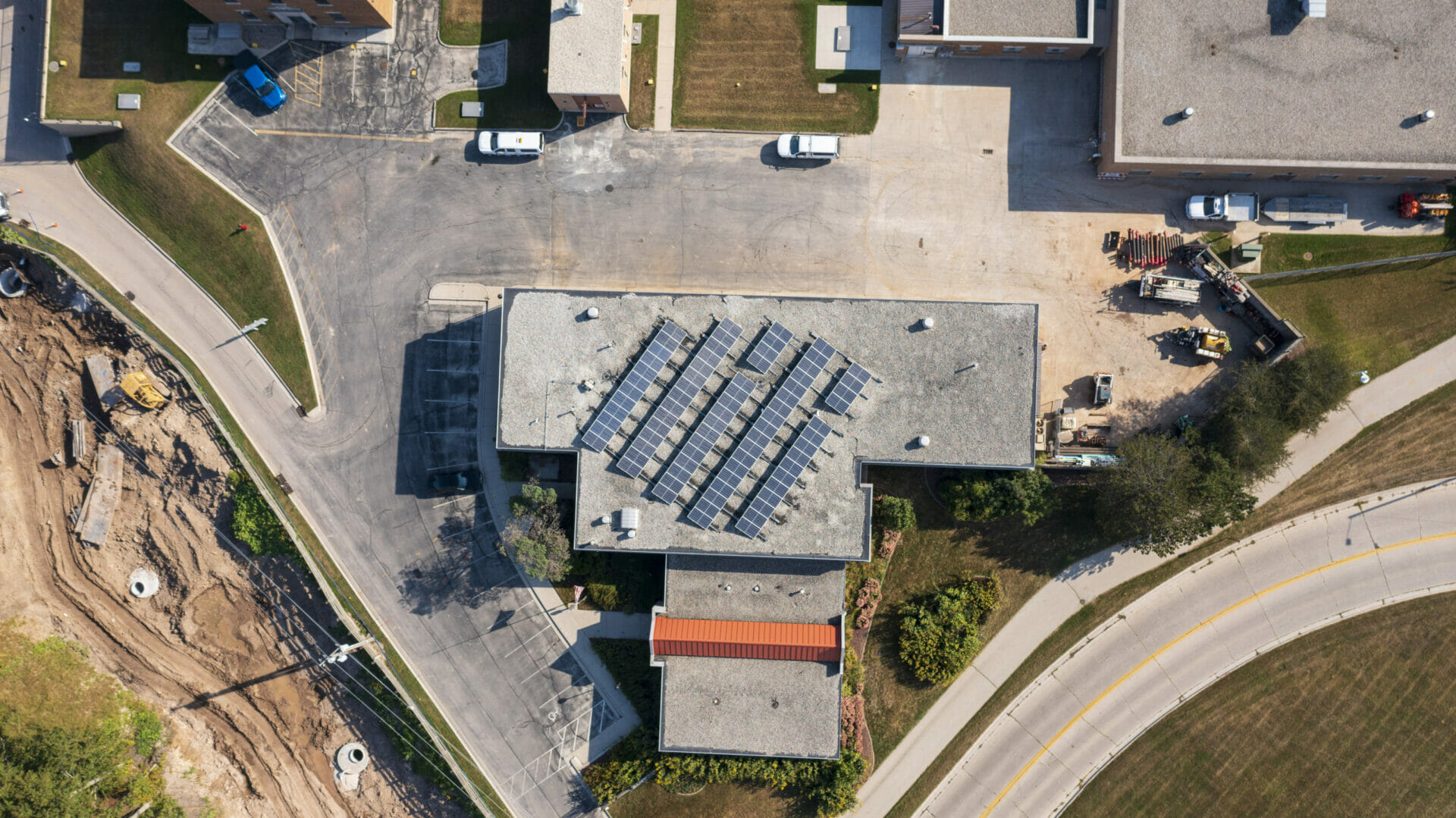
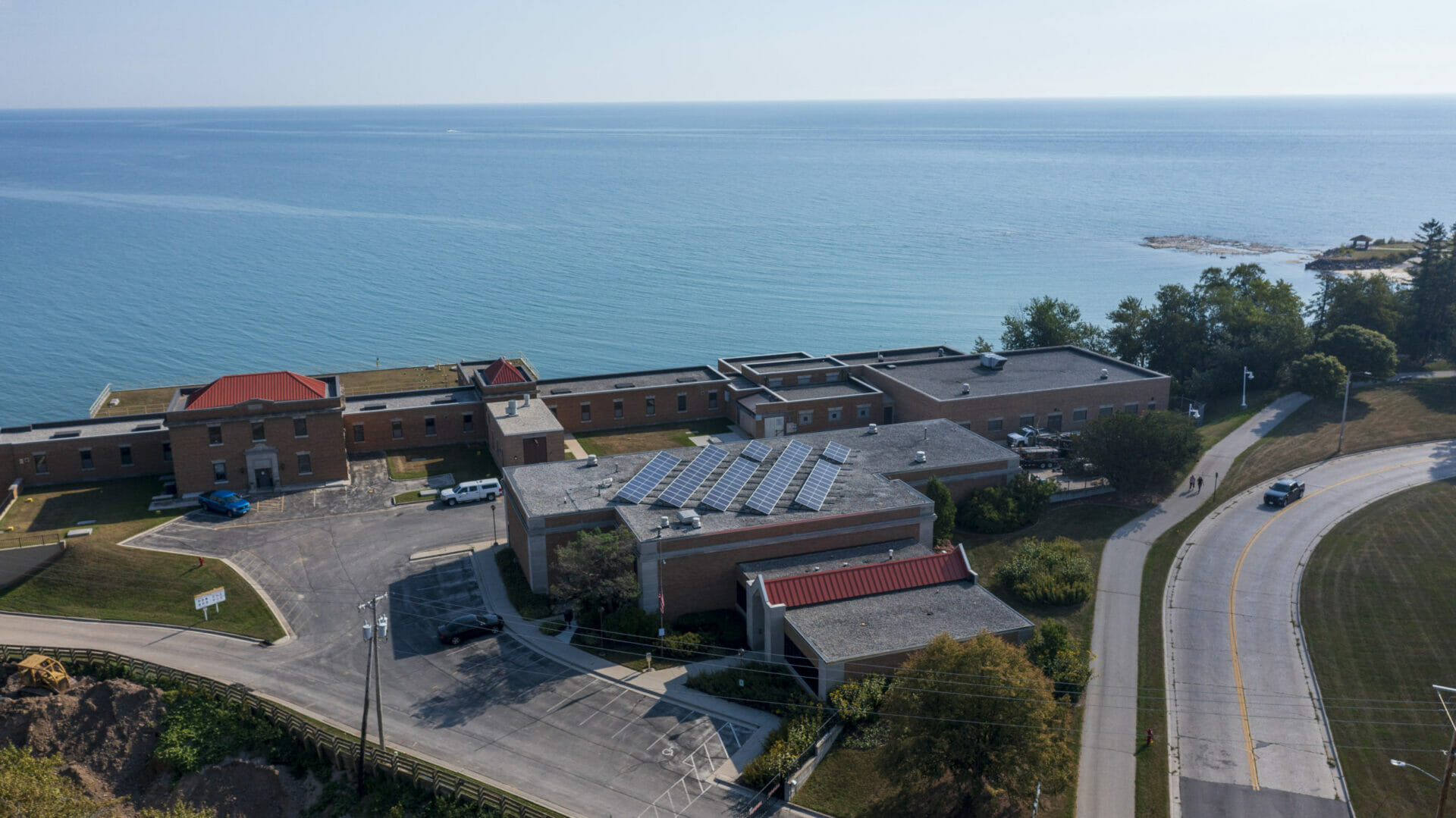
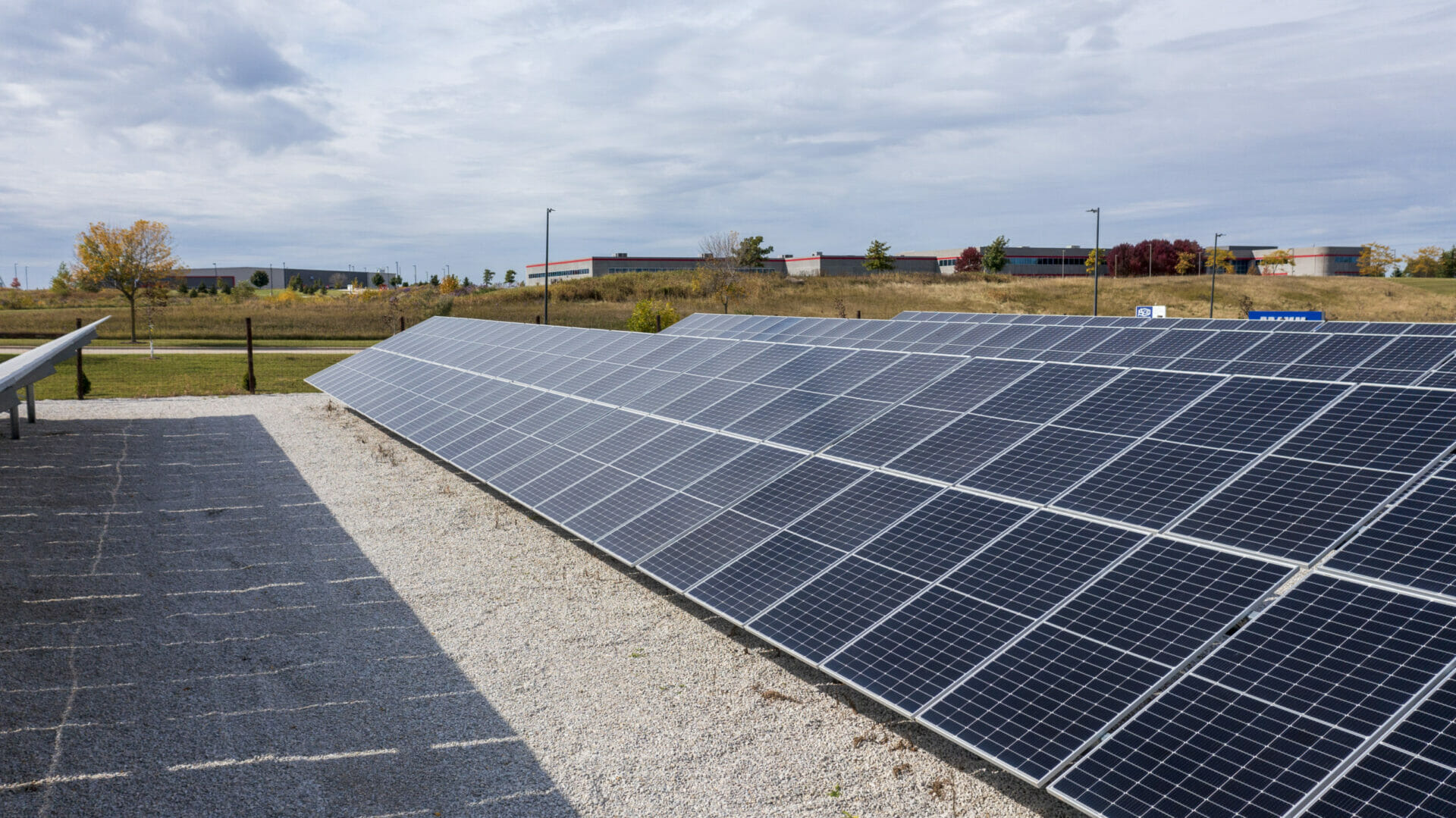
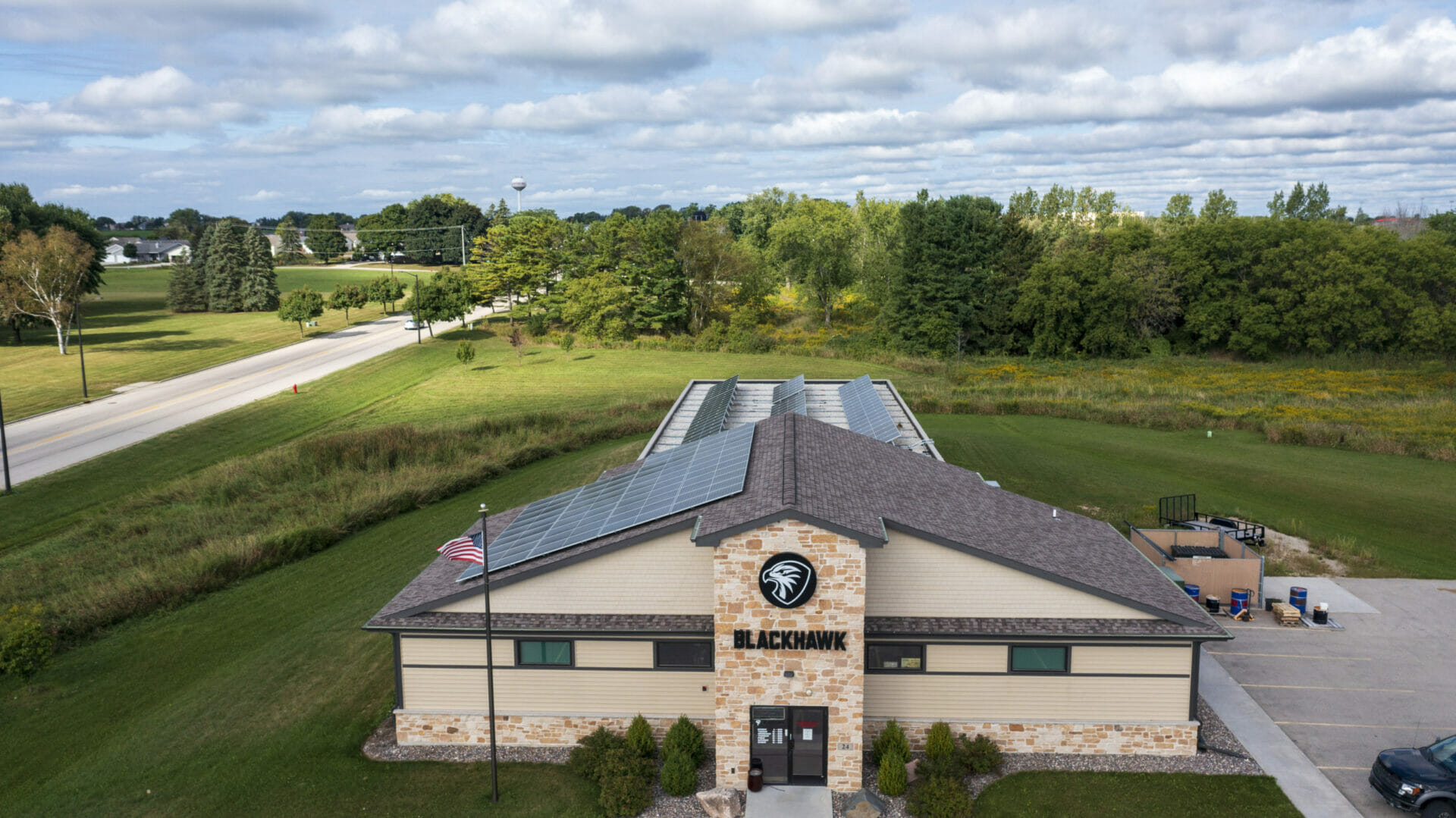
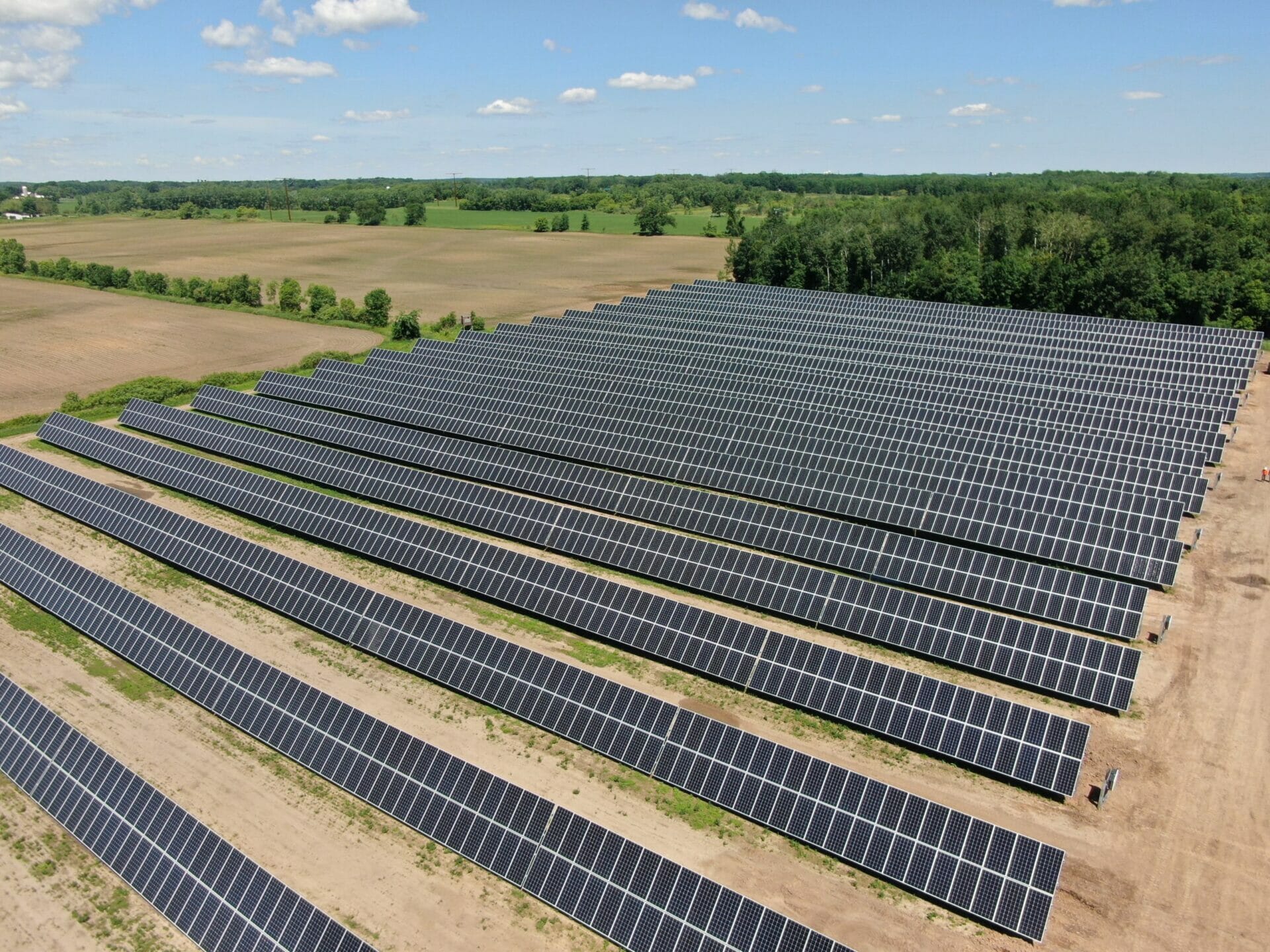
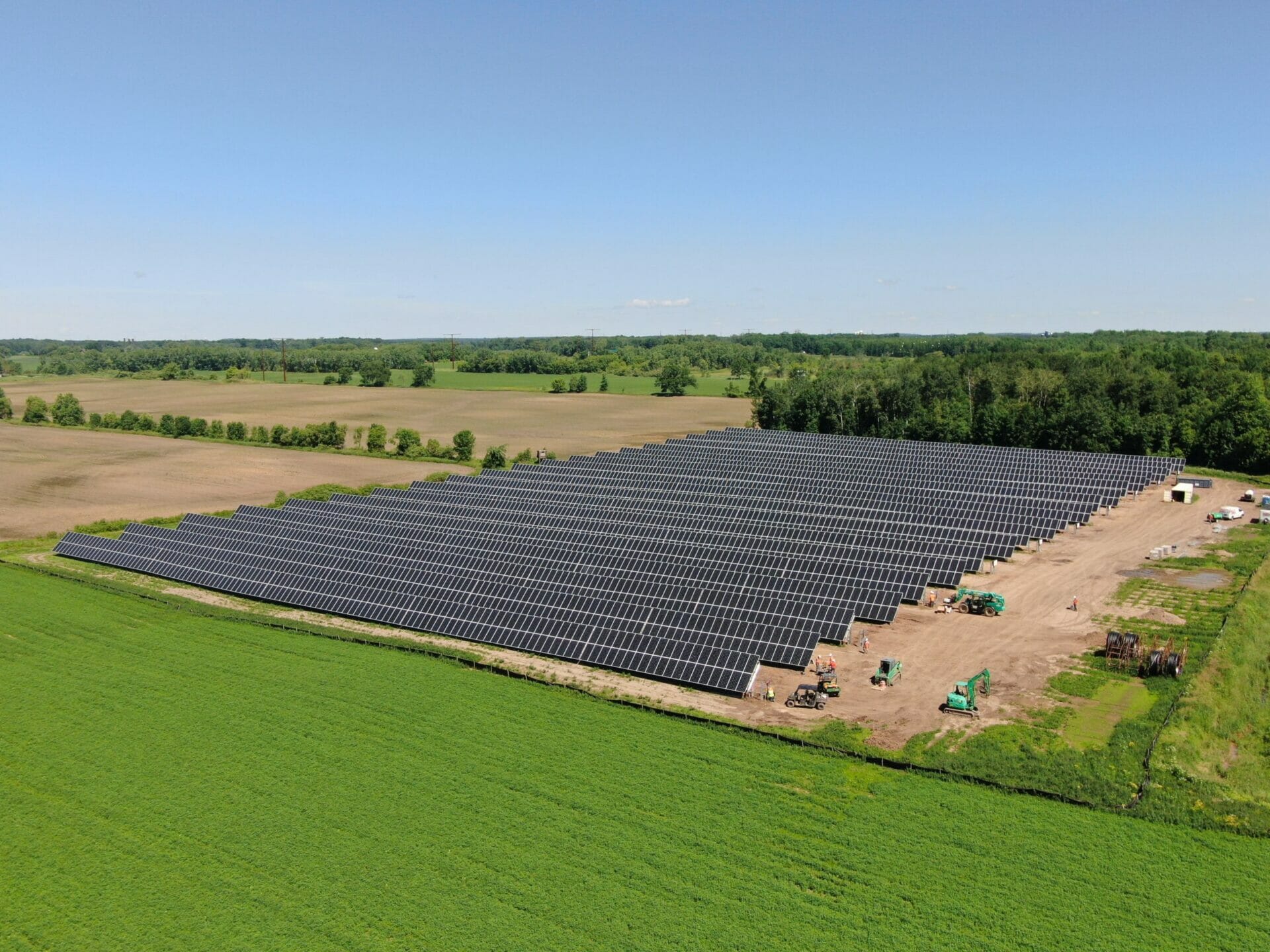
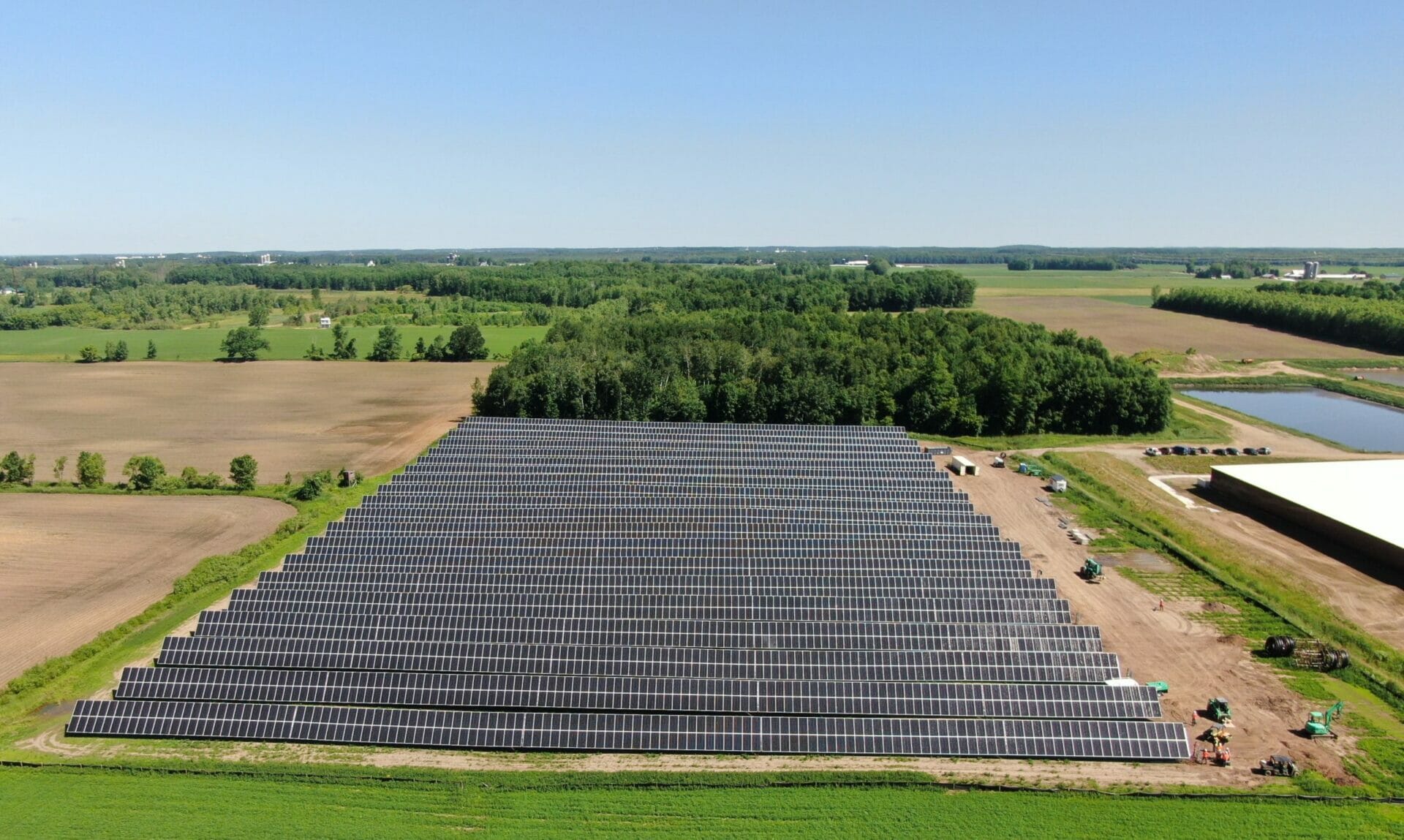
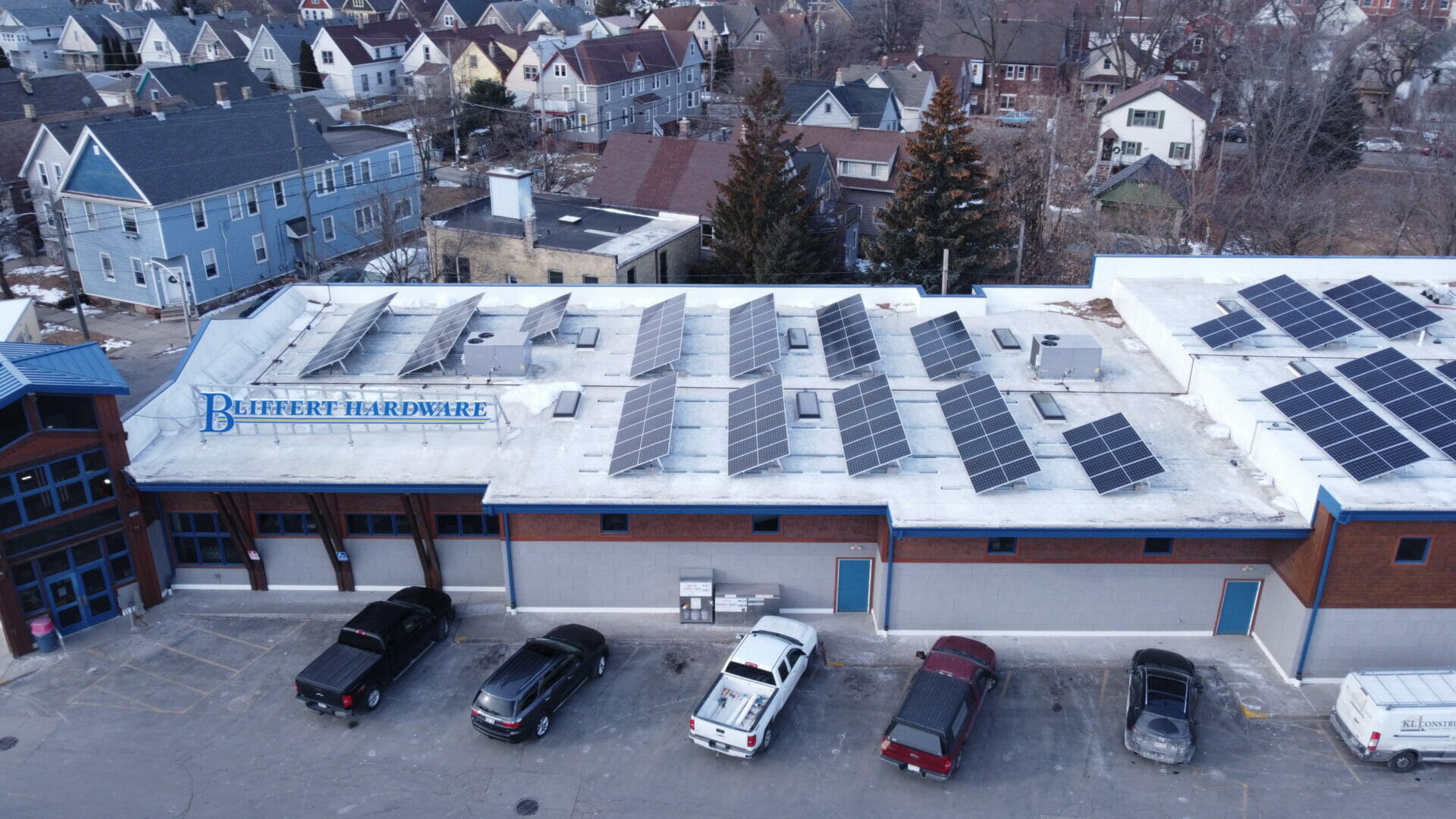
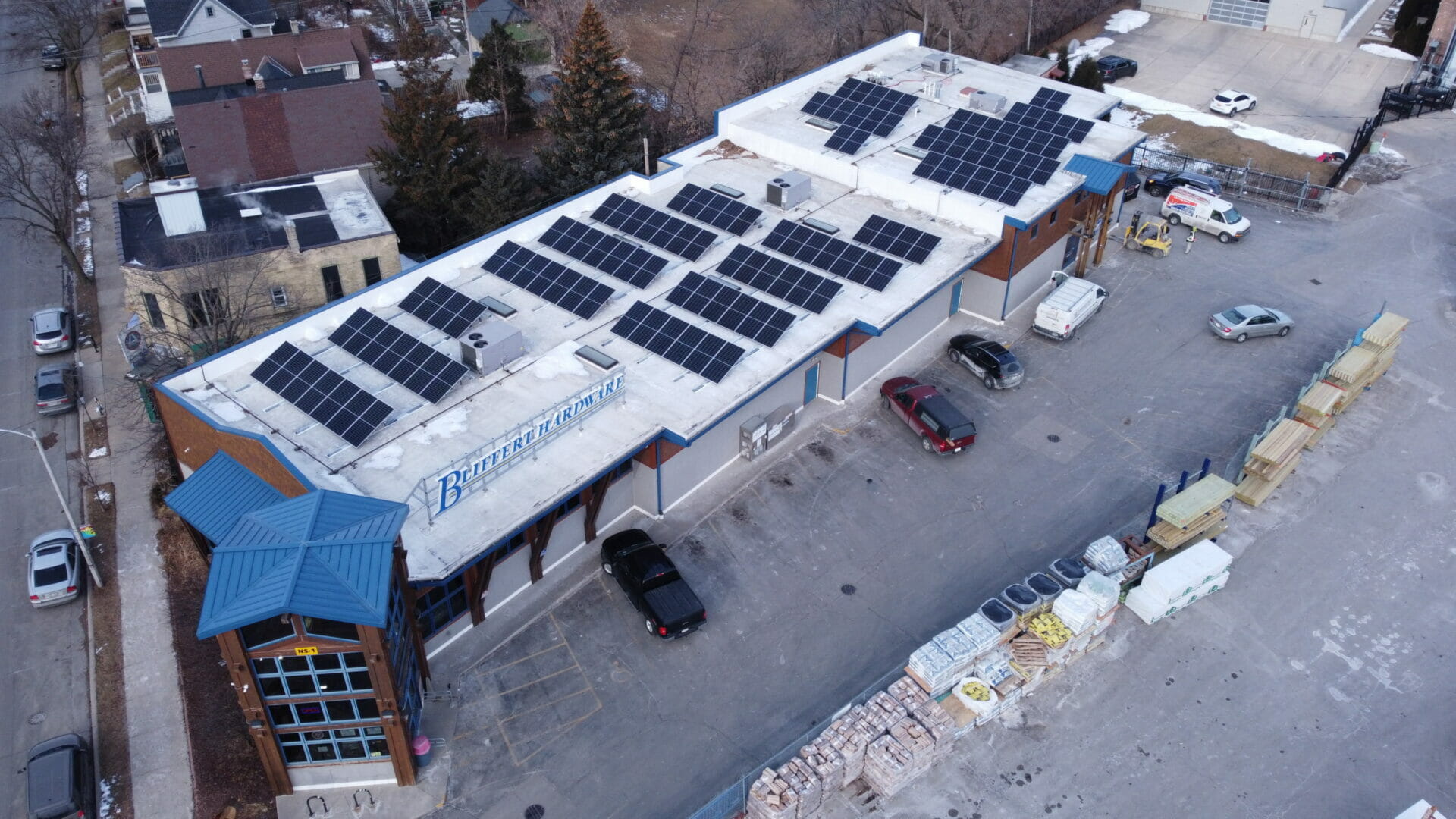
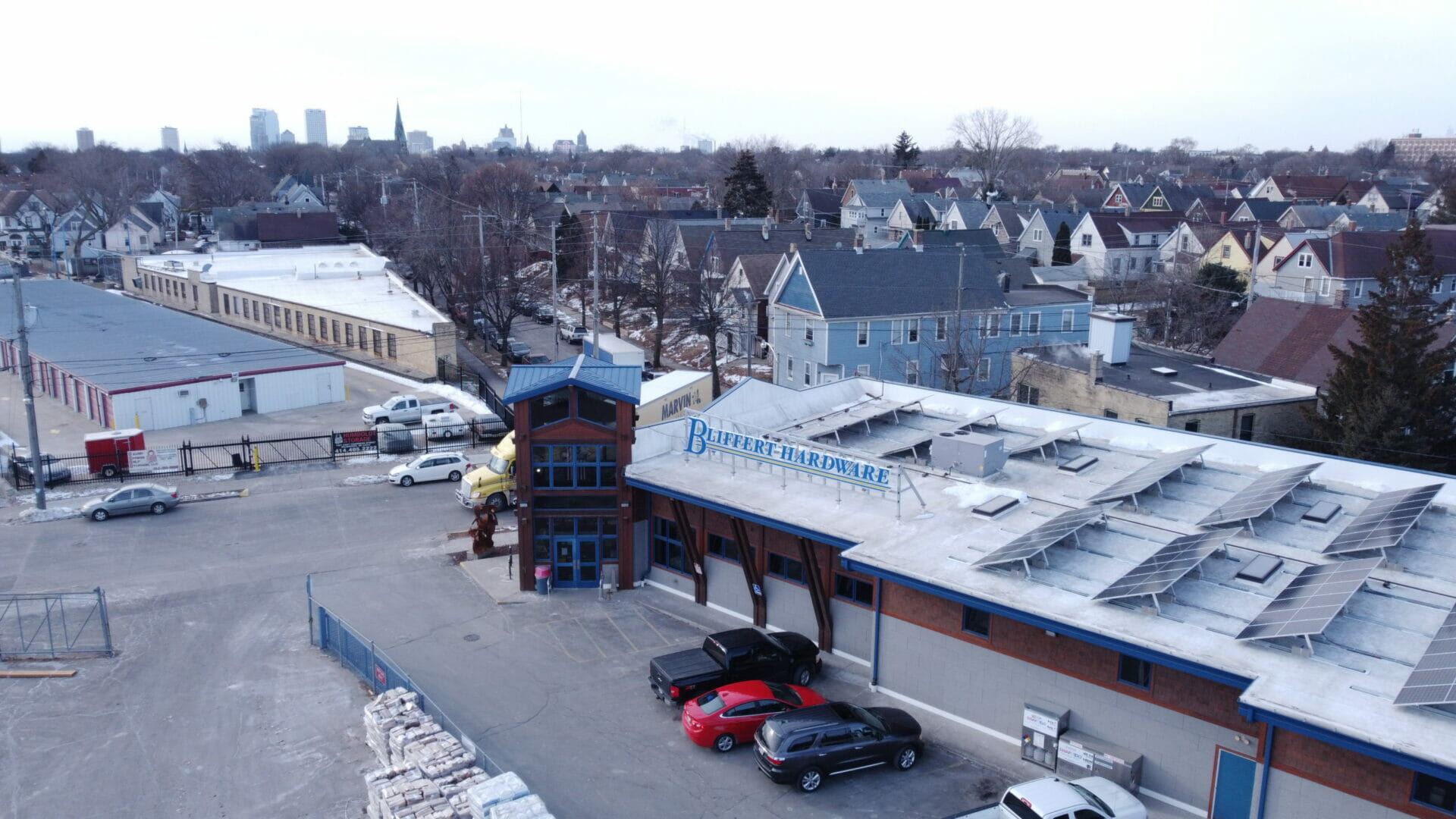
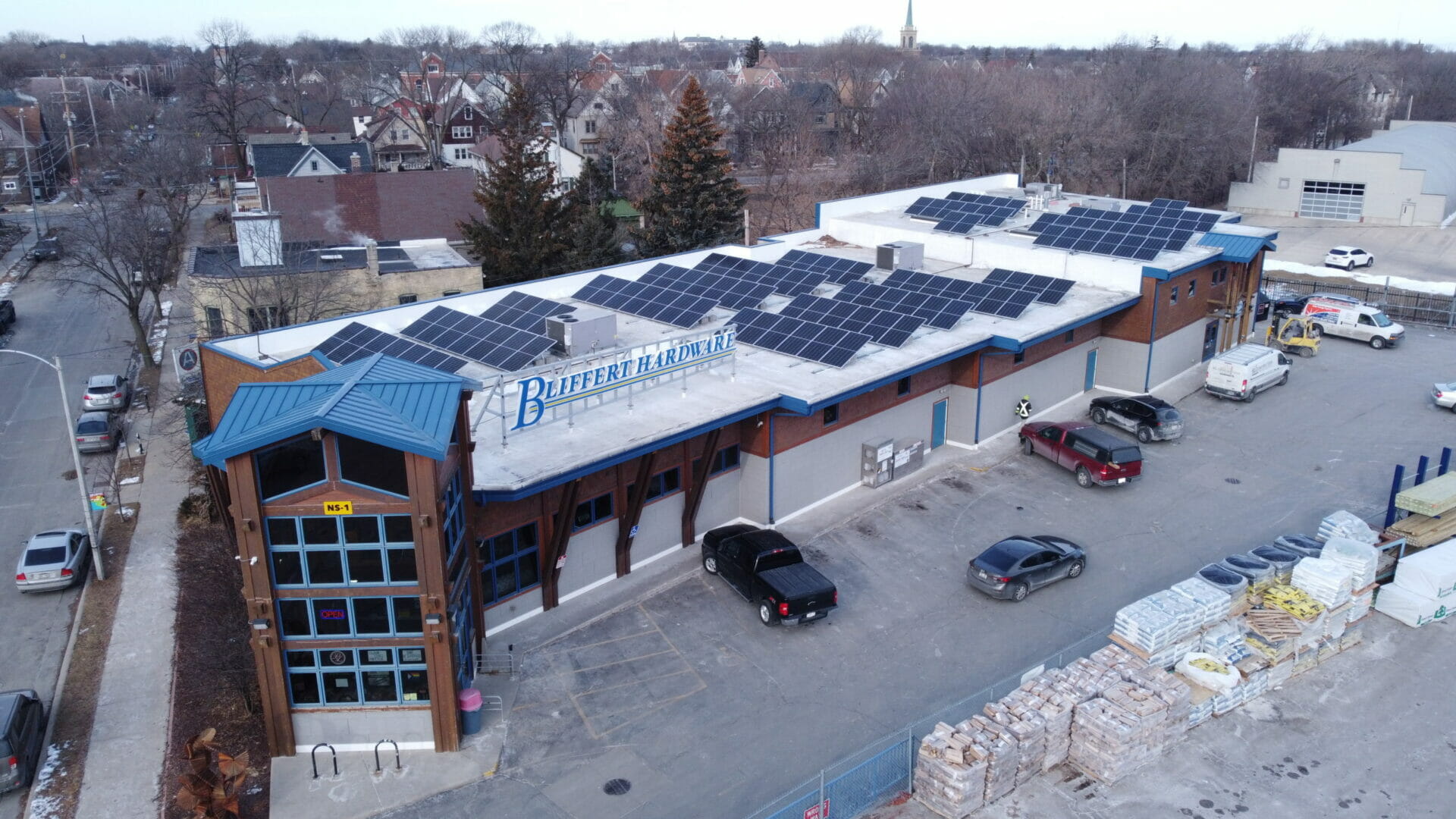
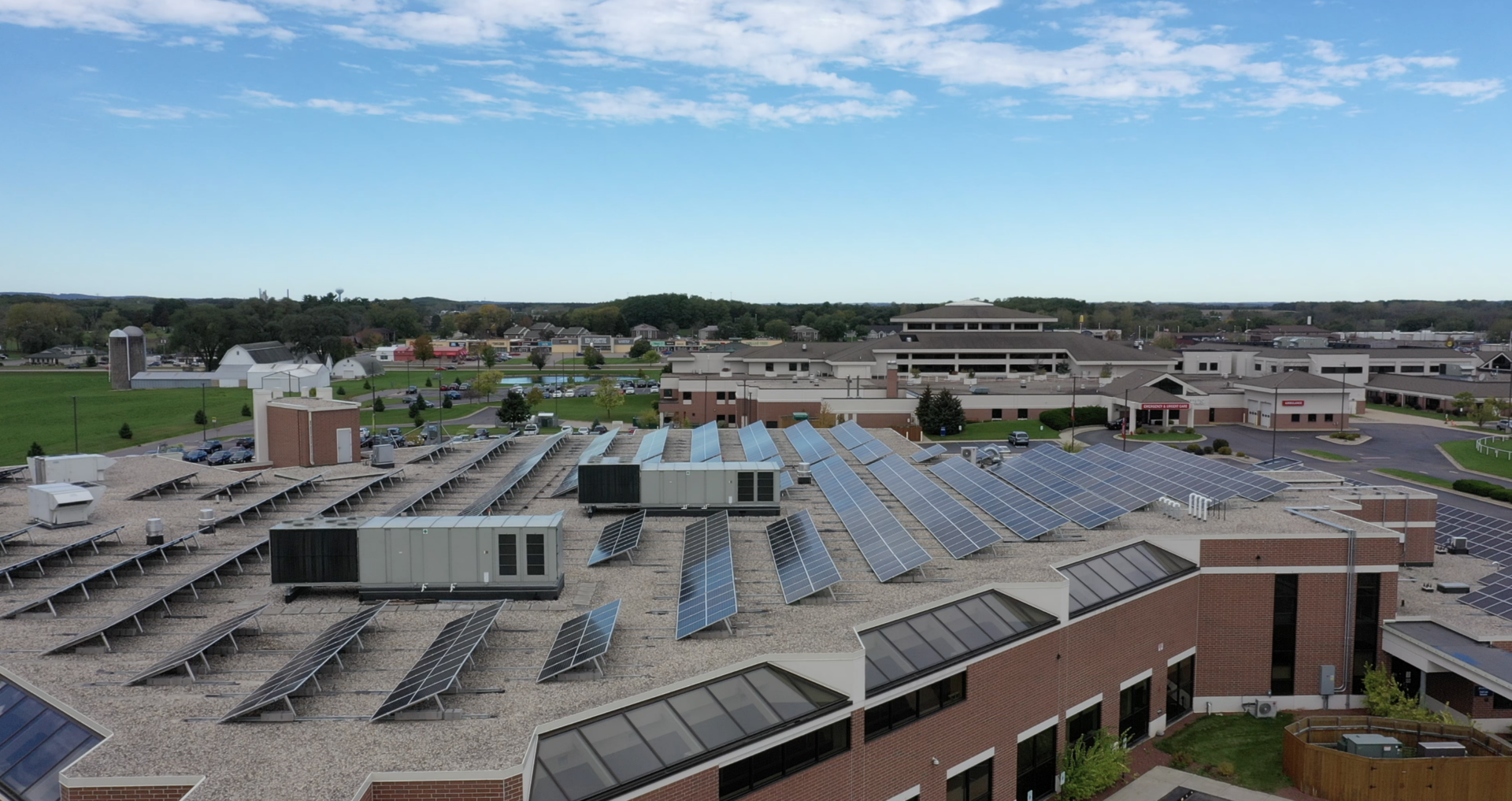
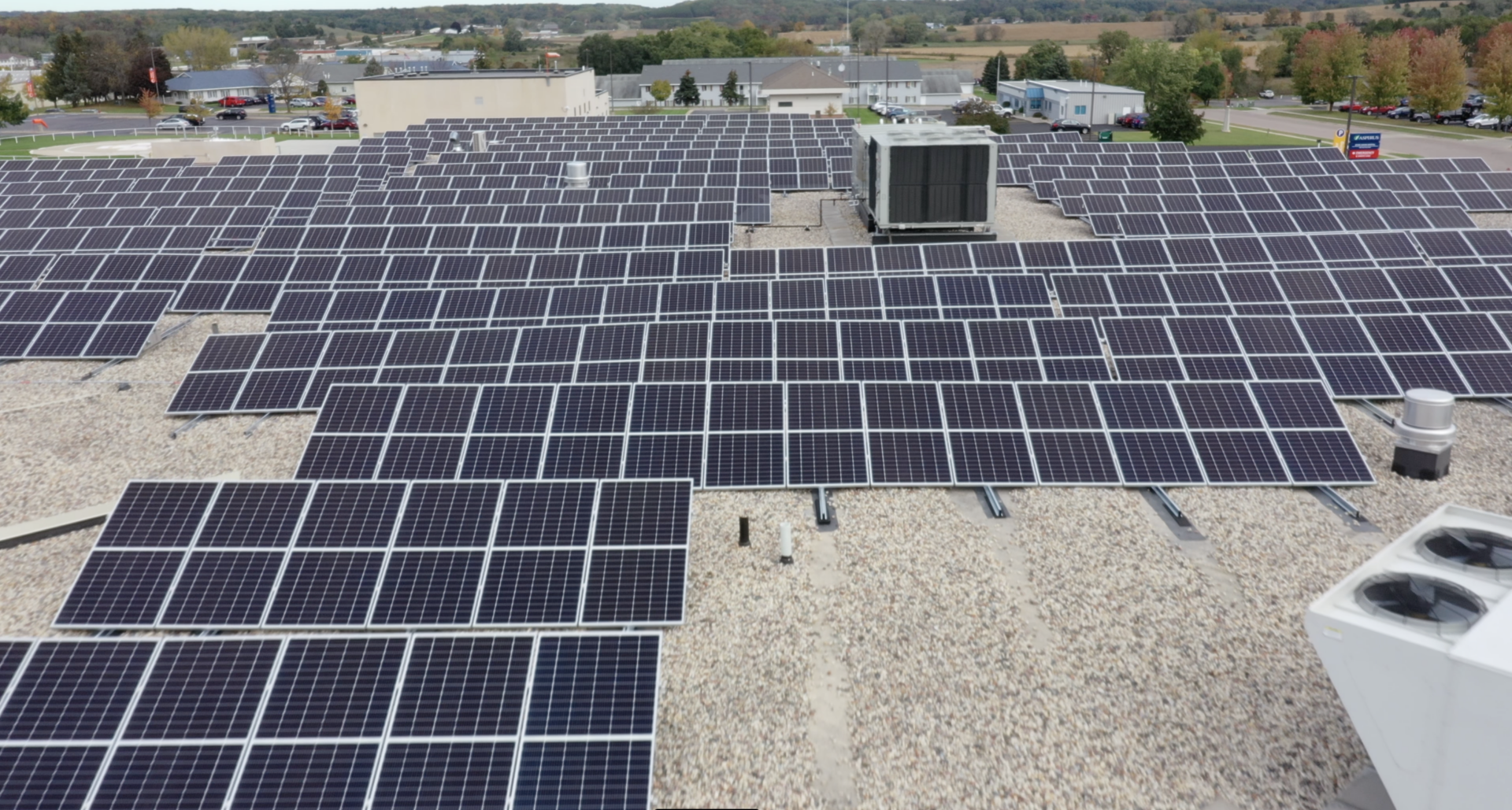
- Solar panels (residential and commercial)
- Home battery storage
- Smart thermostats (Google Nest, Ecobee)
- Electric vehicle chargers
- Heat pumps
- Smart home energy management systems (SPAN)
Using secure software, utilities or energy providers can coordinate these devices to reduce electricity demand or supply stored energy back to the grid during periods of high demand.
Rather than relying solely on traditional power plants, utilities can tap into thousands of connected locations to help balance the grid.
Think of it as neighbors working together to create one giant, flexible energy resource.
How Does It Work?

Image of virtual power plant vs traditional power plant structure from Solar United Neighbors.
Picture one of the hottest afternoons of the summer. Air conditioners are running nonstop, businesses are operating at full capacity, and electricity demand is reaching its peak.
Instead of firing up another expensive power plant, the utility provider sends a signal to participating homes.
Home batteries begin powering the home instead of drawing electricity from the grid. Smart thermostats make small temperature adjustments, and some electric vehicle chargers temporarily pause charging.
Individually, these changes are small. Together, thousands of homes can reduce grid demand by several megawatts—enough to delay or even avoid the need for additional generation.
Most programs operate as an opt-in model, so you can still override the request to change your energy use if what you currently have running is crucial. However, most homeowners opt for the small adjustments and never notice the difference.
Why Are Virtual Power Plants Entering the Scene?
Electricity demand is growing at one of the fastest rates in the last century.
Several factors are driving this increase, including AI and data center usage, increased adoption of electric vehicles, and general electrification of homes and businesses to reduce greenhouse gas emissions.
Building new power plants and transmission infrastructure takes years and billions of dollars.
Virtual Power Plants offer a faster, cleaner way to increase grid capacity by making better use of energy resources that already exist in homes.
What Are the Benefits for Homeowners?
Participating in a Virtual Power Plant can offer several advantages.
- Backup Power
If your home already has a battery, you’ll still have backup power during outages while supporting the grid during normal operation. With shifting weather events in Wisconsin, investing in storage to keep a household running during an outage is becoming more common every year.
- Compensation
Many VPP programs compensate homeowners for allowing their batteries or smart devices to participate during peak demand events. Payments may come as annual incentives, bill credits, or direct compensation, depending on the utility or program.

Annual Tesla Program Payout. Credit: r/Tesla
In California, annual earnings range up to $700, while some Massachusetts homeowners earn up to $1,375 in utility credit from their battery backup.
- Stronger Grid Reliability
Every participating home reduces stress on the electrical grid, lowering the risk of equipment overload during periods of high demand.
- Cleaner Energy
Virtual Power Plants make better use of renewable energy by storing excess solar production during the day and using it when demand is highest.
Does Wisconsin Have Virtual Power Plants?
Not on a broad residential scale, but it’s likely coming soon.
Wisconsin utilities currently offer programs such as time-of-use rates, smart thermostat incentives, and electric vehicle charging programs that encourage customers to shift when they use electricity. Homeowners can also install solar panels and battery storage systems, but there isn’t currently a statewide residential Virtual Power Plant program that aggregates home batteries for grid support. Some Wisconsin utilities, such as Alliant Energy, are testing out a VPP model with battery storage.
However, interest in distributed energy resources is growing across the Midwest. Utilities are investing in battery storage, and the increasing demand for electricity is prompting discussions about new ways to manage the grid. As more homeowners install battery systems, Wisconsin could become a strong candidate for future VPP programs.
Is a Home Battery Worth Considering Today?
Even though Wisconsin doesn’t yet offer widespread residential Virtual Power Plant participation, installing a battery today can still provide meaningful benefits.
A home battery can:
- Provide backup power during outages.
- Store excess solar energy for use after sunset.
- Reduce reliance on the grid during expensive or high-demand periods.
- Position your home to participate if Wisconsin launches a residential VPP program in the future.
Many battery manufacturers, including Tesla, FranklinWH, and Enphase, already support Virtual Power Plant technology in states where programs are available. As Wisconsin begins to test the Virtual Power Plant model, homes with solar and storage will be ready to receive more savings from their storage system with just the touch of an enrollment button.
The Future of Energy Starts at Home
The electric grid is evolving from a one-way system into a connected network of homes, businesses, and renewable energy resources working together.
Virtual Power Plants represent one of the most exciting opportunities for homeowners to play an active role in strengthening the grid while potentially earning financial benefits. The question is no longer if Virtual Power Plants will become part of Wisconsin’s energy future, but when Virtual Power Plants will appear as a standard option for all utility providers.
Homeowners who invest in solar and battery storage today are preparing for a future where they actively participate in powering their communities.