This Milwaukee Business Journal “Table of Experts” discussion explores how southeastern Wisconsin businesses are increasingly moving from sustainability planning to measurable action, with leaders across energy, construction, manufacturing, and real estate describing sustainability as both an environmental responsibility and a long-term business strategy. The roundtable examines how companies are adapting to changing energy demands, rising customer expectations, and economic pressures while continuing to invest in cleaner technologies and more efficient operations.
One of the featured participants is Arch Solar, who shared insight into the rapid growth of Wisconsin’s renewable energy market and the evolving role solar power plays in business operations. Company representatives explained that many organizations are no longer approaching sustainability solely as a branding effort. Instead, businesses are pursuing renewable energy projects because they provide practical financial benefits, including lower operating costs, energy stability, and protection from long-term utility price increases. Arch Solar noted that solar energy has become increasingly attractive to commercial and industrial clients looking to strengthen both profitability and environmental performance.
The discussion also focuses on the challenges companies face while transitioning toward cleaner energy systems. Panelists pointed to regulatory uncertainty, supply chain disruptions, workforce shortages, and evolving federal incentives as major issues affecting sustainability planning. Despite these concerns, participants expressed optimism that technological advancements and increased public awareness are helping accelerate momentum across multiple industries.
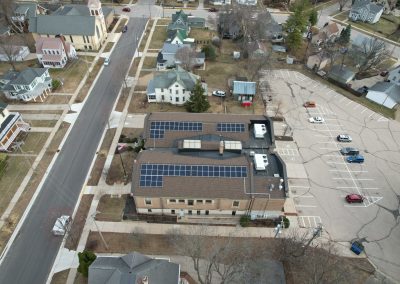
Arch Solar emphasized that Wisconsin is reaching an important turning point in renewable energy adoption. Demand for rooftop solar, battery storage, and energy-efficient building systems continues to rise among homeowners, businesses, municipalities, and nonprofits. The company highlighted projects throughout Milwaukee and Wisconsin that demonstrate how sustainability investments can strengthen communities while reducing environmental impacts.
Overall, the article presents sustainability as a growing economic driver rather than a temporary trend. Participants agreed that organizations willing to invest in energy innovation, workforce development, and long-term environmental planning are likely to be better positioned for future growth. The roundtable concludes that collaboration between businesses, government agencies, and clean energy providers will remain essential as Wisconsin continues transitioning toward a more sustainable economy.