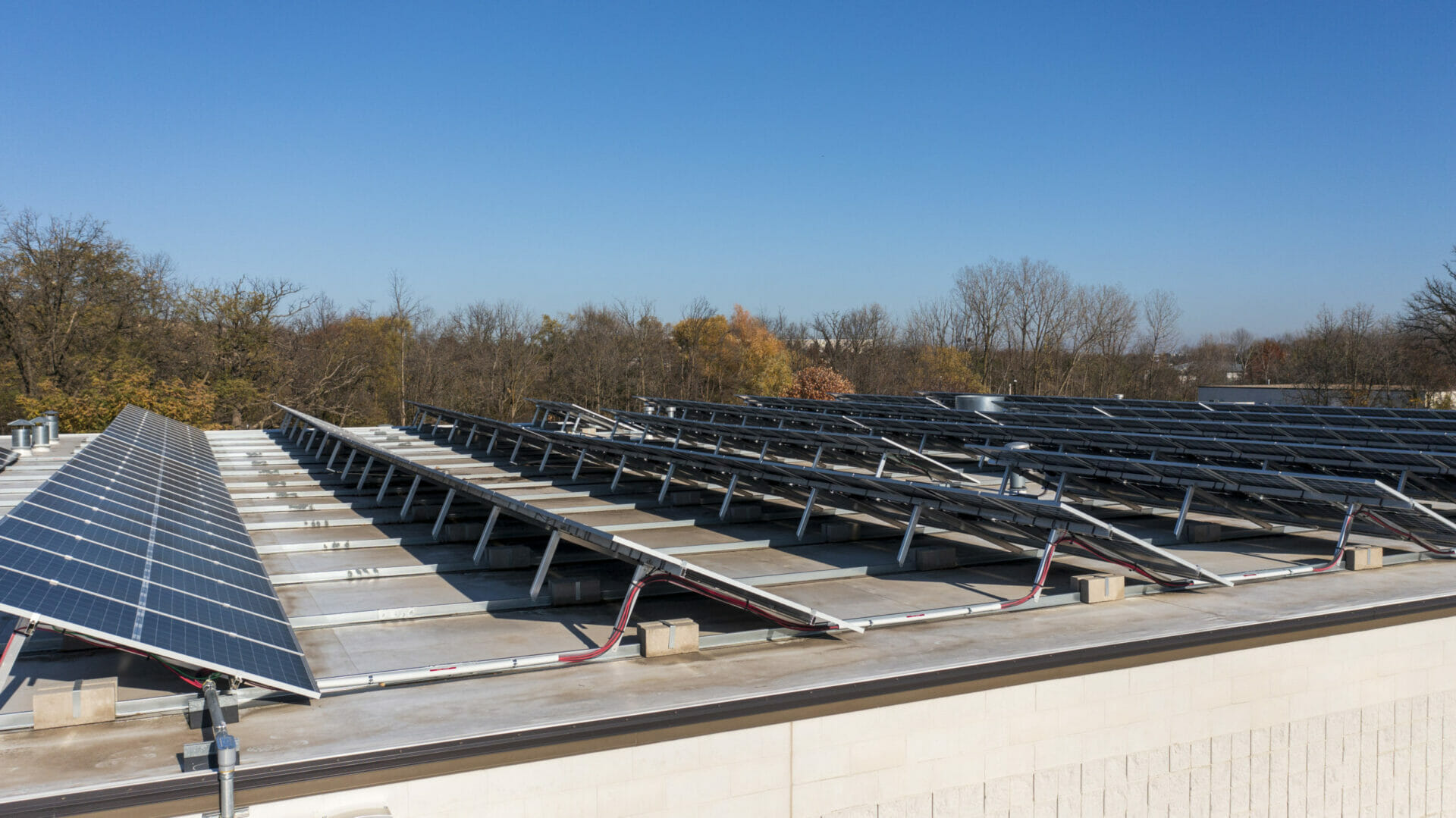
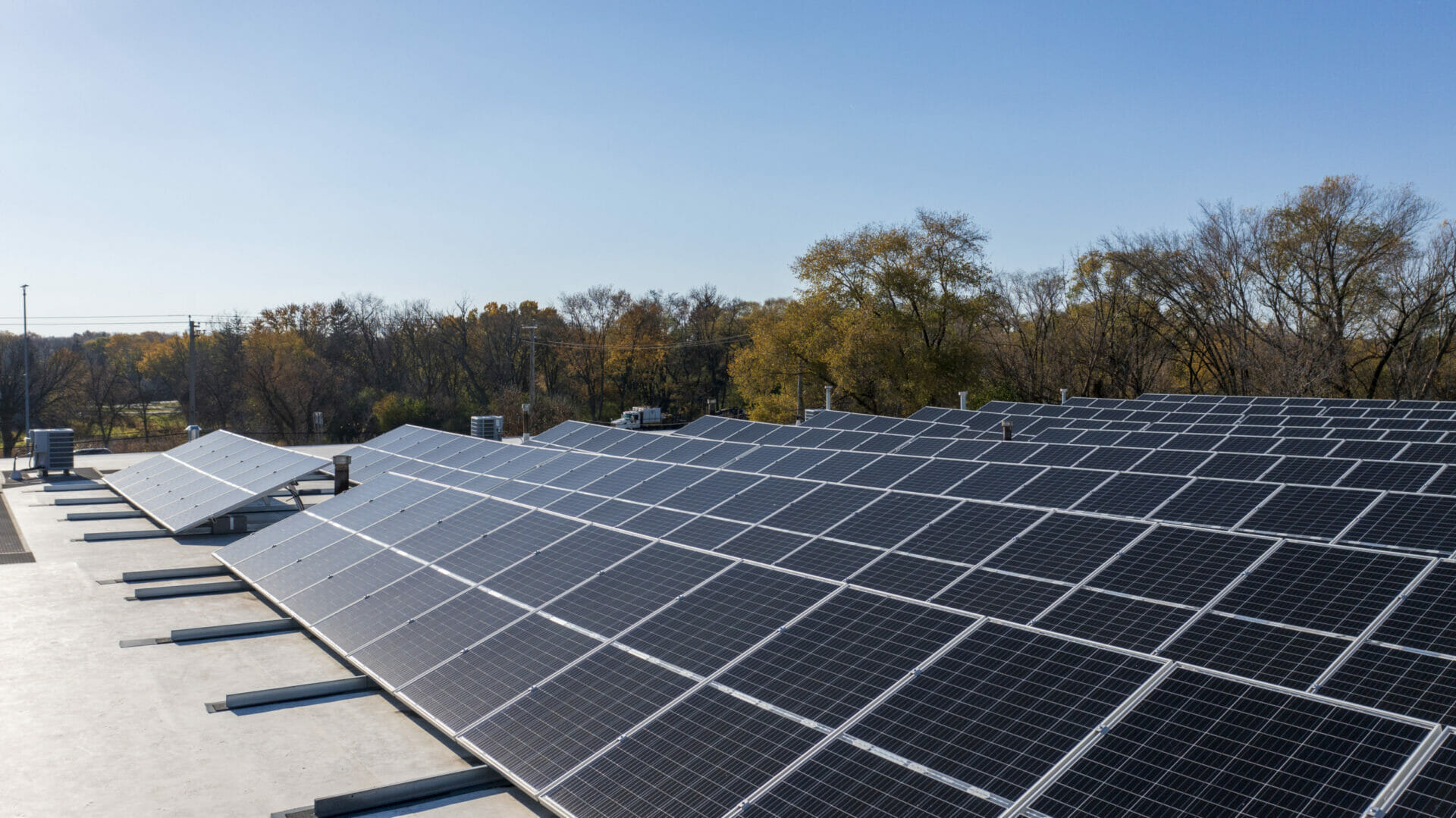
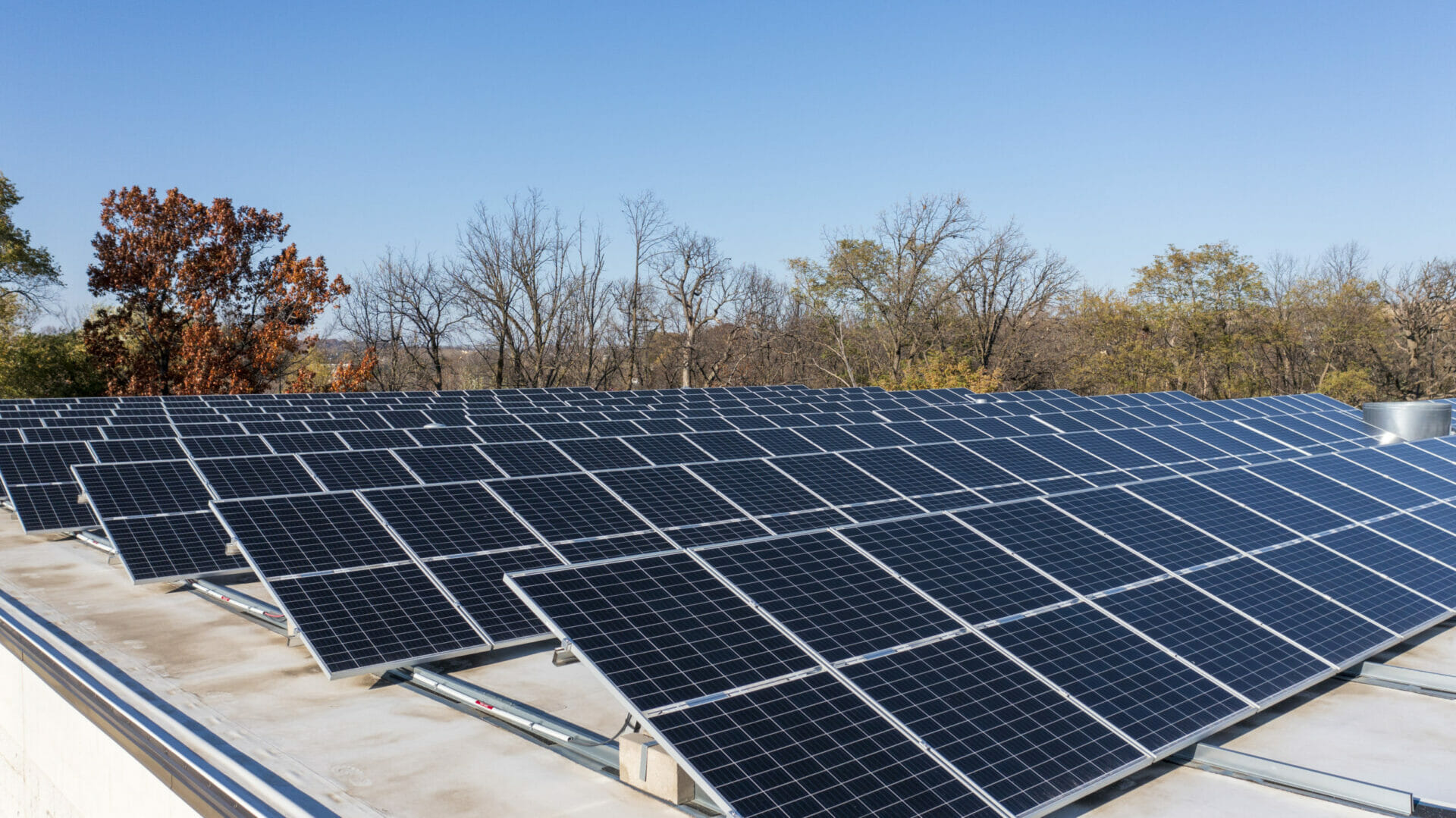
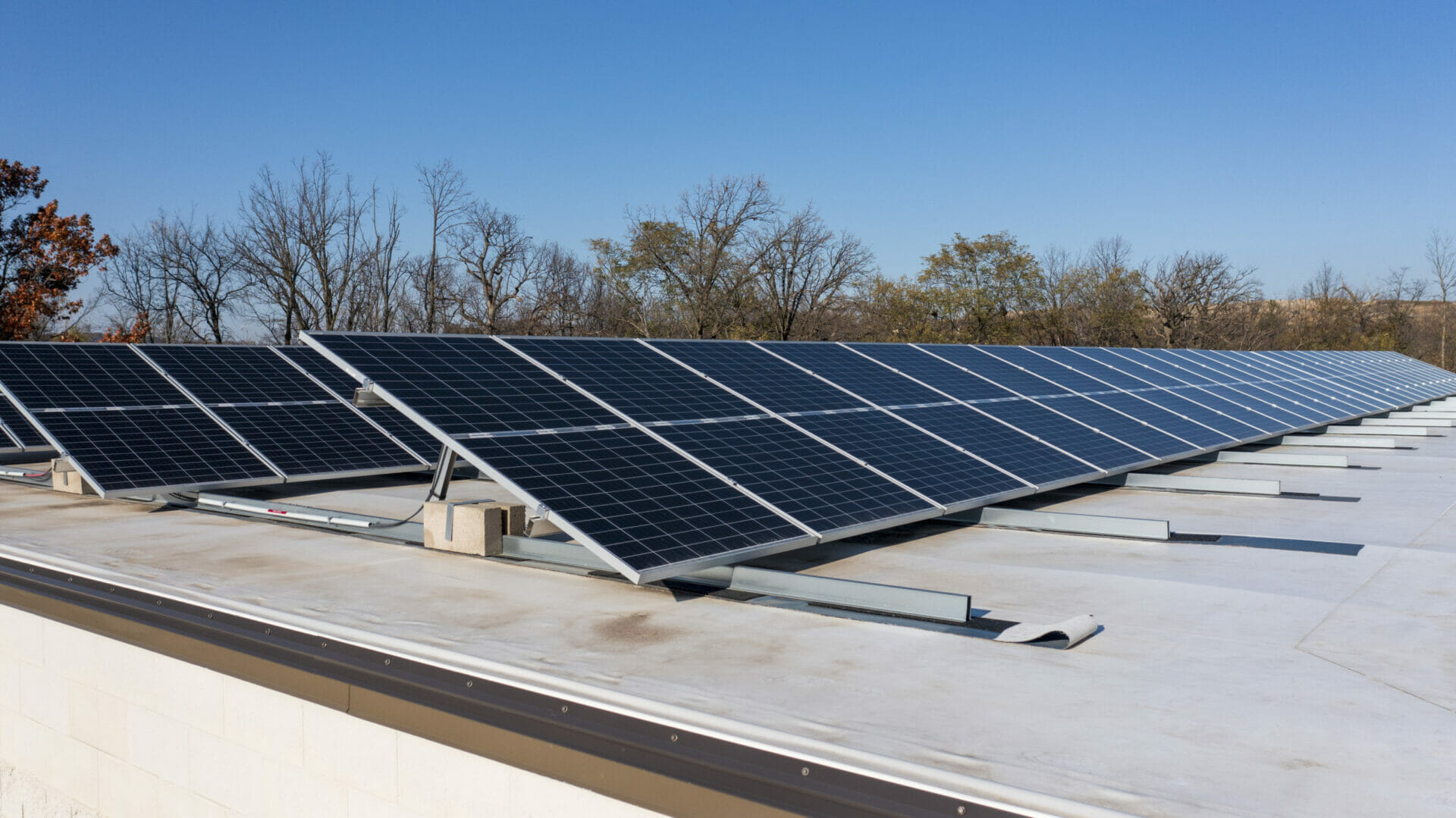
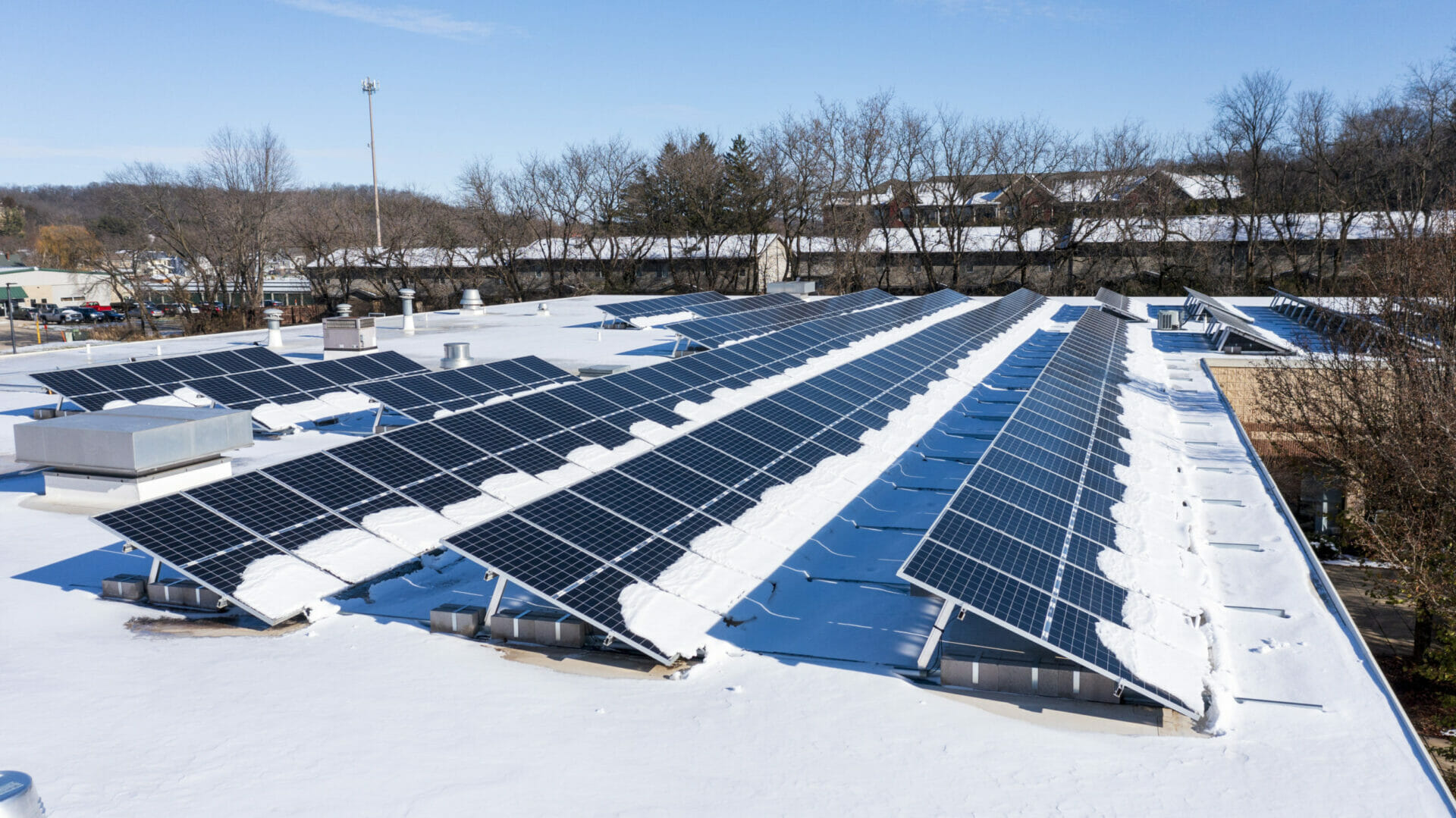
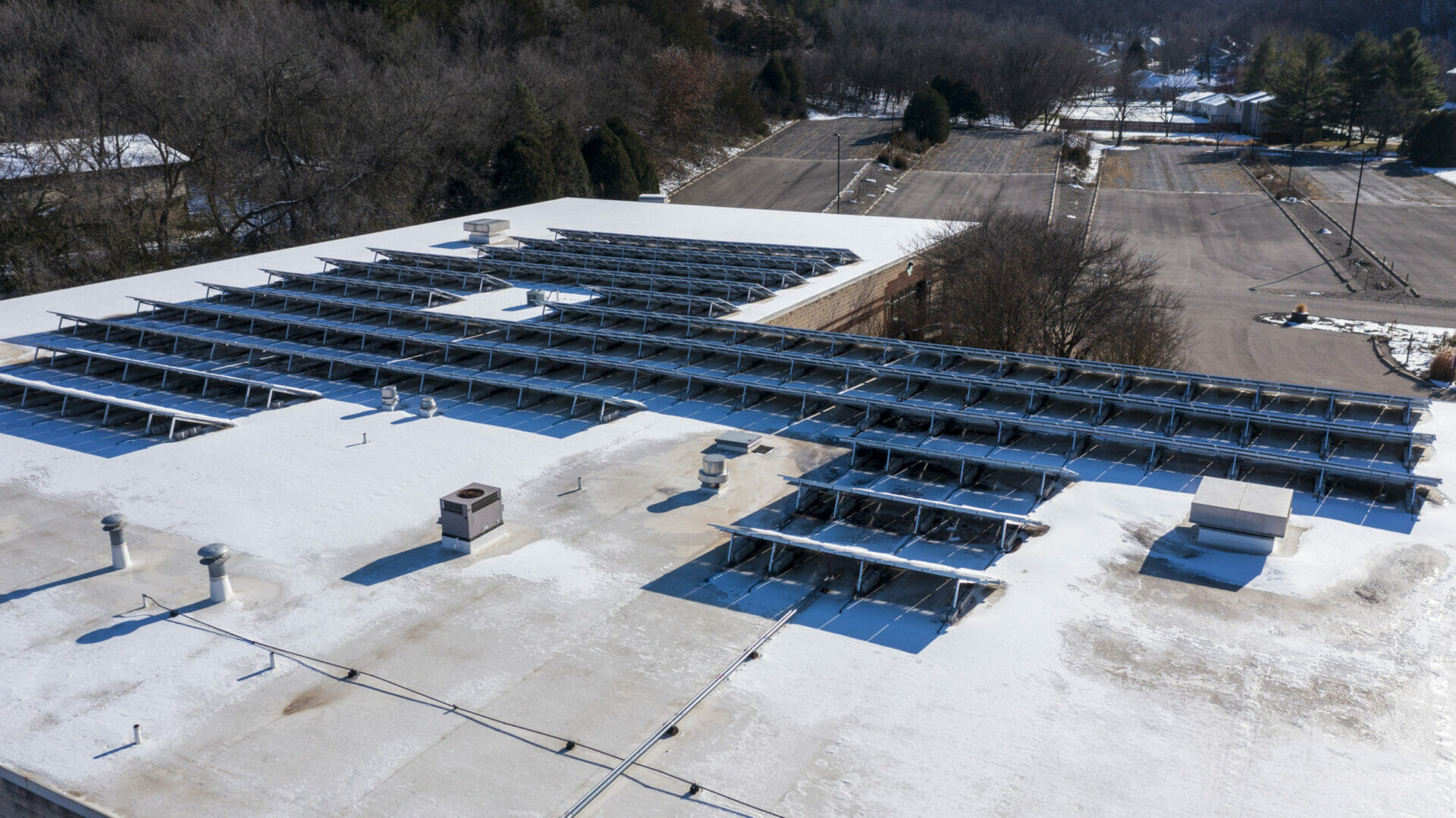
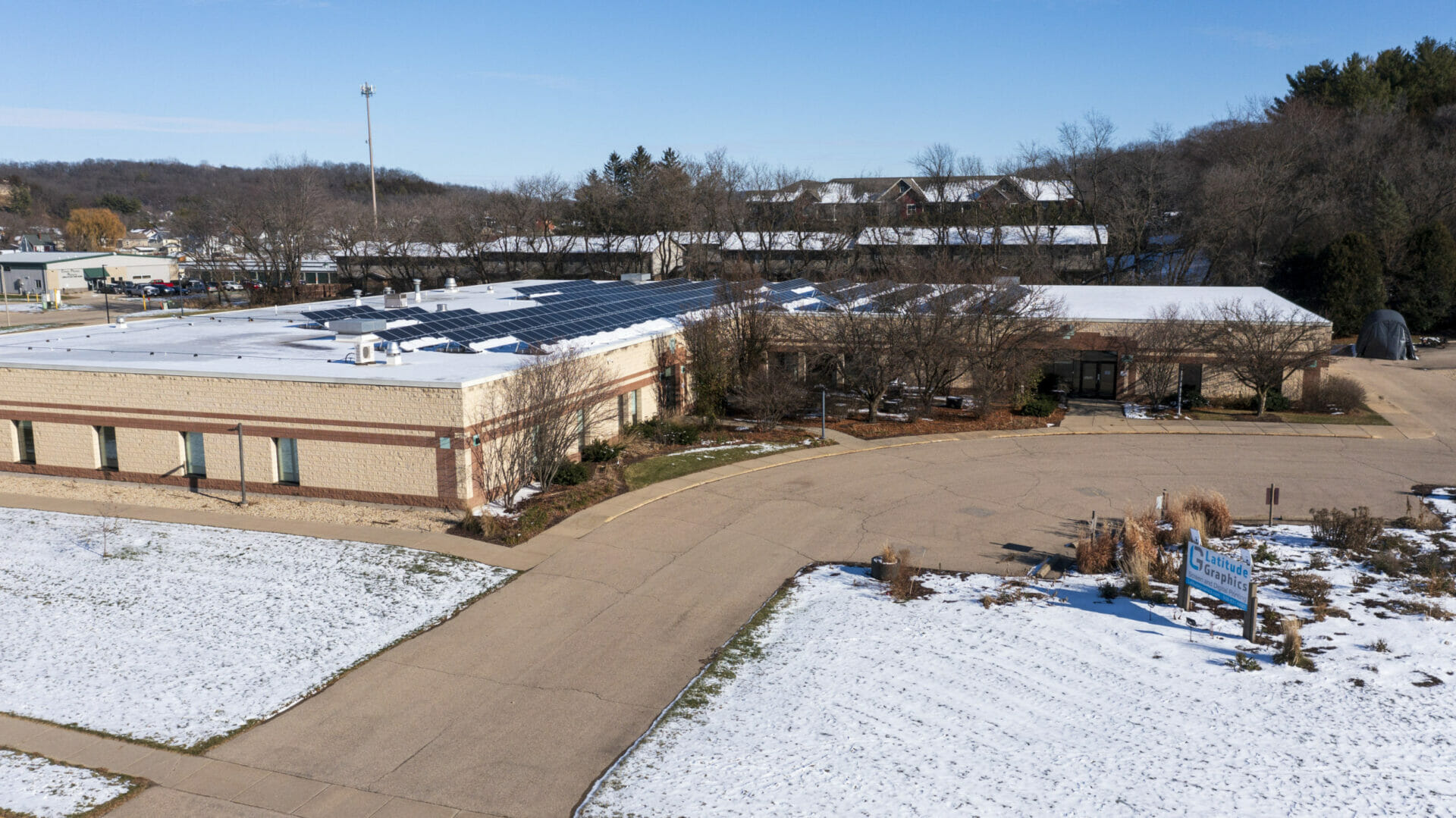
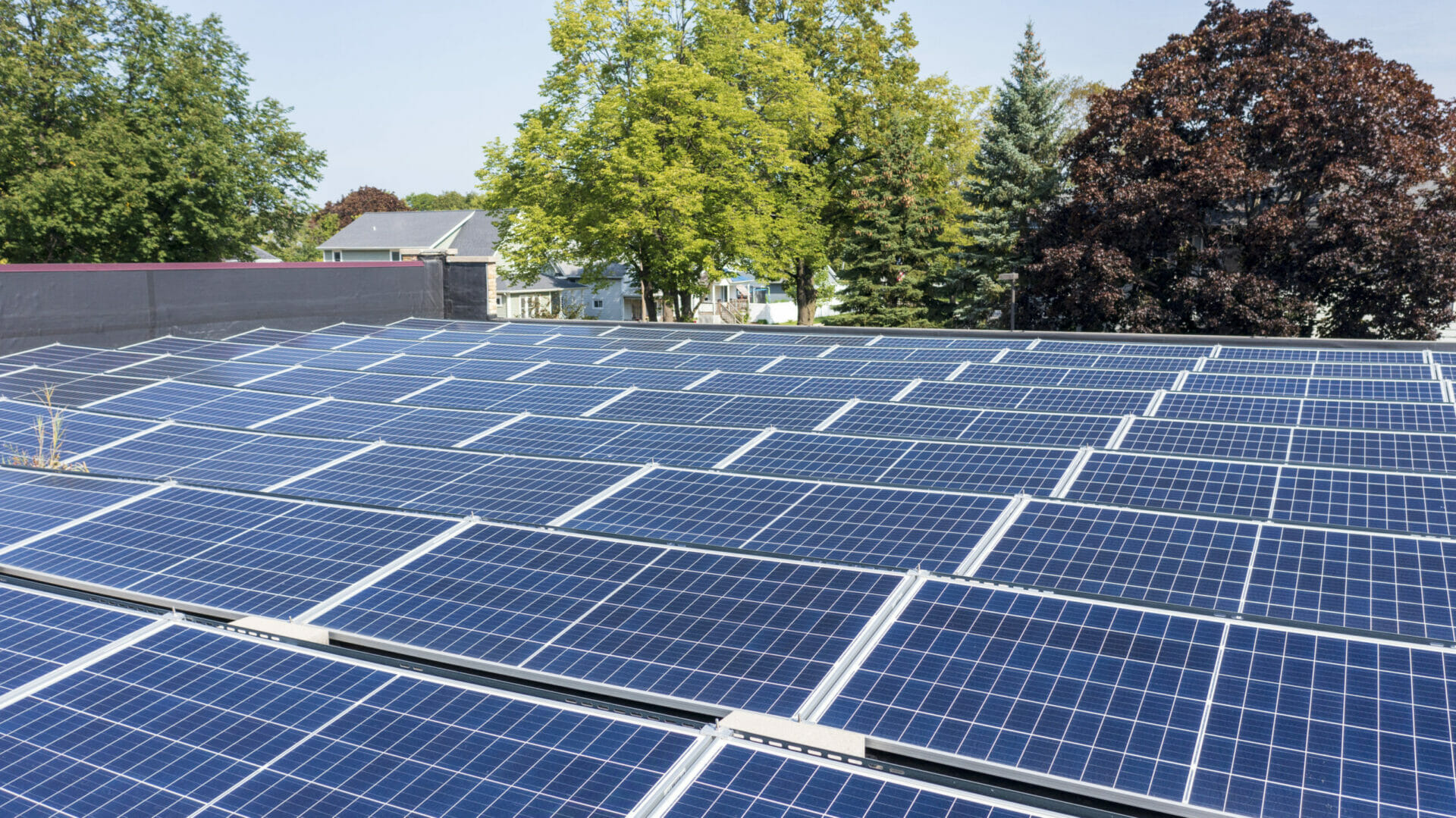
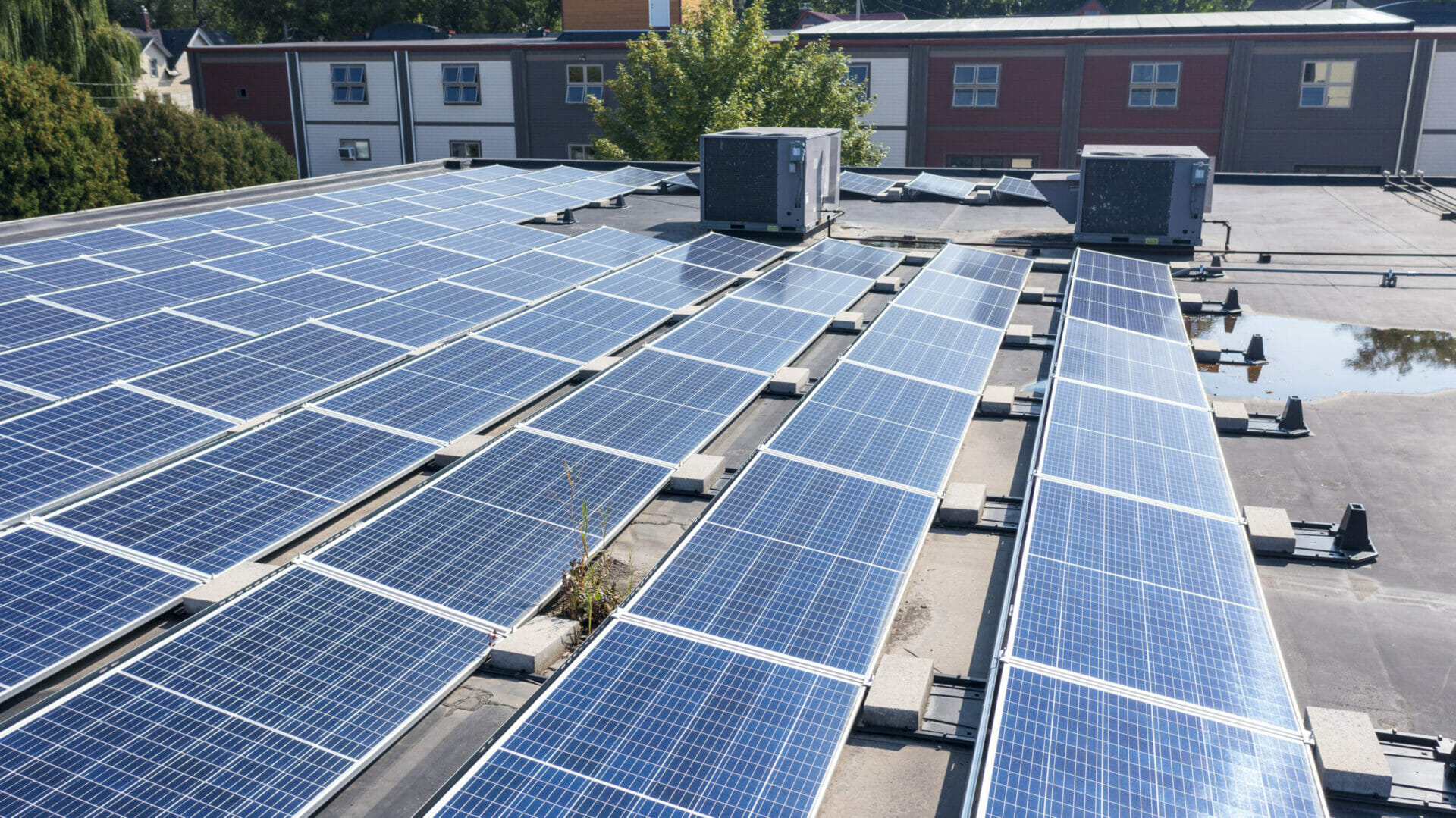
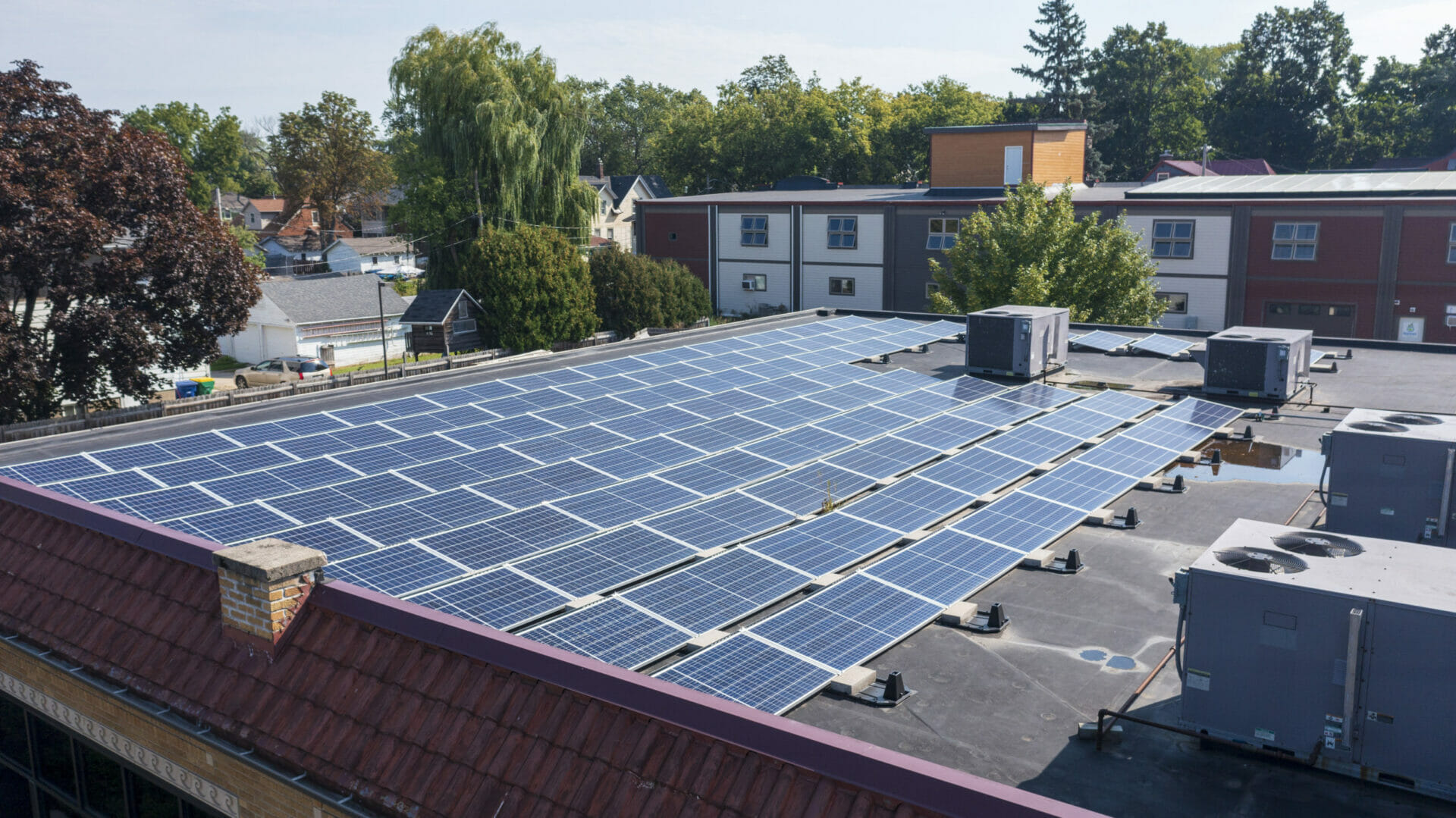
Navigating the Domestic Content Credit in solar energy projects can be challenging. That’s why Arch Solar offers reliable solar options that meet current domestic content requirements. However, we know getting the top ROI is a priority for C&I businesses. Understanding all potential federal tax credits can help you maximize the value of your investment.
What is the Domestic Content Bonus Credit?
The Domestic Content Bonus Credit is a tax adder to the Investment Tax Credit (ITC). The ITC lets companies deduct part of their solar project costs from their federal taxes. Projects meeting IRA requirements receive a base credit of 30%. Qualifying for the Domestic Content Bonus boosts your ITC by 10% to a total of 40%.
What are the qualifications for the Domestic Content Bonus Credit?
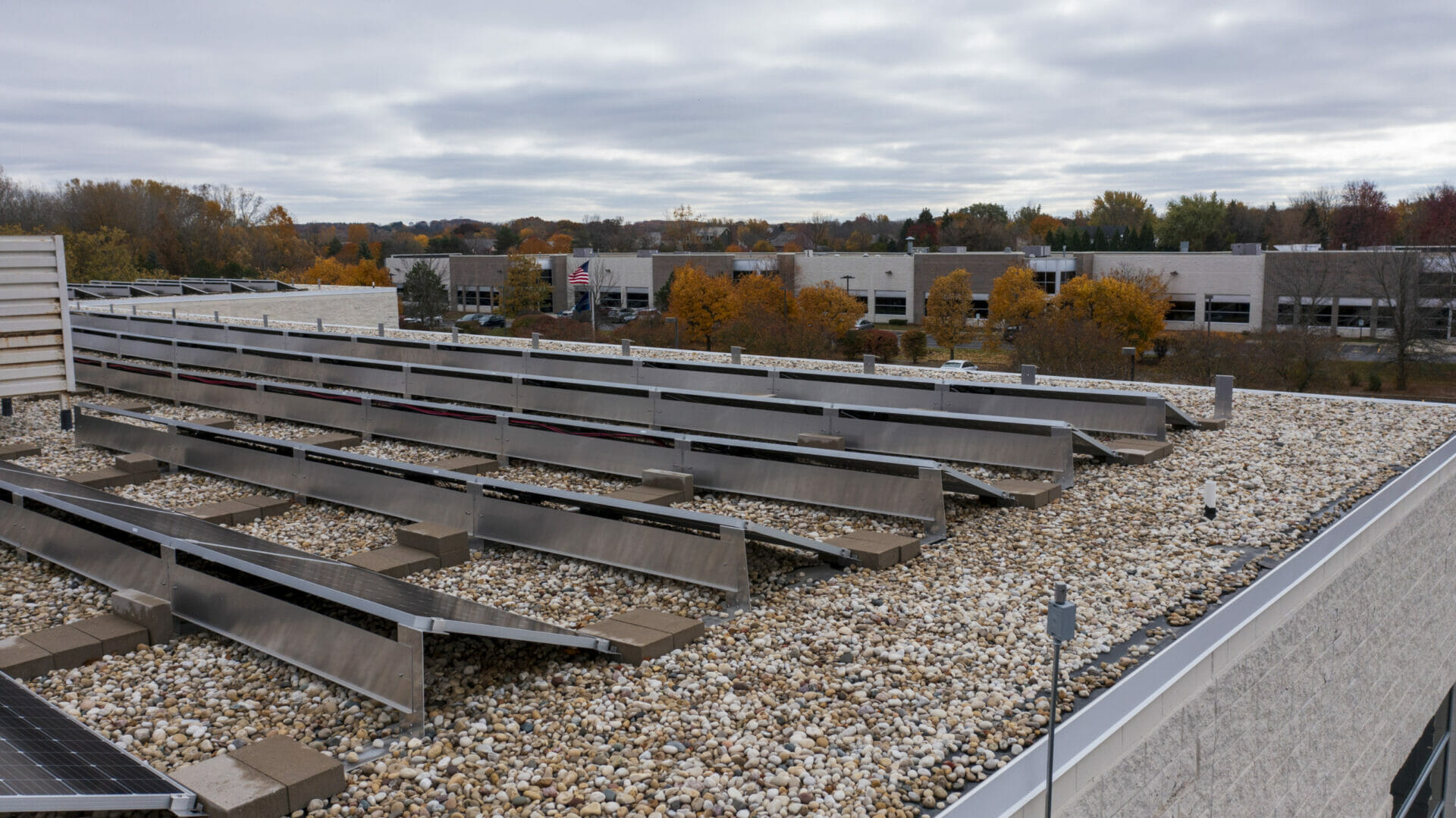
- Steel & Iron: 100% of the steel and iron used in structural applications must be produced in the United States. This includes components like racking and foundation piles.
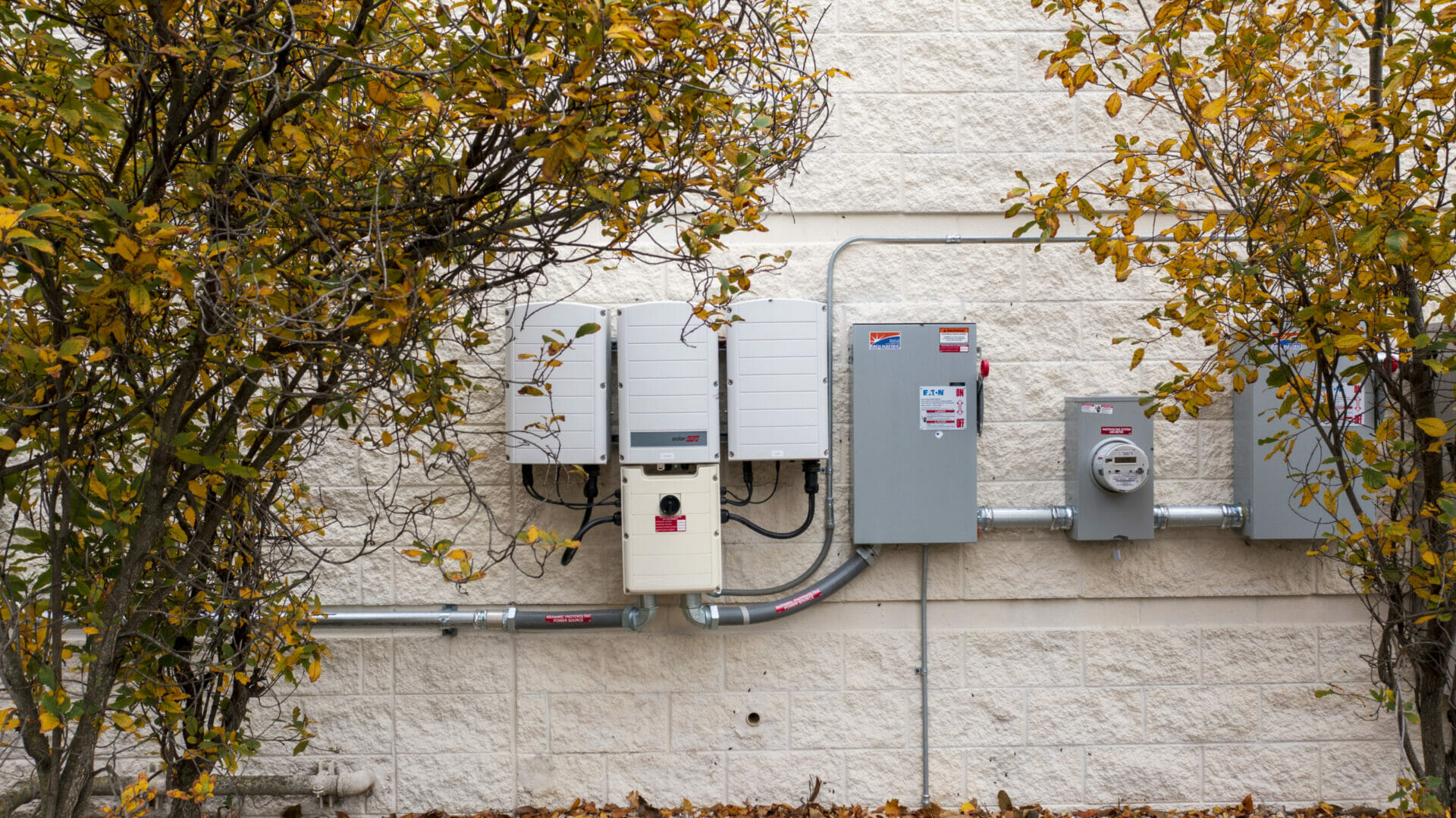
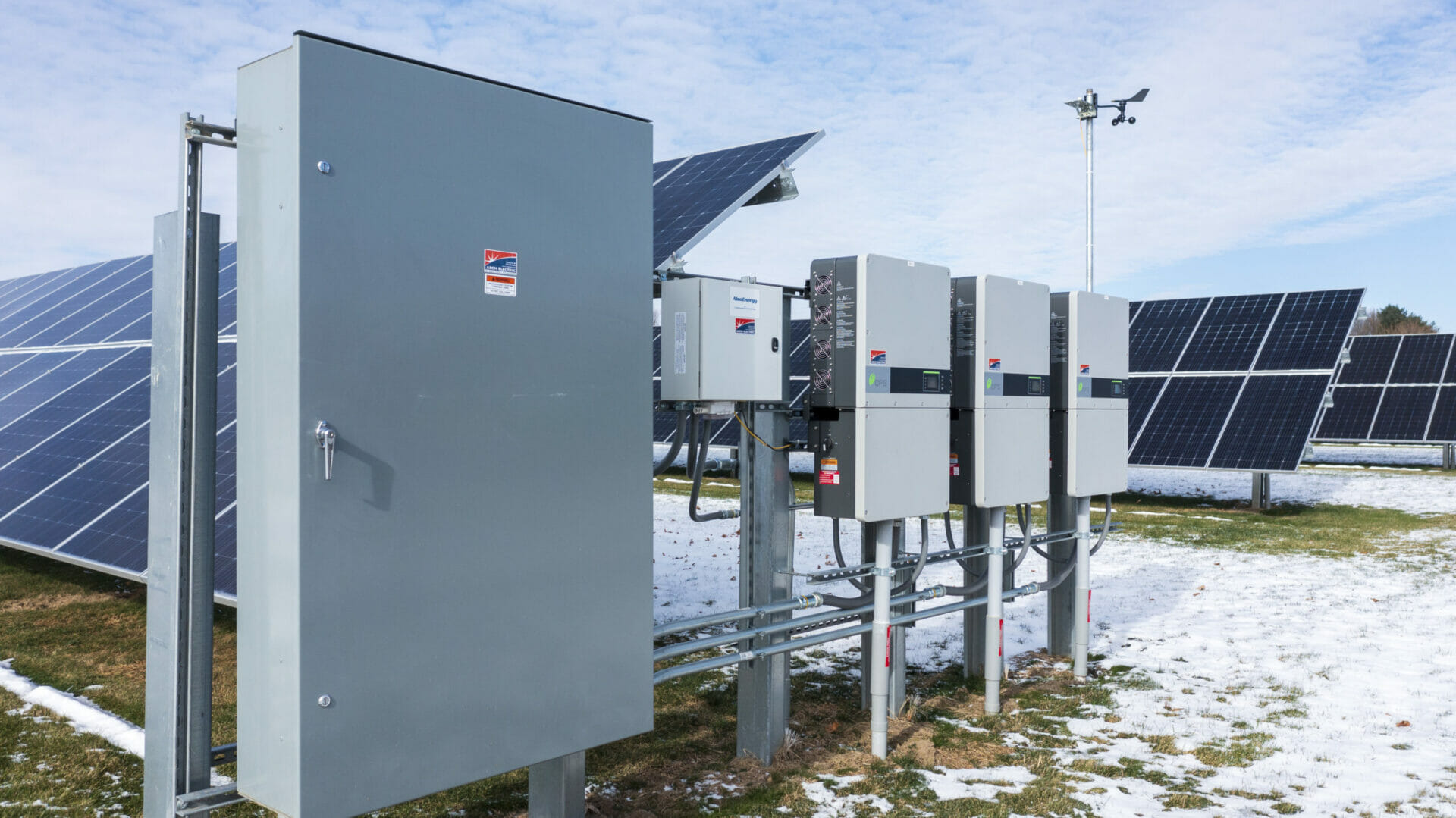
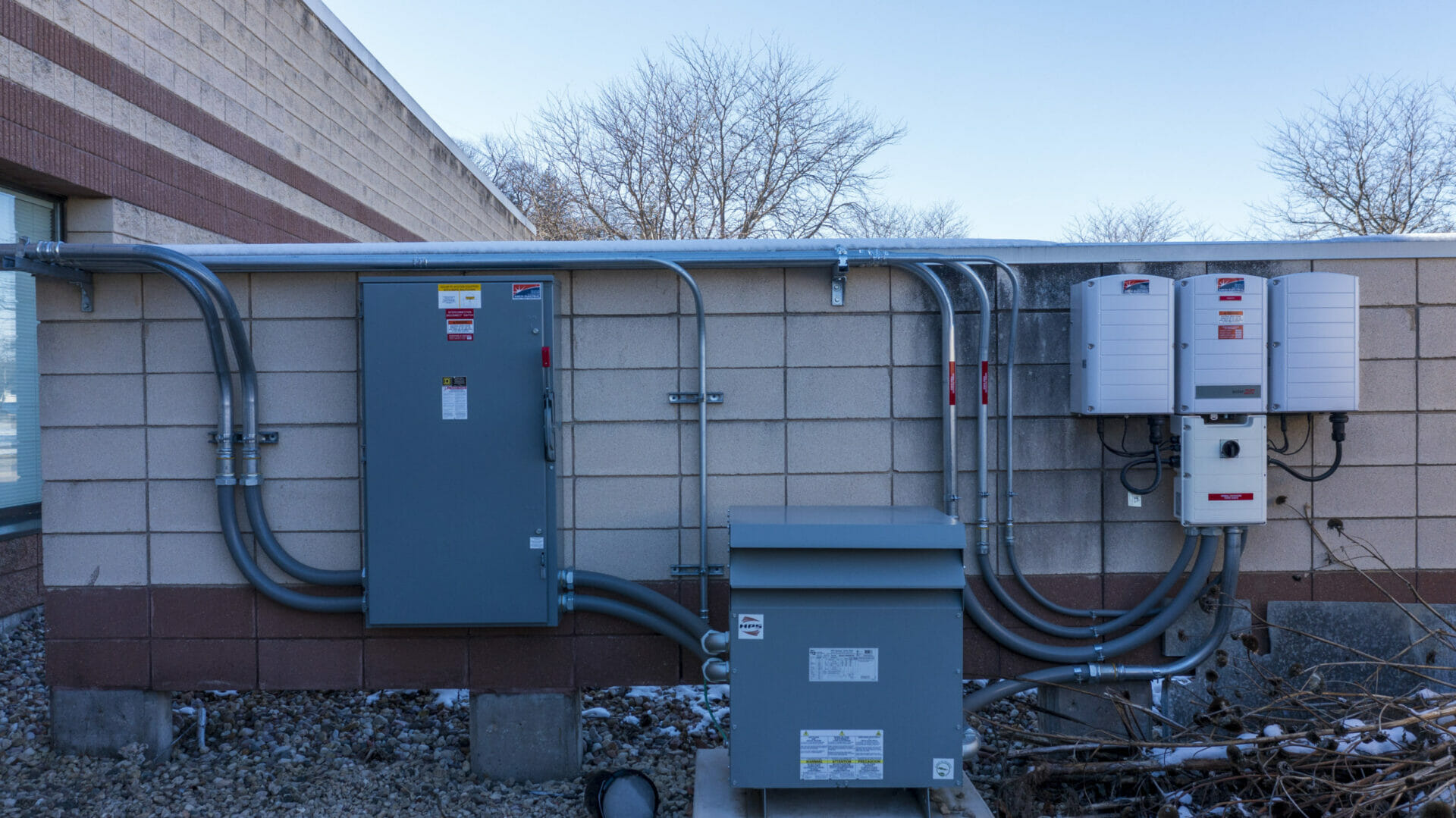
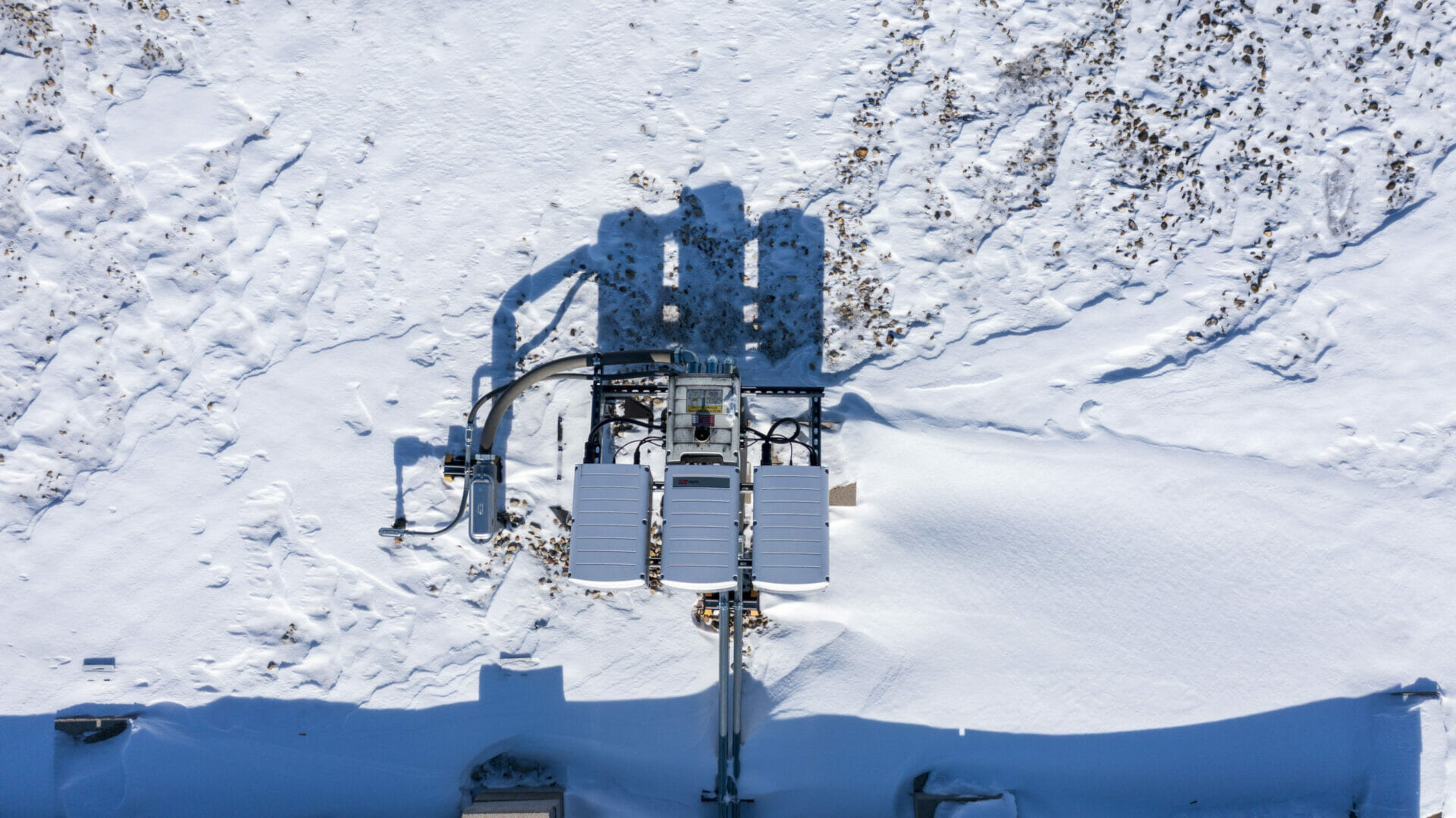
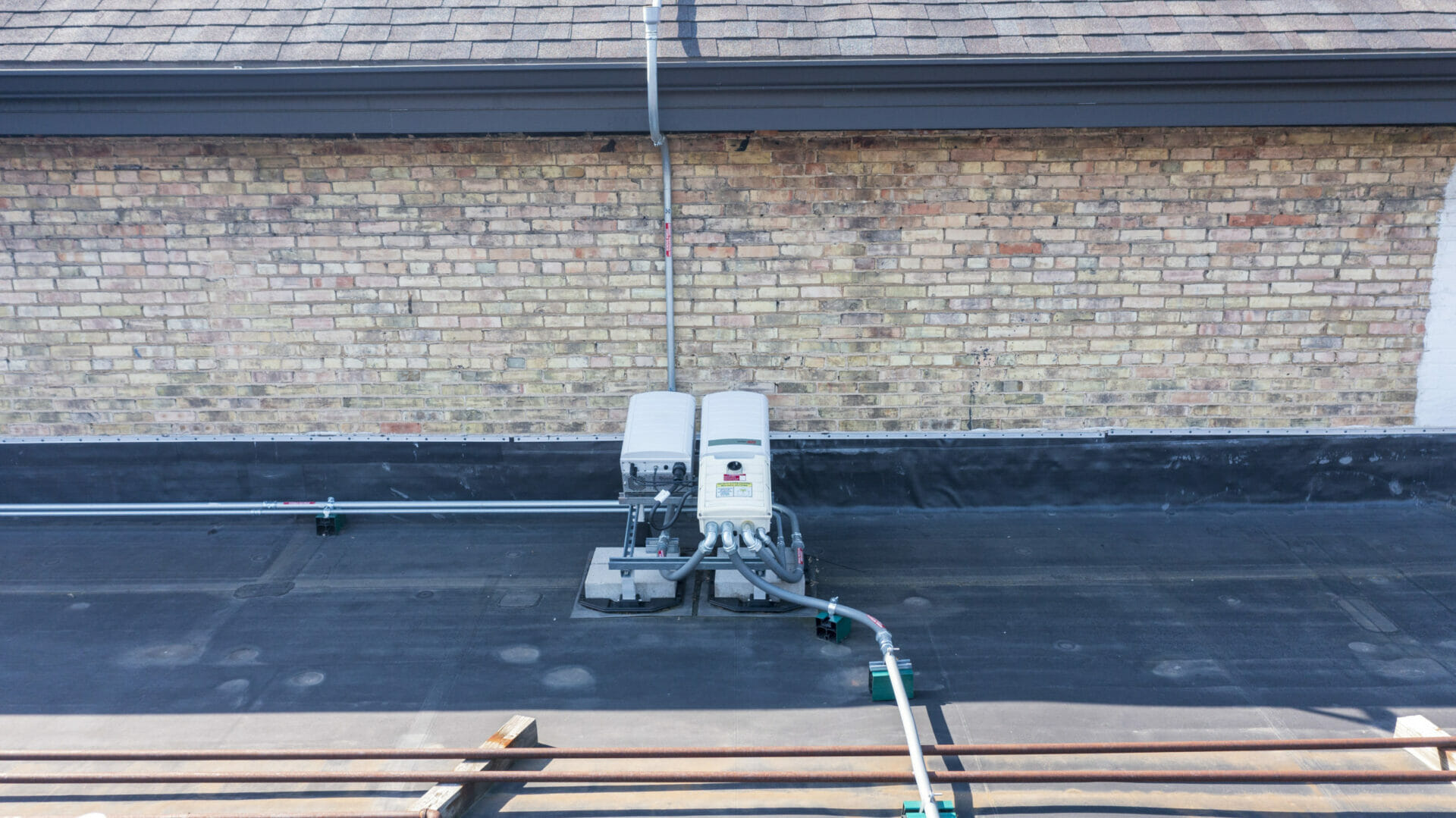
- Manufactured Products: A varying percentage of manufactured components must come from American facilities. This includes solar panels, inverters, and battery storage.
Maximizing ROI with Other Bonus Credits
Checking to see if you qualify for additional bonus credits is an excellent way to maximize the return on your solar investment. The potential bonus credits within the IRA are stackable. When combined, the credits can offset a significant portion of your overall solar project cost. Two location-based credits to consider are the Energy Communities Bonus Credit and the Low-Income Adders. You can check if your location may qualify for these credits with Policy Map.
Energy Communities Tax Credit
The Energy Communities Bonus Credit can add 10% to your ITC if your location qualifies. This credit focuses on locations that have historically relied on fossil fuels and brownfield sites.
Low-Income Adders
Your location may also qualify for Low-Income Adders, which could add 10-20% more to your ITC. While this credit is primarily location-based, it also focuses on the size of the project and the impact on the local community. Low-income adders also require a competitive application to the DOE for capacity allocation before placing the project in service.
How Do I Make Sure My Solar Project Qualifies?
The Domestic Content Credit is one of the most complex credits to qualify for. Varying percentages and strict guidelines can be difficult to navigate. Verifying your sources and obtaining proper documentation can be even more difficult. However, our Arch Business Developers have you covered.
To best serve our clients, we offer solar systems that meet the current domestic content requirements. Our secure supply chain means we can reliably source solar panels, inverters, and other structural components with full documentation for verification of Domestic Content. Beyond that, our team will review your project for any tax credits and savings you may qualify for. Ready to start your next solar investment? Contact an Arch Business Developer for a free consultation to get started!