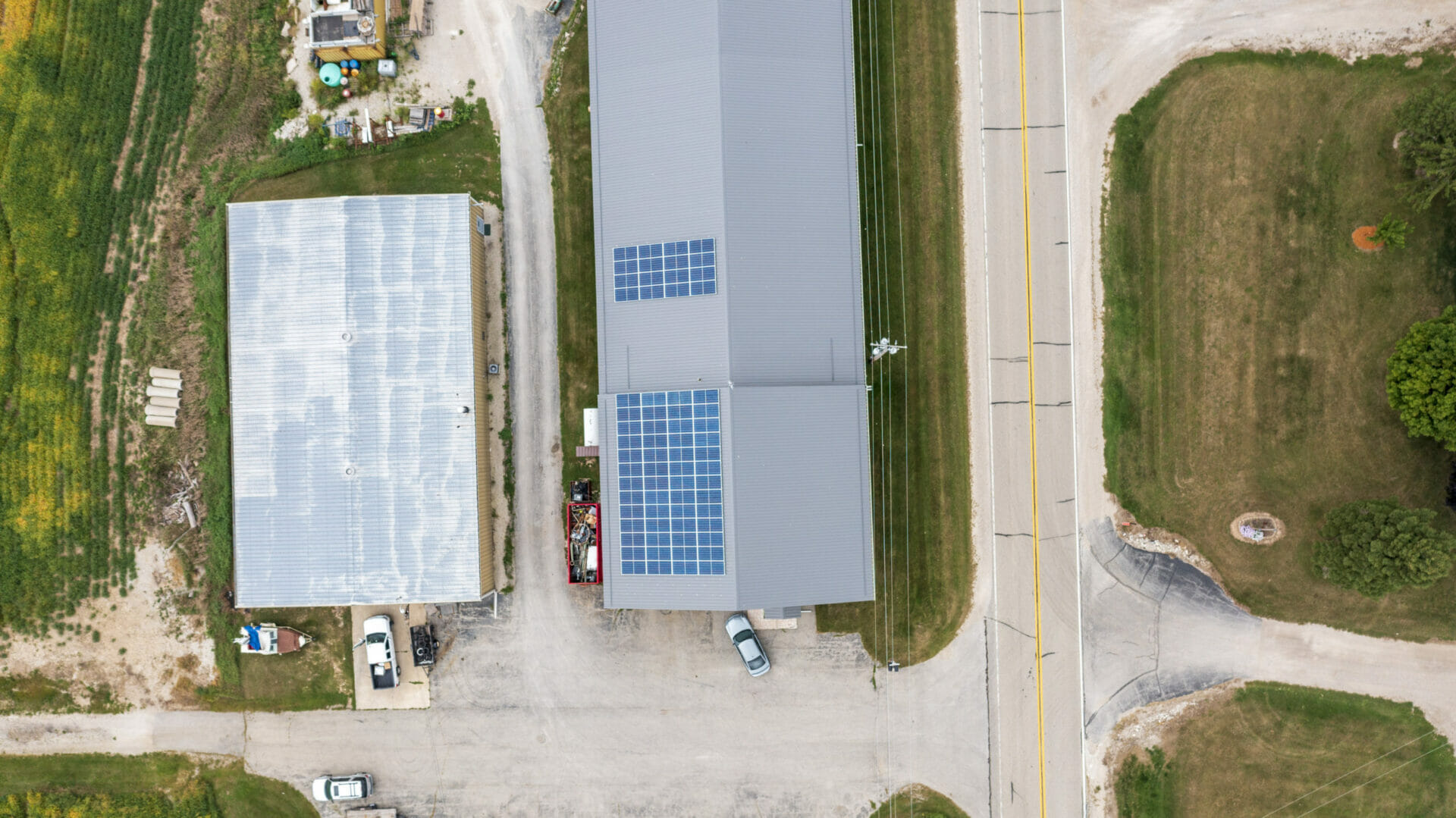
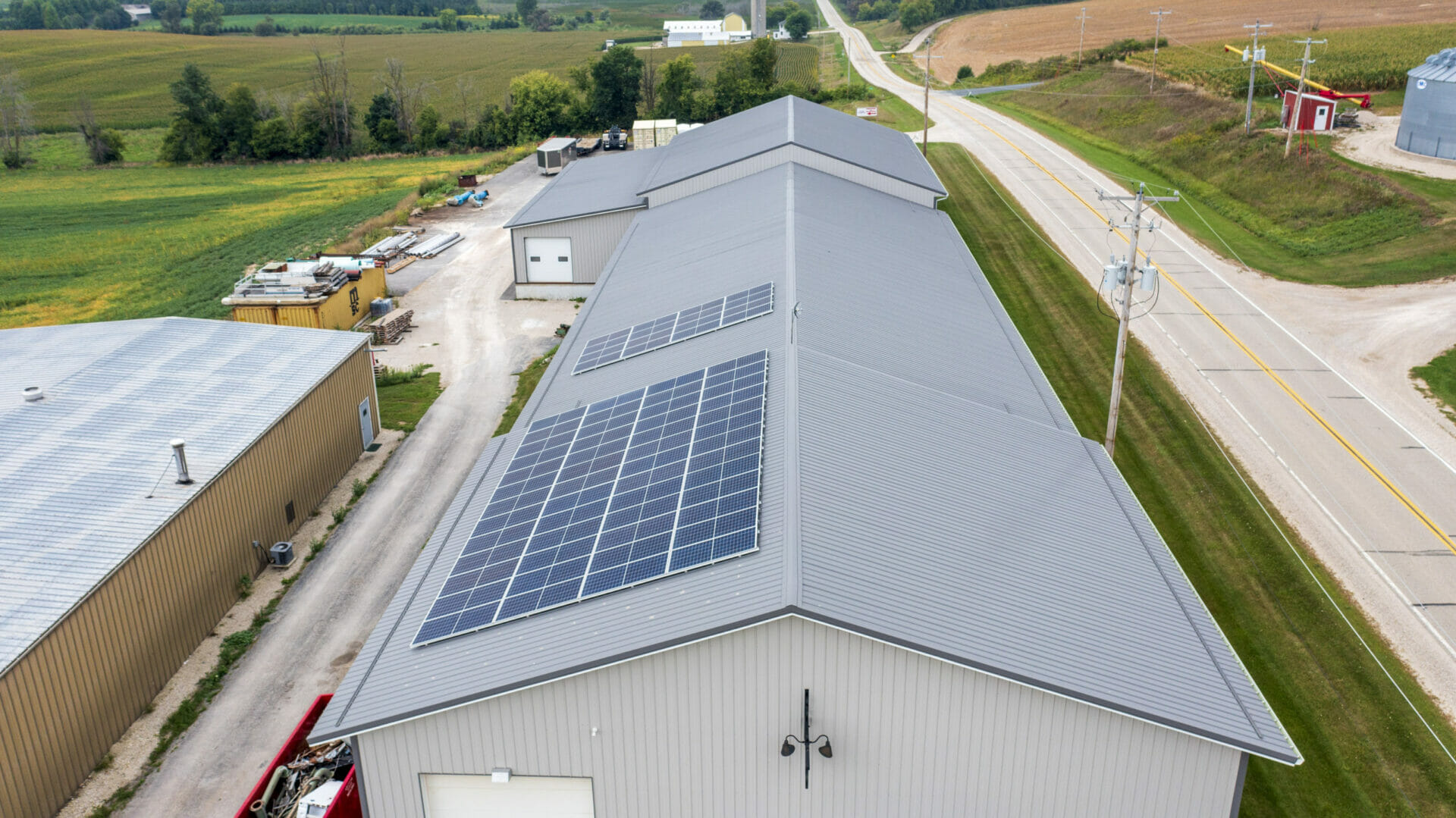
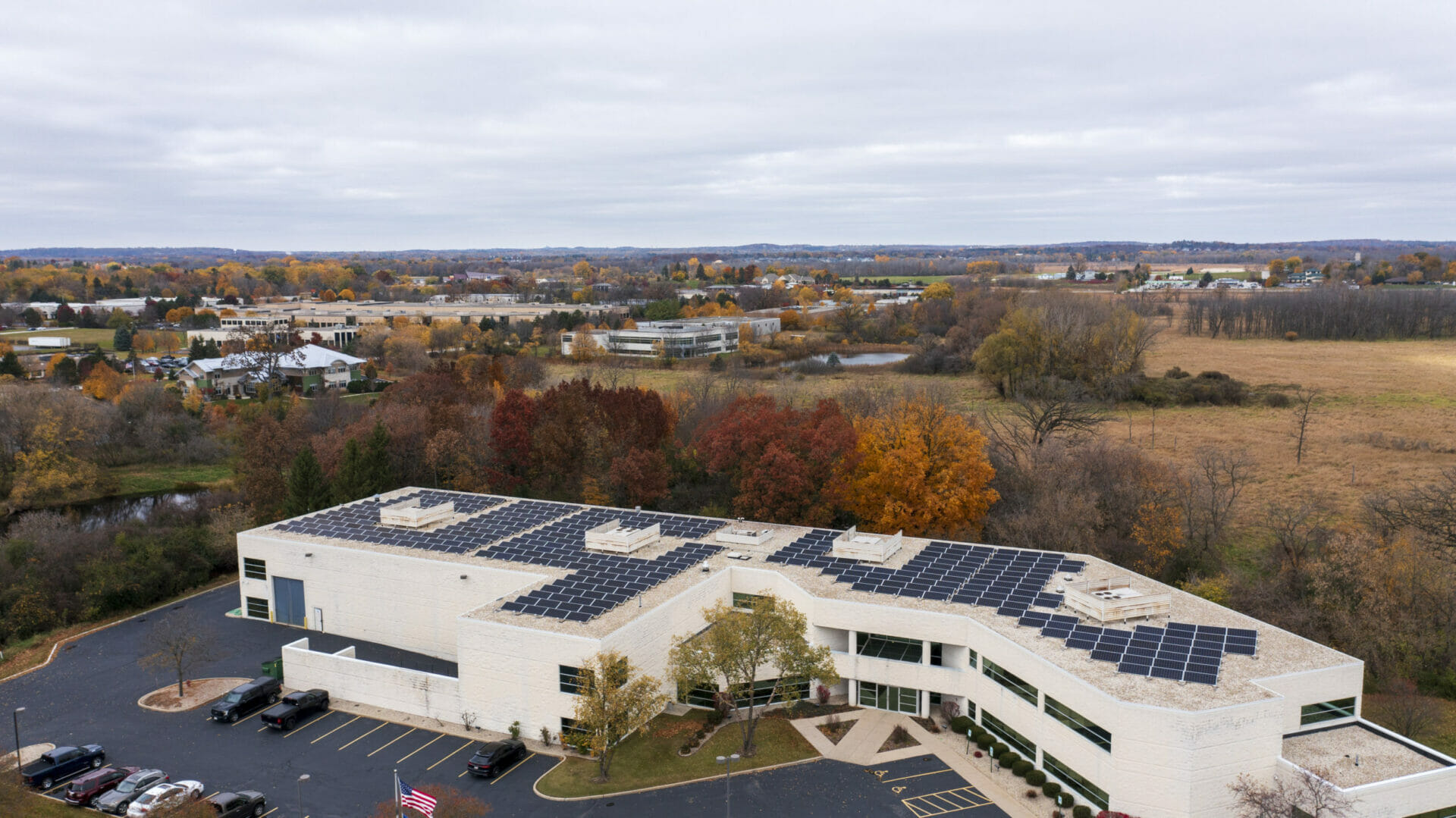
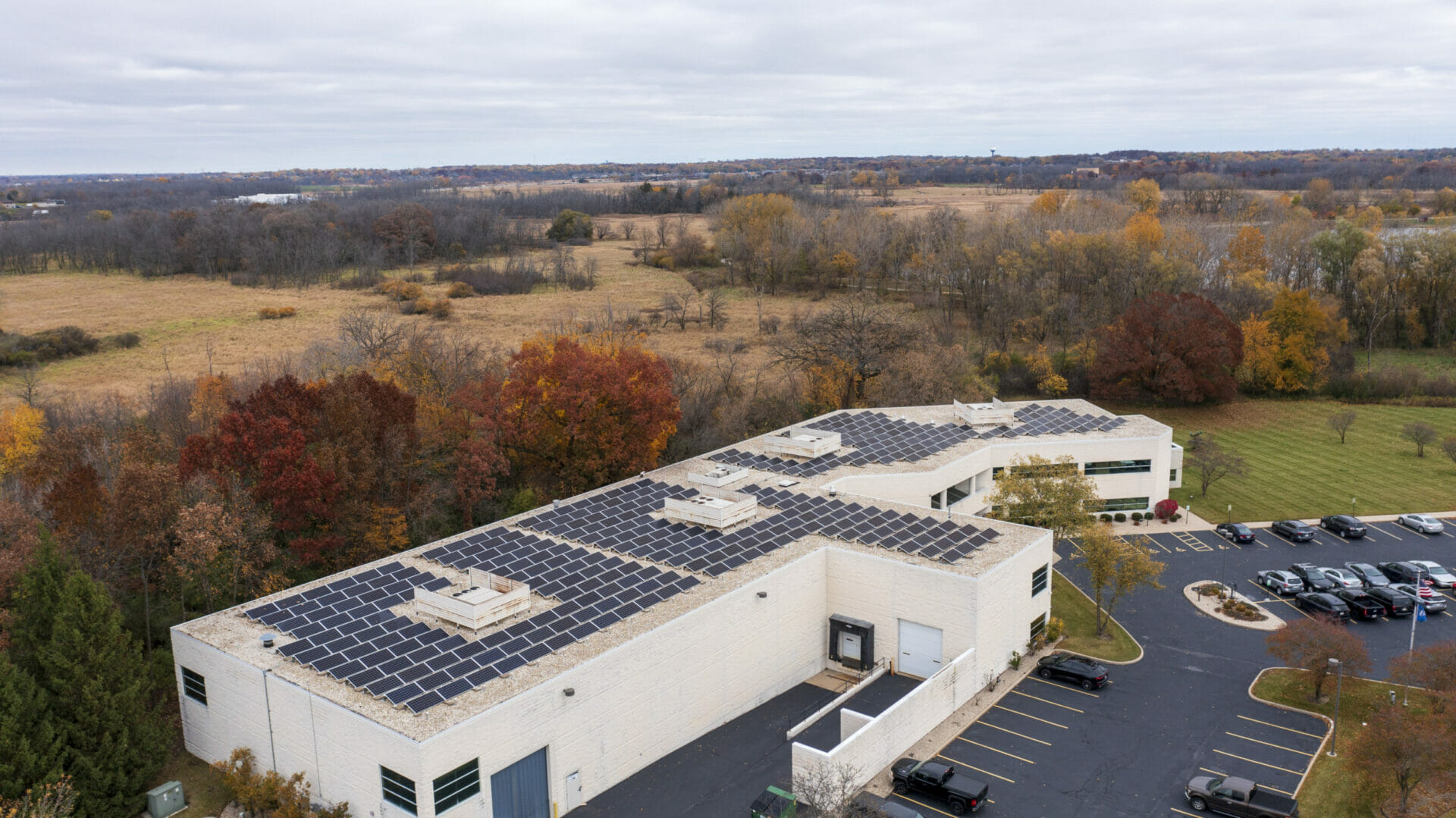
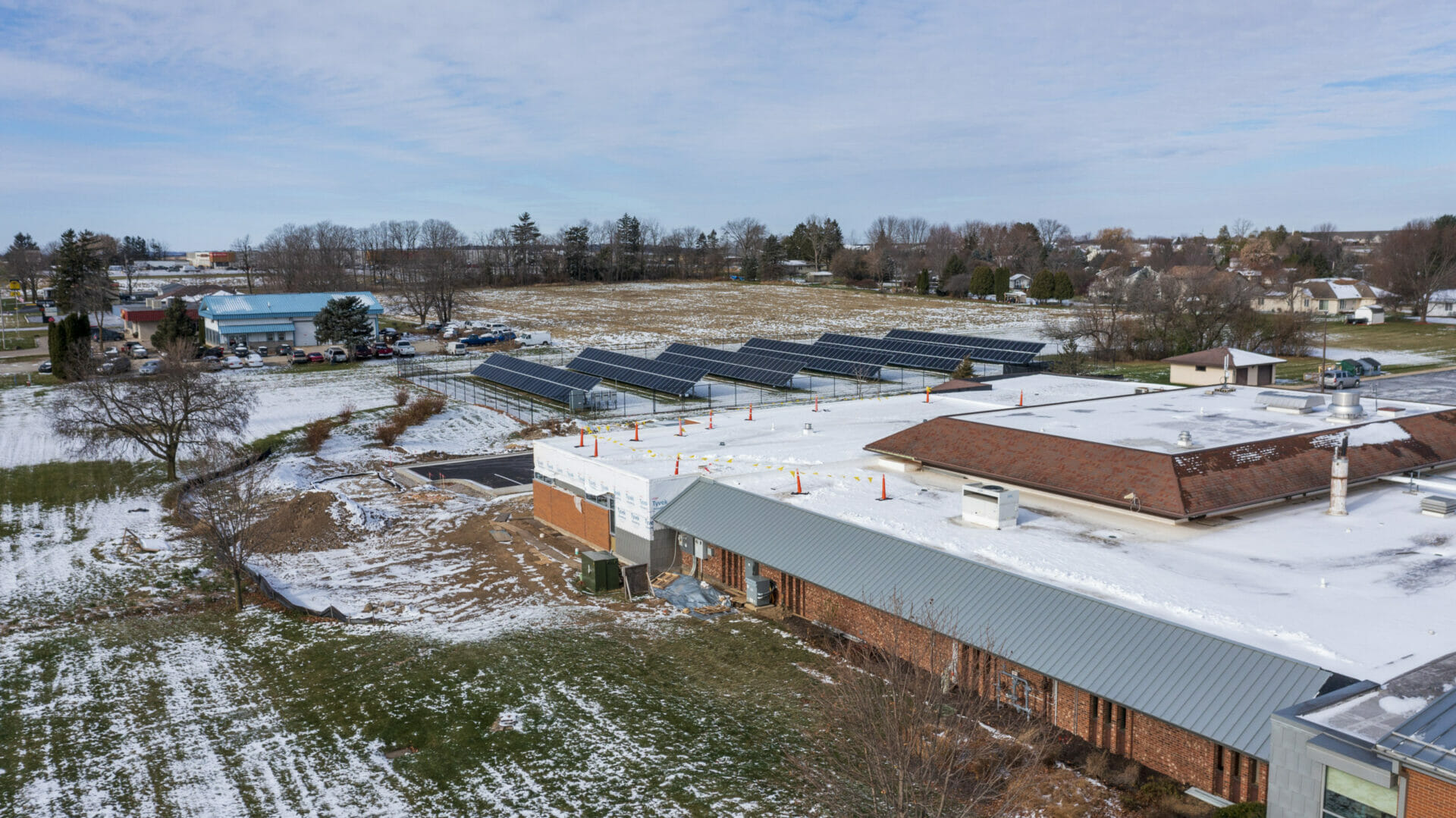
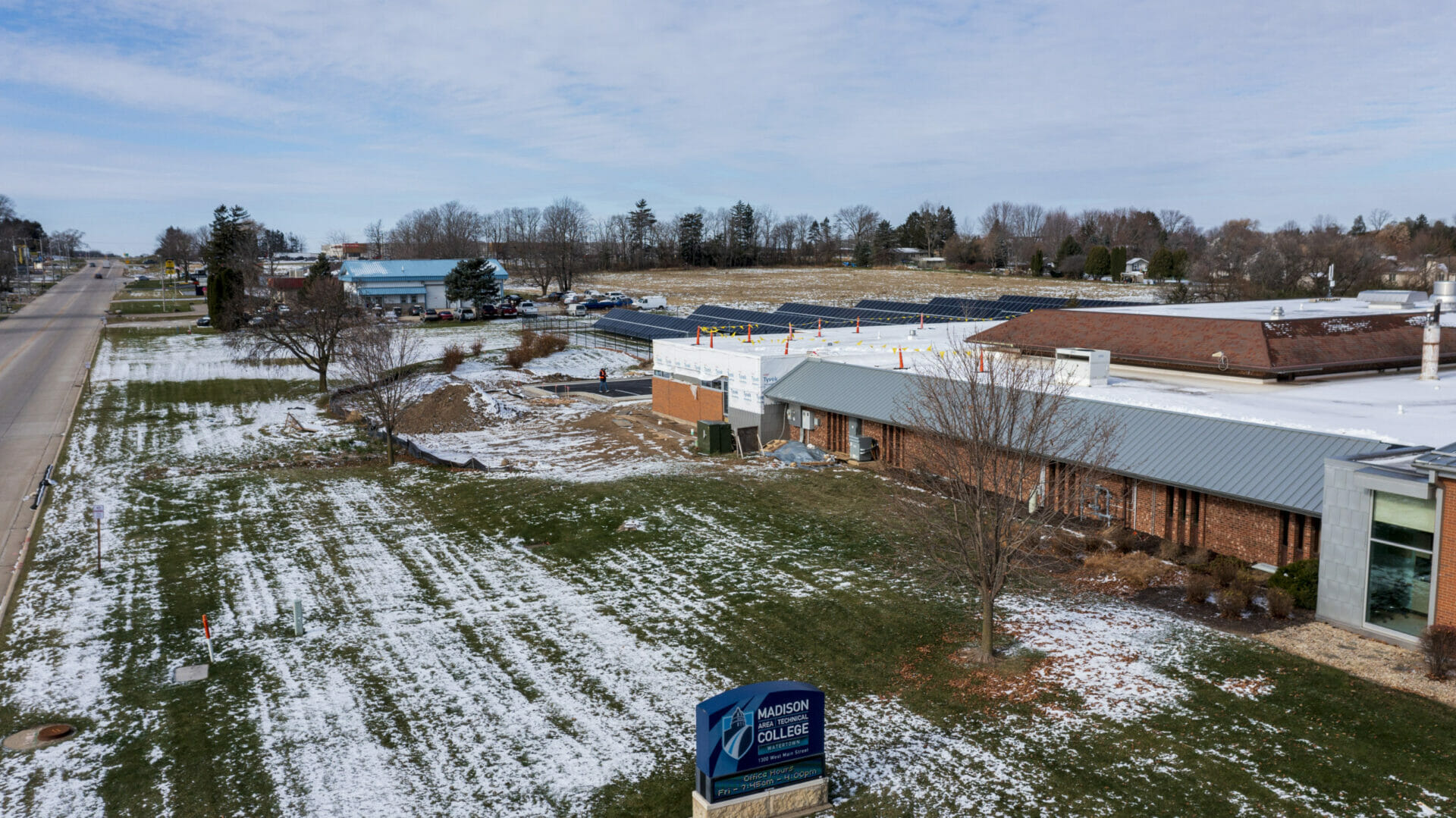
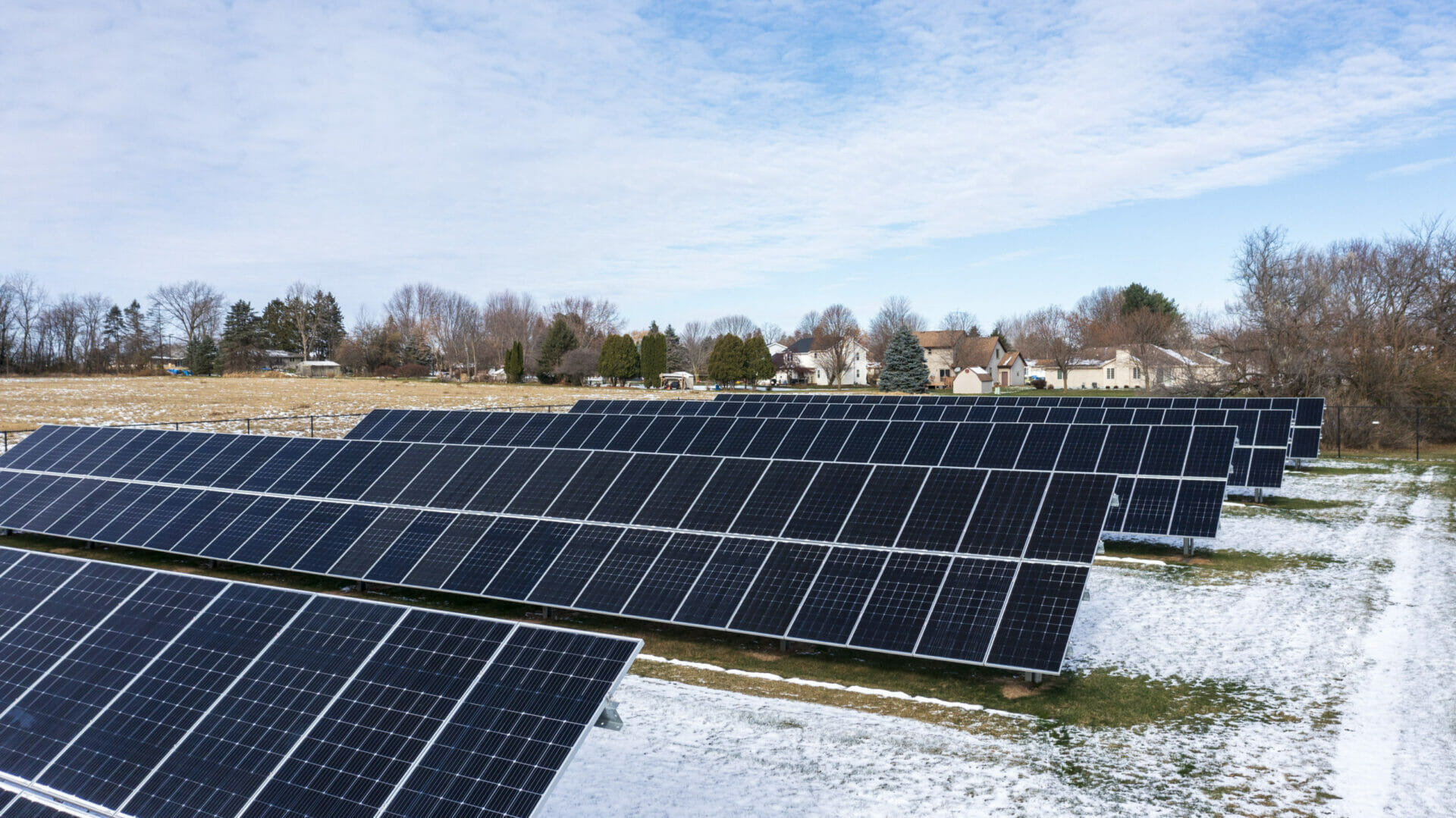
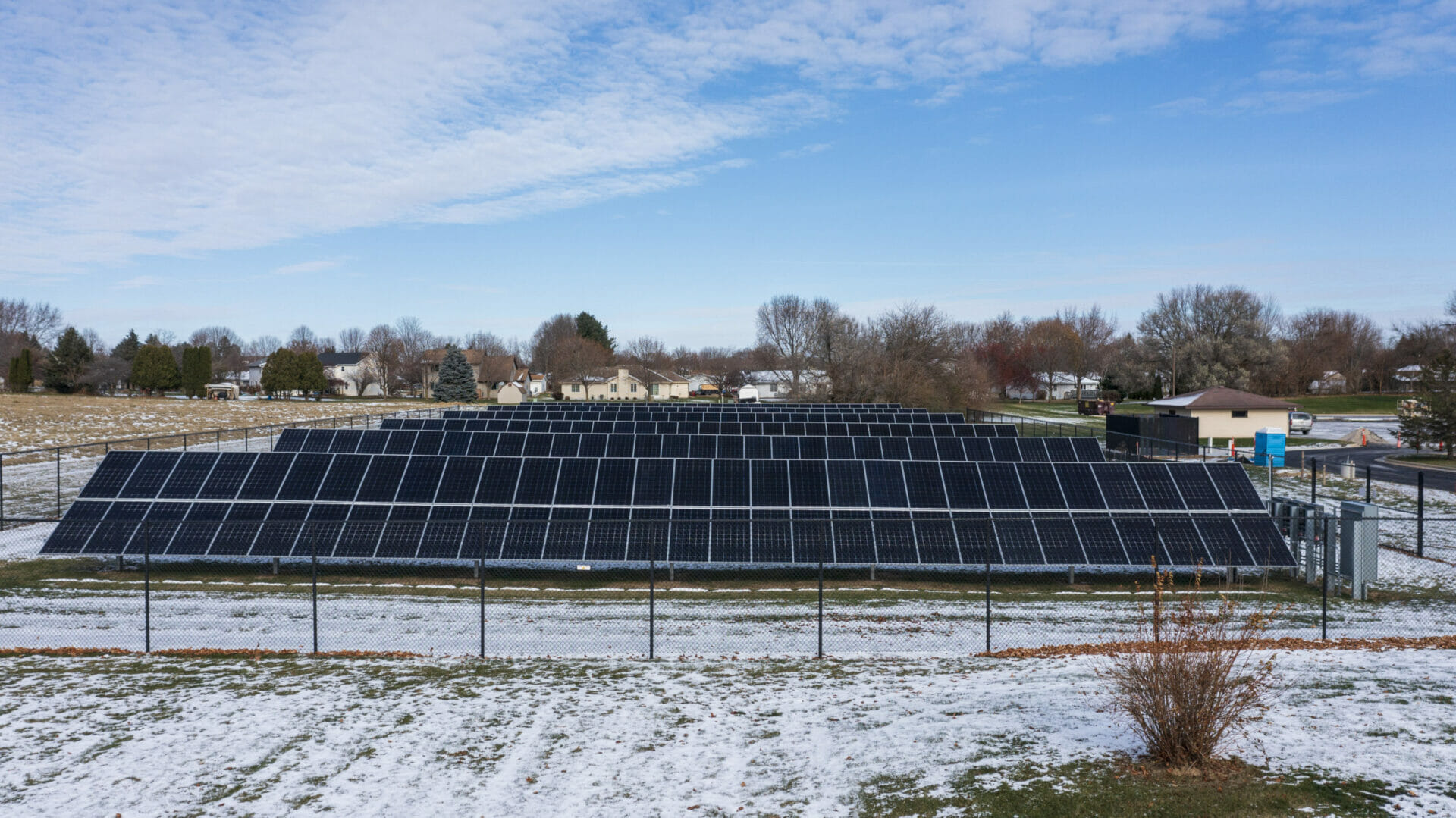
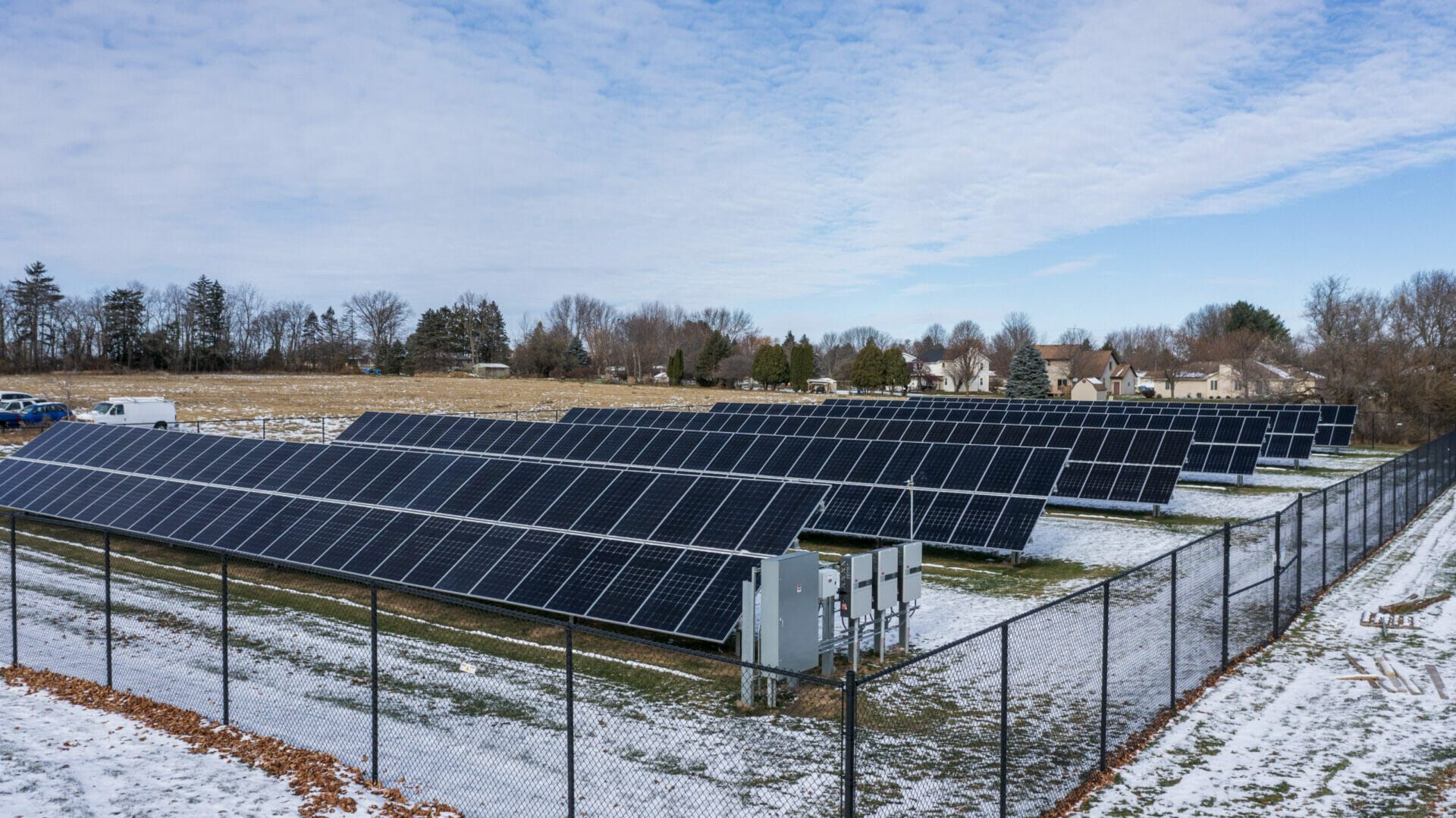
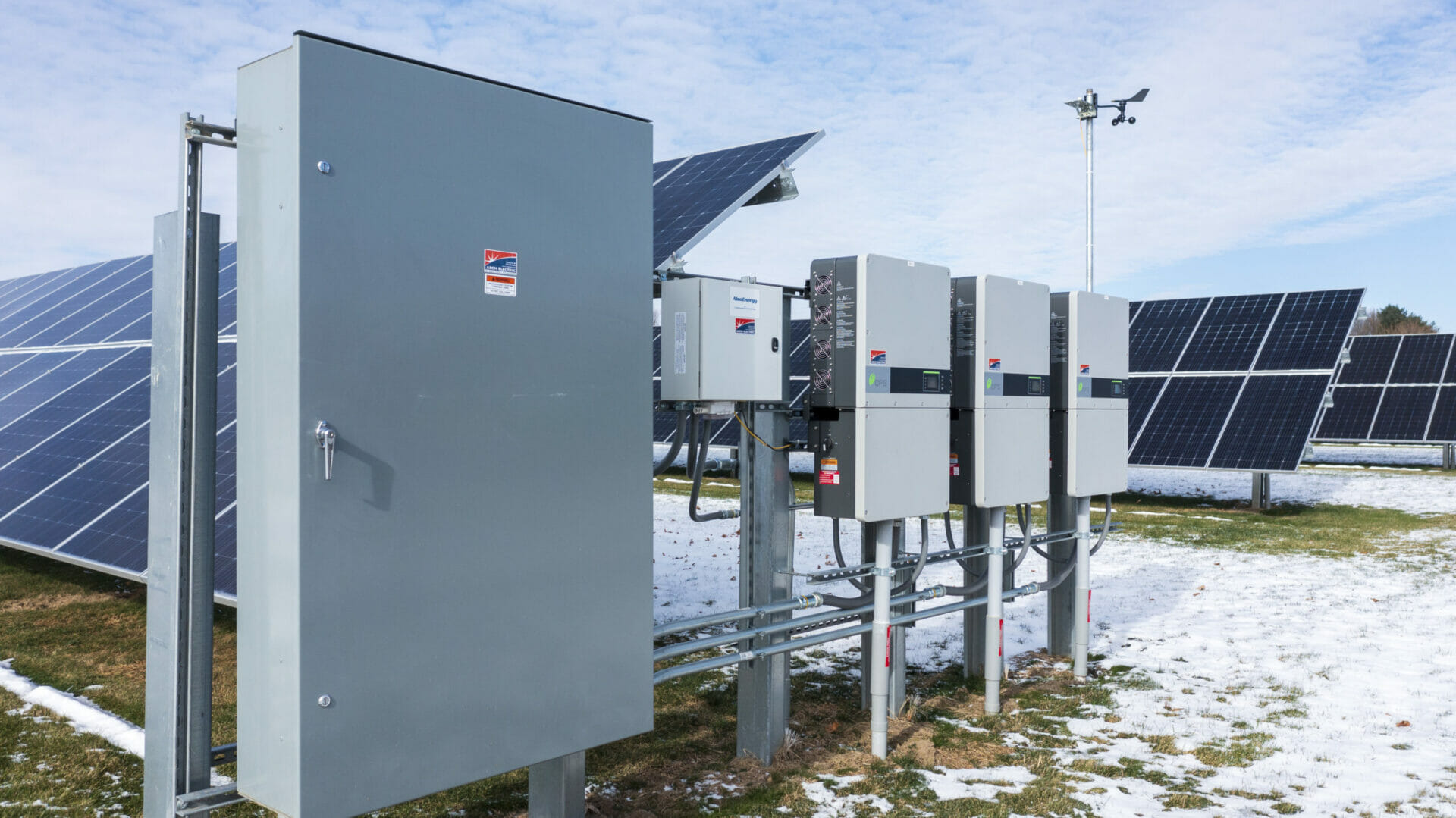
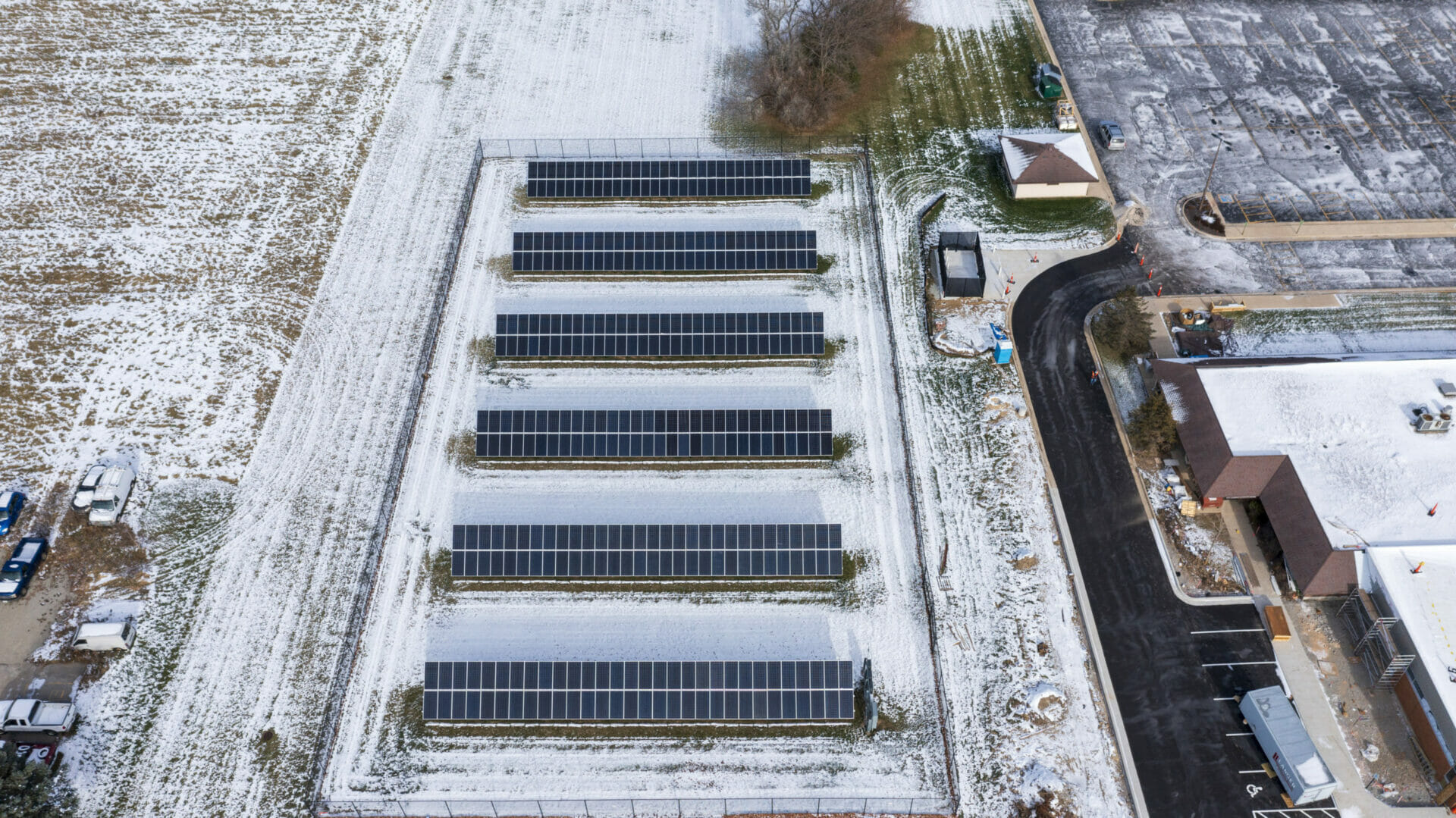
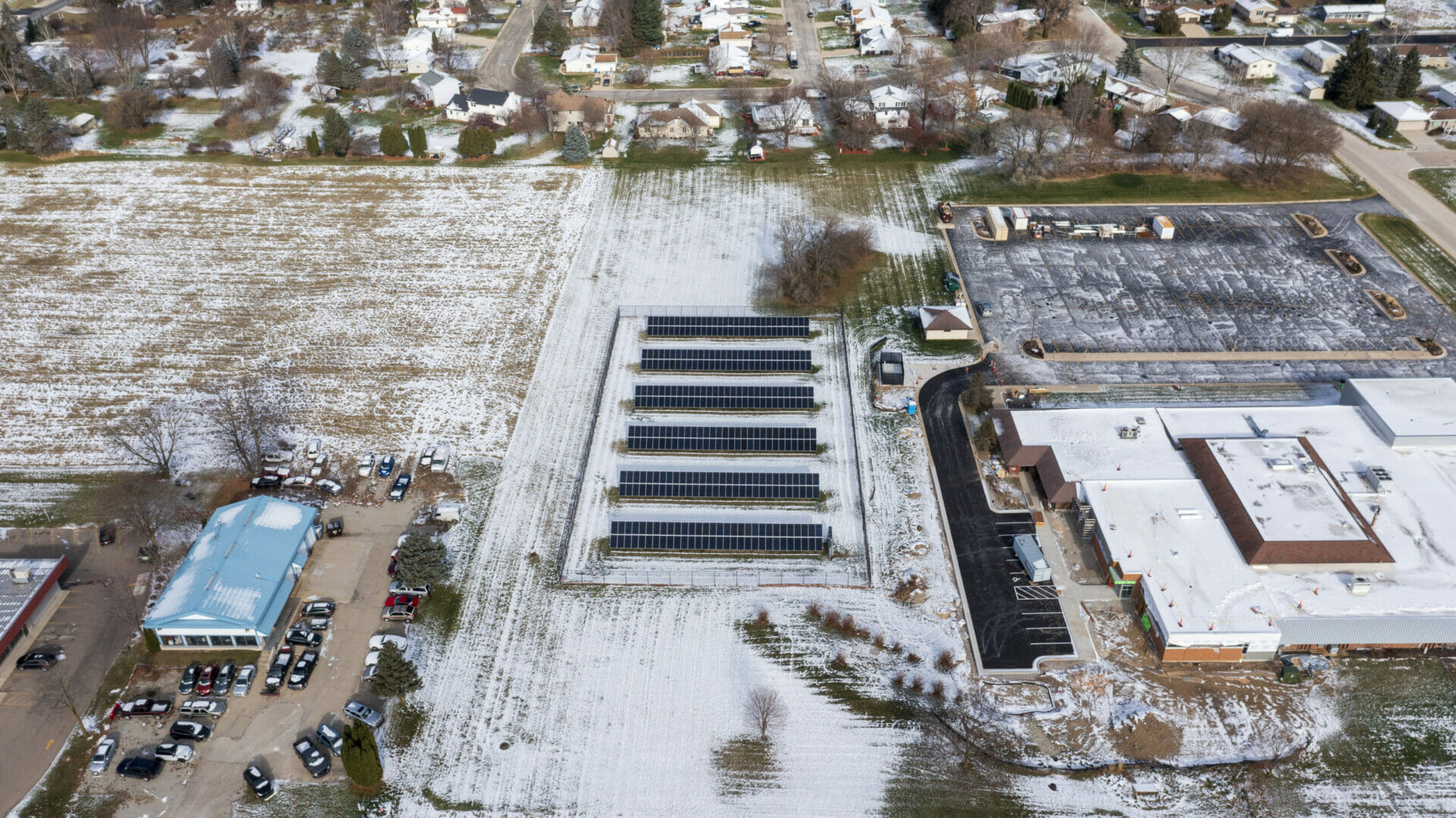
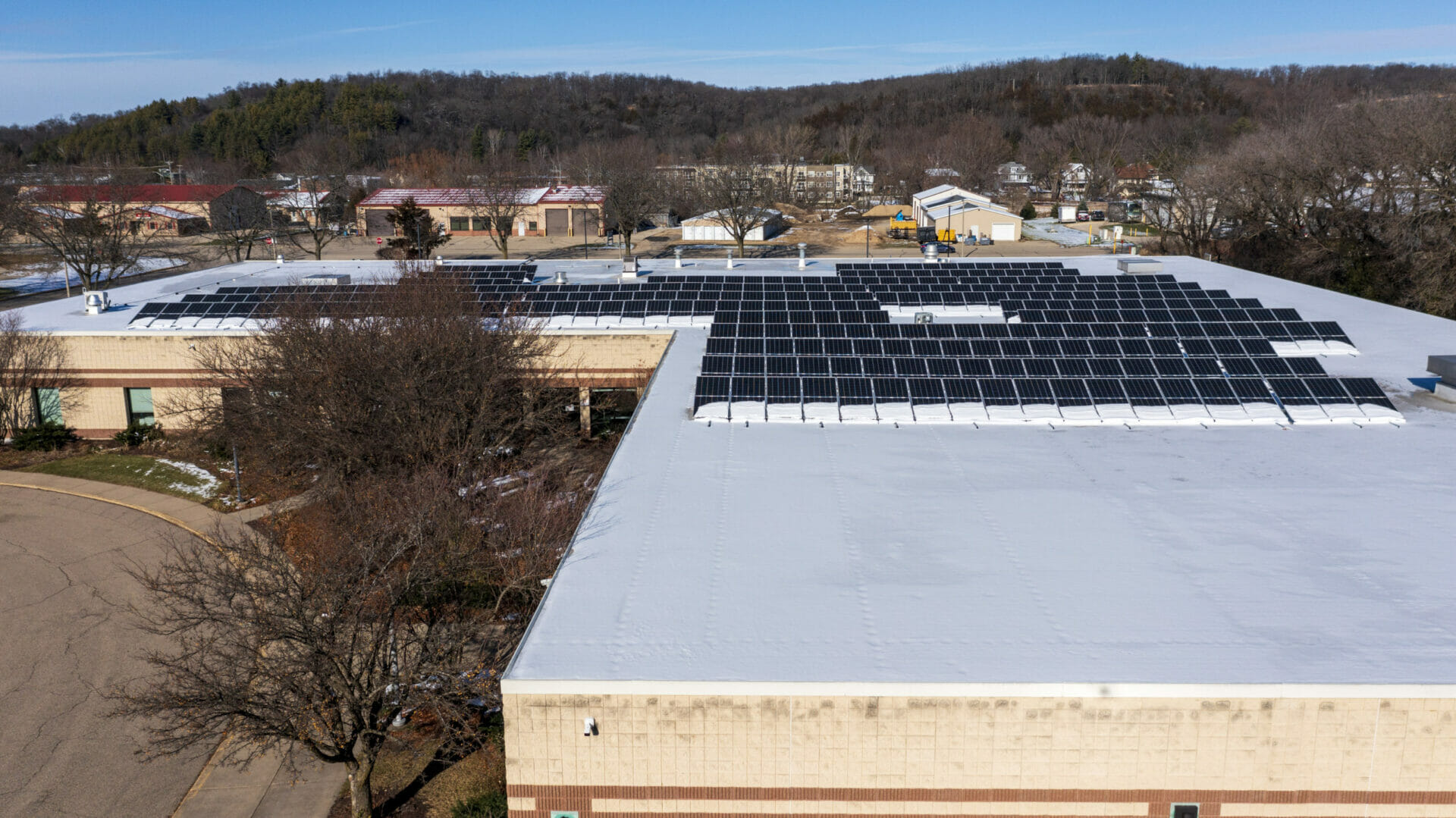
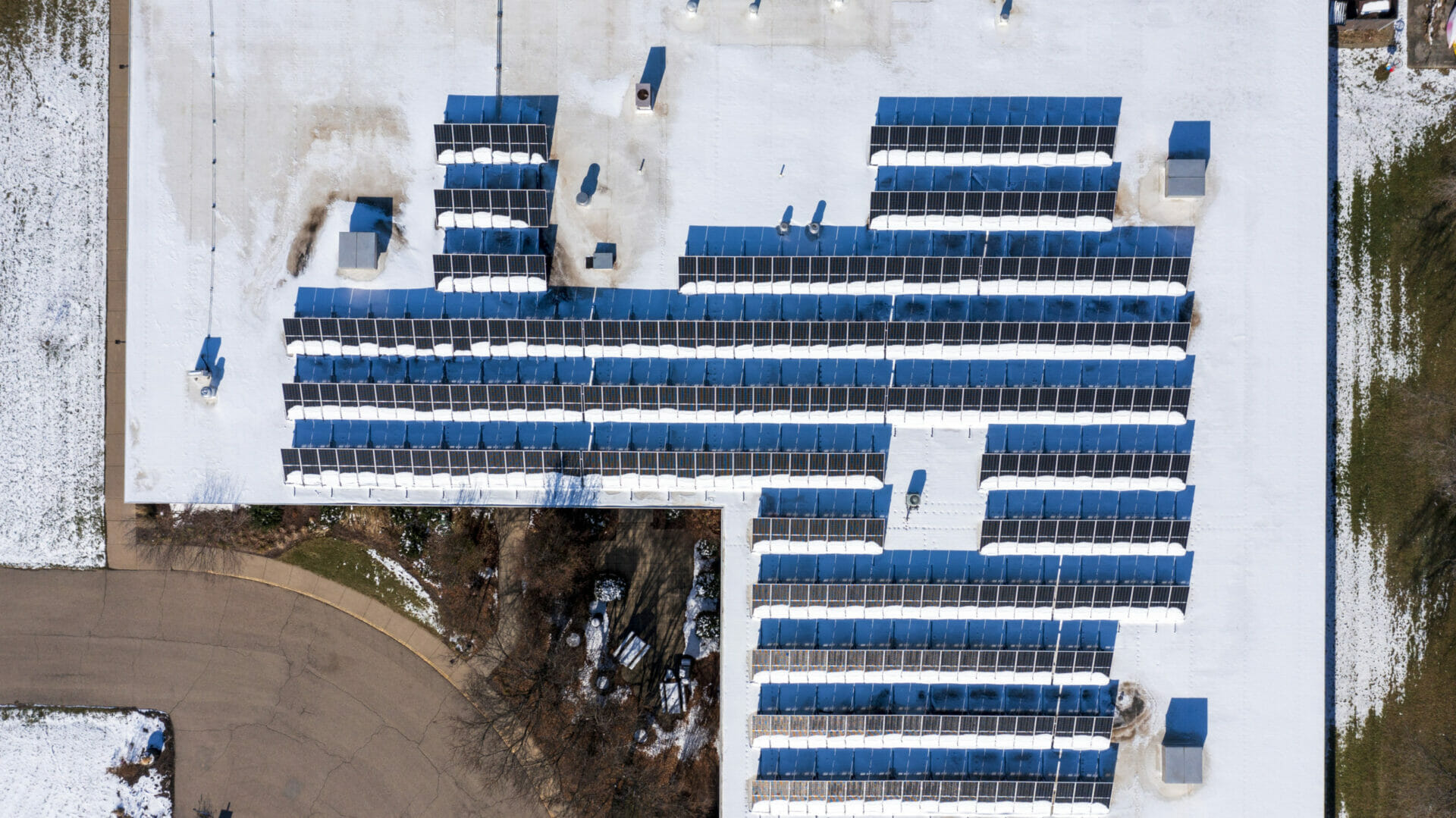
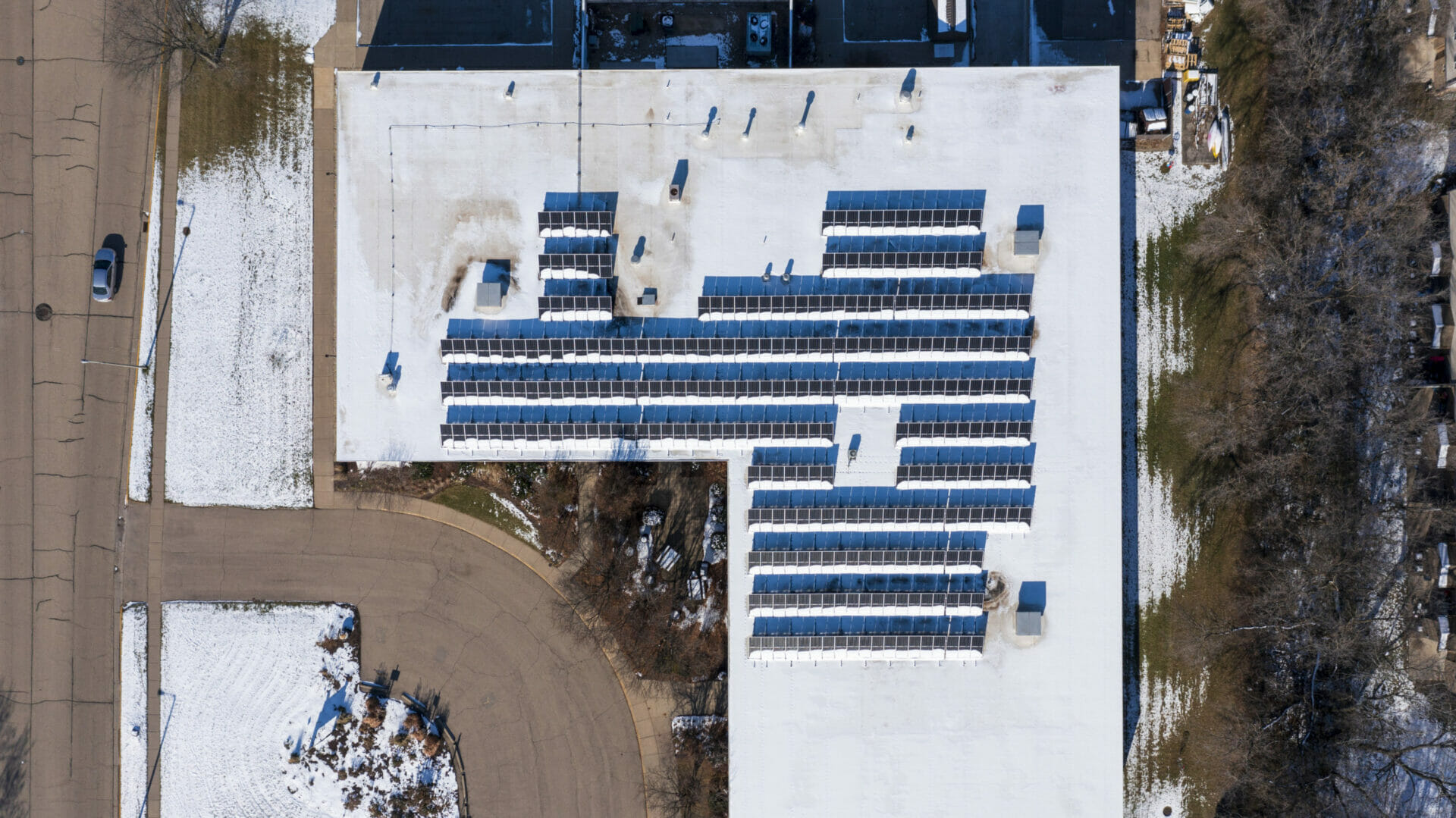
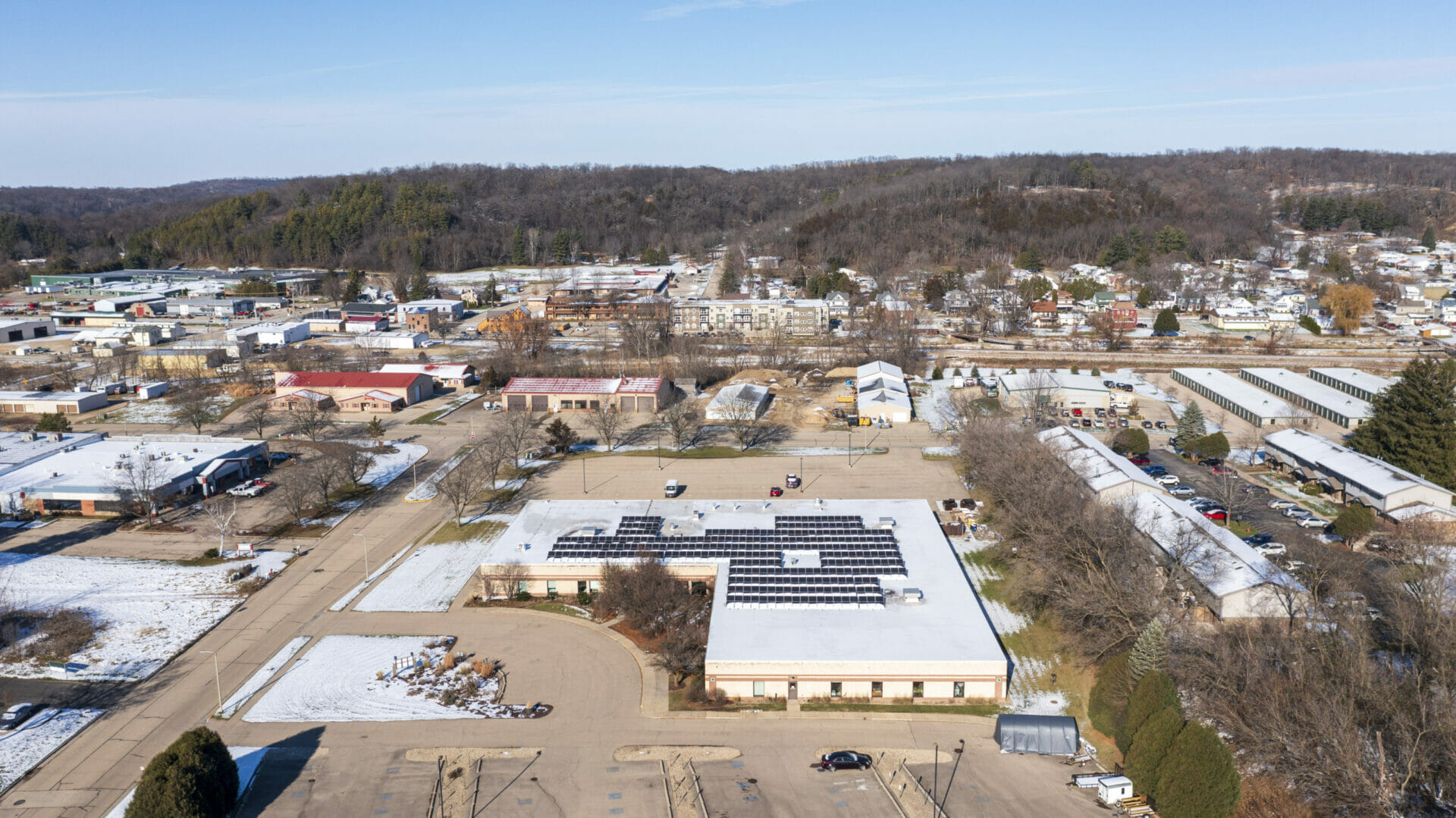
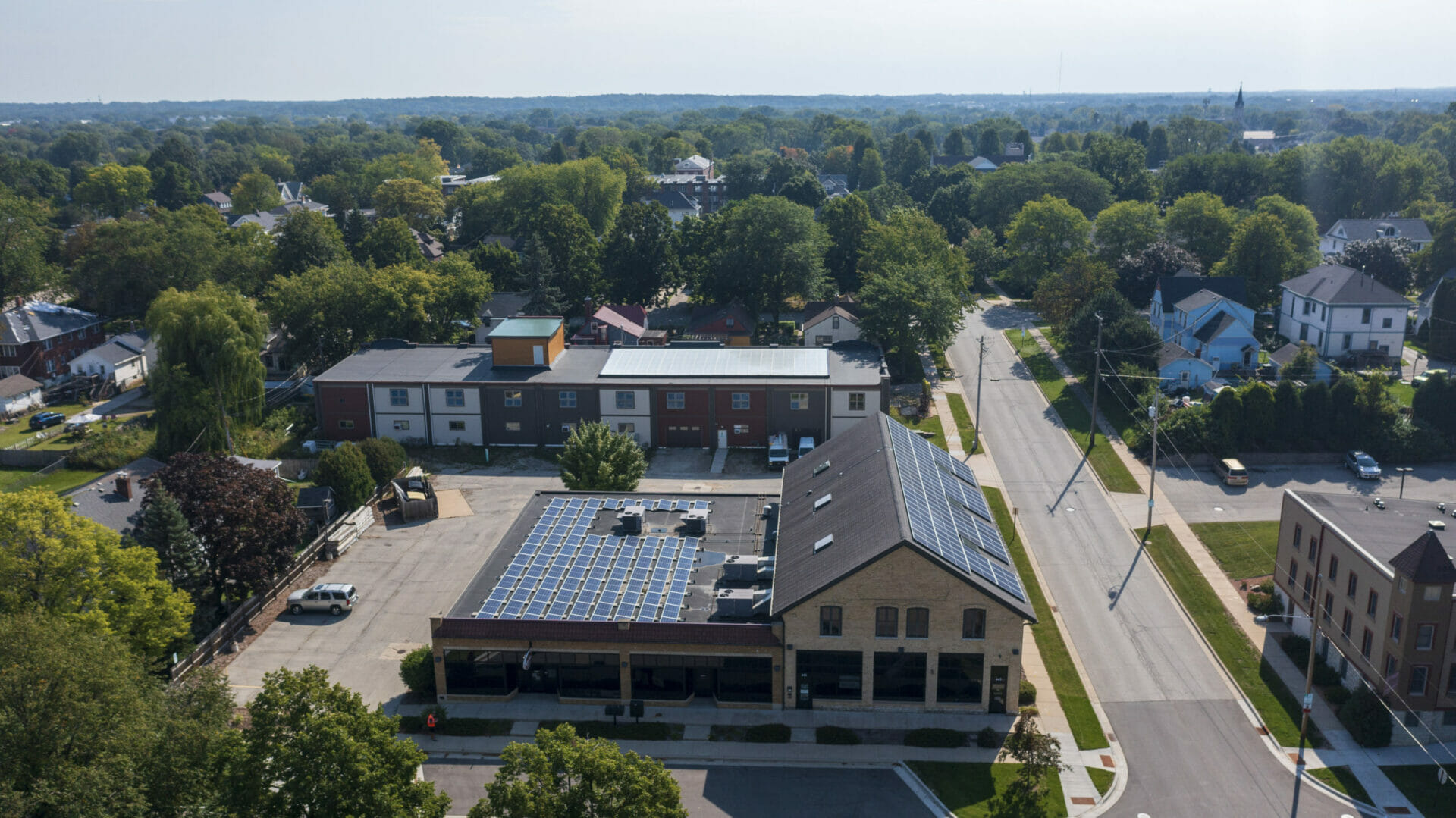
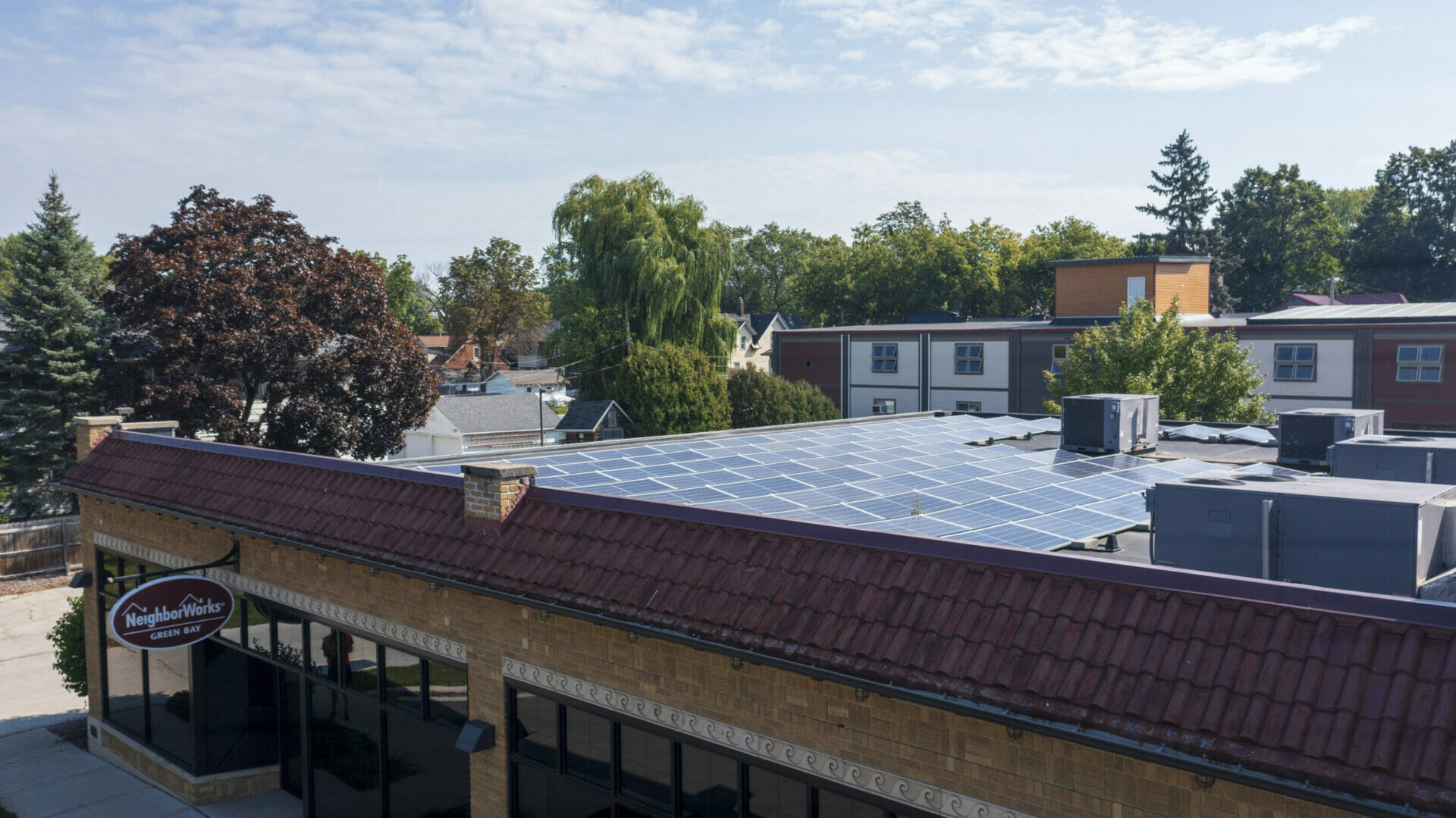
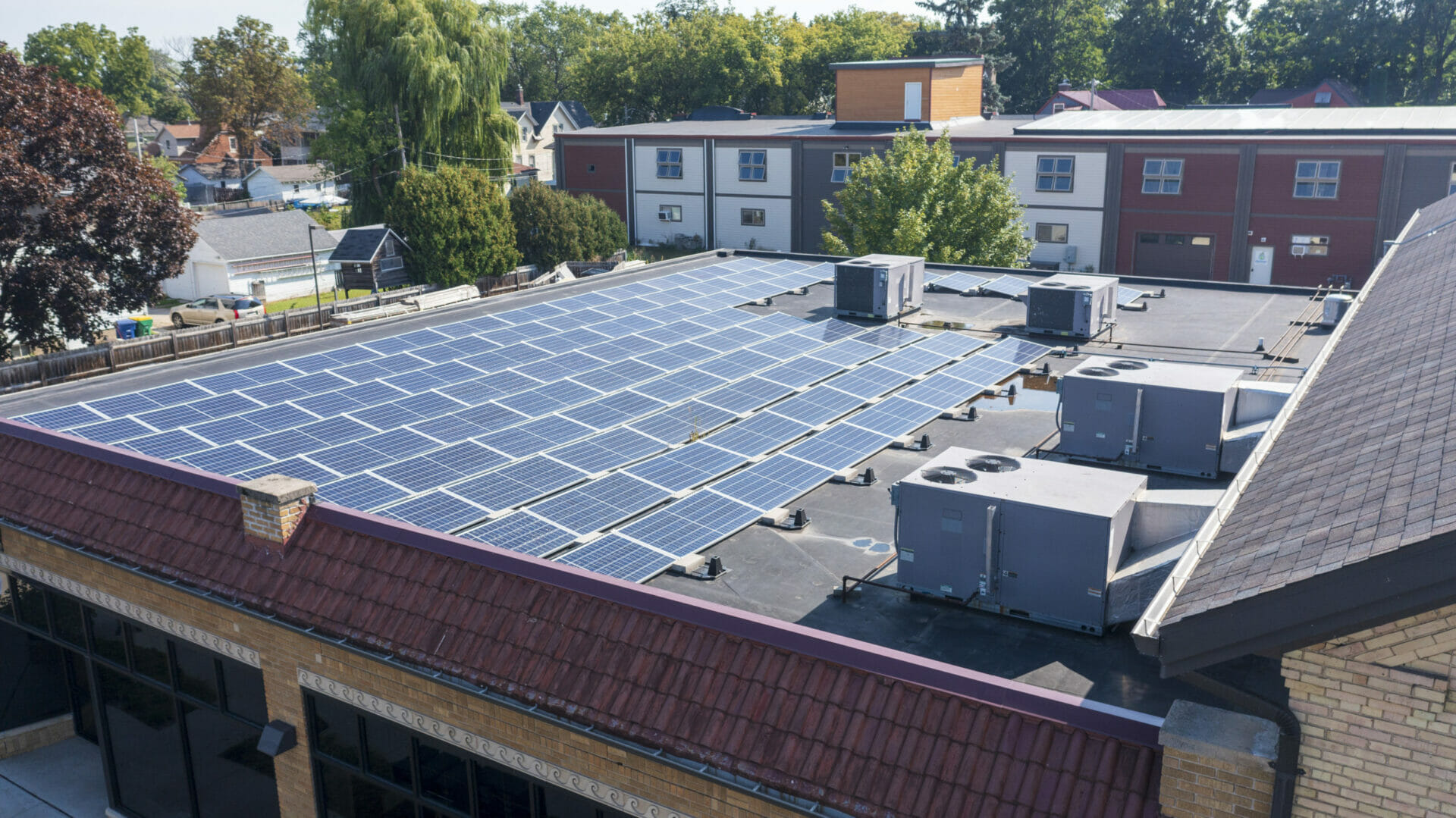
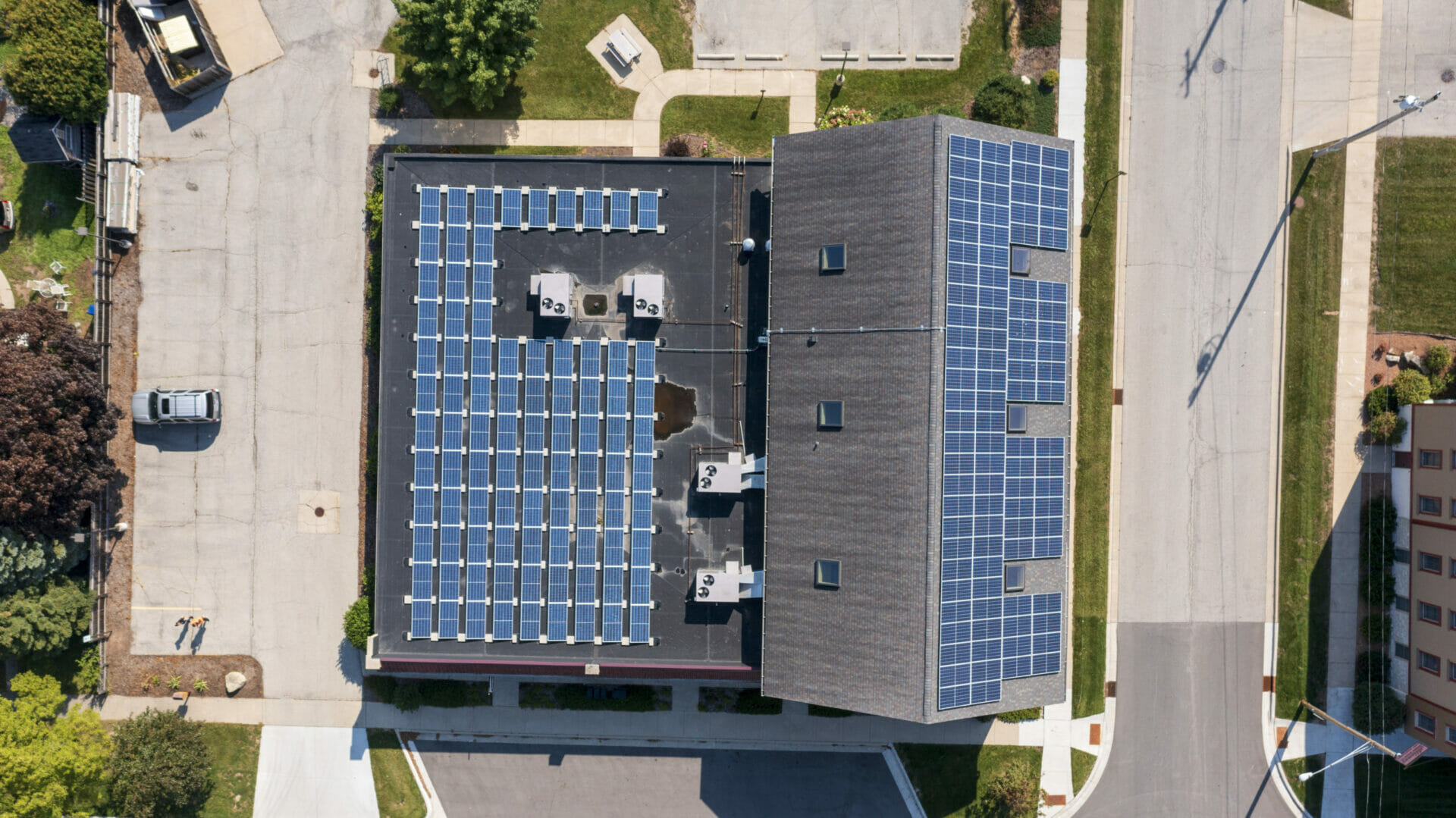
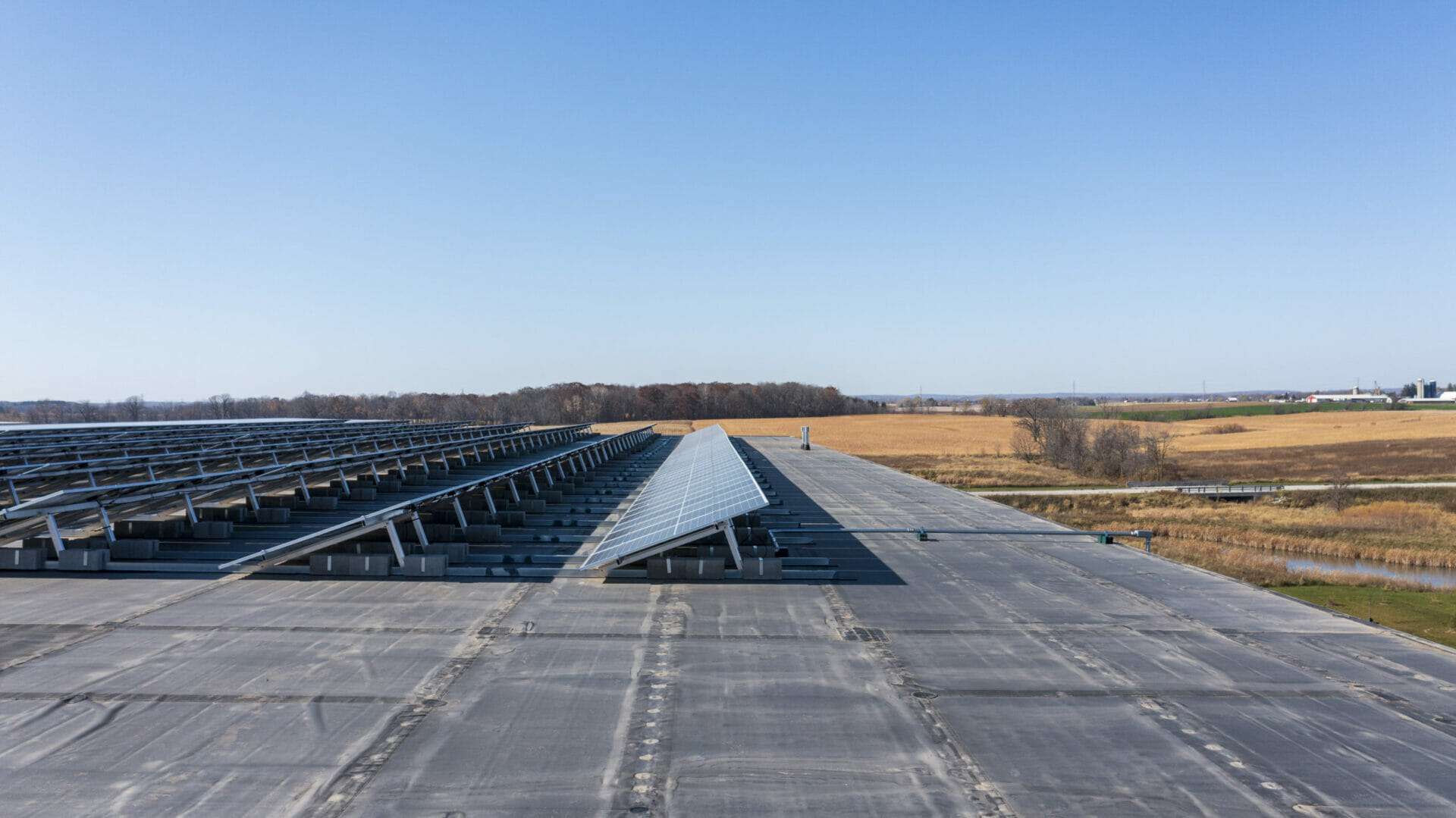
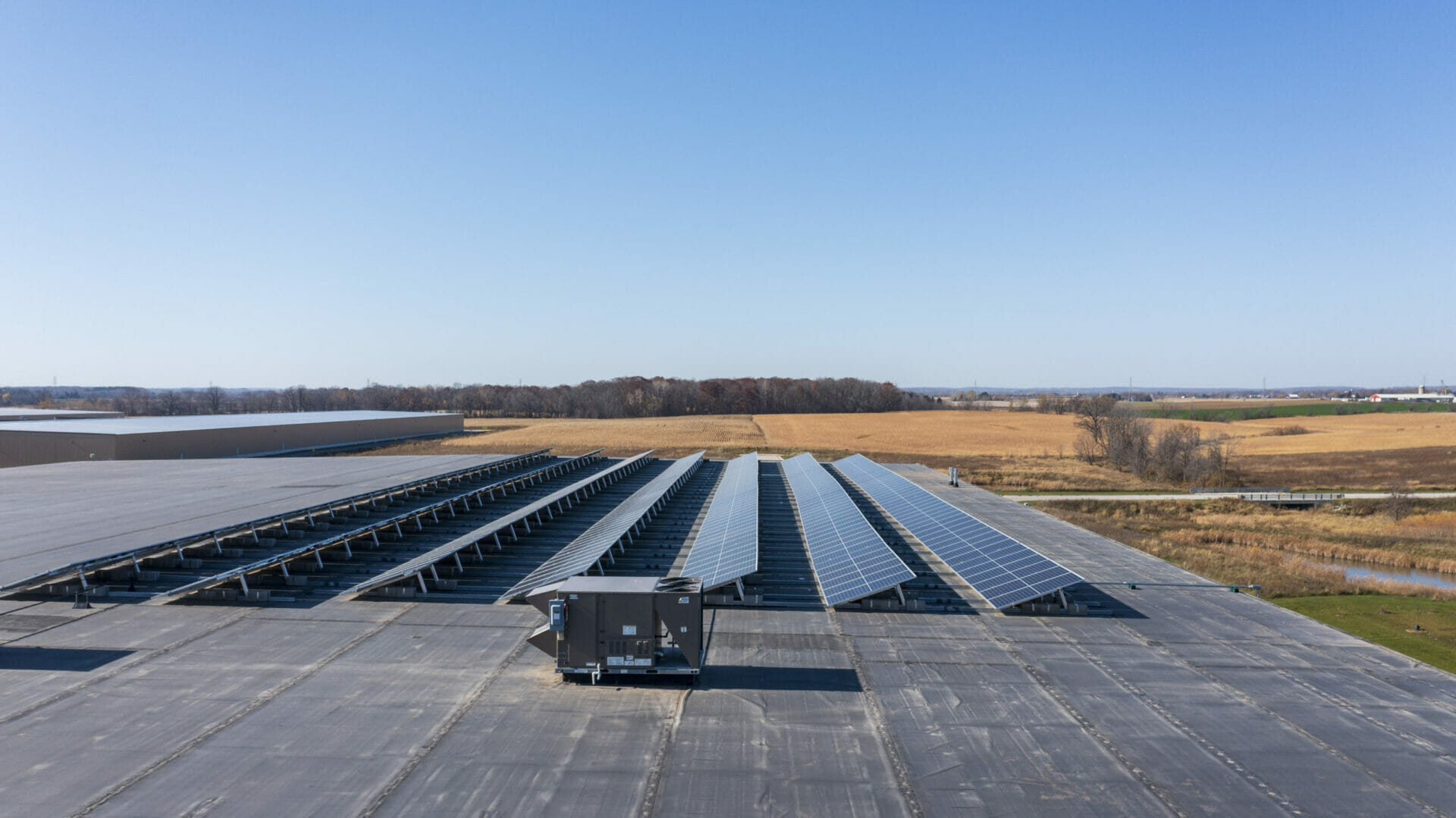
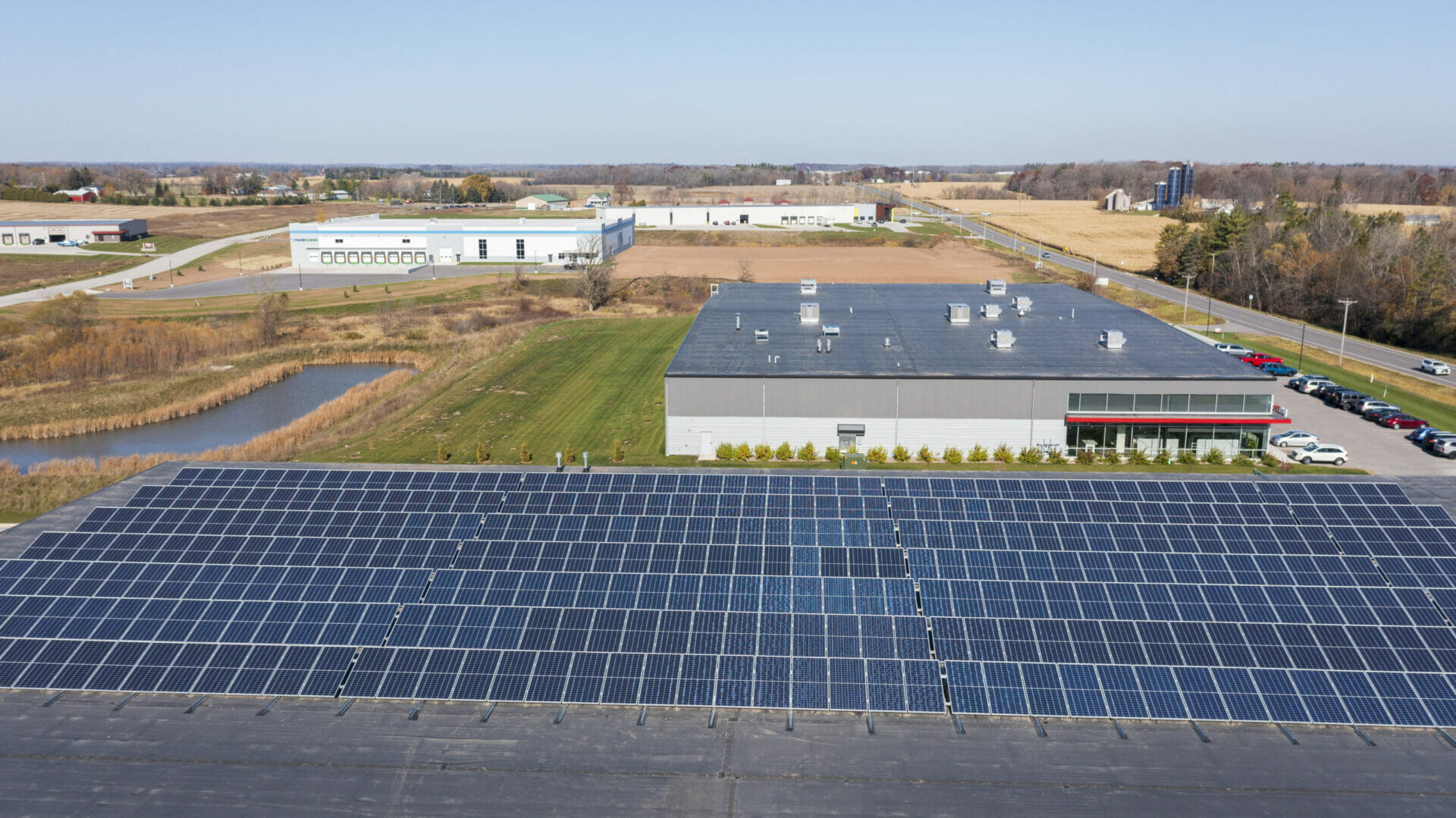
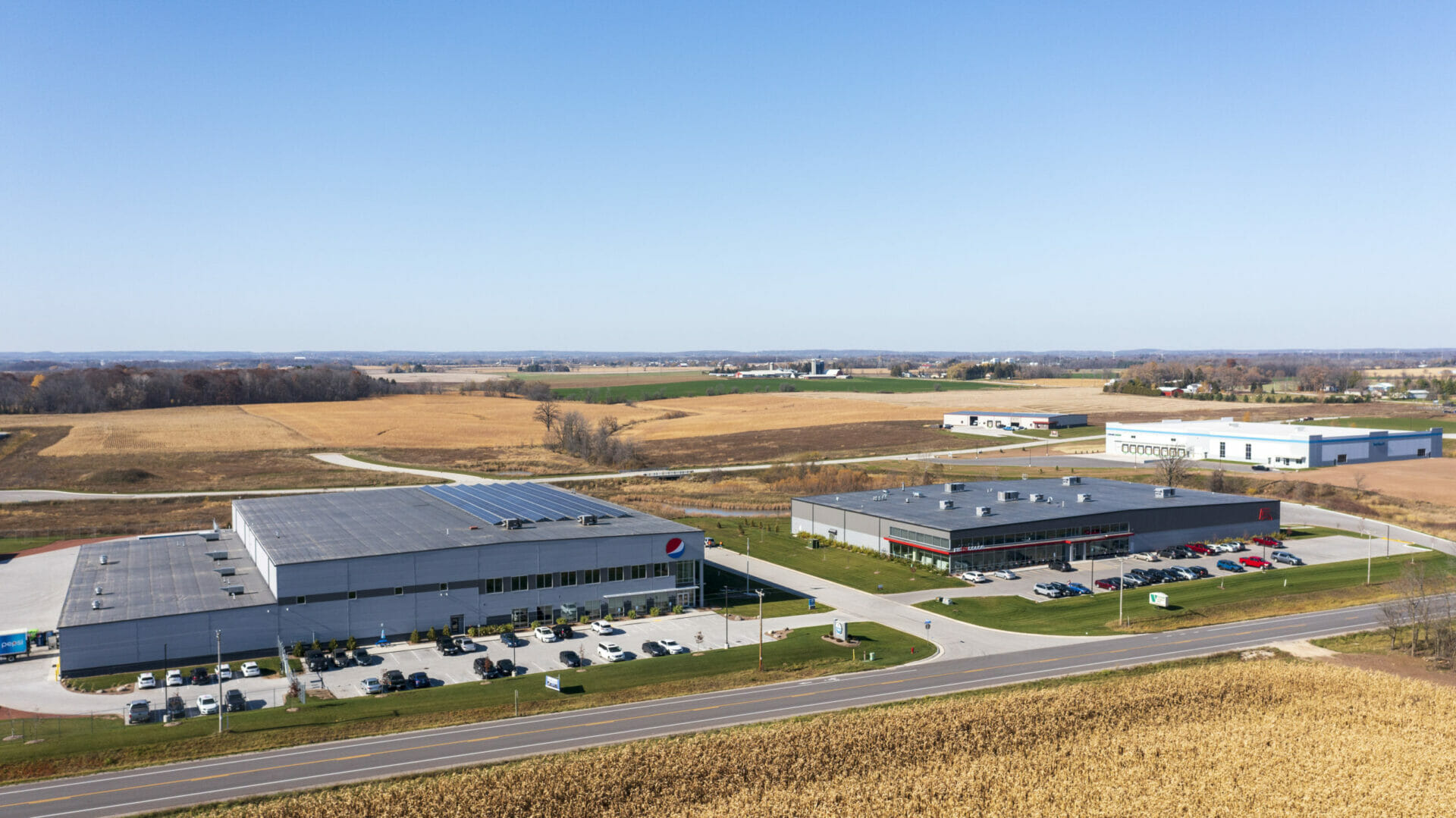
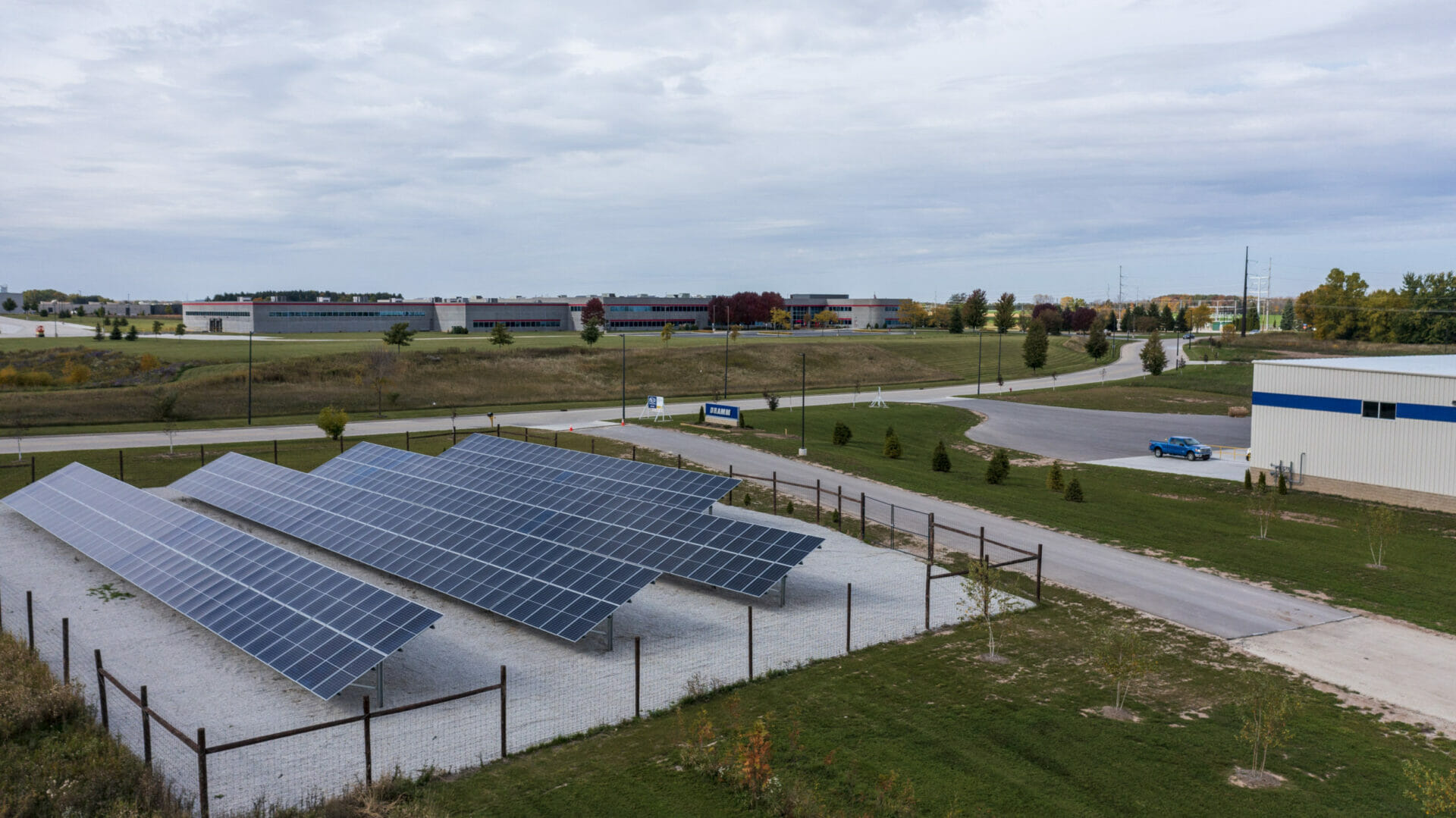
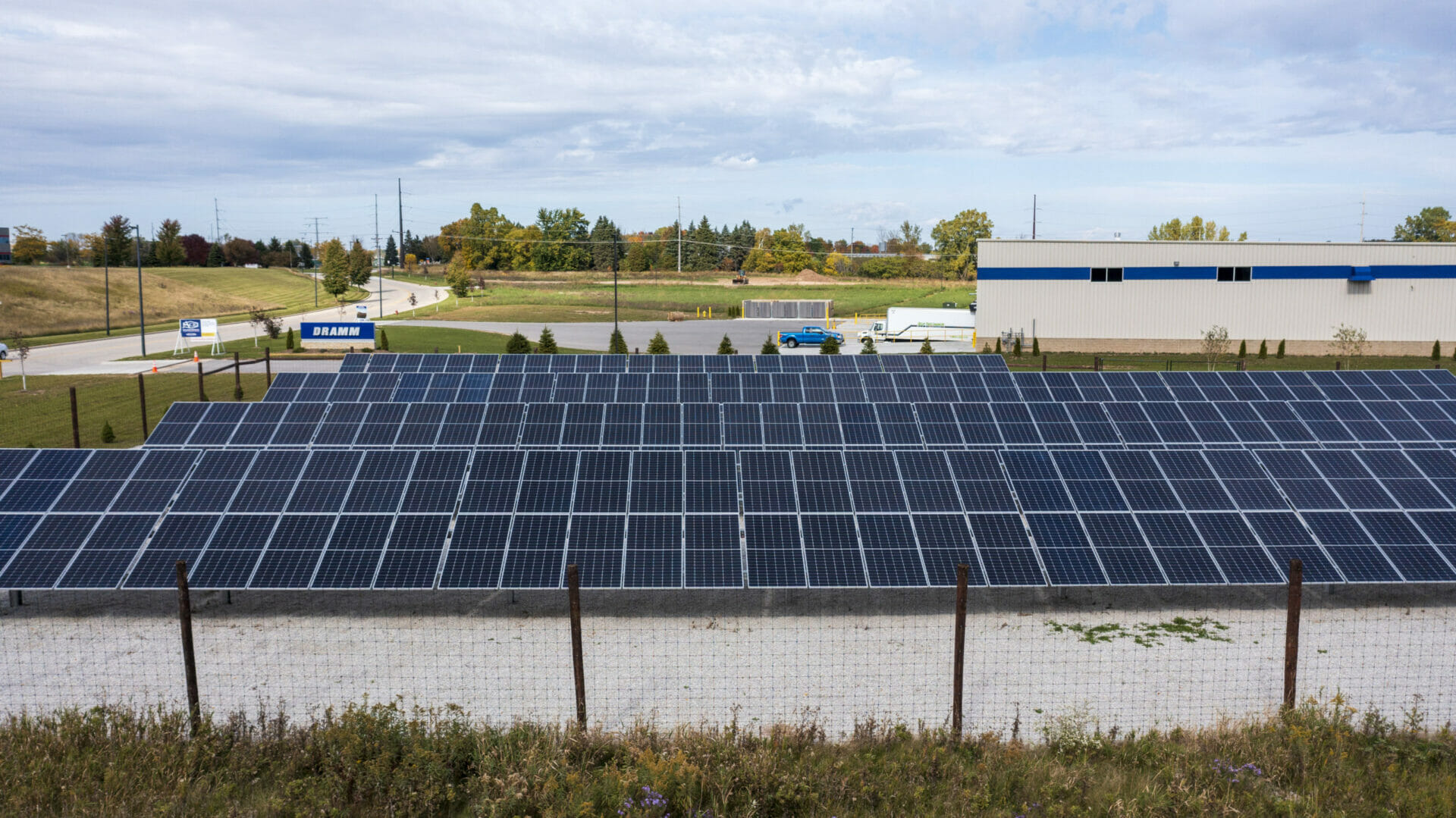
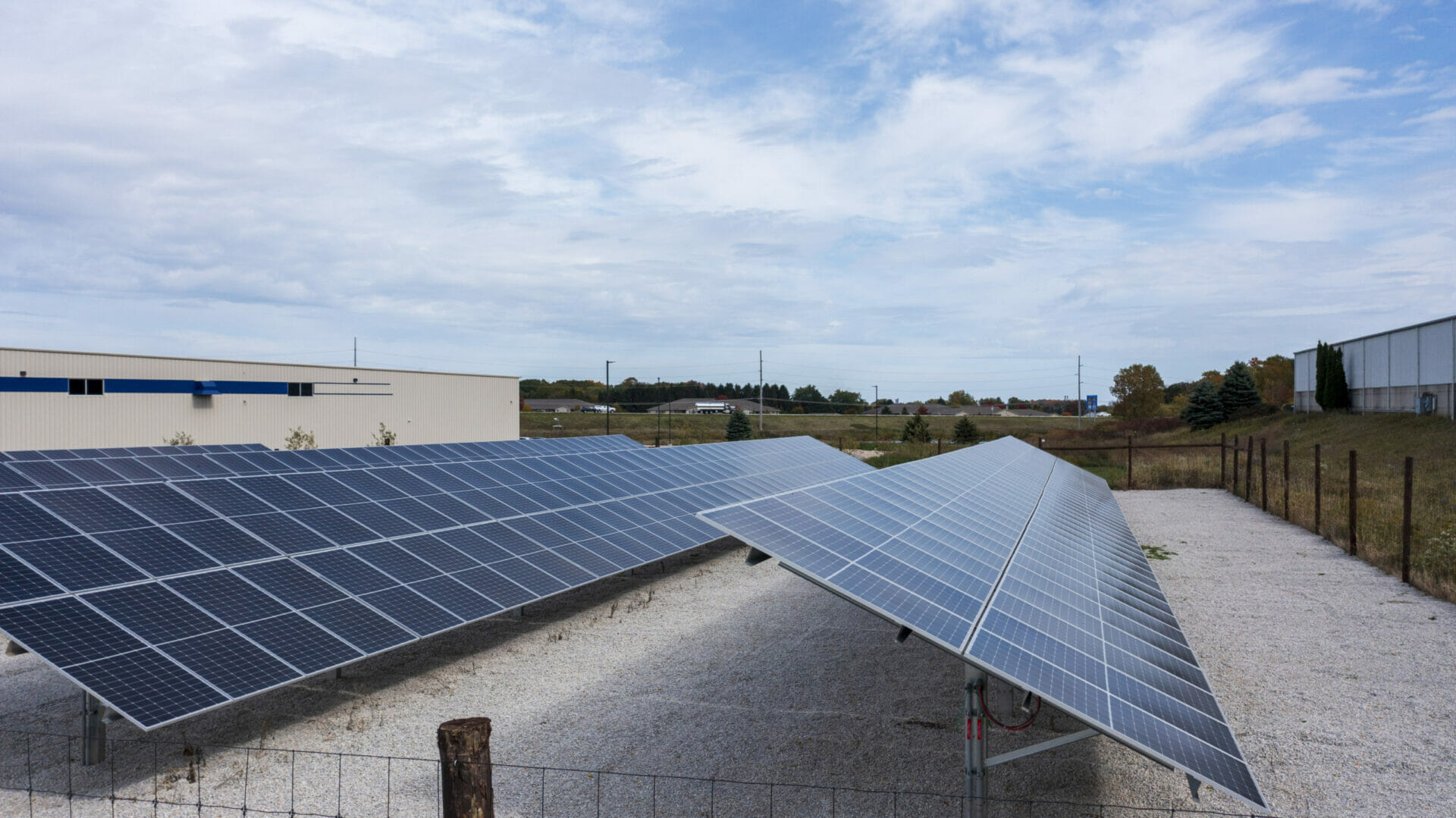
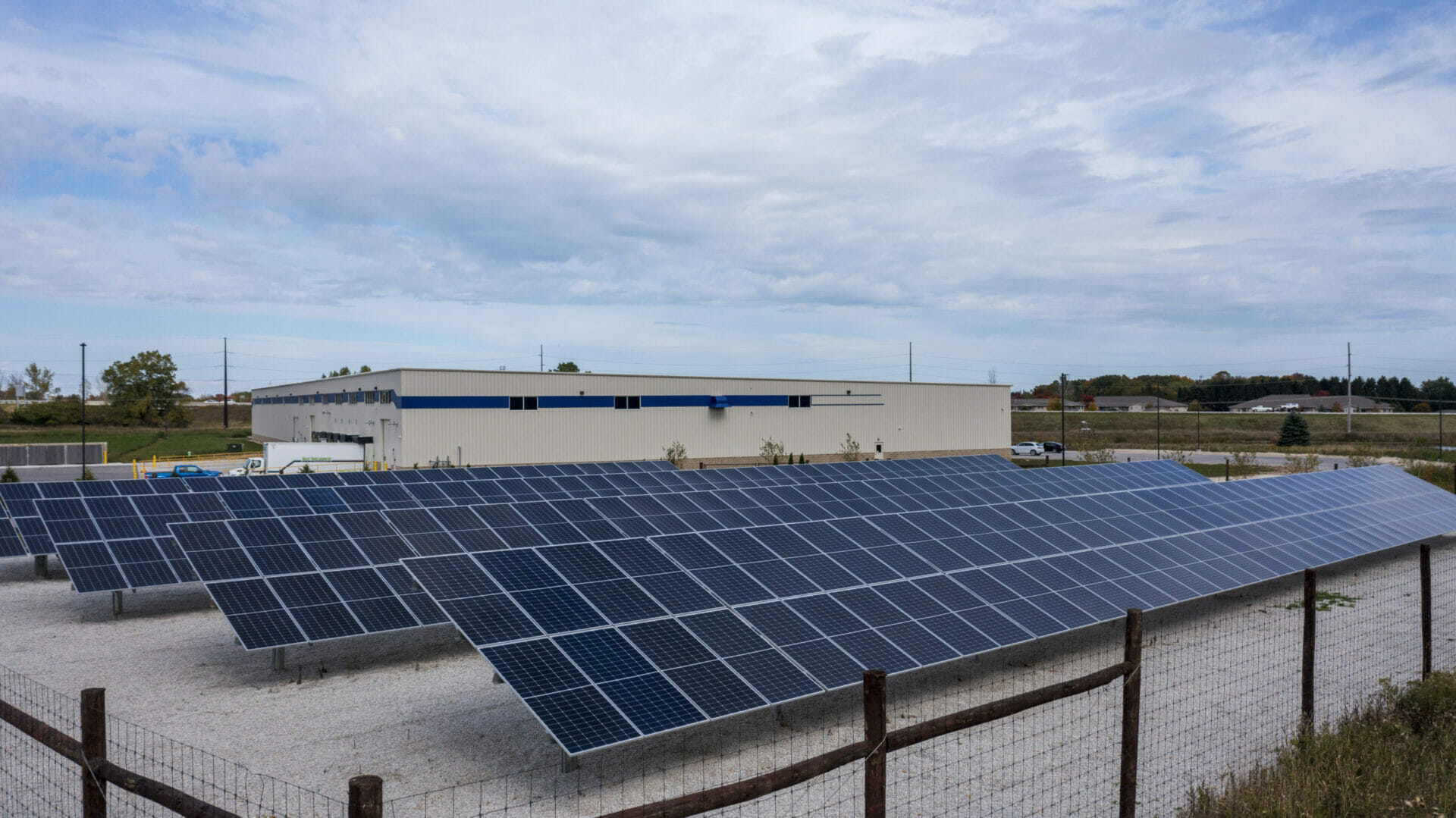
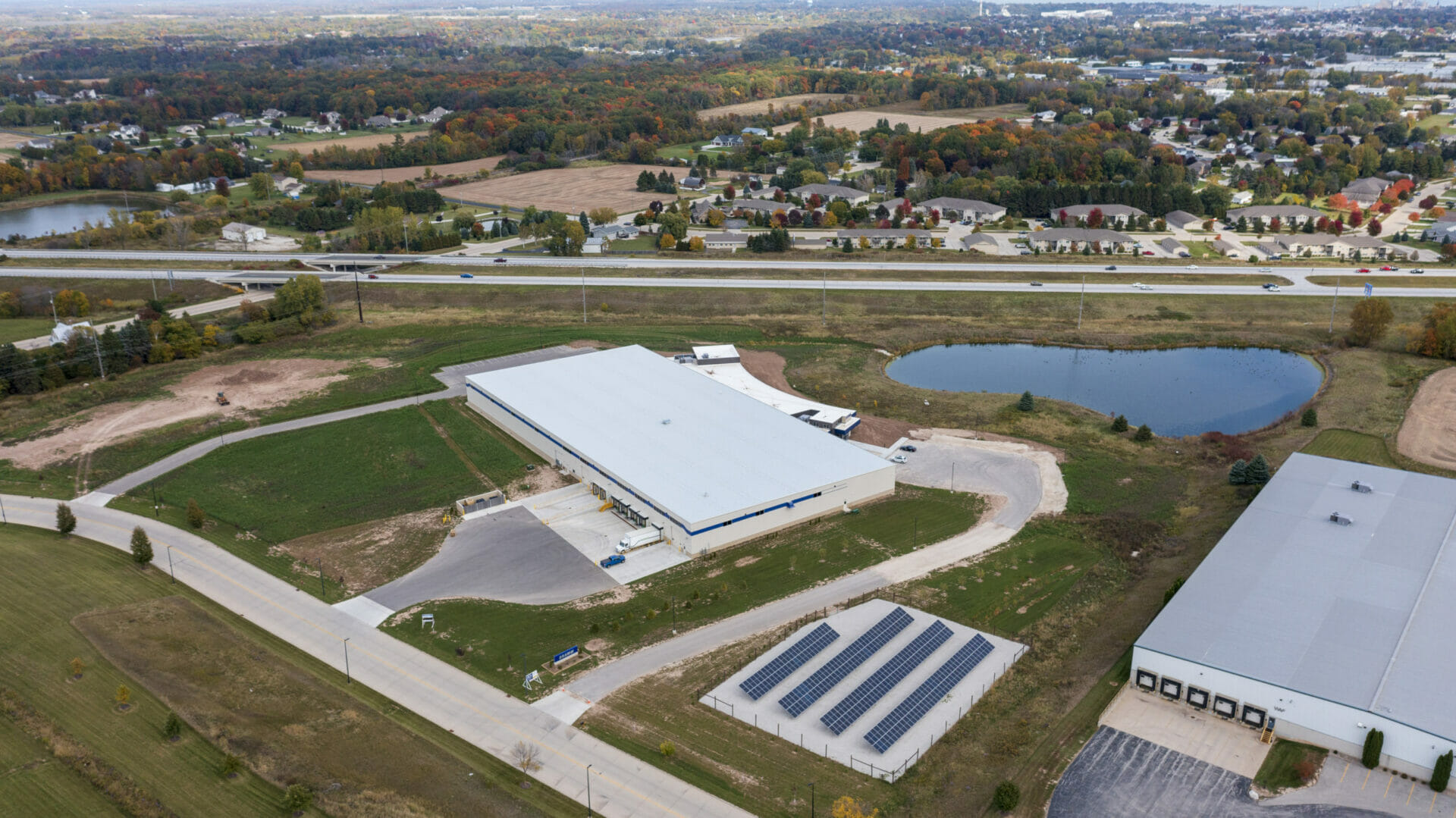
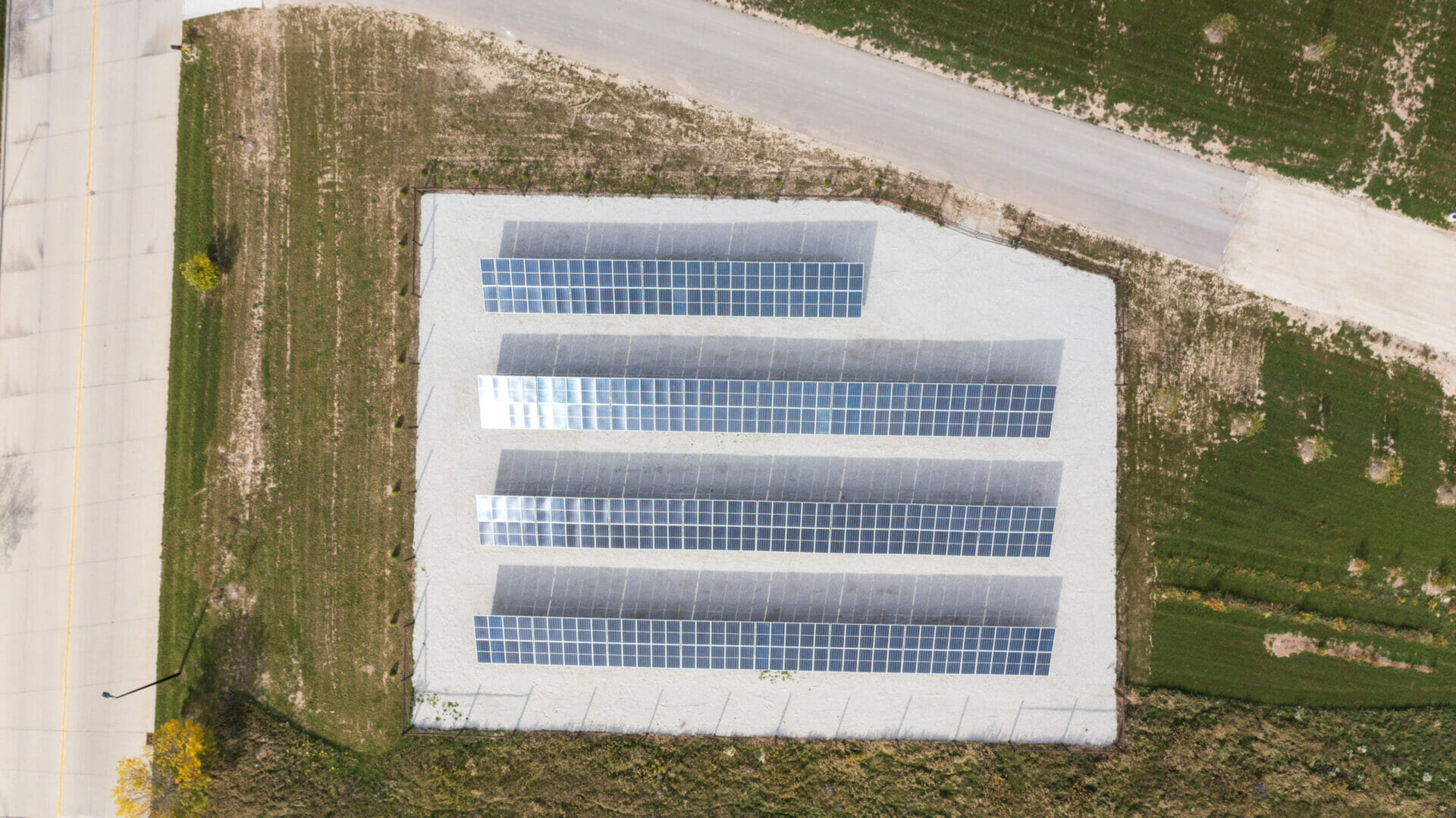
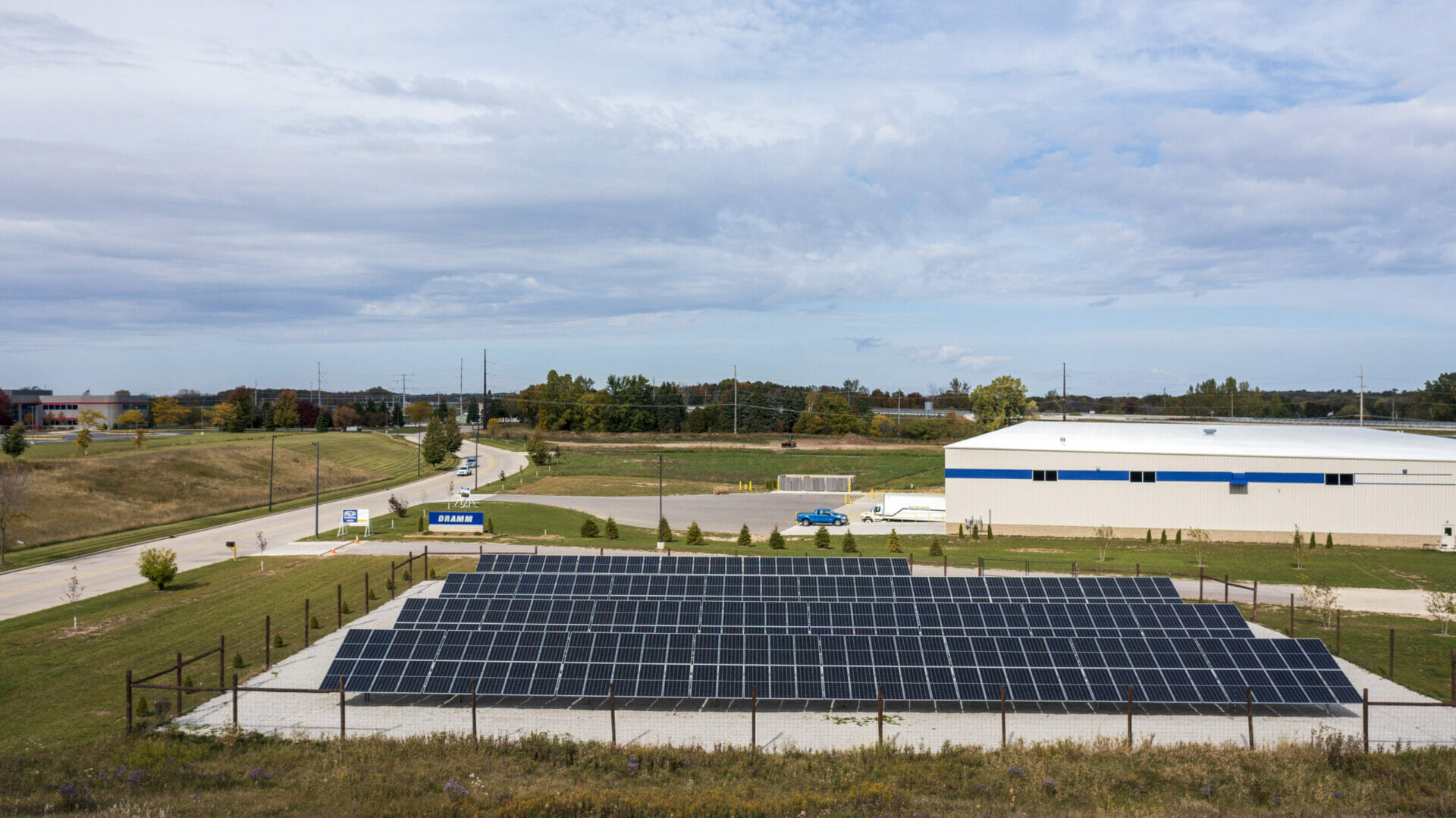
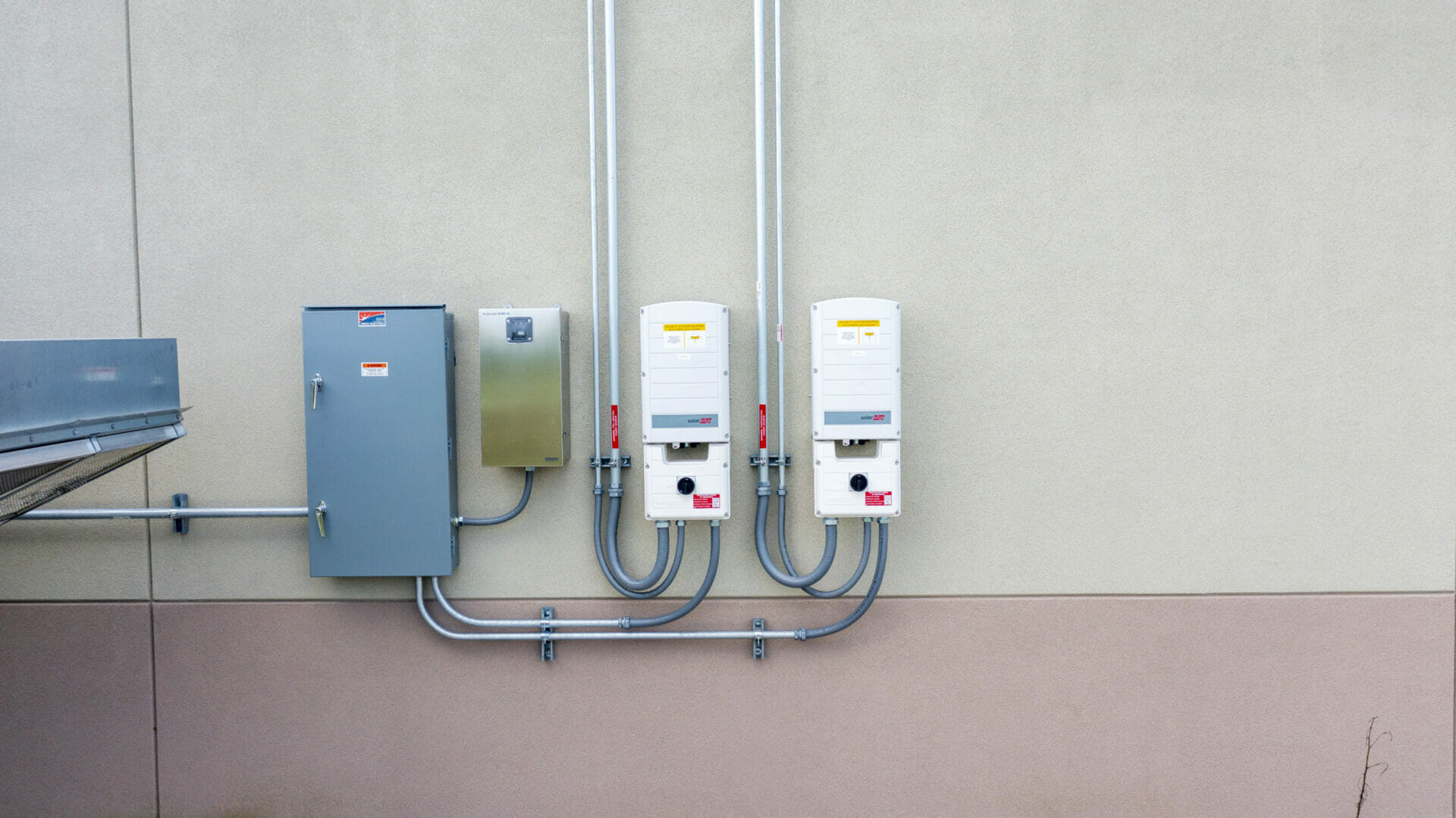
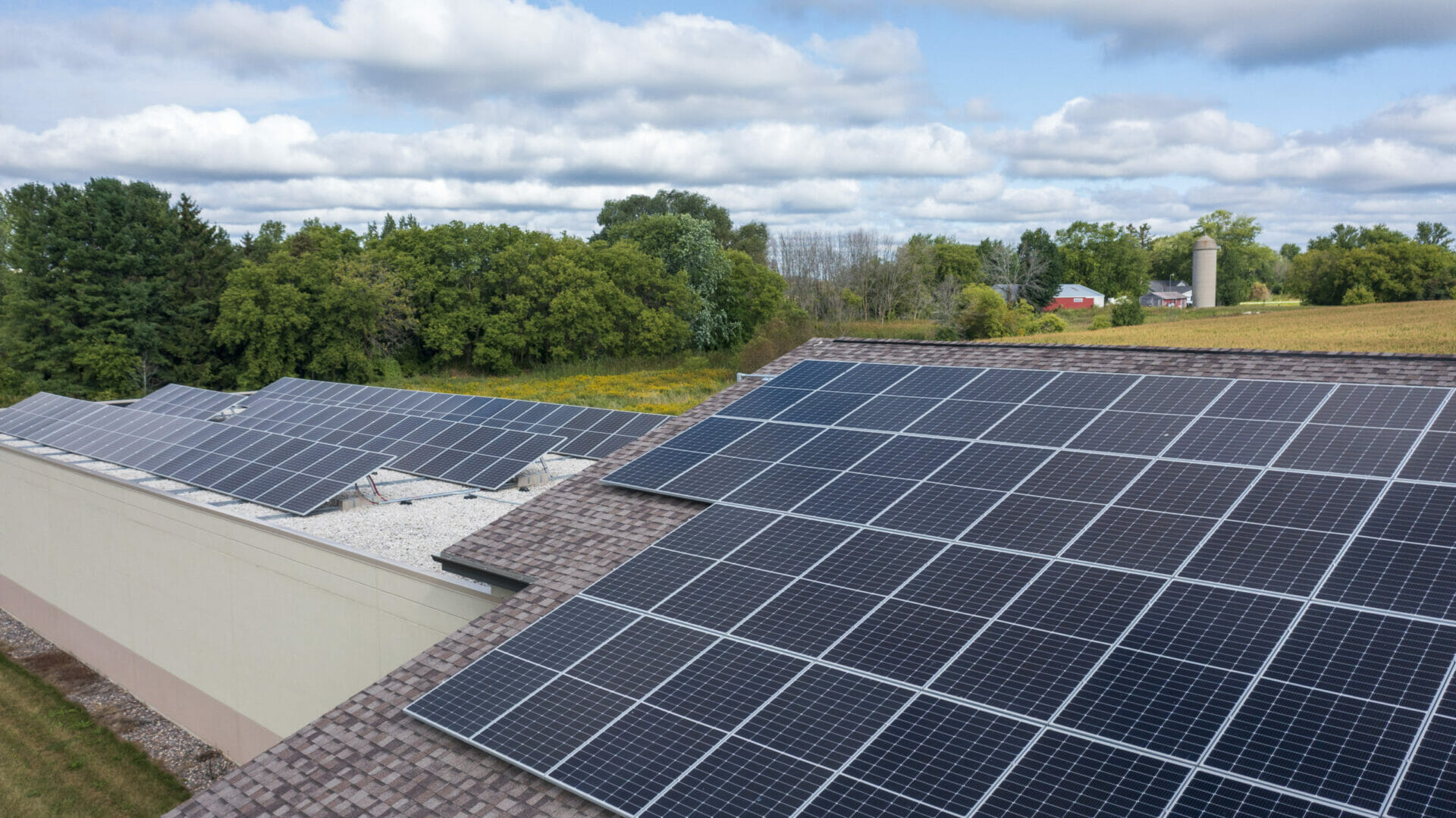
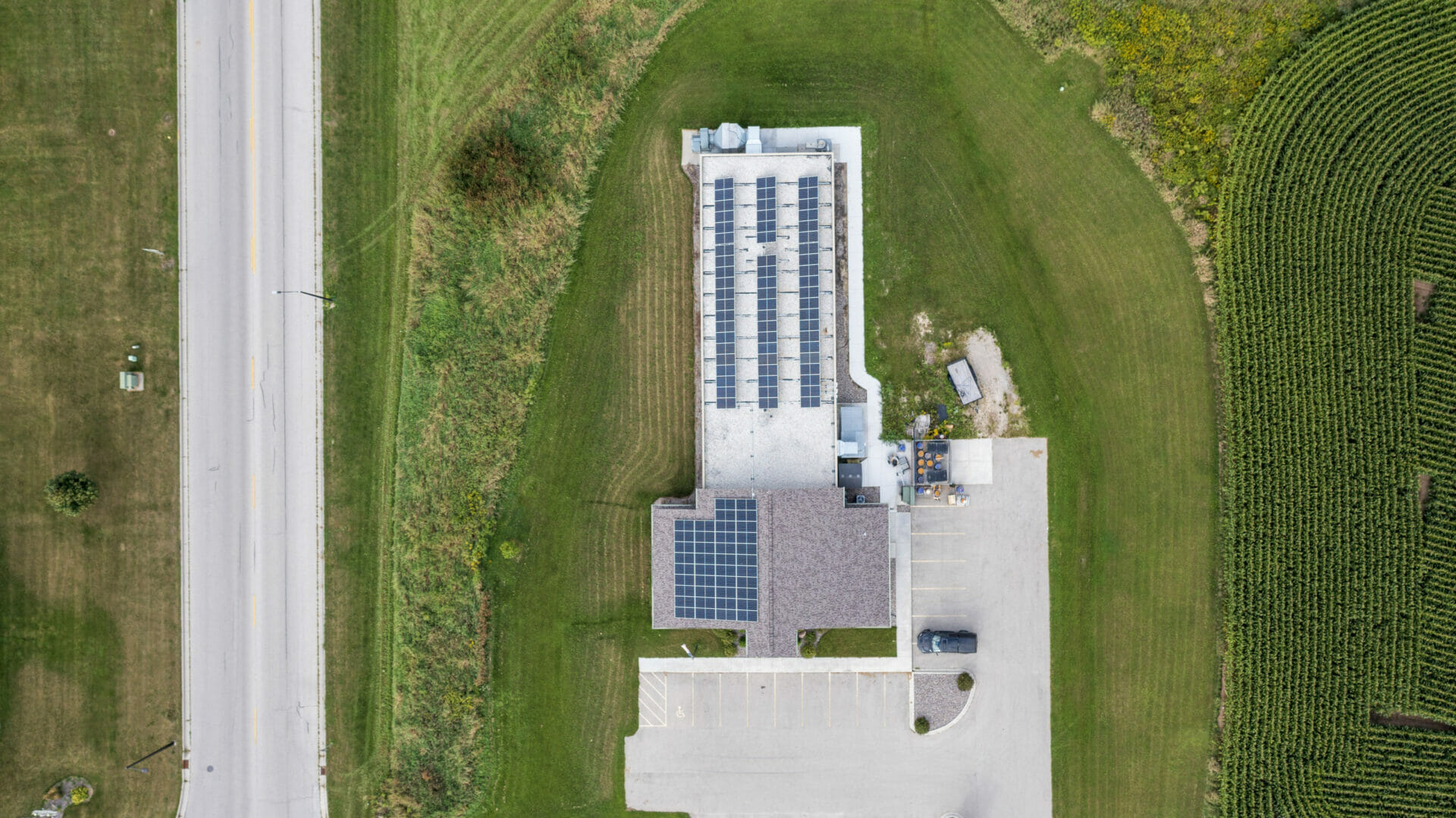
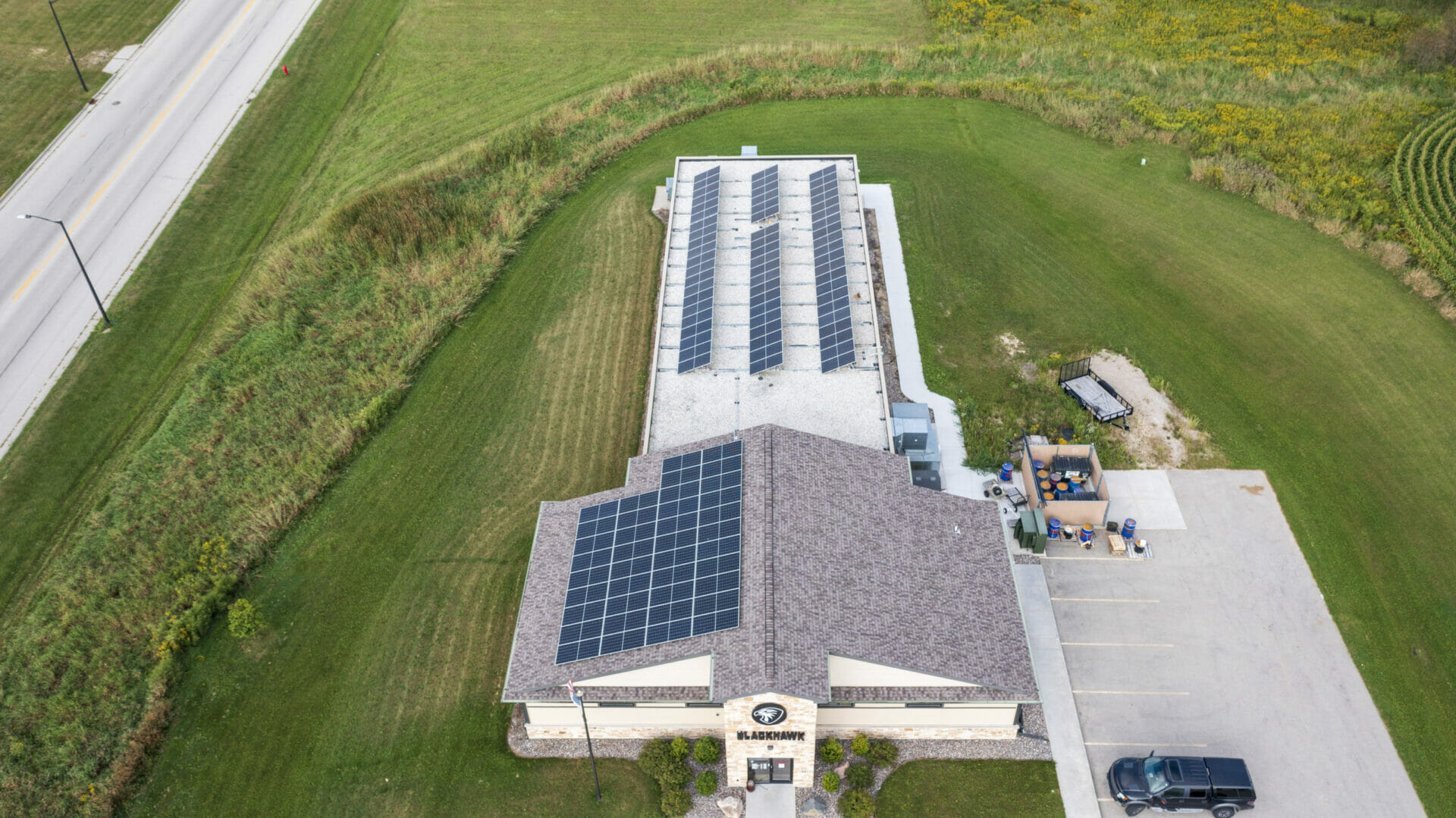
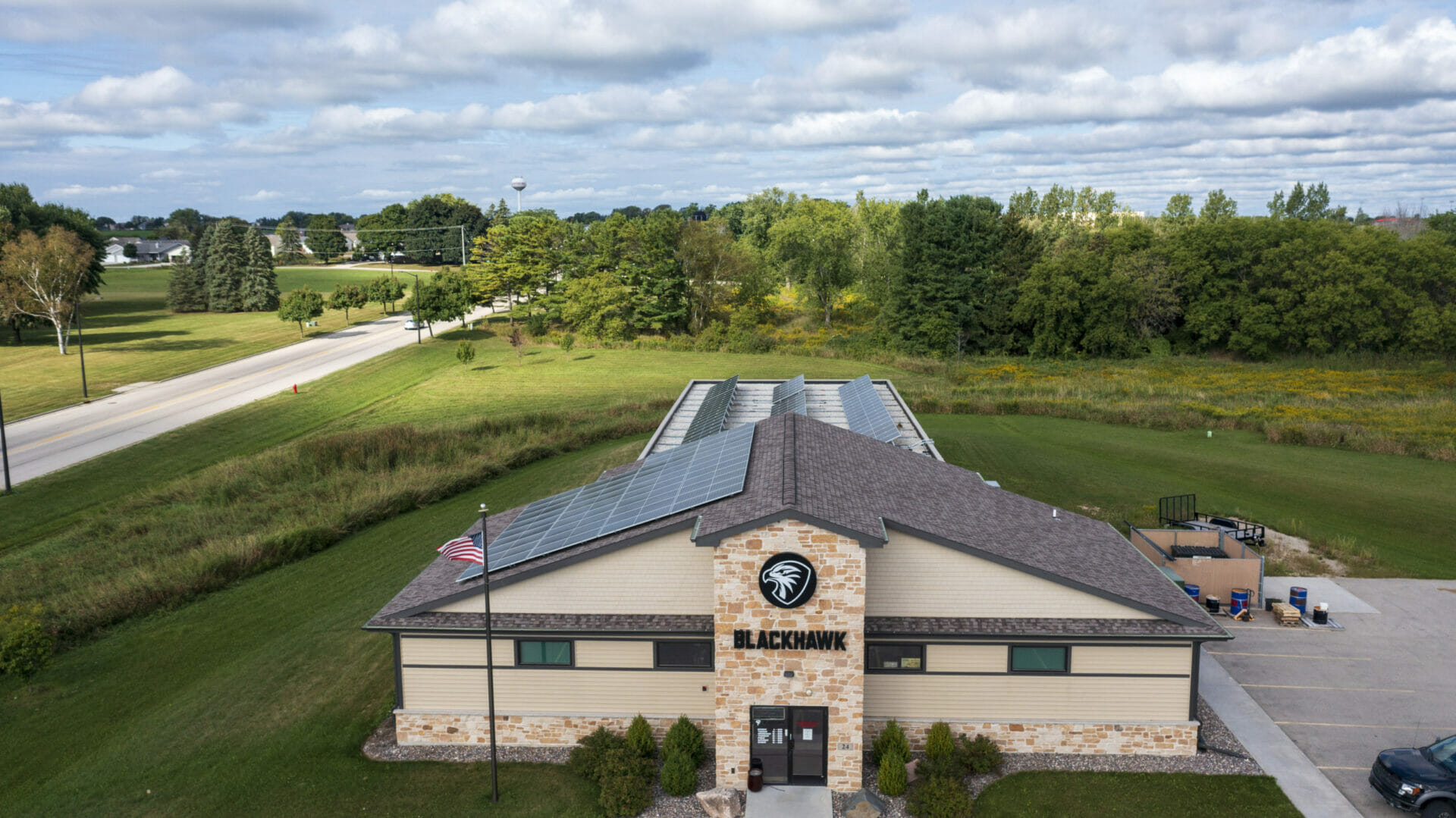
The impact of AI and data centers on Wisconsin’s energy grid is a subject of debate among residents. Will data centers put too much strain on our power grids? Will the rush to build new infrastructure put more financial burden on locals? What can we do to lessen the regional impact? Solar power is the leading source of renewable energy used to ease the load of data centers.
What are Data Centers?

Data centers are locations where computers and related hardware are stored and operated. Although they have existed almost as long as computers, data centers have expanded in recent years. So, what’s the change? With cloud storage, computing, and the recent AI boom, hyperscalers like Google and Apple have redefined data centers. As a result, they need far more resources than their predecessors. This means more space, more technology, and more utility-scale energy usage. The Department of Energy (DOE) estimates that data center energy demand has tripled over the last decade. The DOE expects that number to double or even triple by 2028.
How Could Data Center Expansion in Wisconsin Affect Residents?
In Wisconsin, there are currently $46 billion in hyperscale data centers under construction or review. With none currently in operation, it is impossible to know the exact imprint. However, we can examine several factors to speculate on the local impact.
Details to Consider
- The only two data centers to disclose their projected energy use expect to need 3.9 gigawatts of electric power. That’s nearly twice as much energy required to power all the homes in Wisconsin.
- Over the next five years, projections show that peak demand will increase to 17.1 gigawatts, primarily by data centers.
- In previous years, Wisconsin produced enough energy to accommodate six new hyperscale facilities in addition to the existing load. The aging out of coal power has left the state without the ready capacity to handle the upcoming demand.
- Plans filed with the Public Service Commission will expand the existing power grid. 3 Gigawatts of new energy will be added, with a significant portion coming from solar energy and batteries.
- We Energies has considered implementing a differential rate applied to large-scale electricity users. This protects other customers from shouldering the costs of data centers.
- A proposed Wisconsin bill would effectively limit the cost of utilities for residents. Families whose energy bills climb above 2% of their household income may qualify for aid.
Why are Wisconsin Residents Concerned About Data Centers?
Amid rising concerns, the Milwaukee Common Council unanimously opposed a WE Energies proposal that could pass on data center price increases to regular customers. These and other measures are necessary precautions in the rush to expand data centers in Wisconsin. Looking at data from other states, we can see the impact of unchecked data center growth.
The Measured Effect of Data Centers on Other States
- Since the construction of the Switch in Grand Rapids, residential interest rates have increased 25%. Michigan now sits 17% higher than the national average.
- States with higher concentrations of data center locations have shown increased electricity prices of up to 267%.
- Energy stability is being questioned in Grant County, Washington, after data center power usage has put strain on the local grid. As such, the once-abundant hydroelectric power may no longer meet the needs of locals in as few as 6 years.
- A voltage fluctuation in Northern Virginia caused 60 data centers to disconnect simultaneously in 2024. This resulted in a nearly 1,500 megawatt surplus of power. Without emergency adjustments, this surplus could have caused staggering outages.
How Does Solar Power Ease the Load of Data Centers on the Grid?

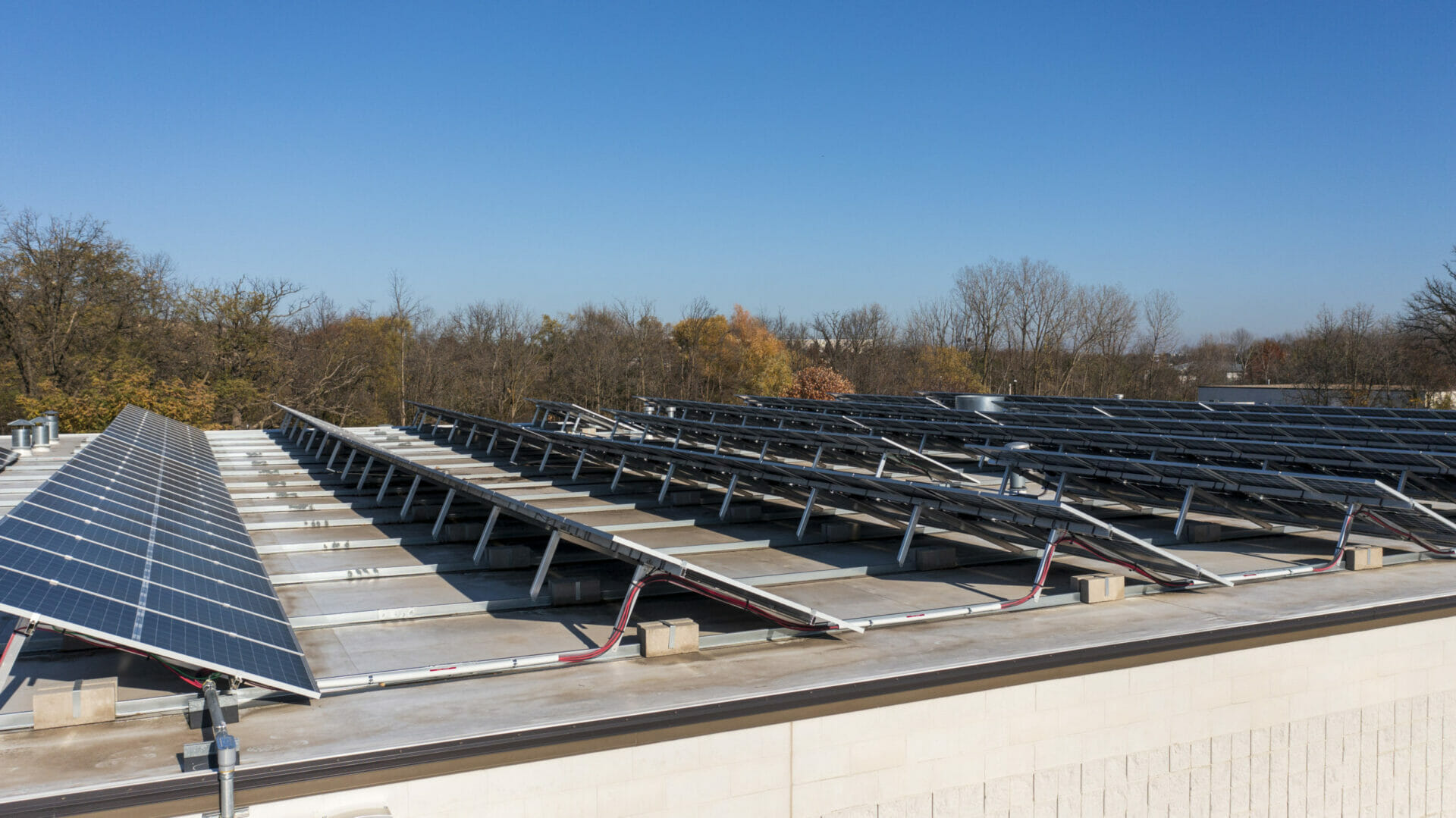
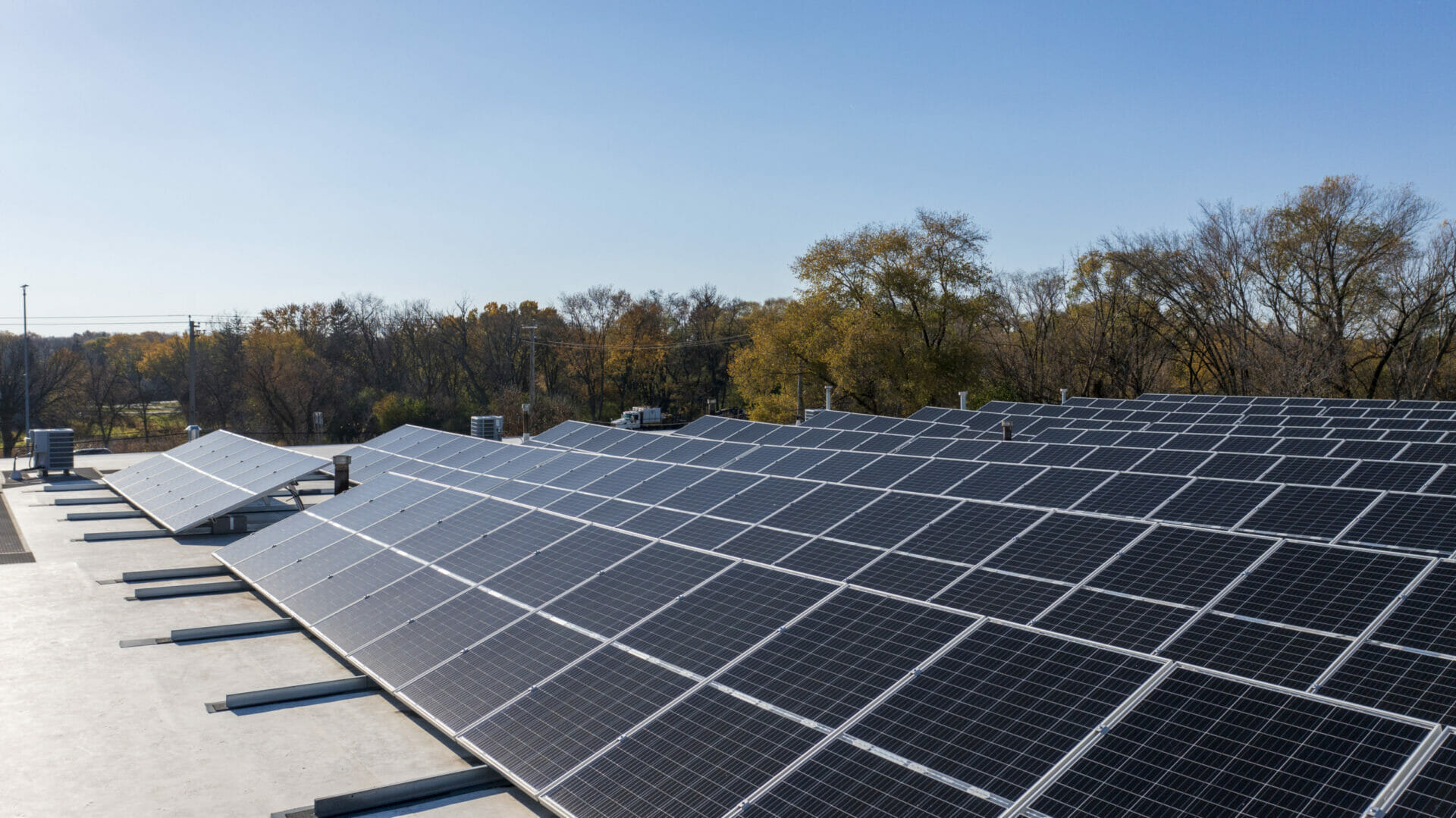
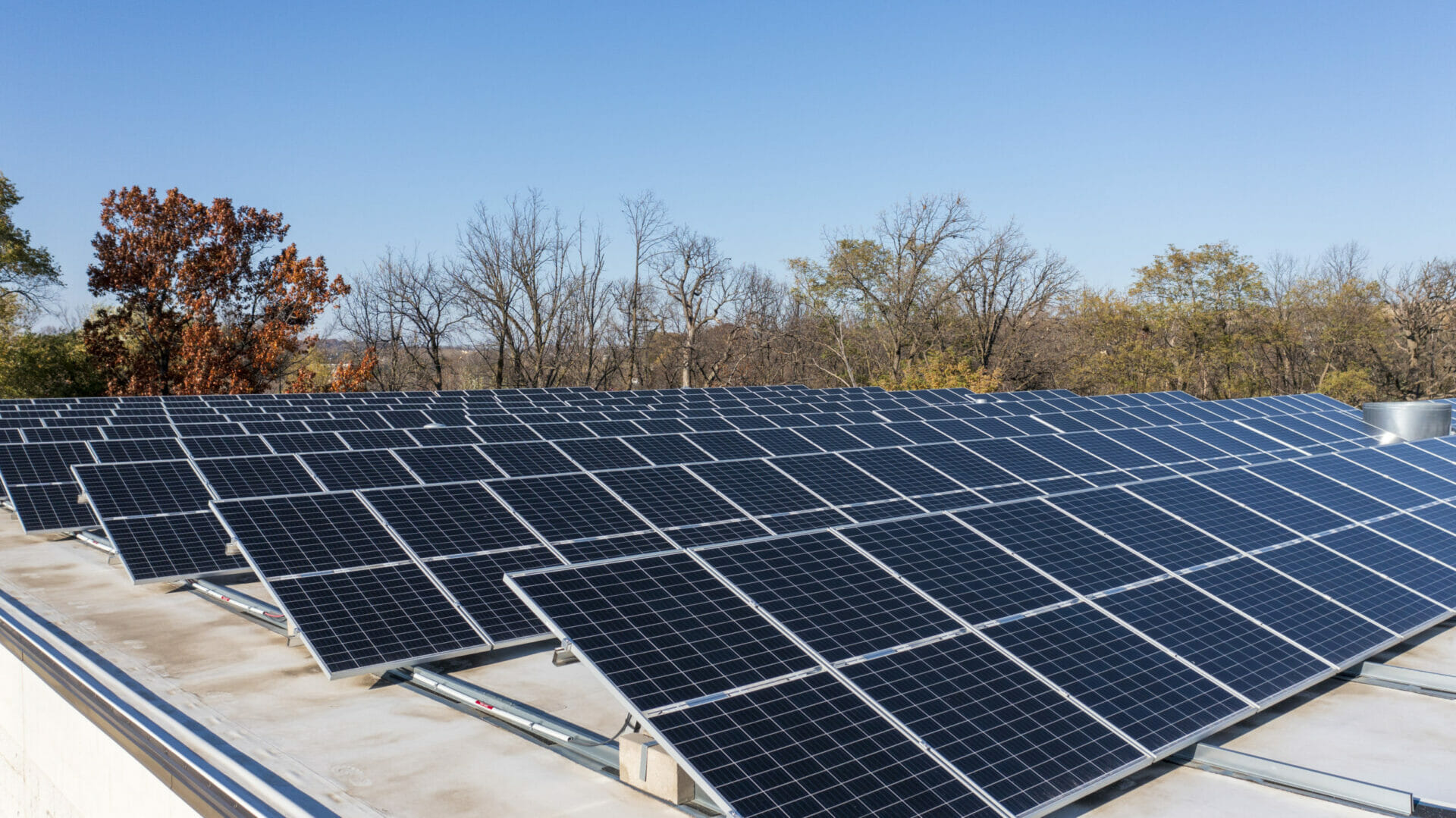
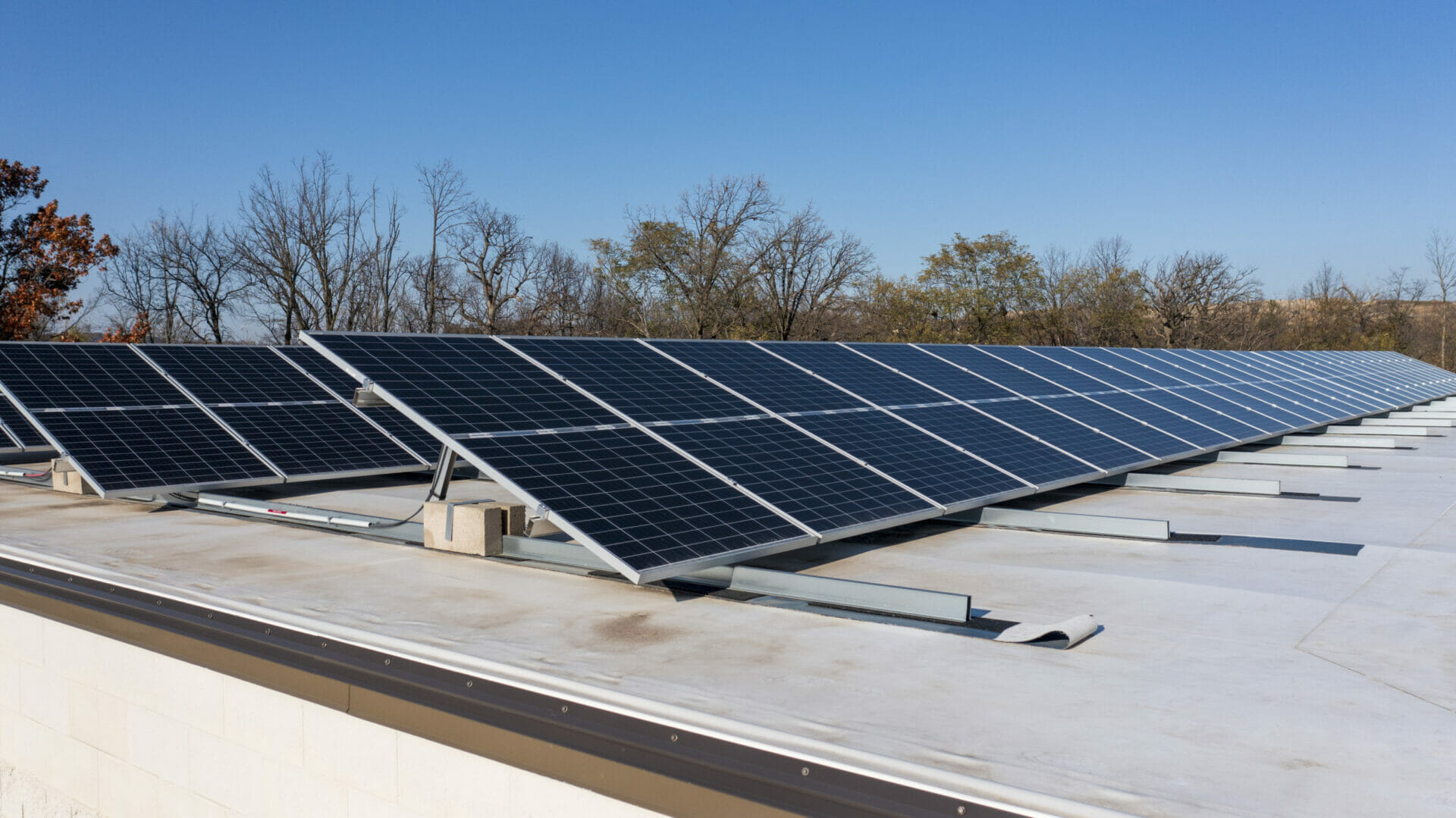
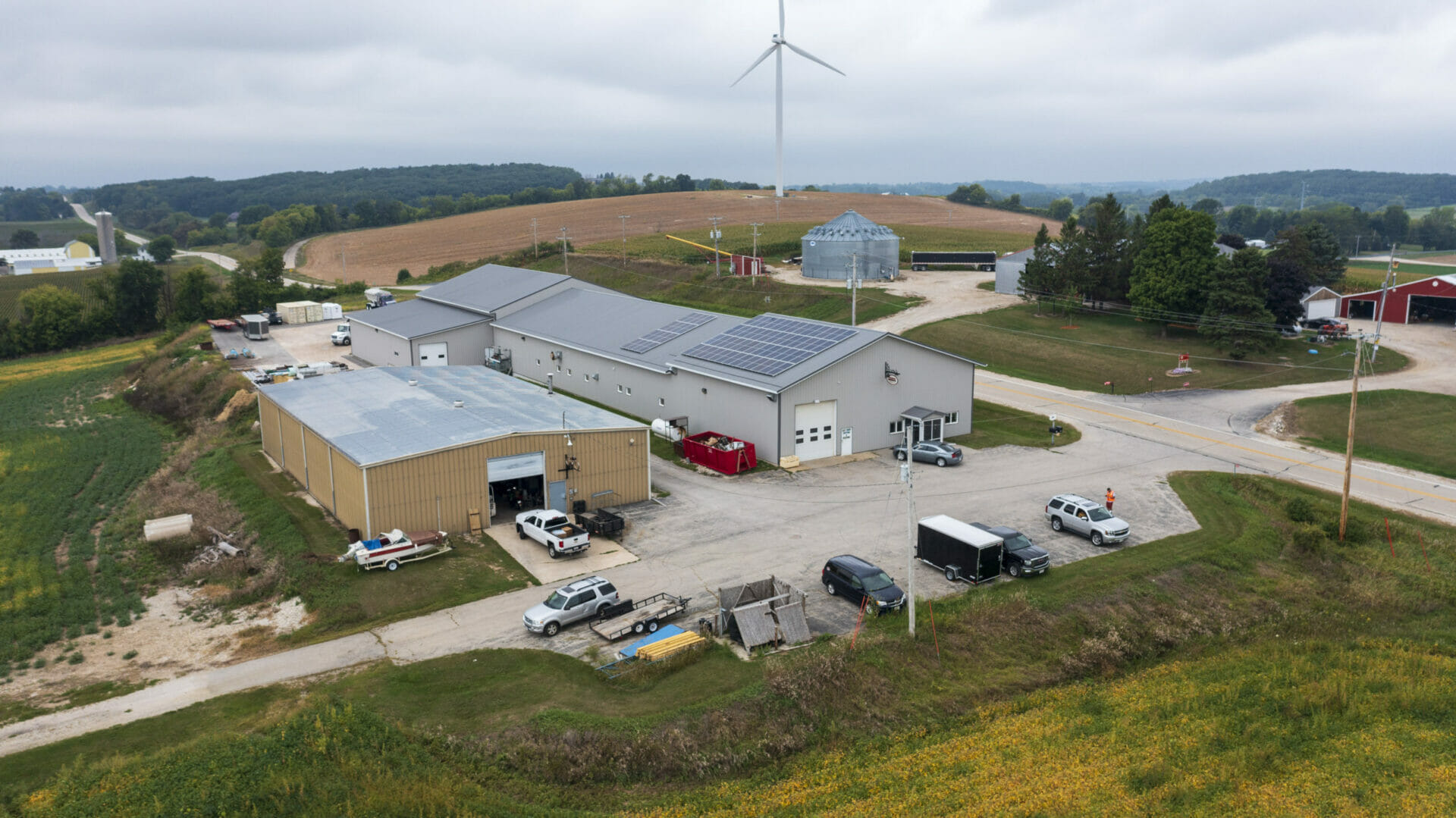
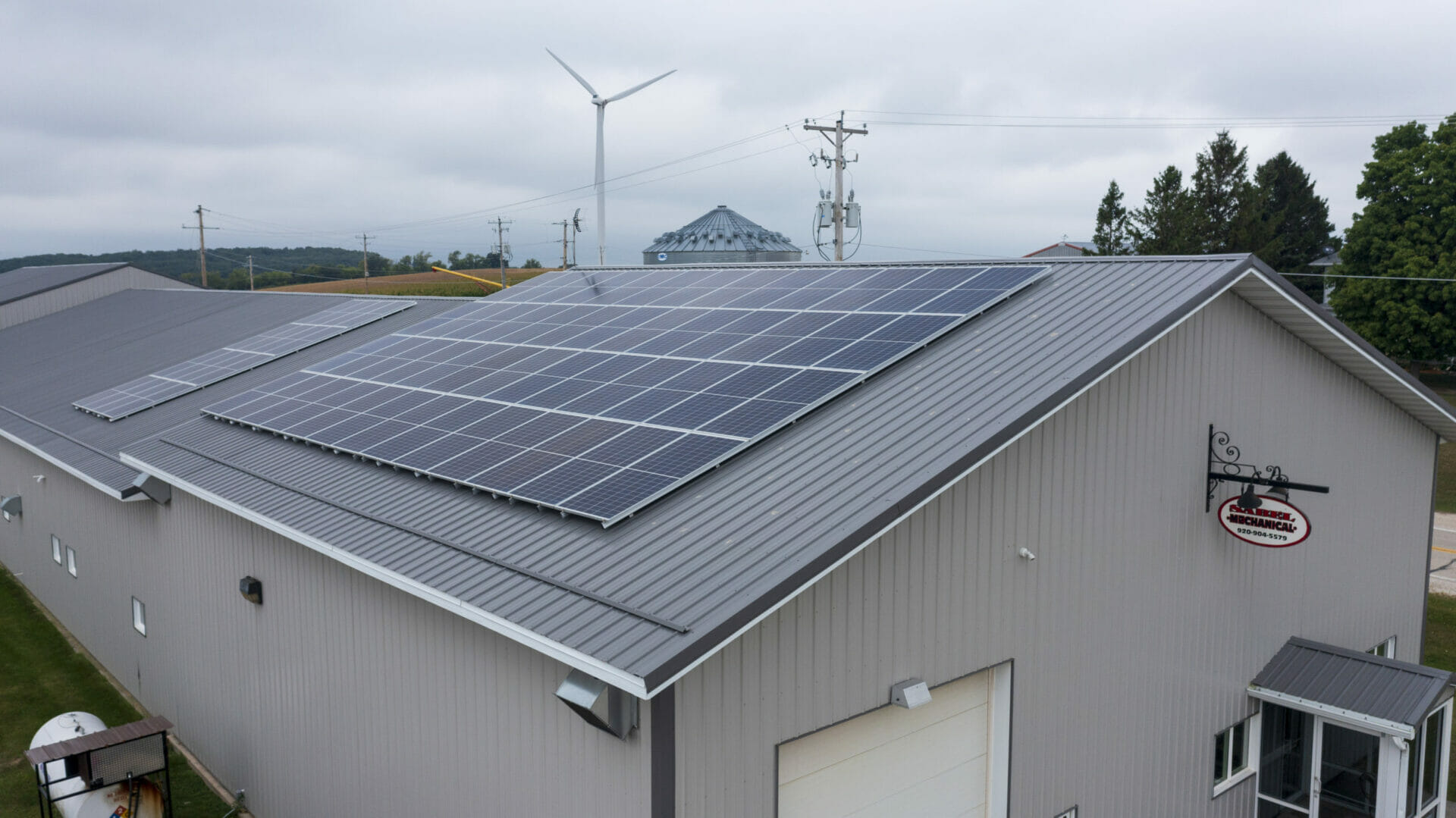
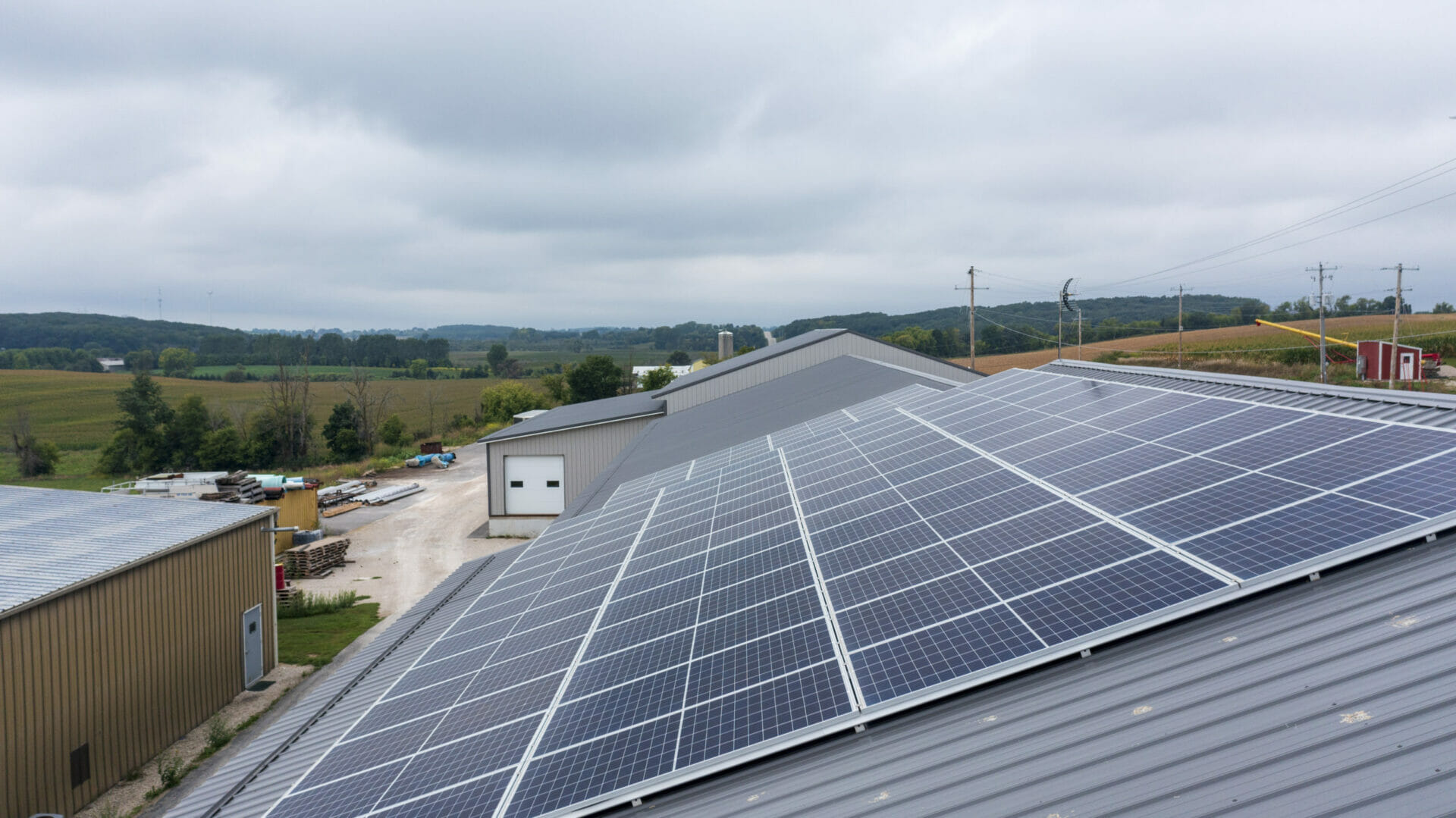
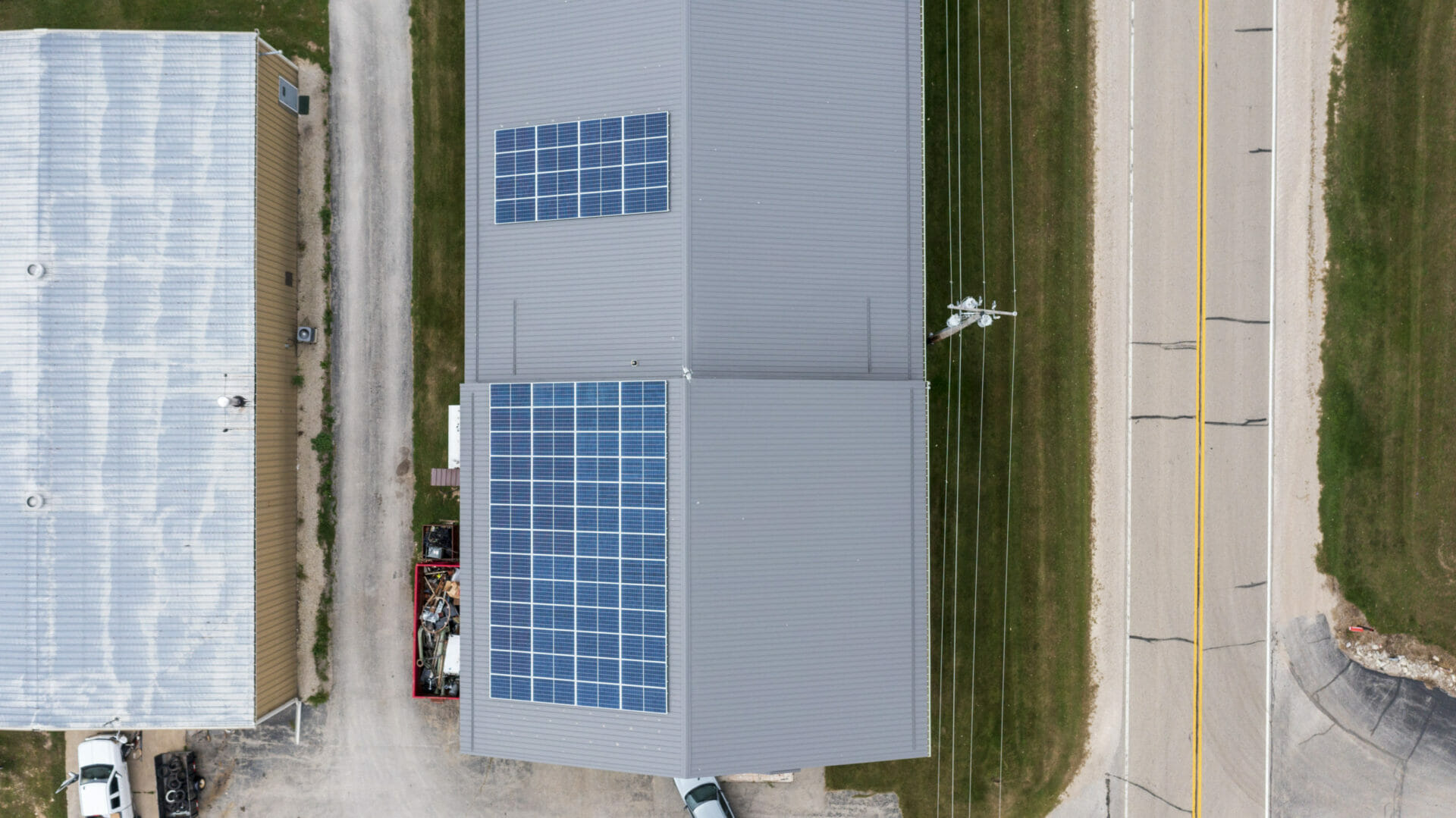
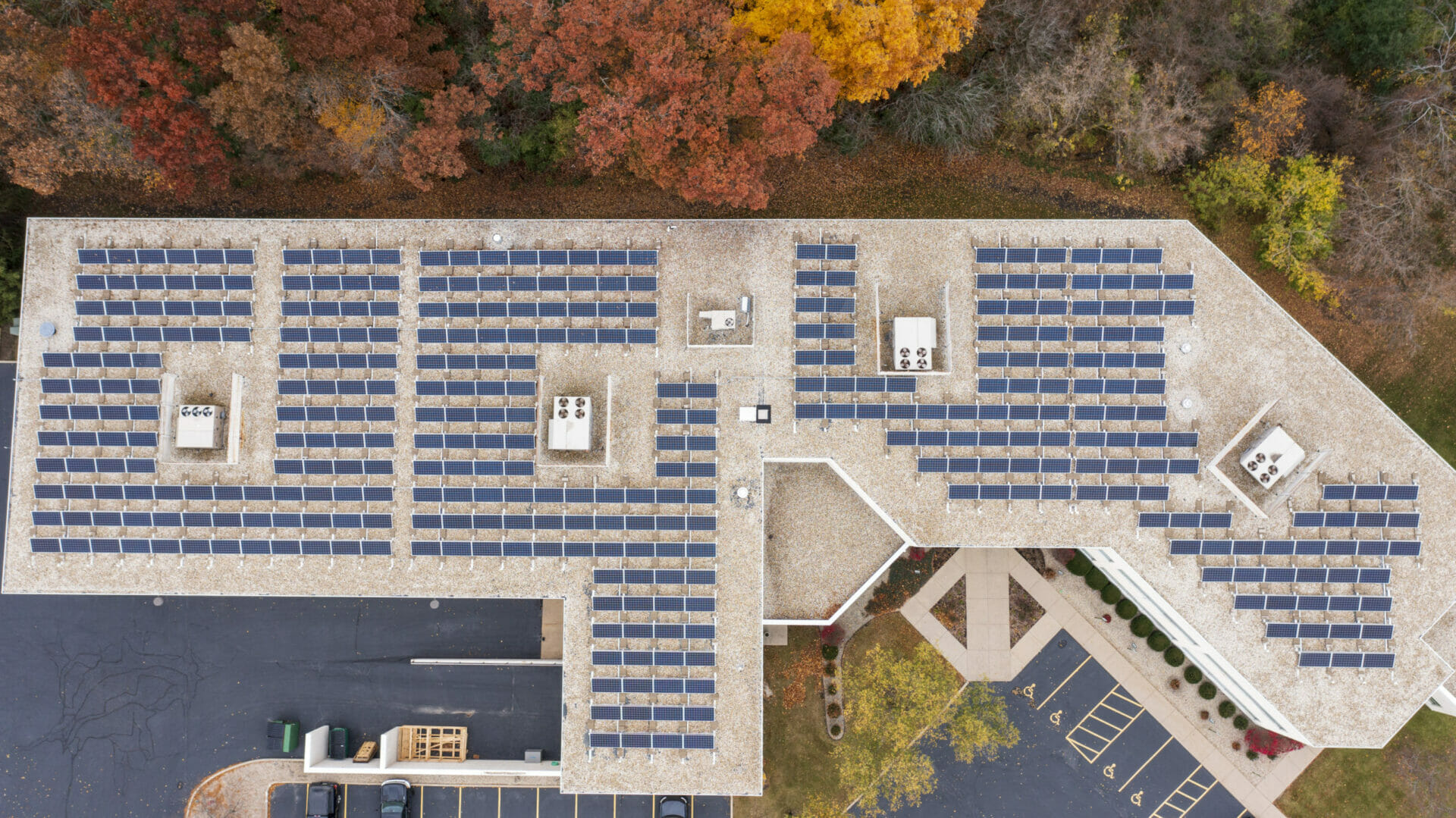
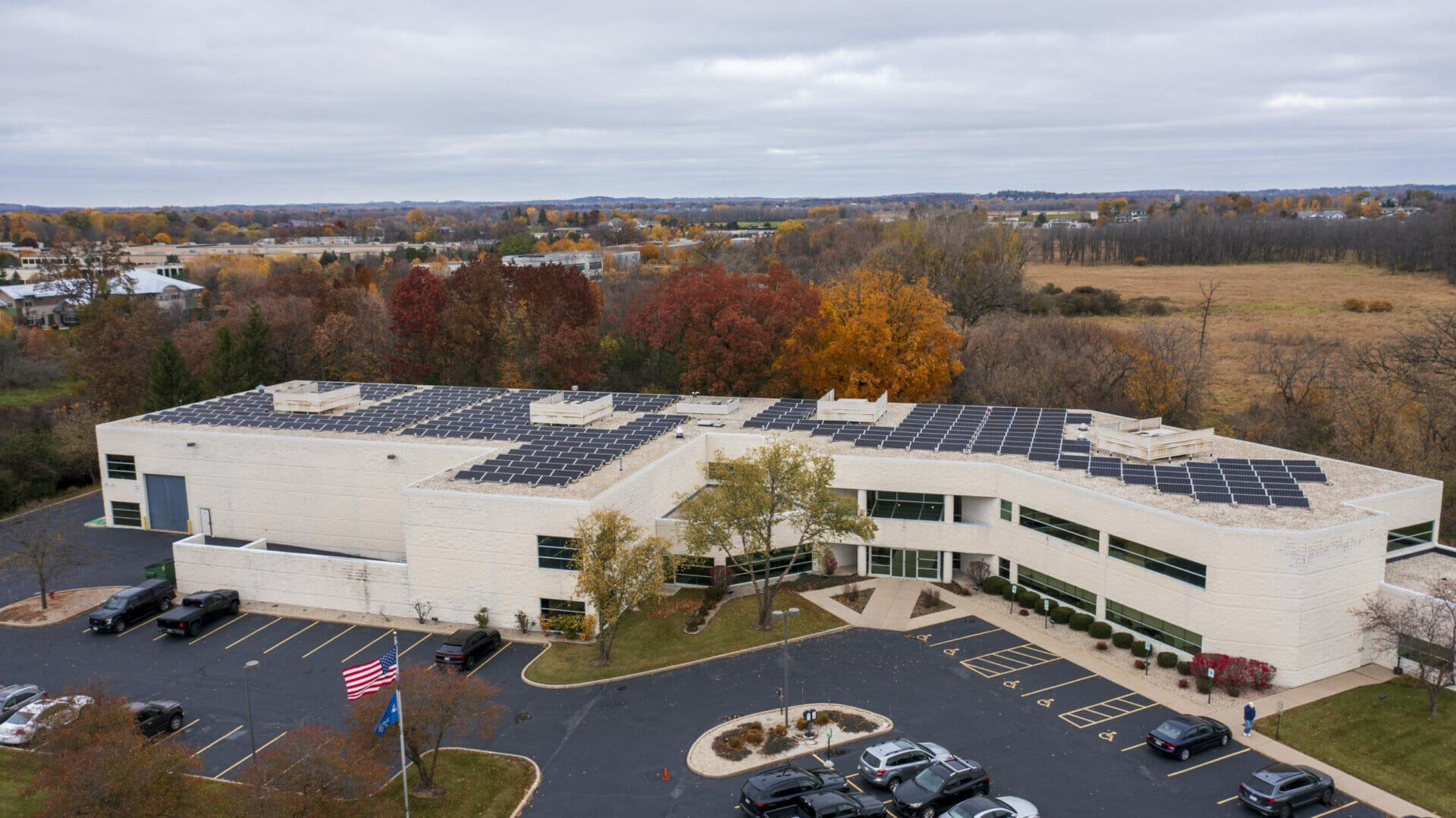
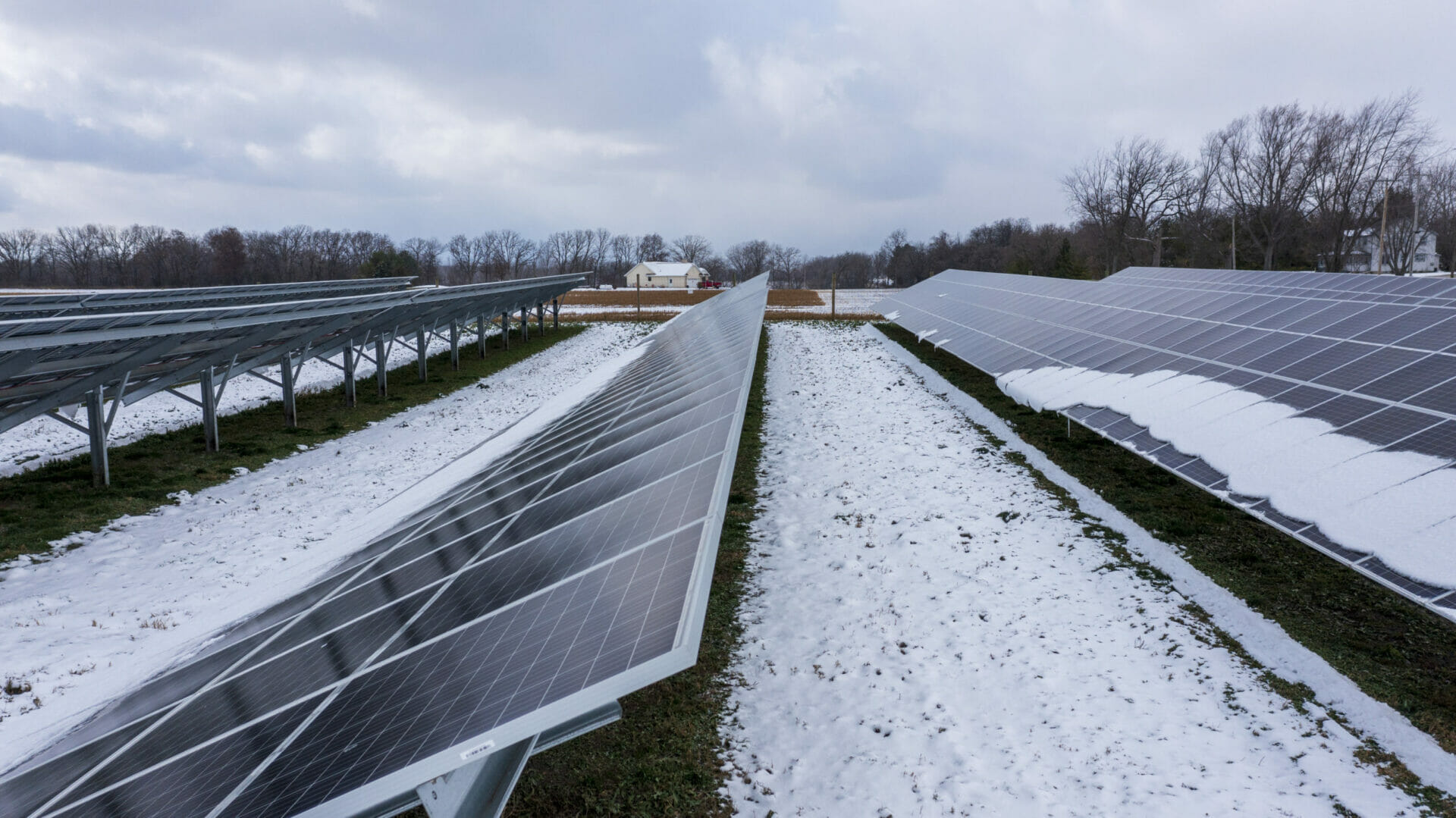
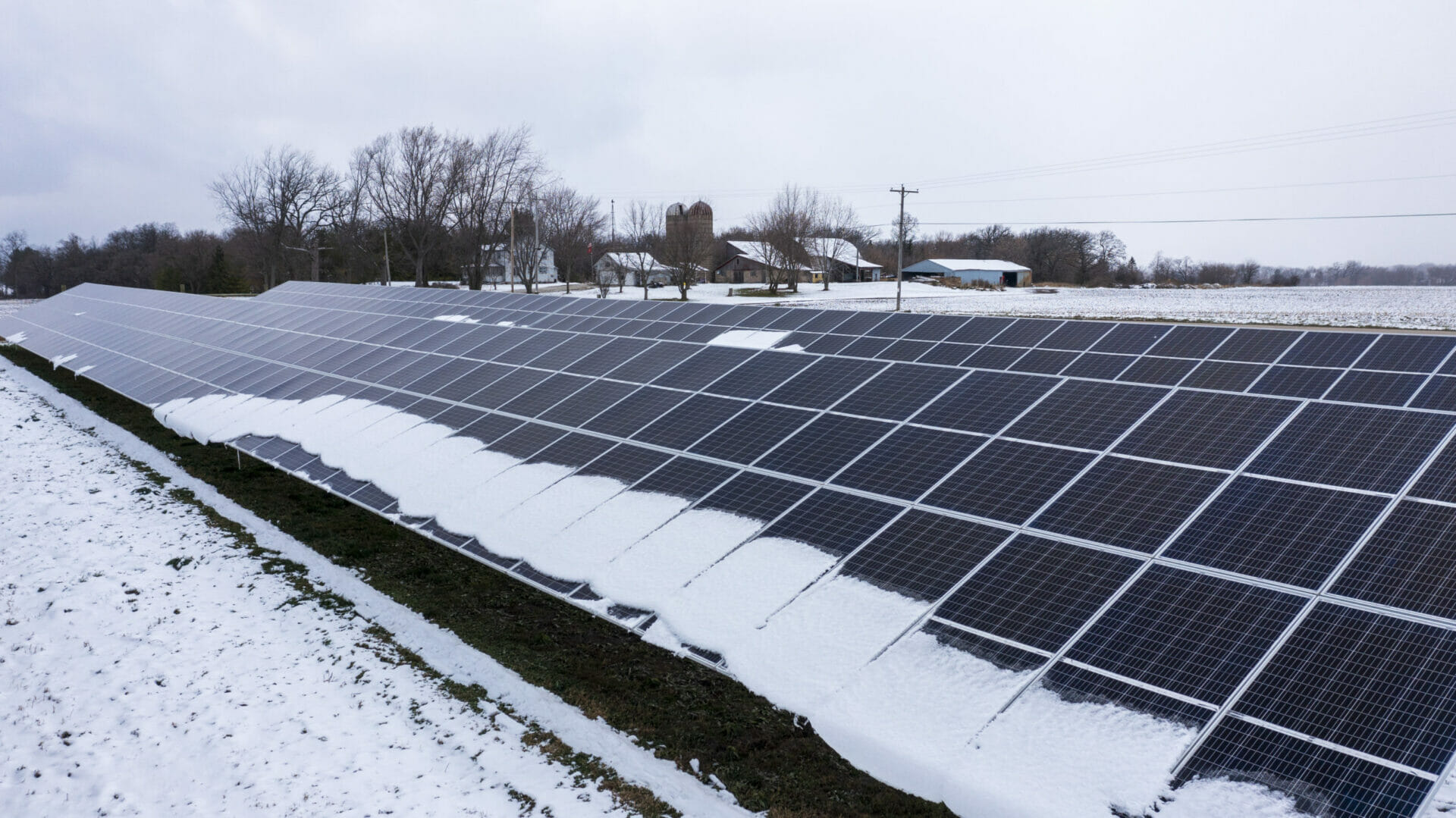
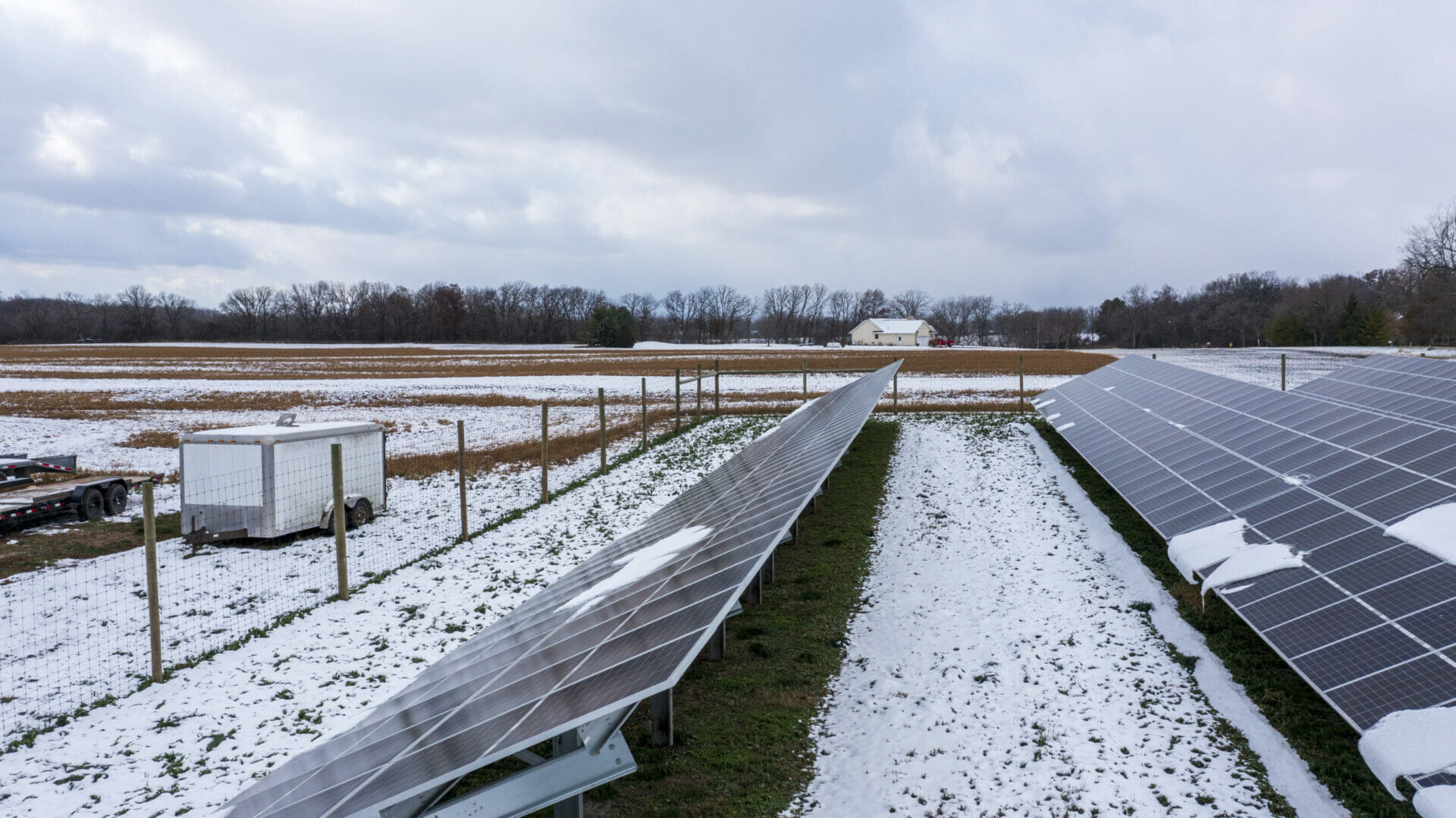
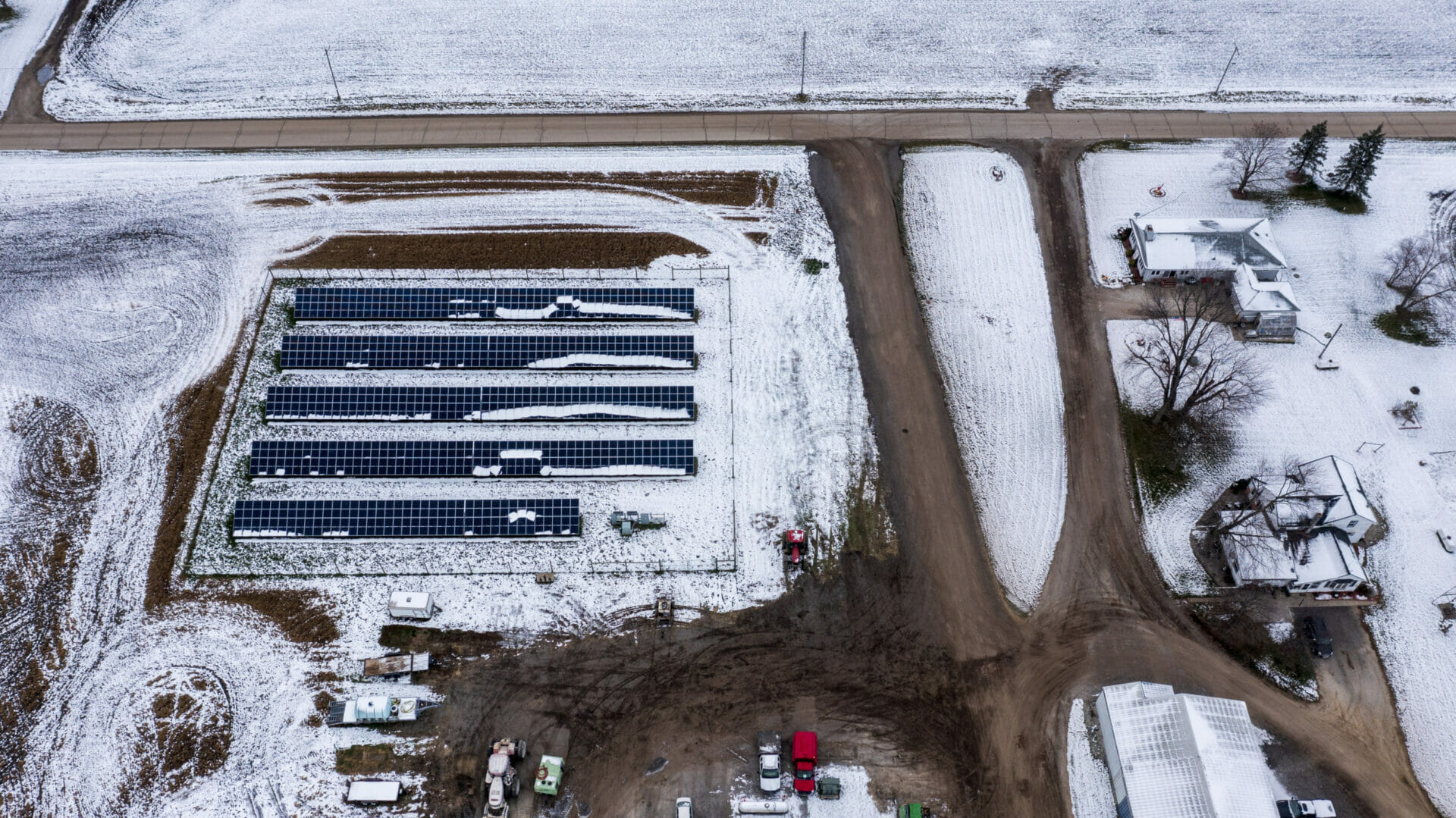
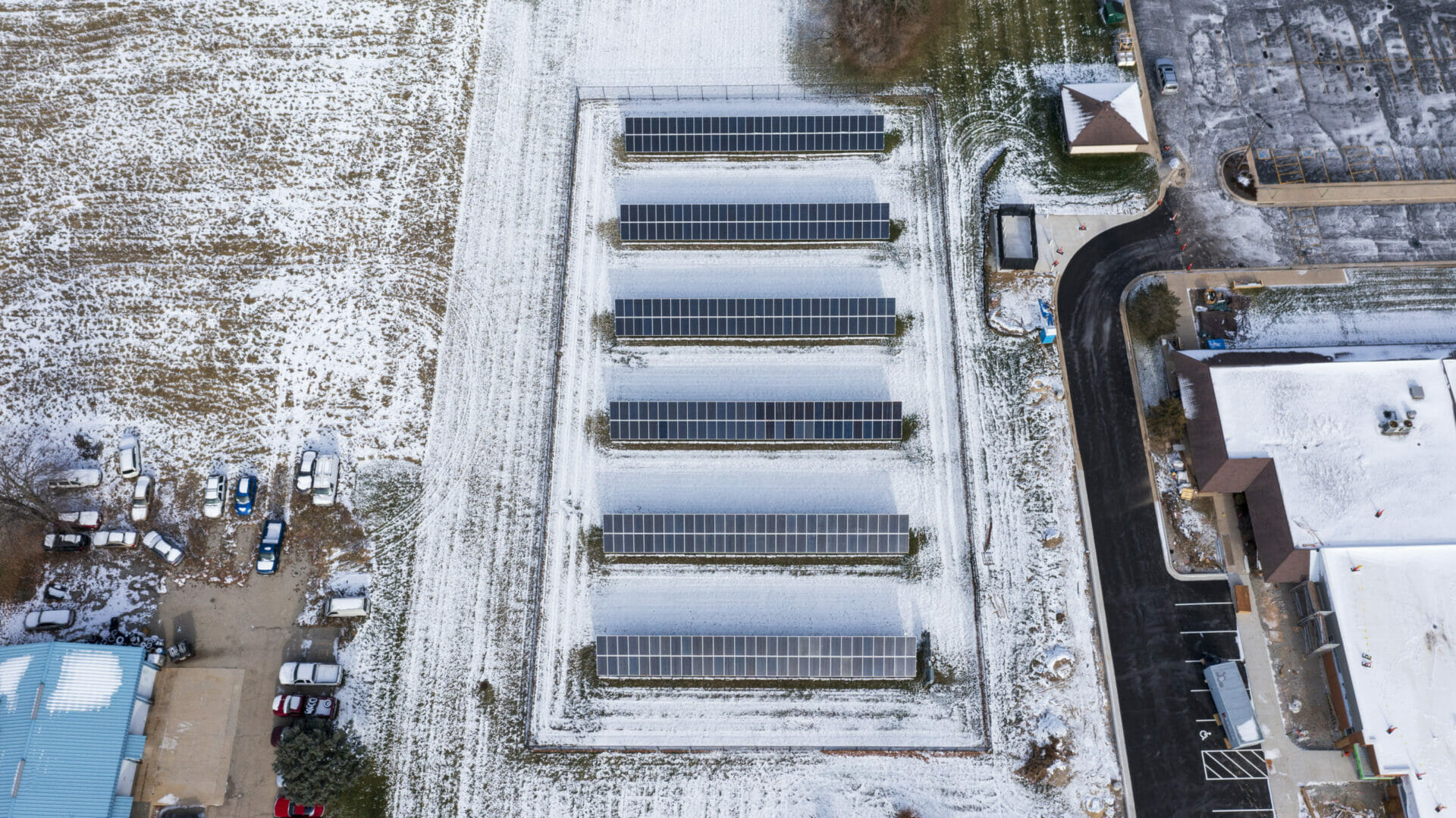
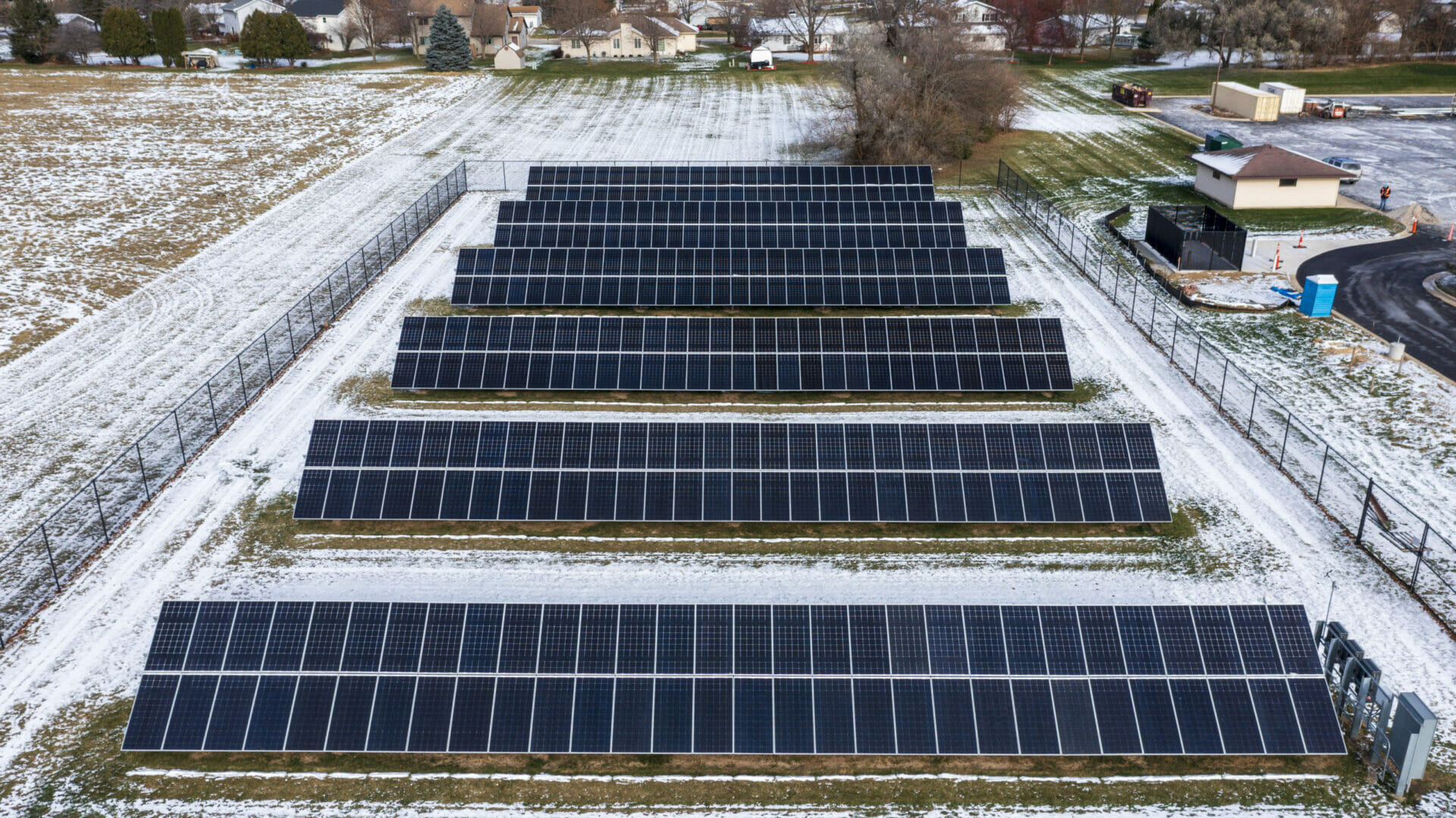
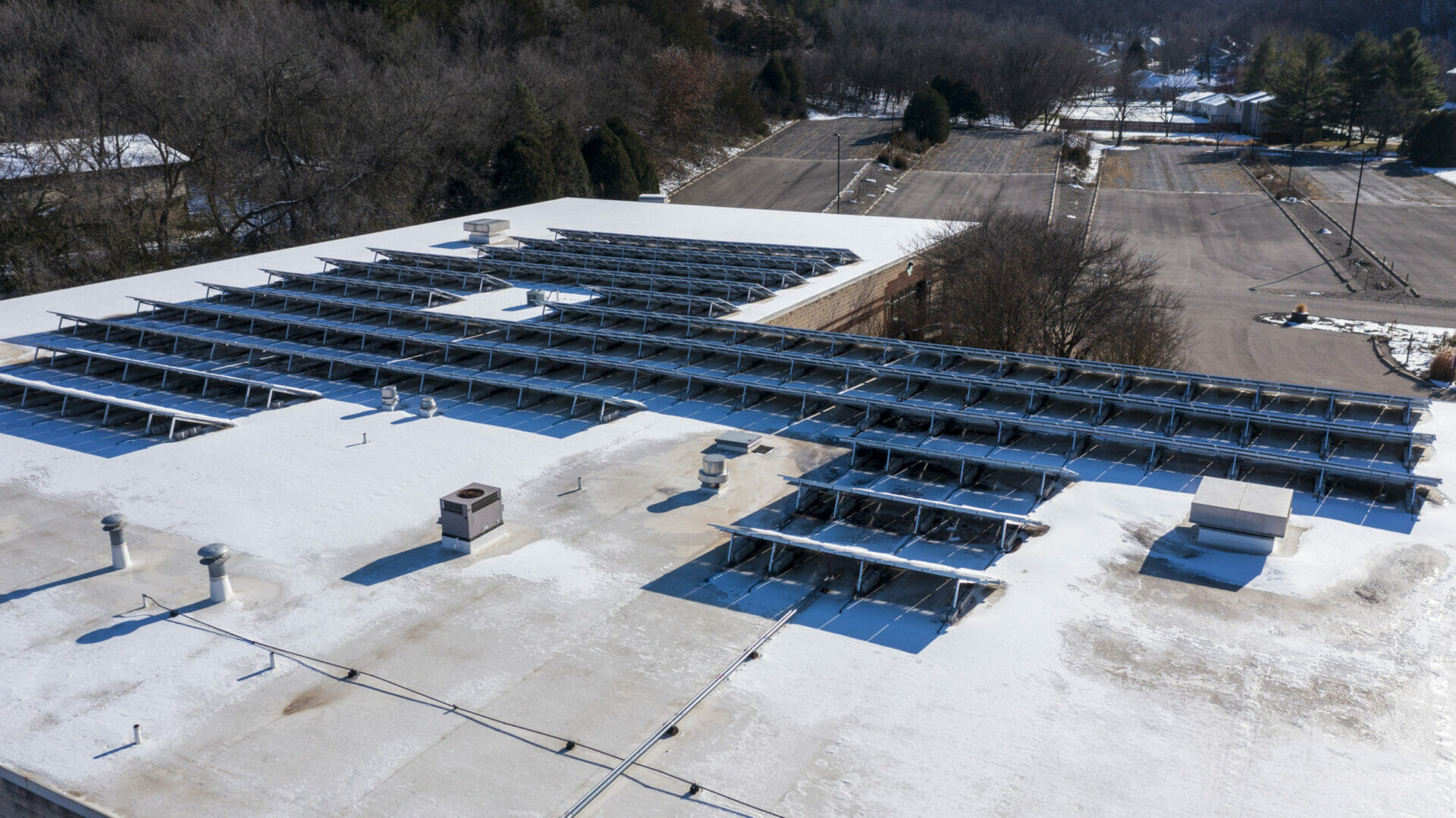
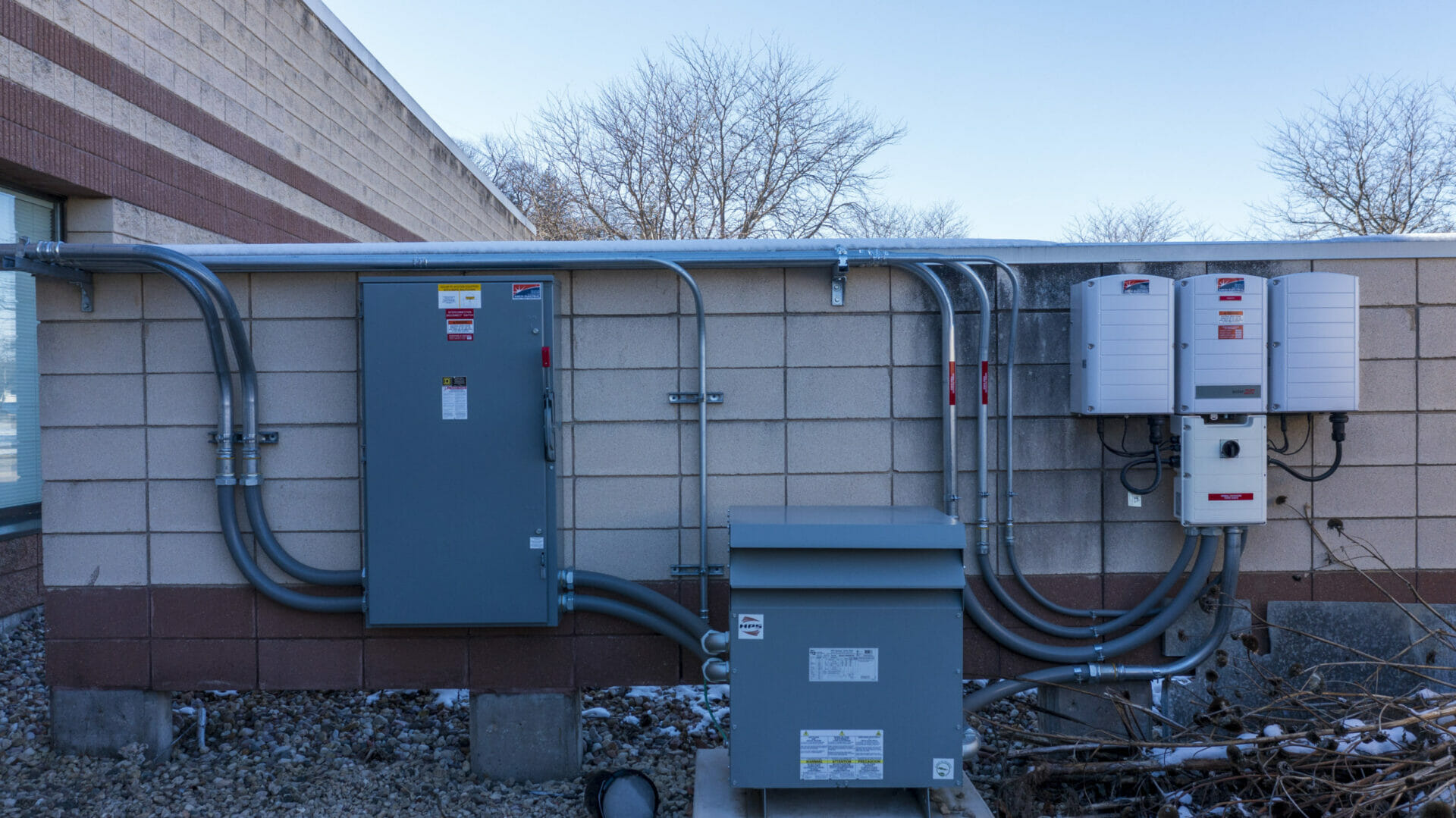
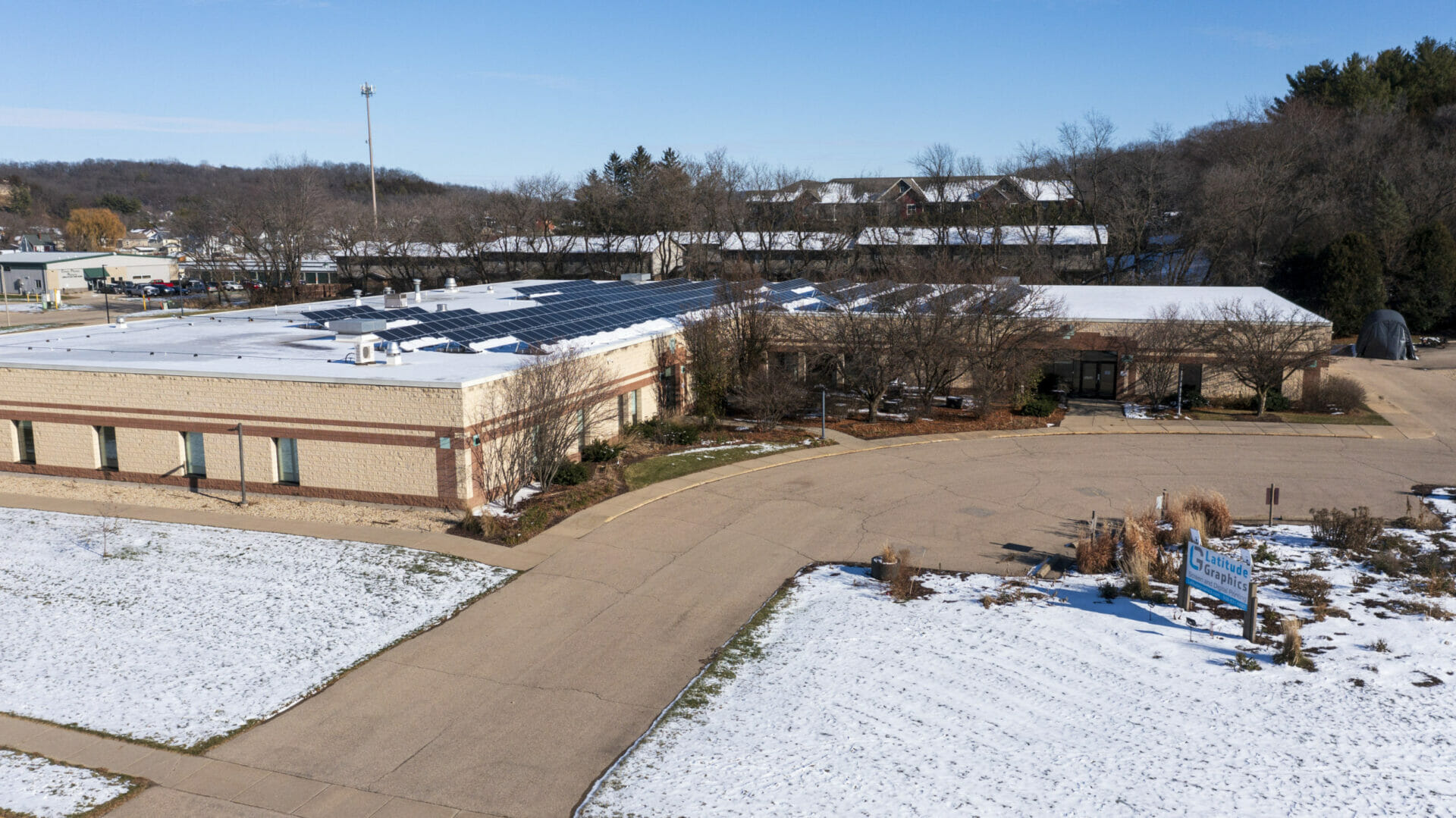
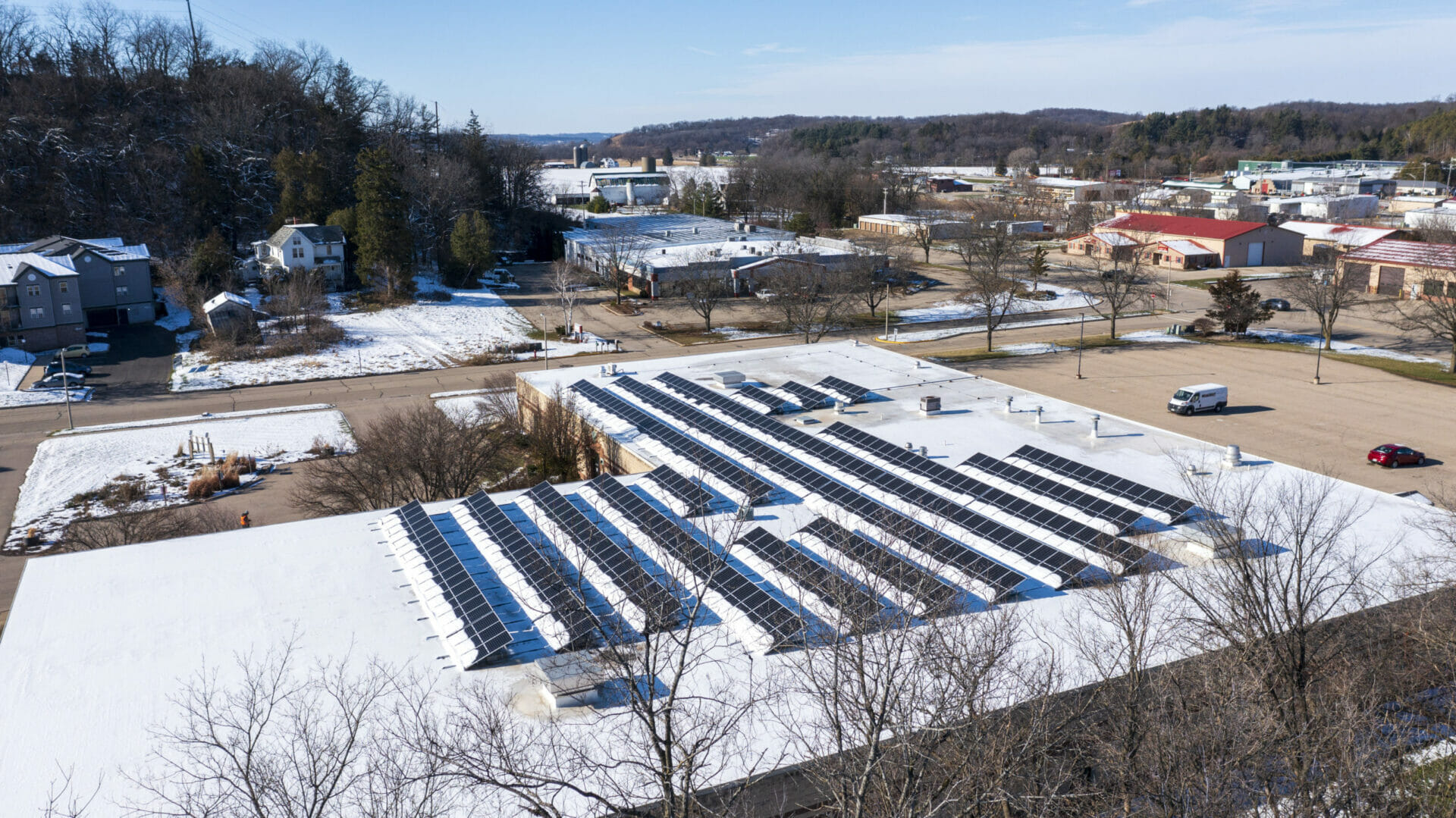
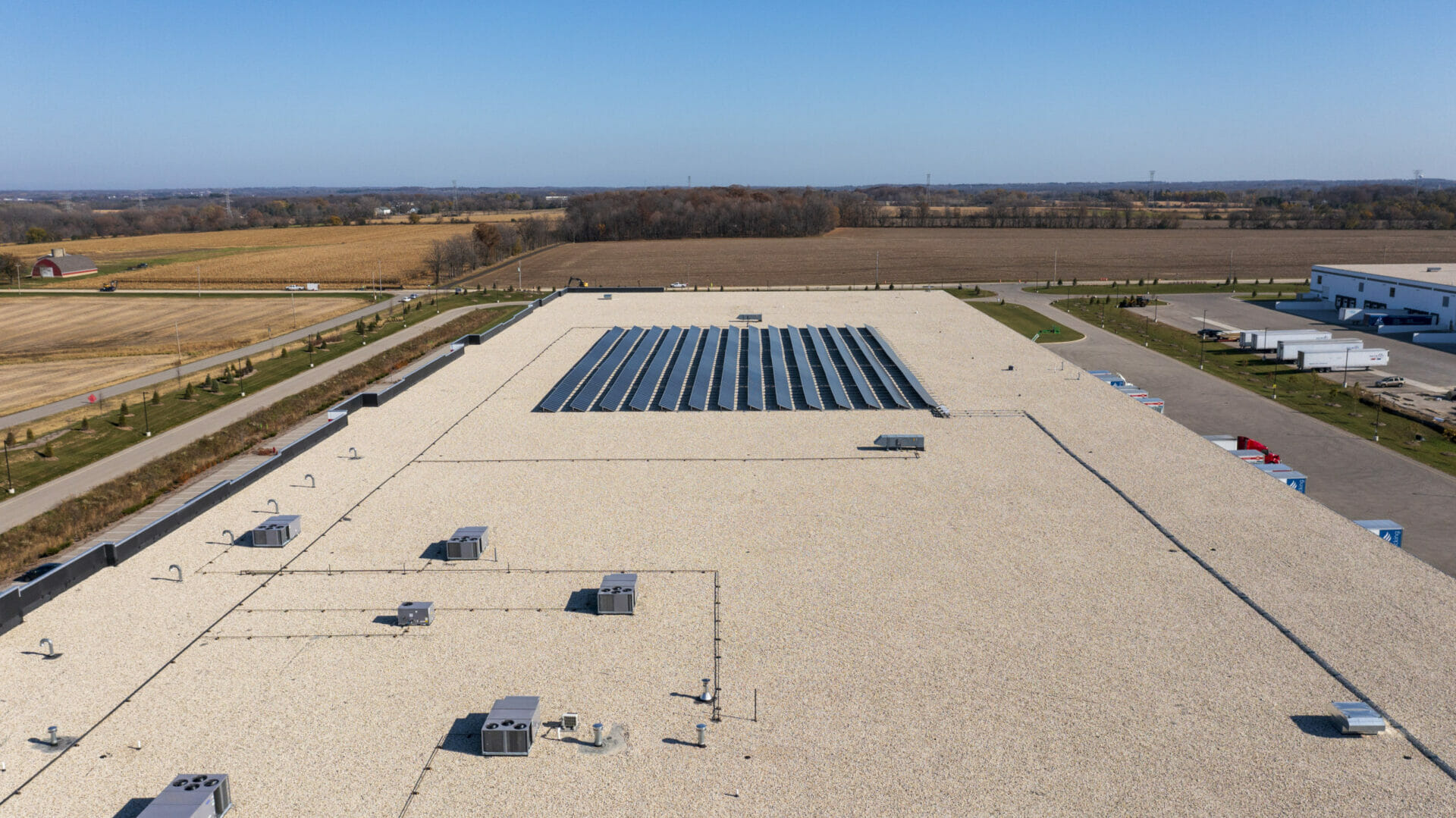
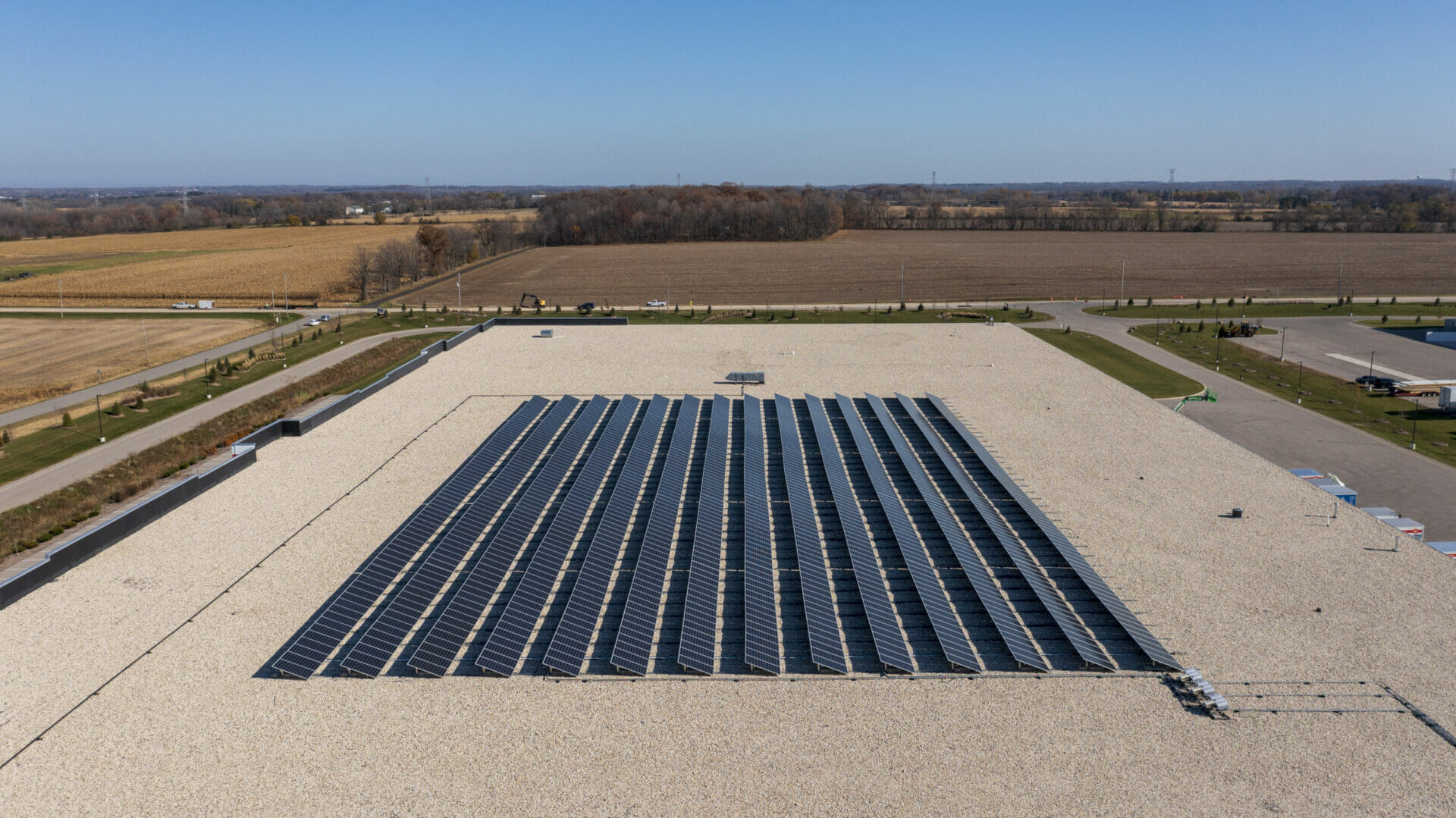
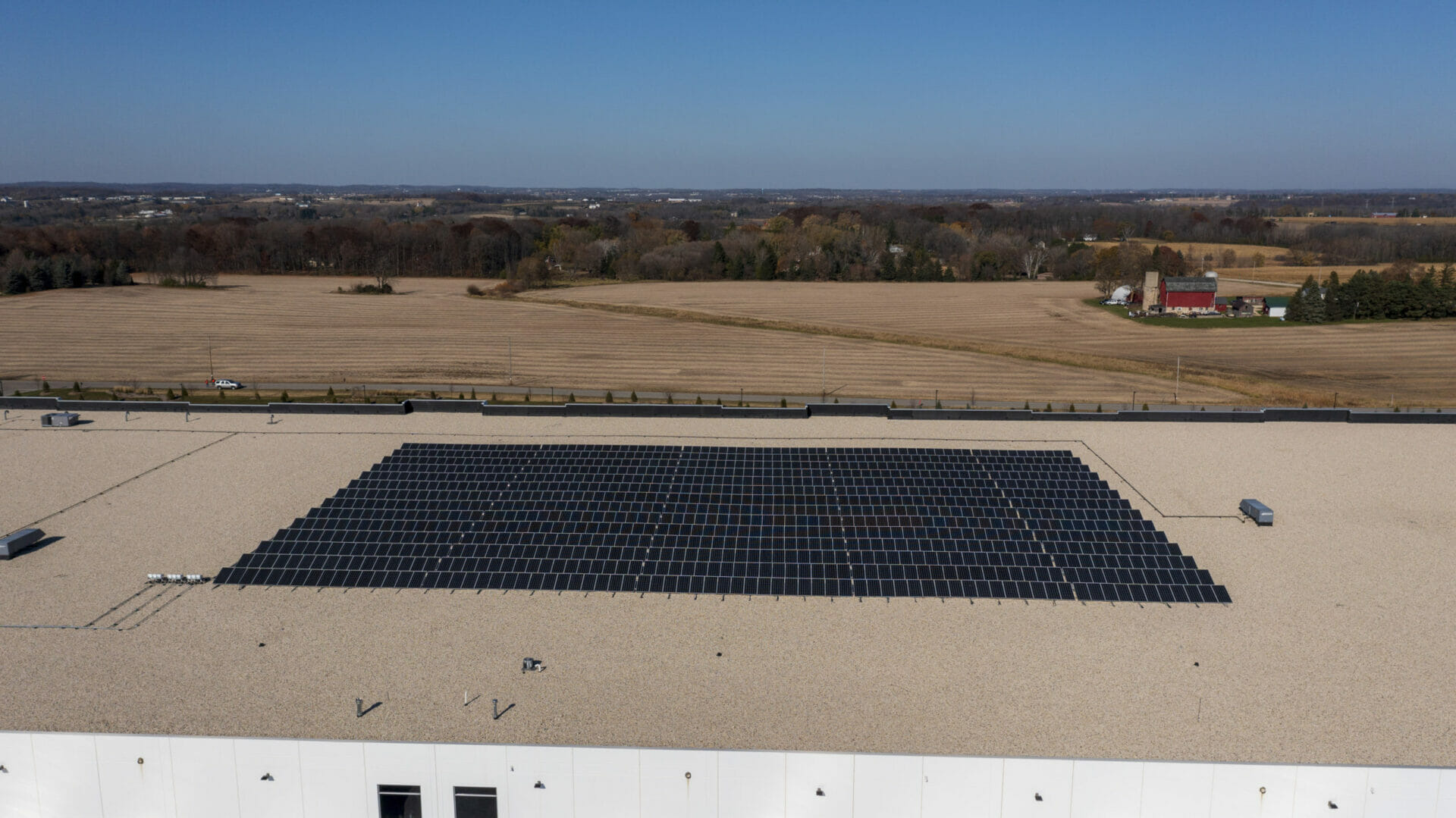
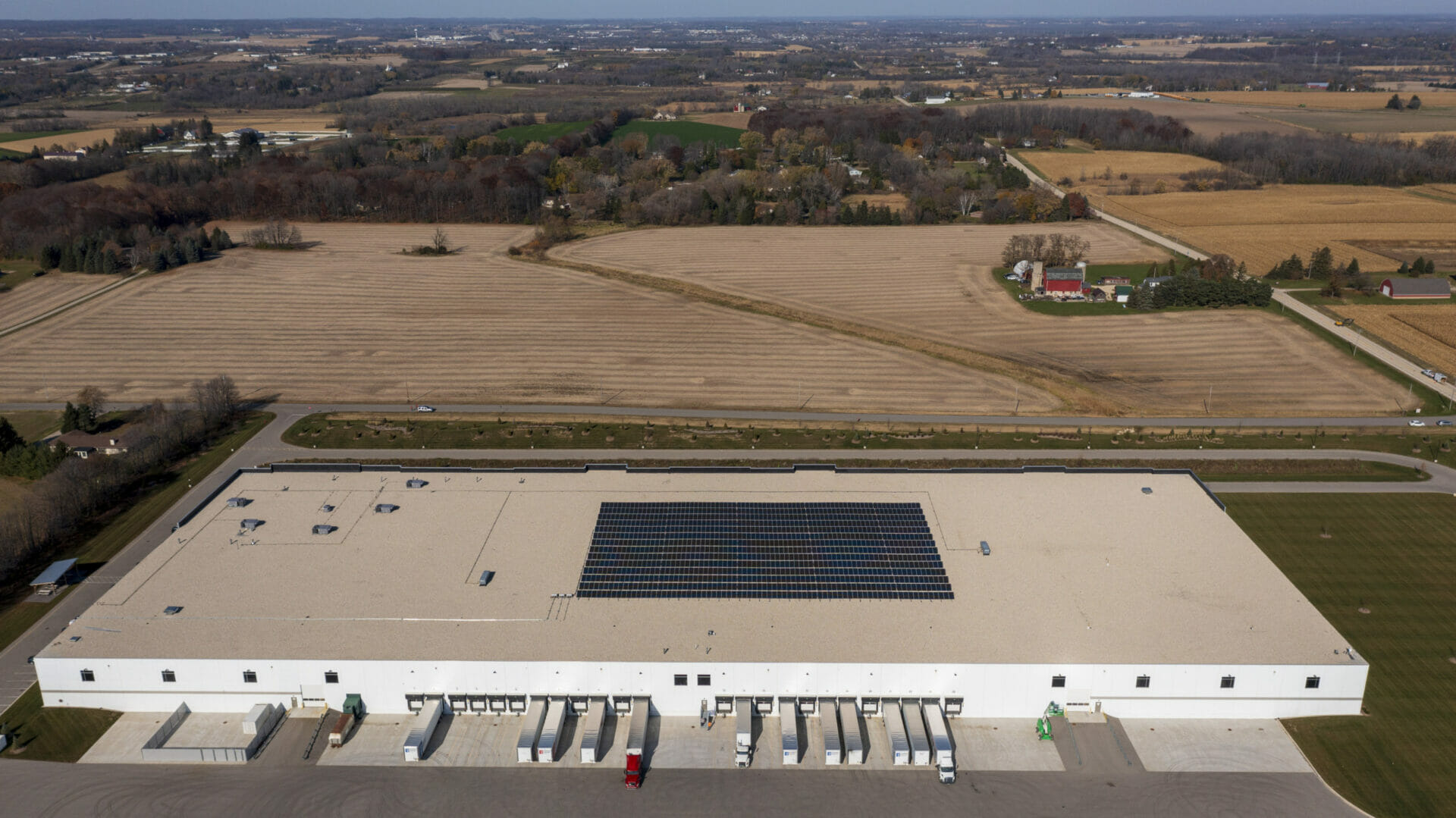
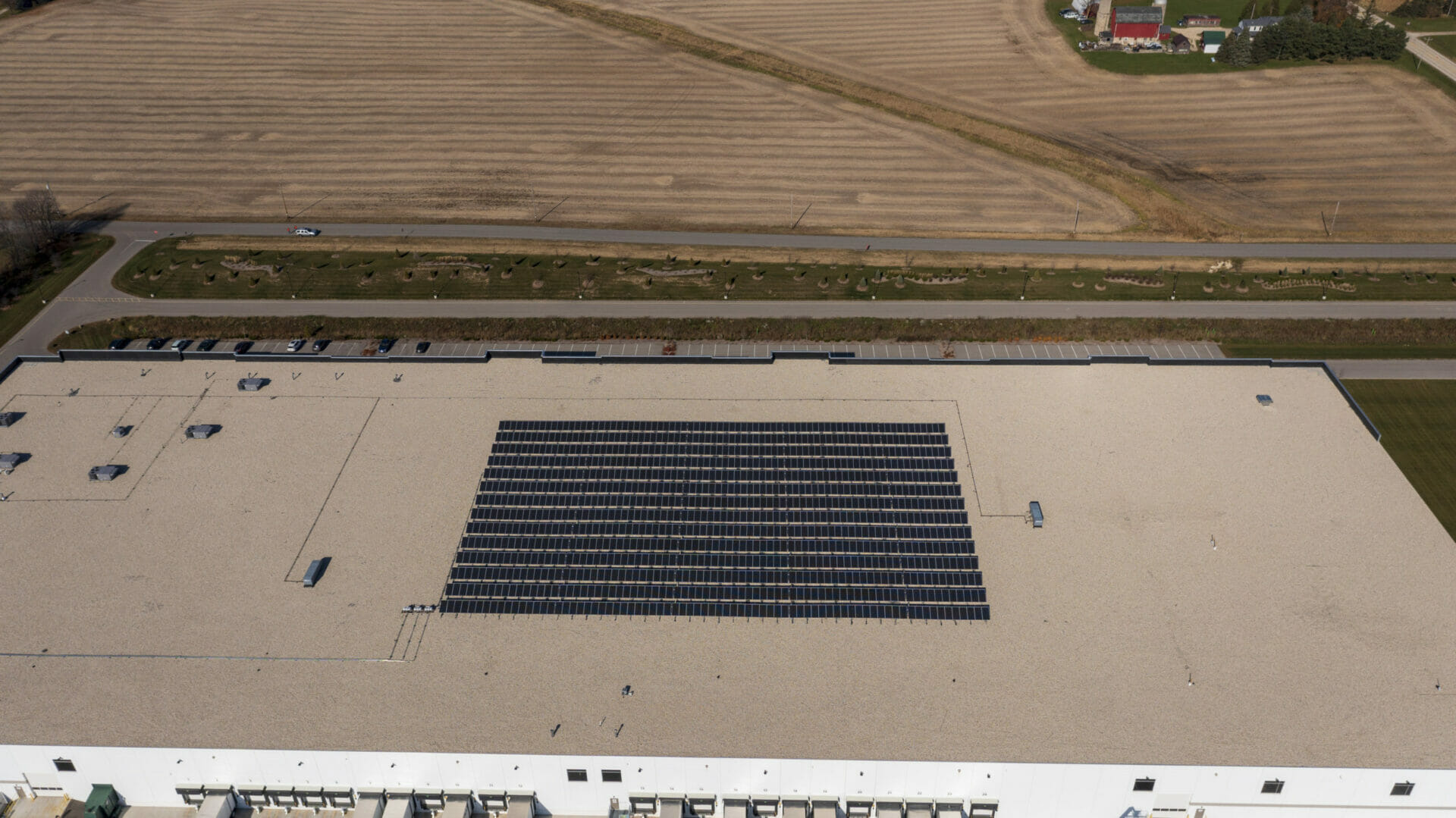
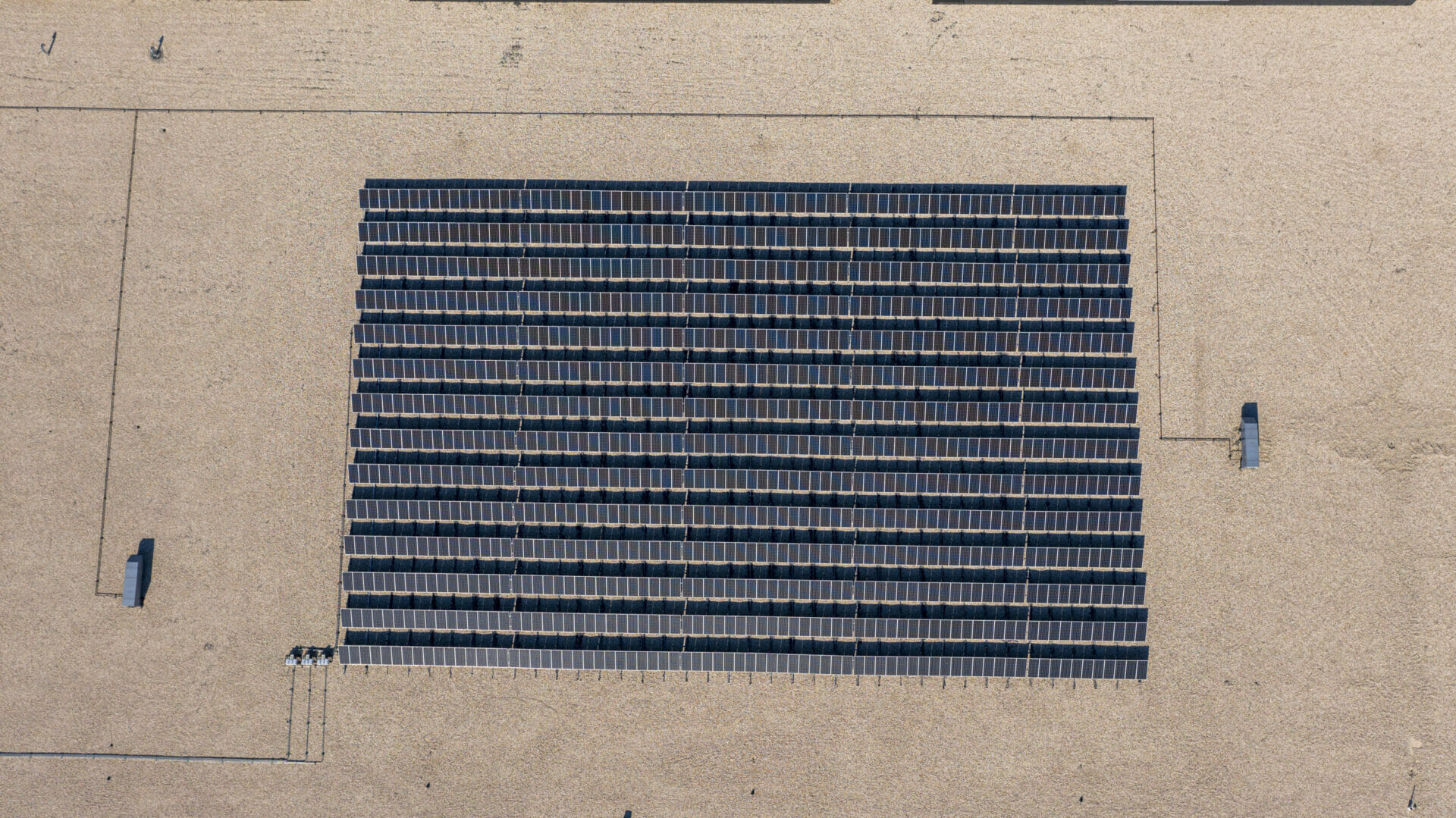
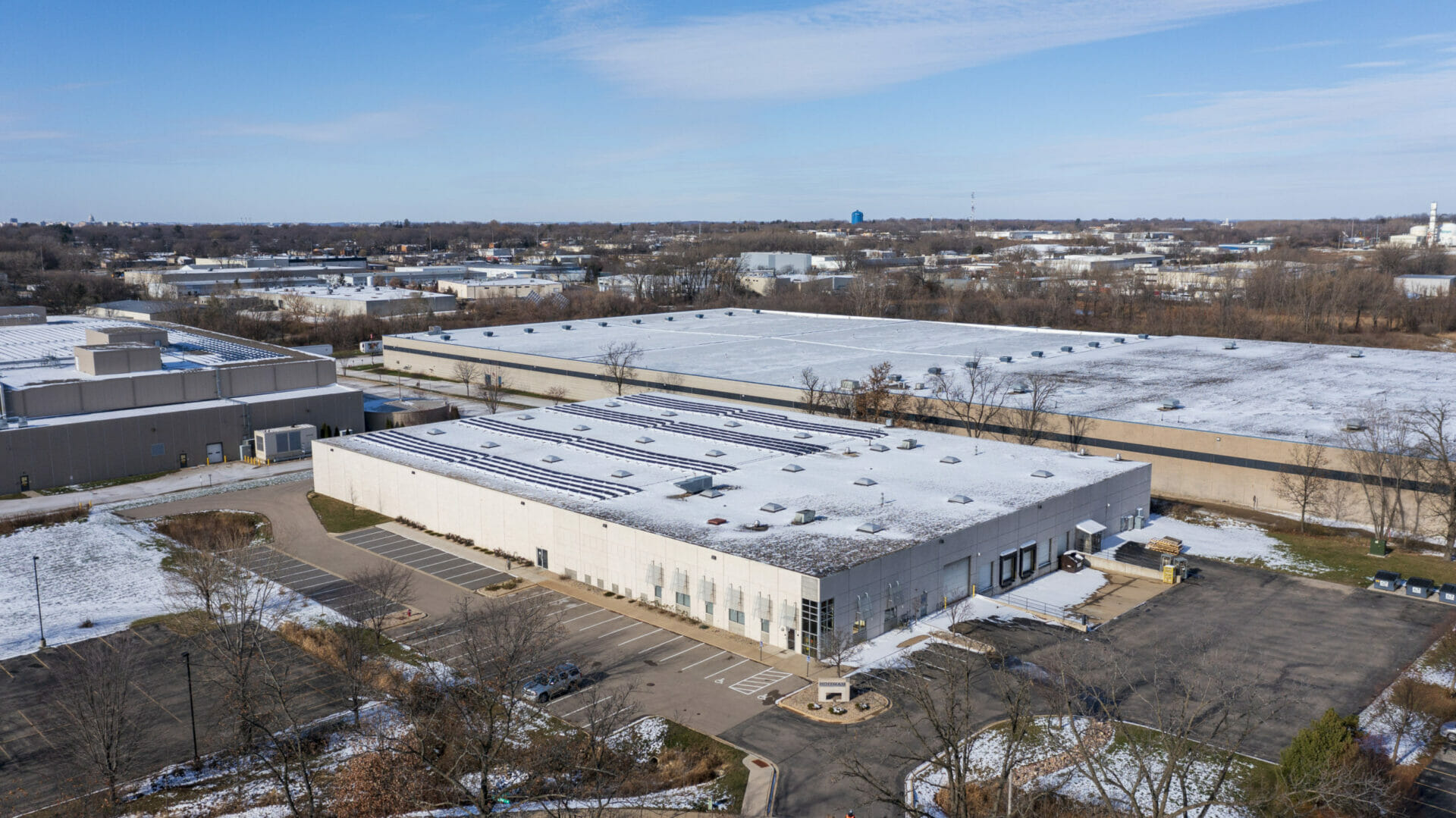
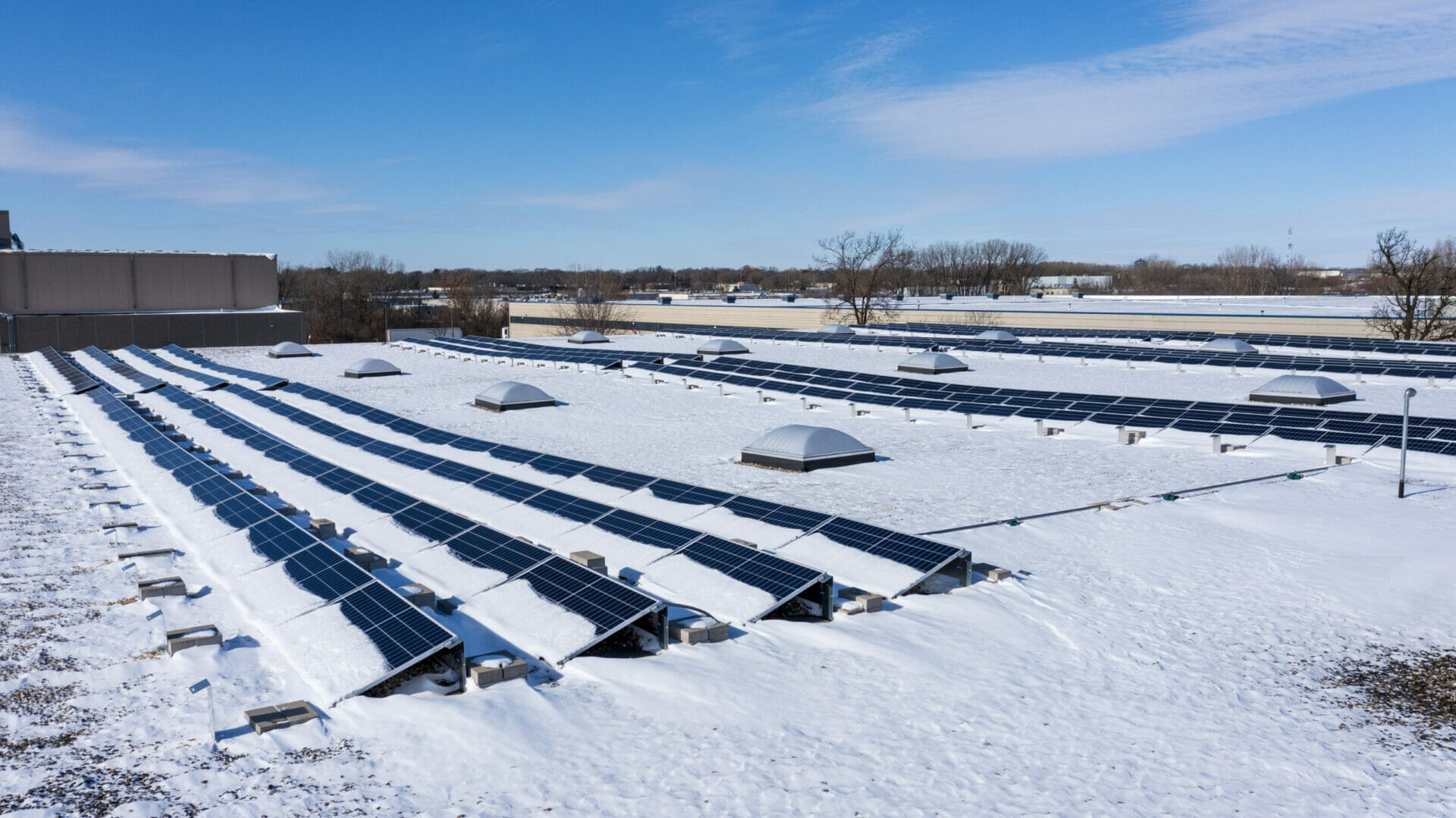
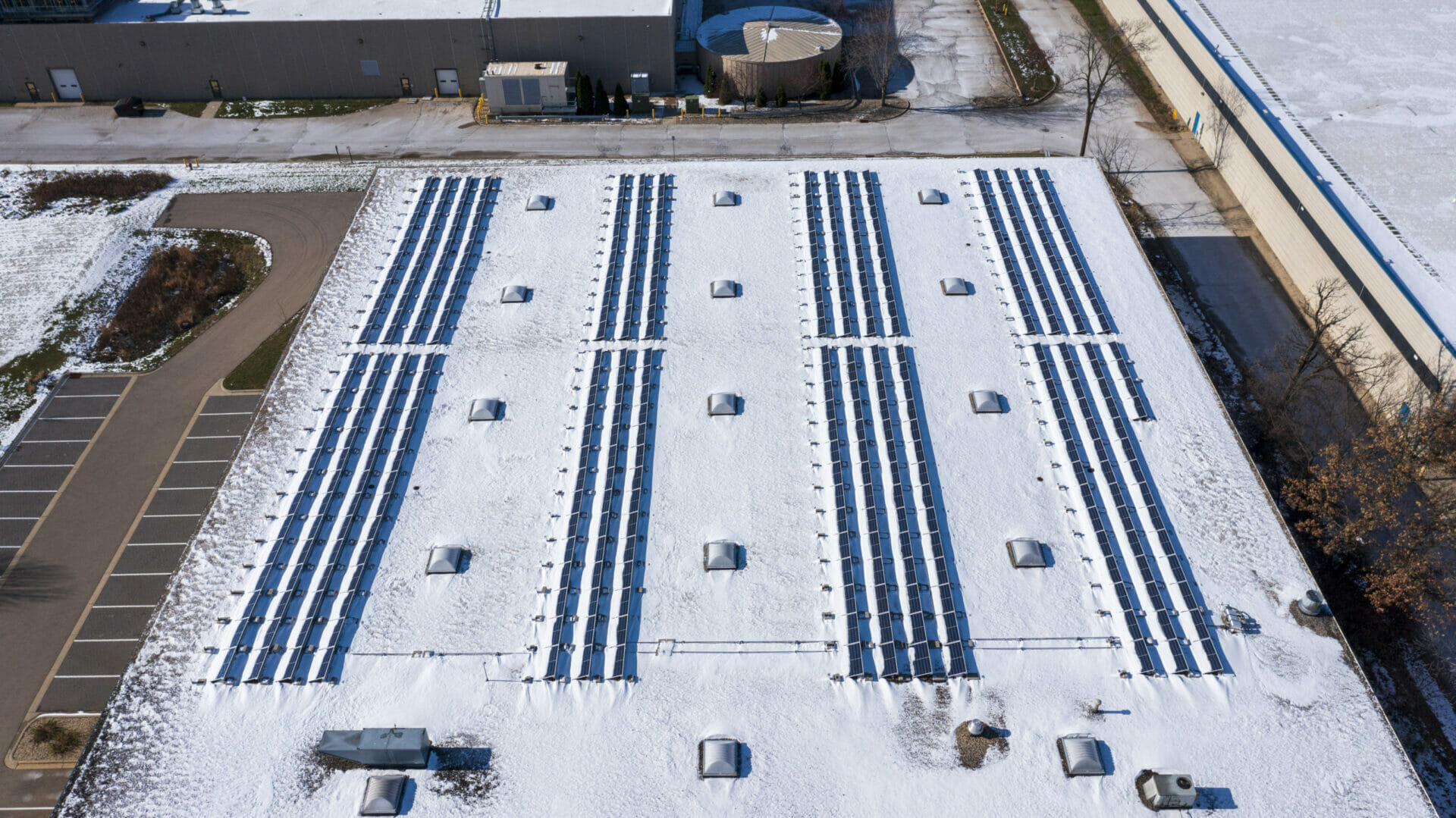
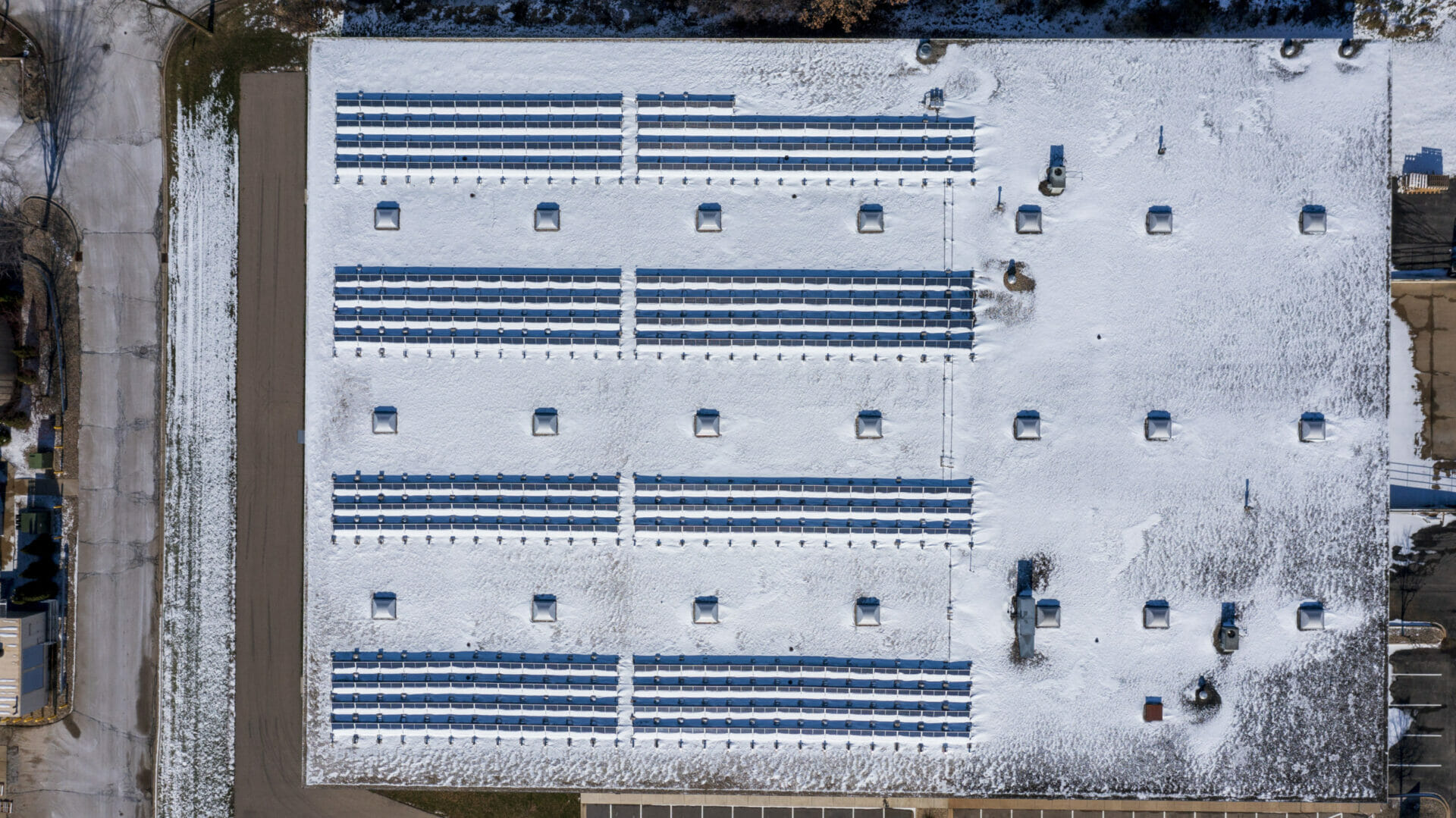
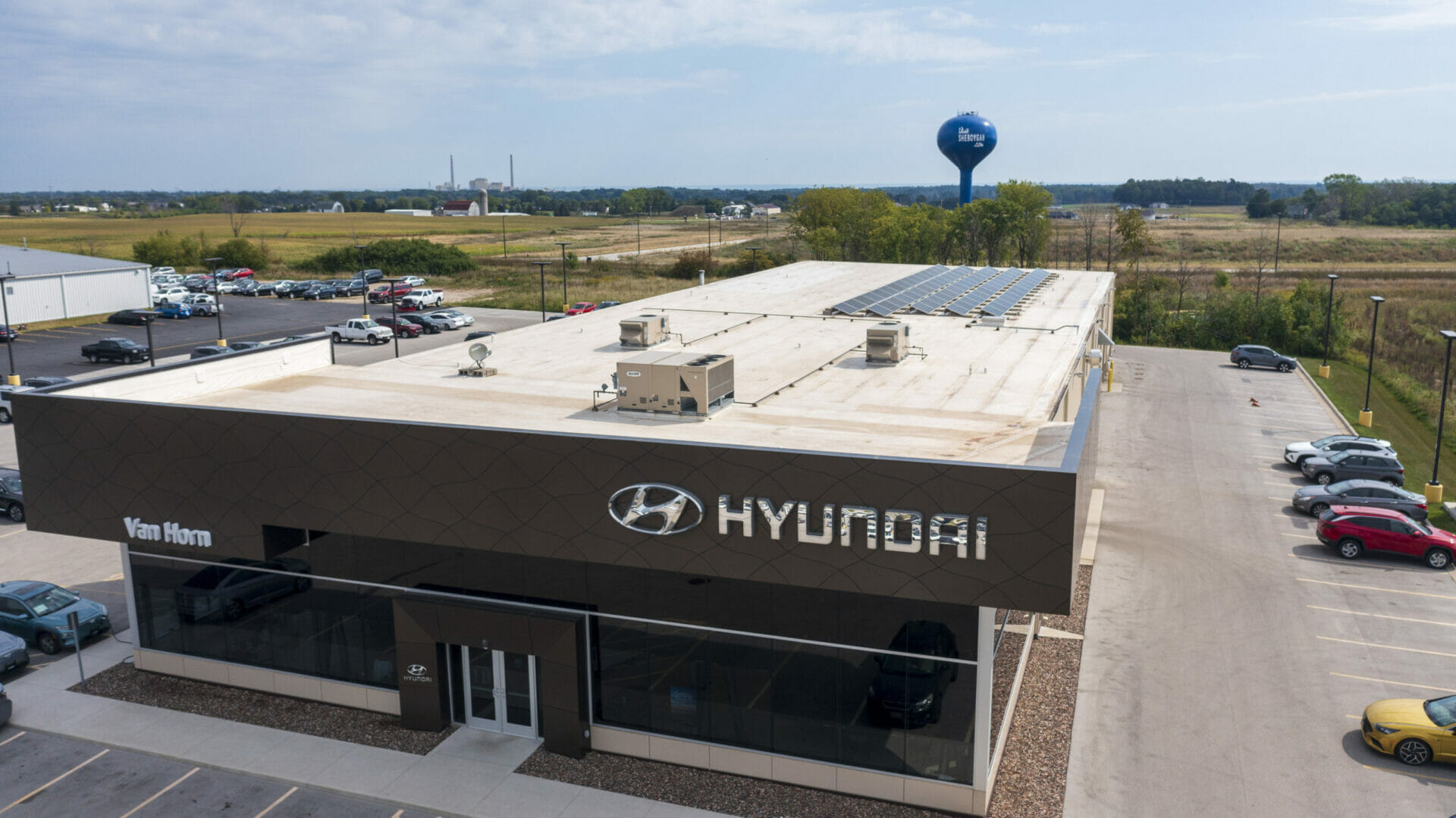
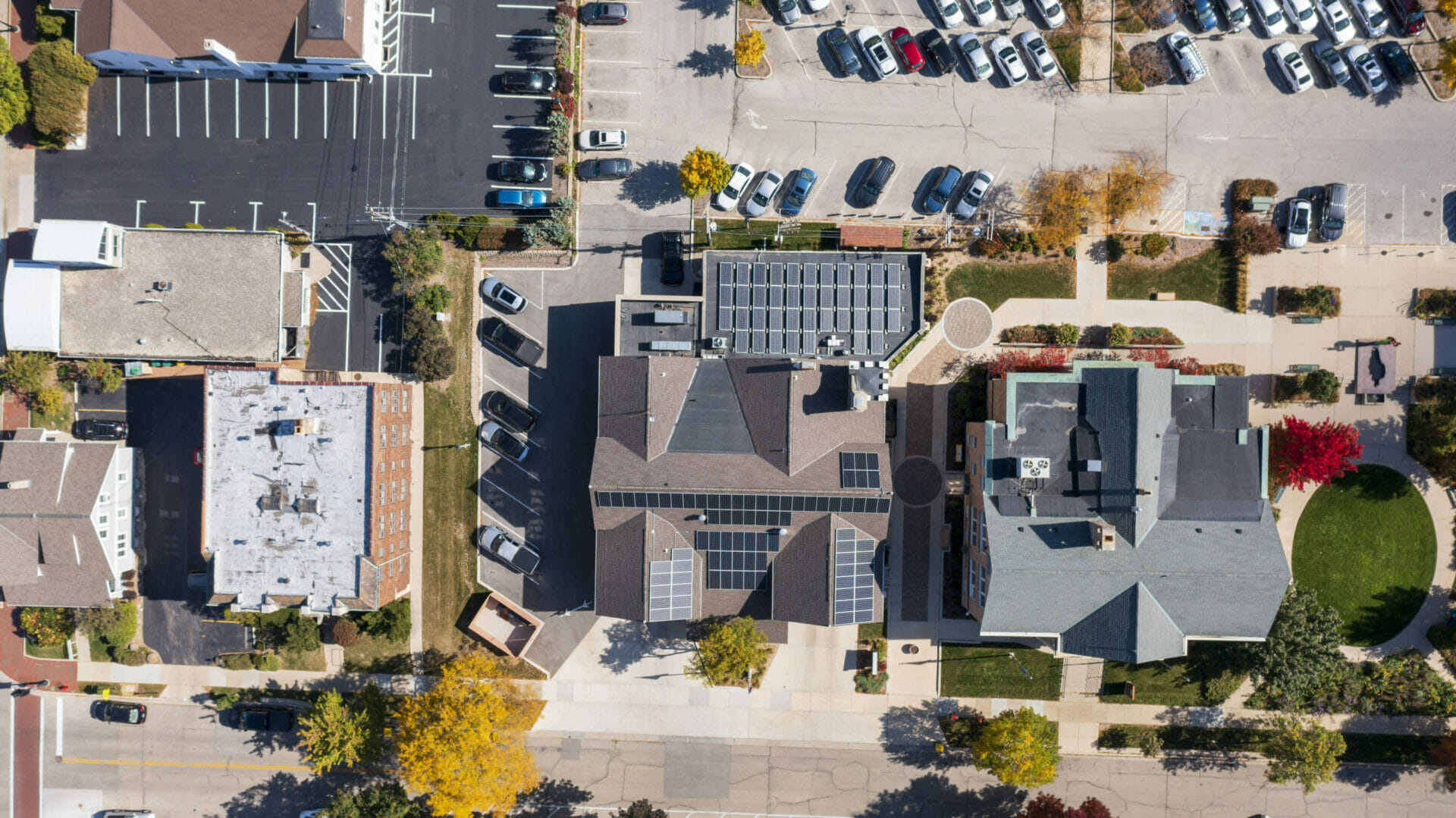
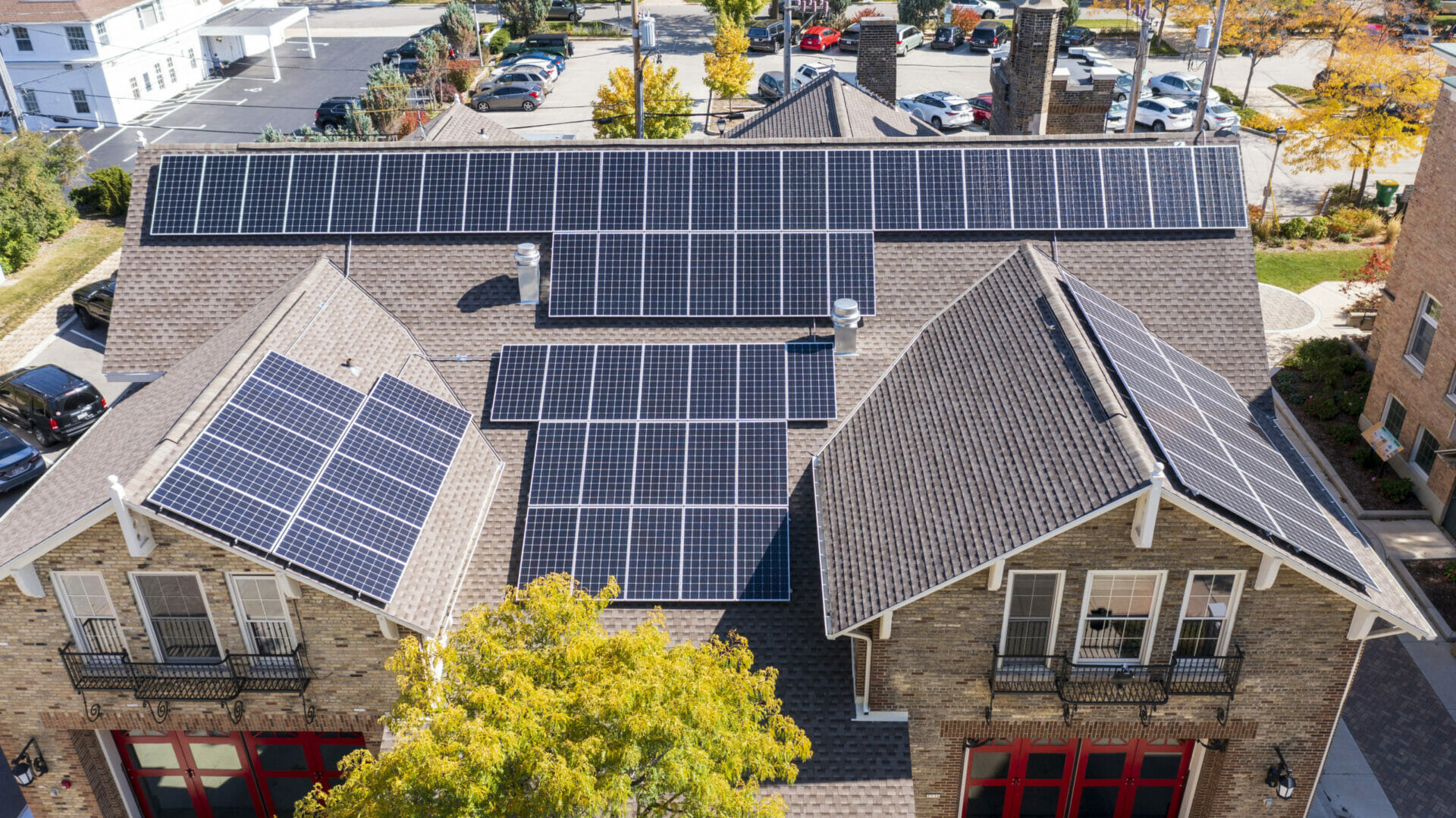
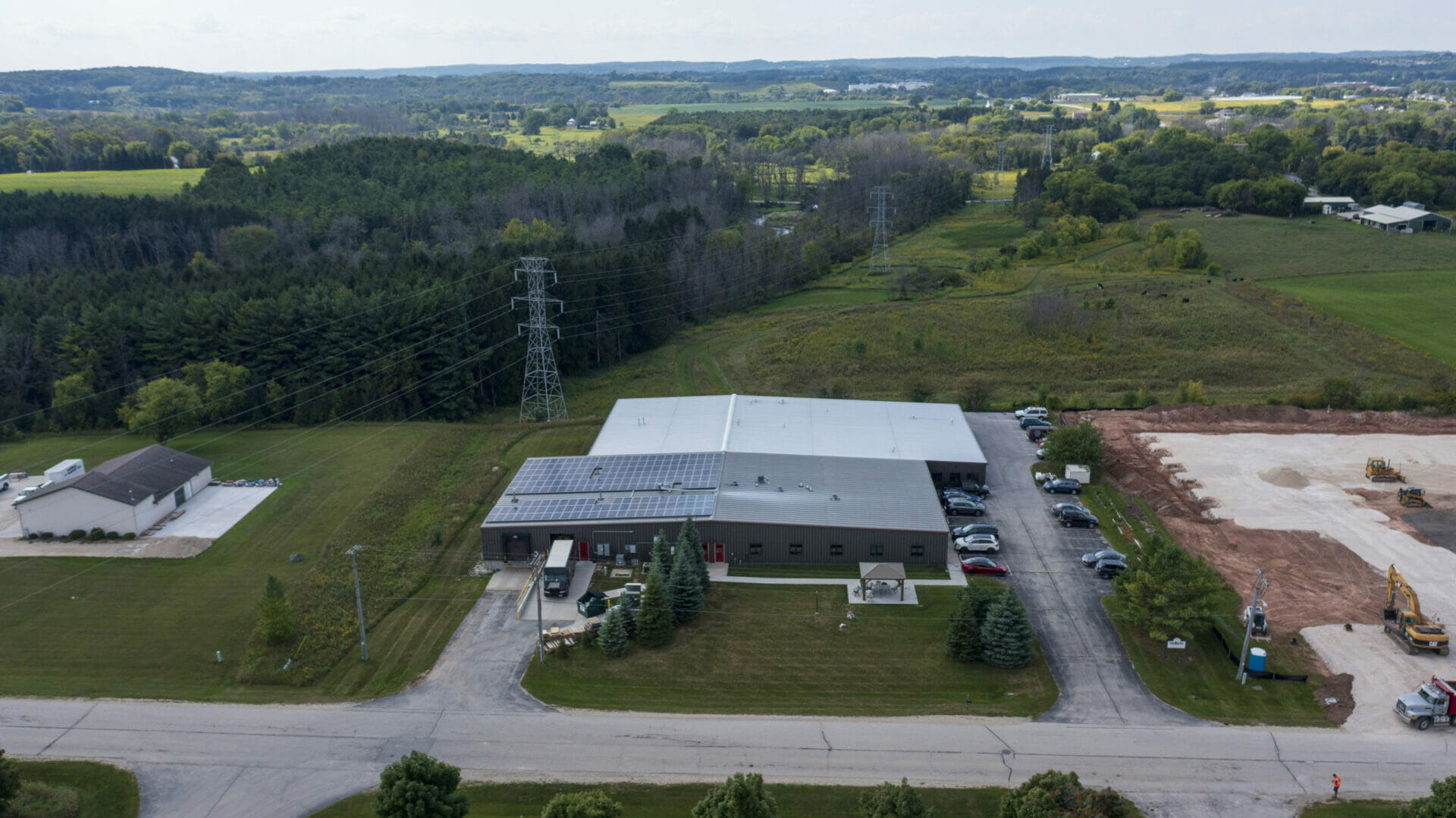
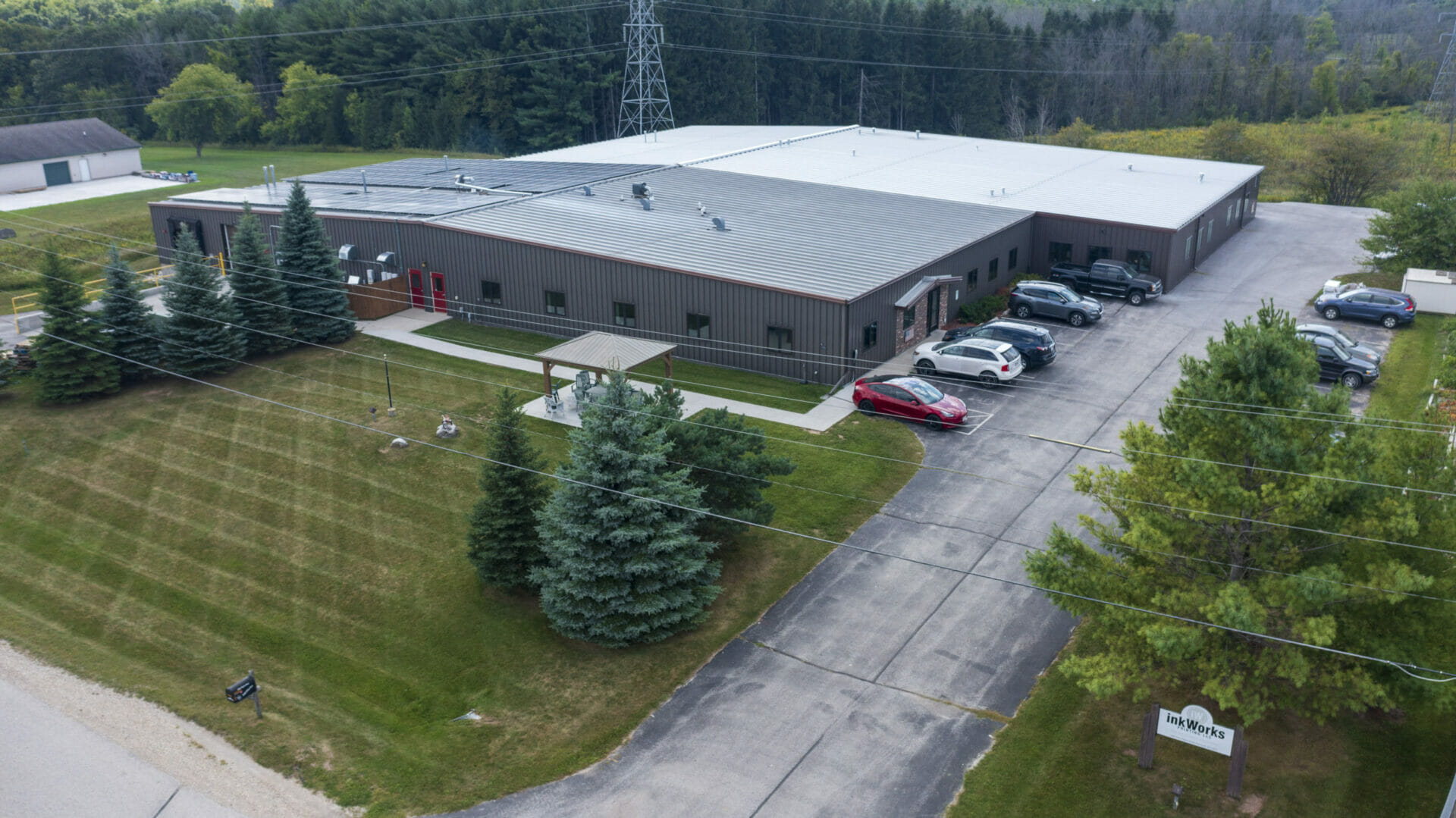
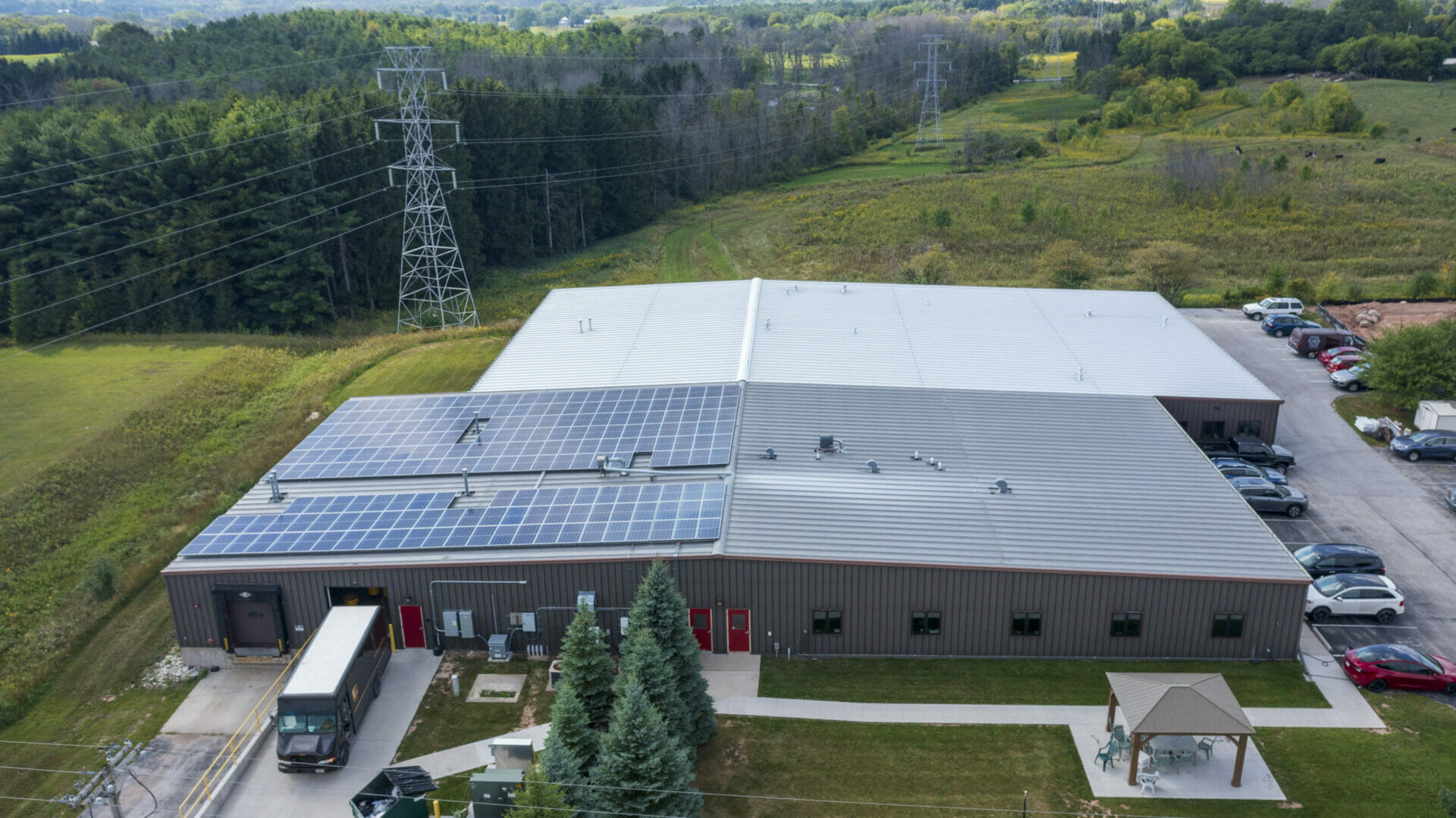
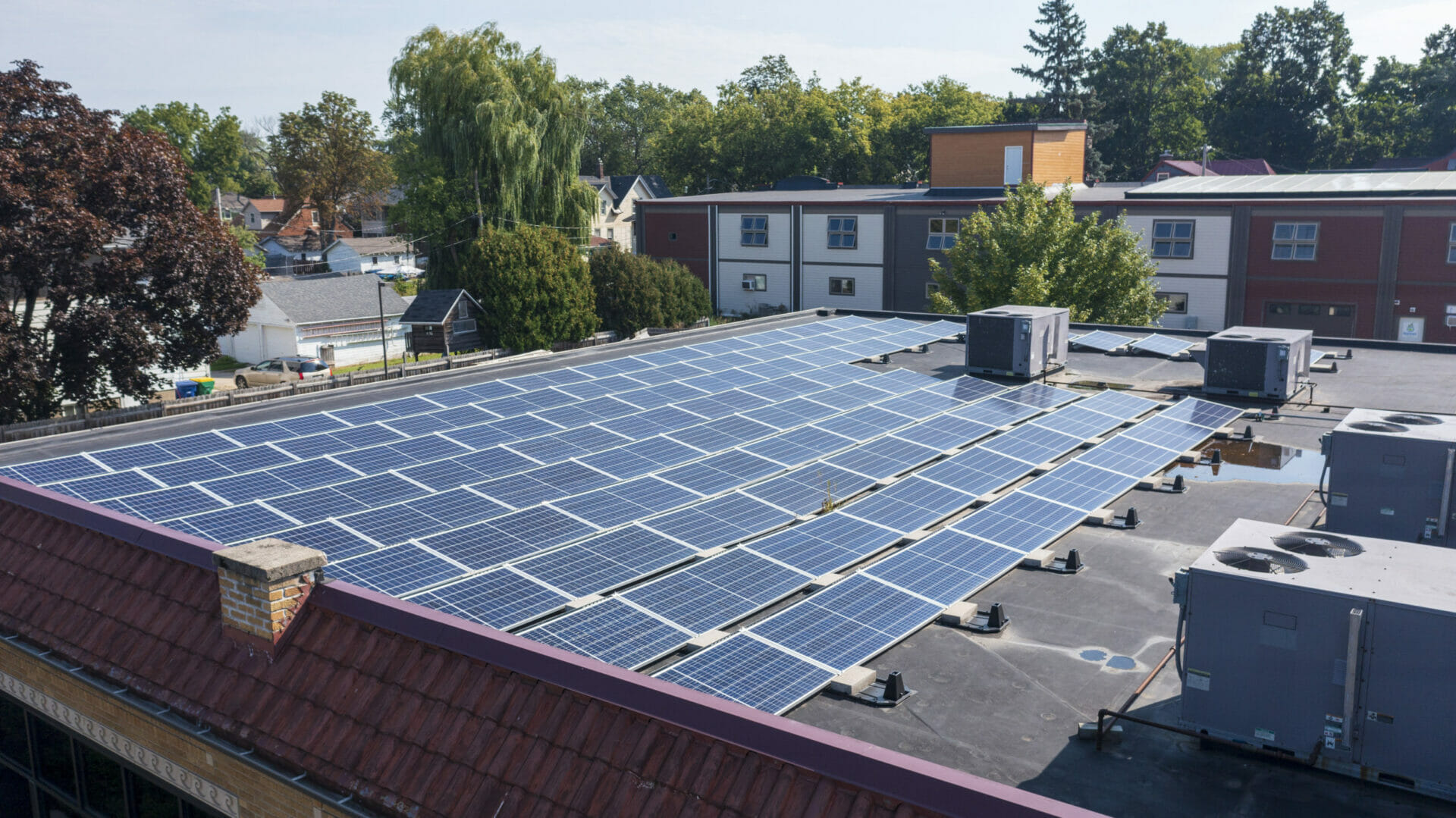
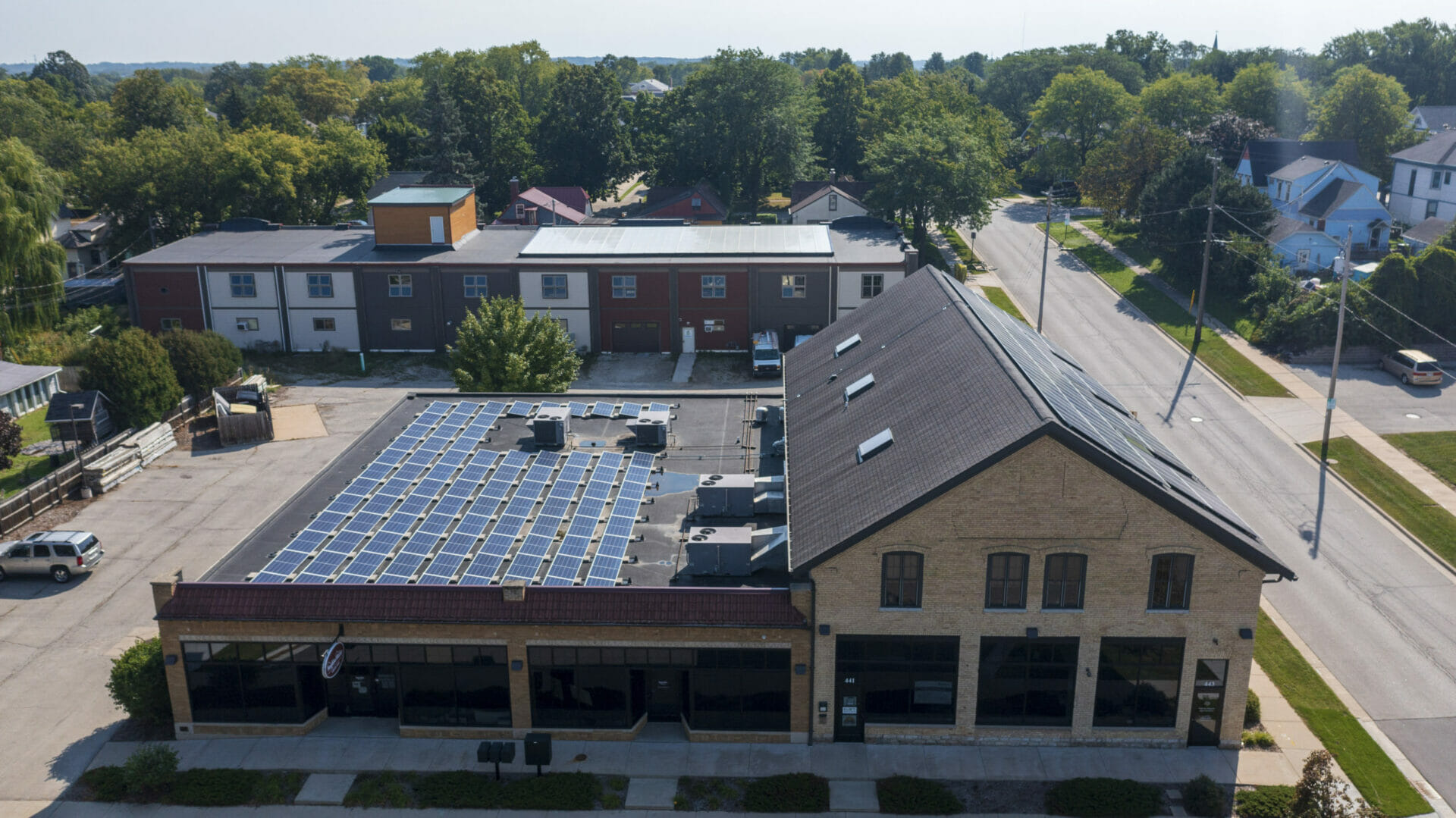
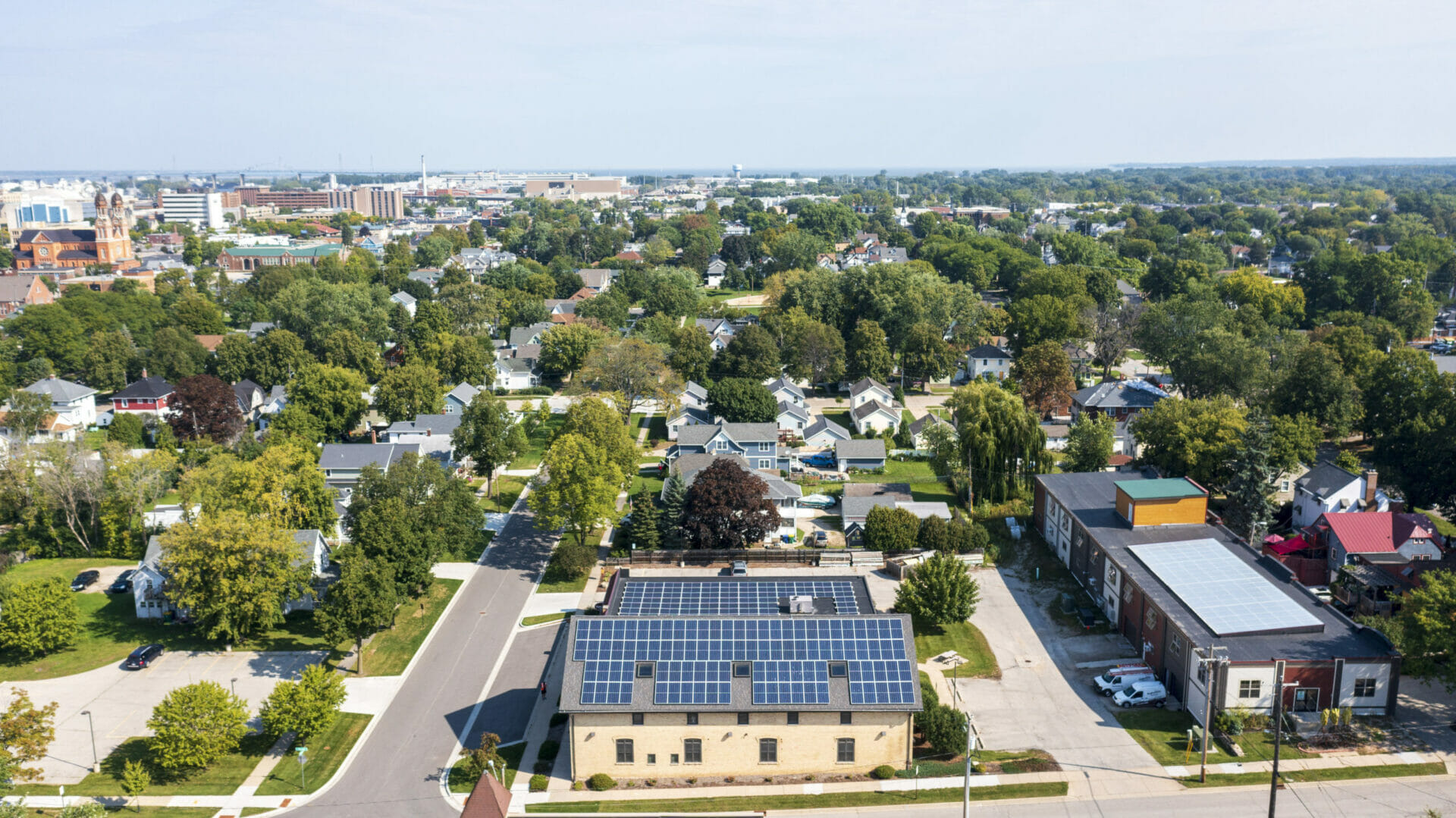
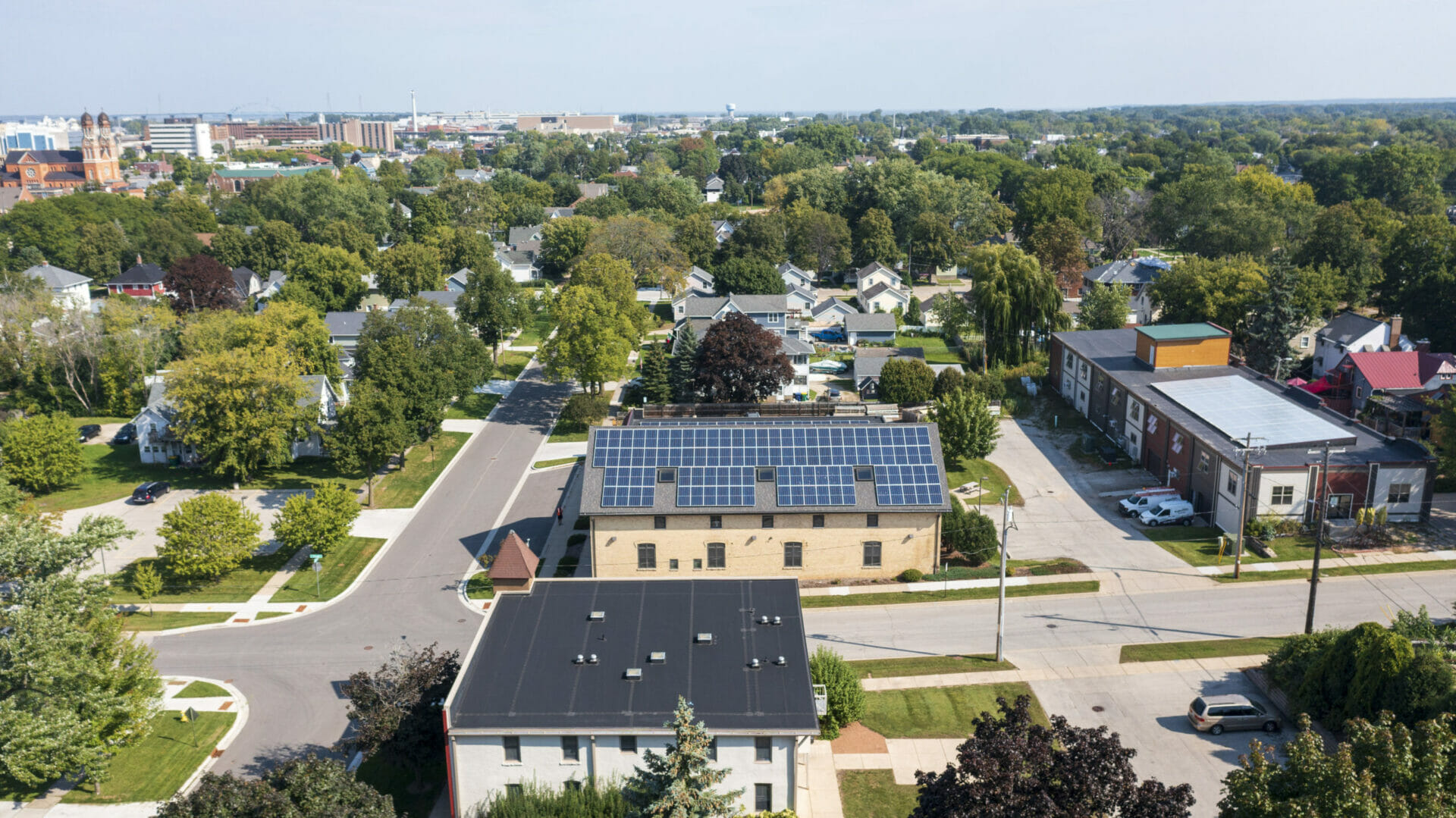
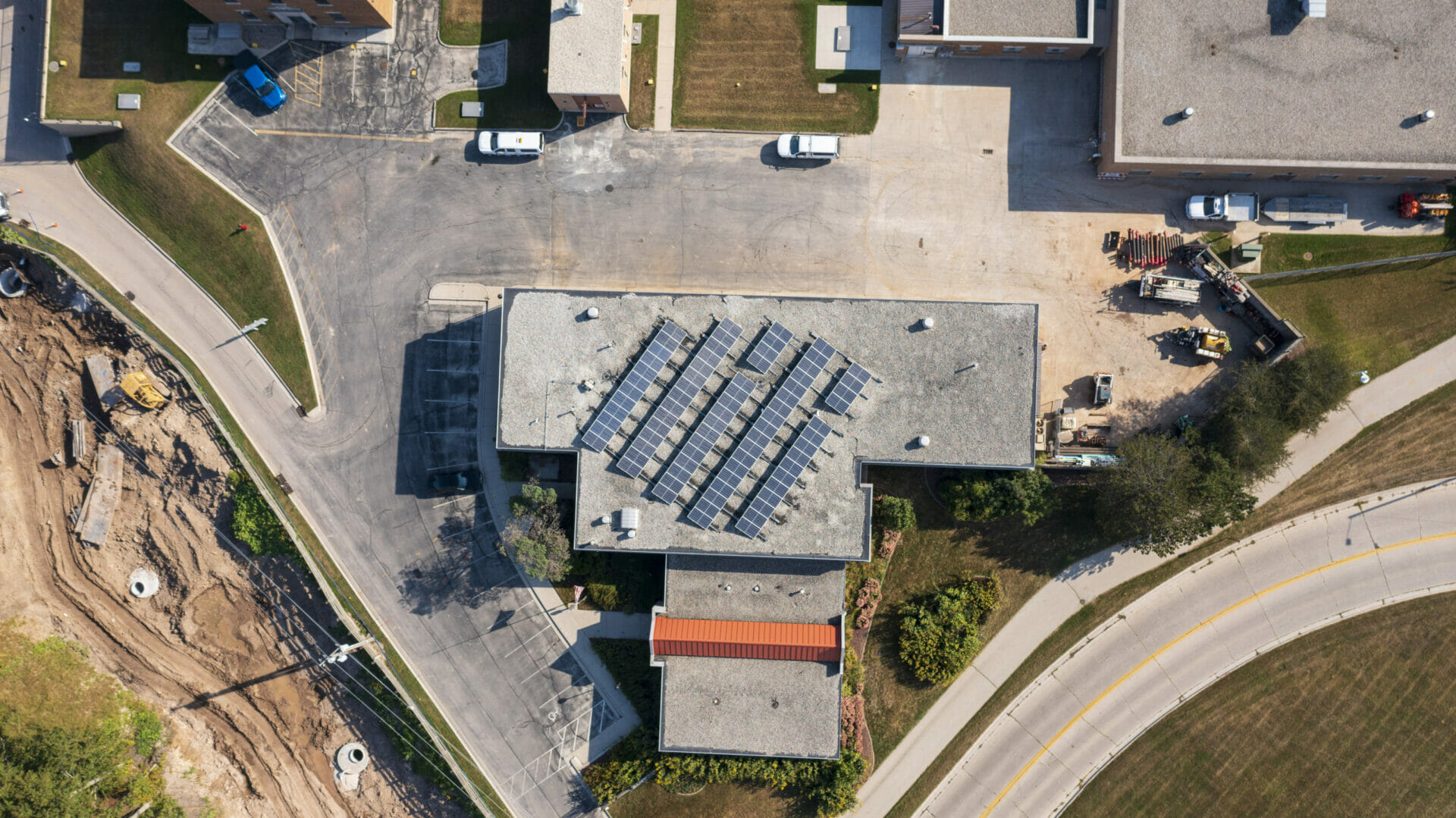
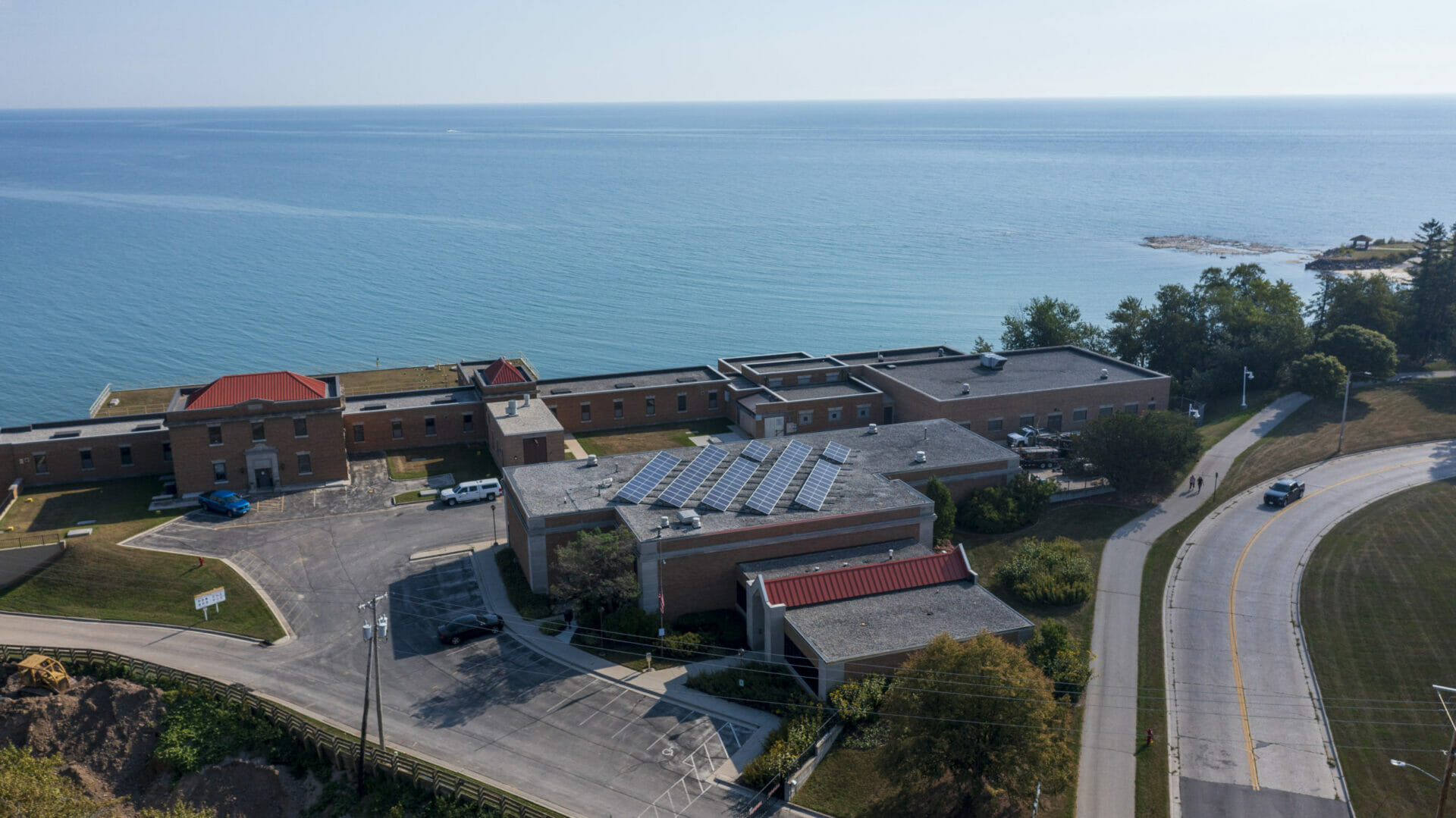
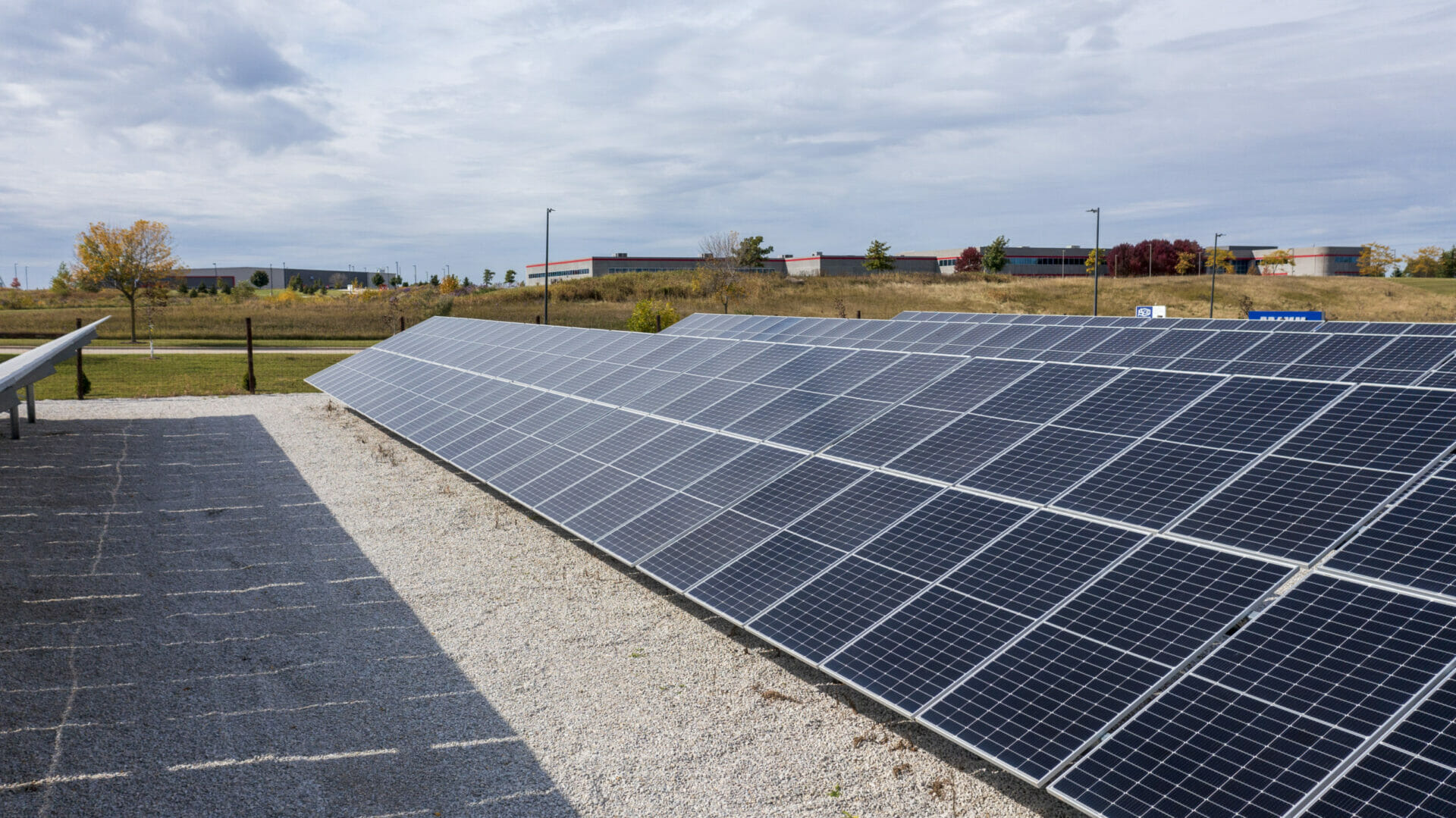
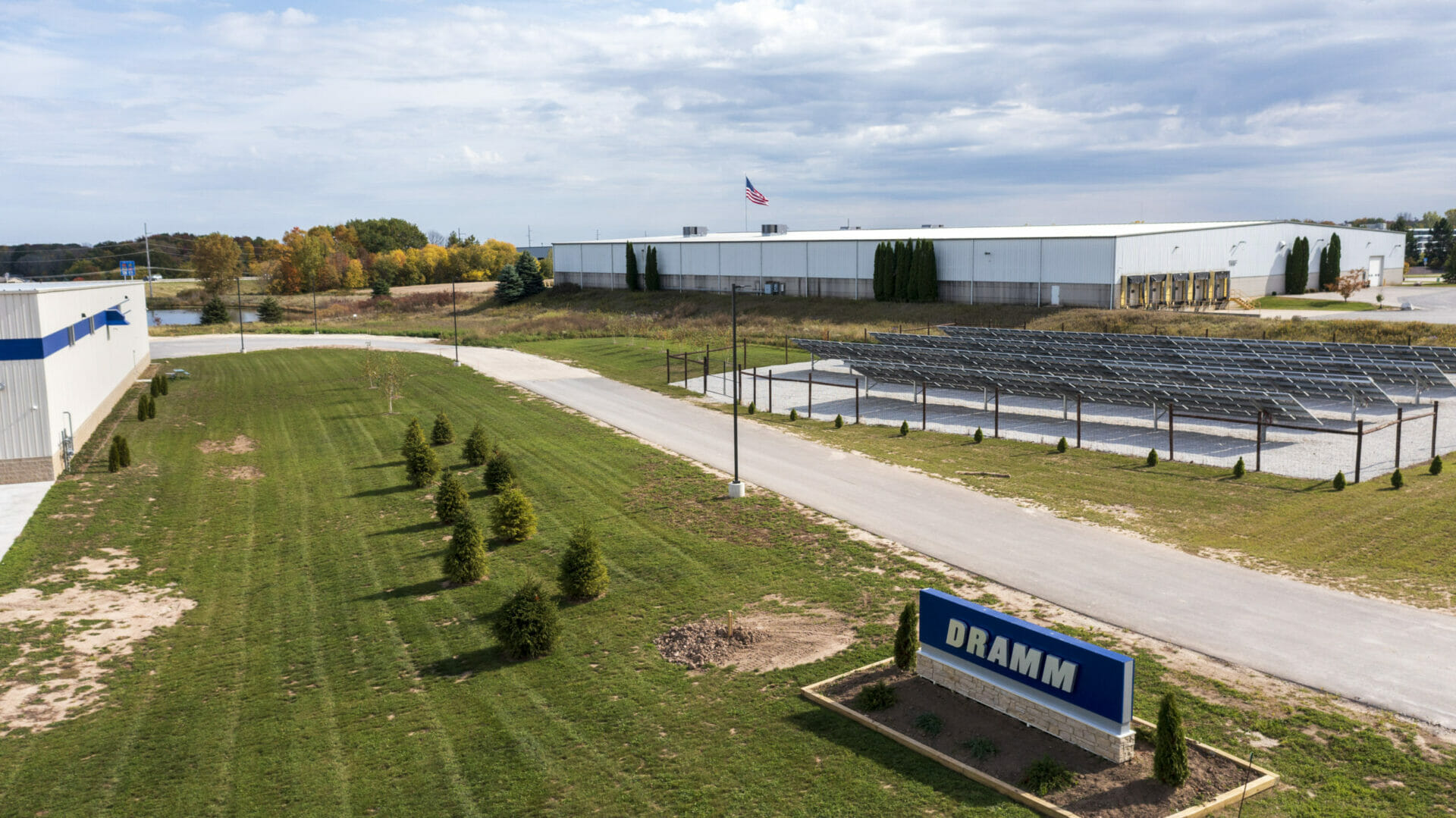
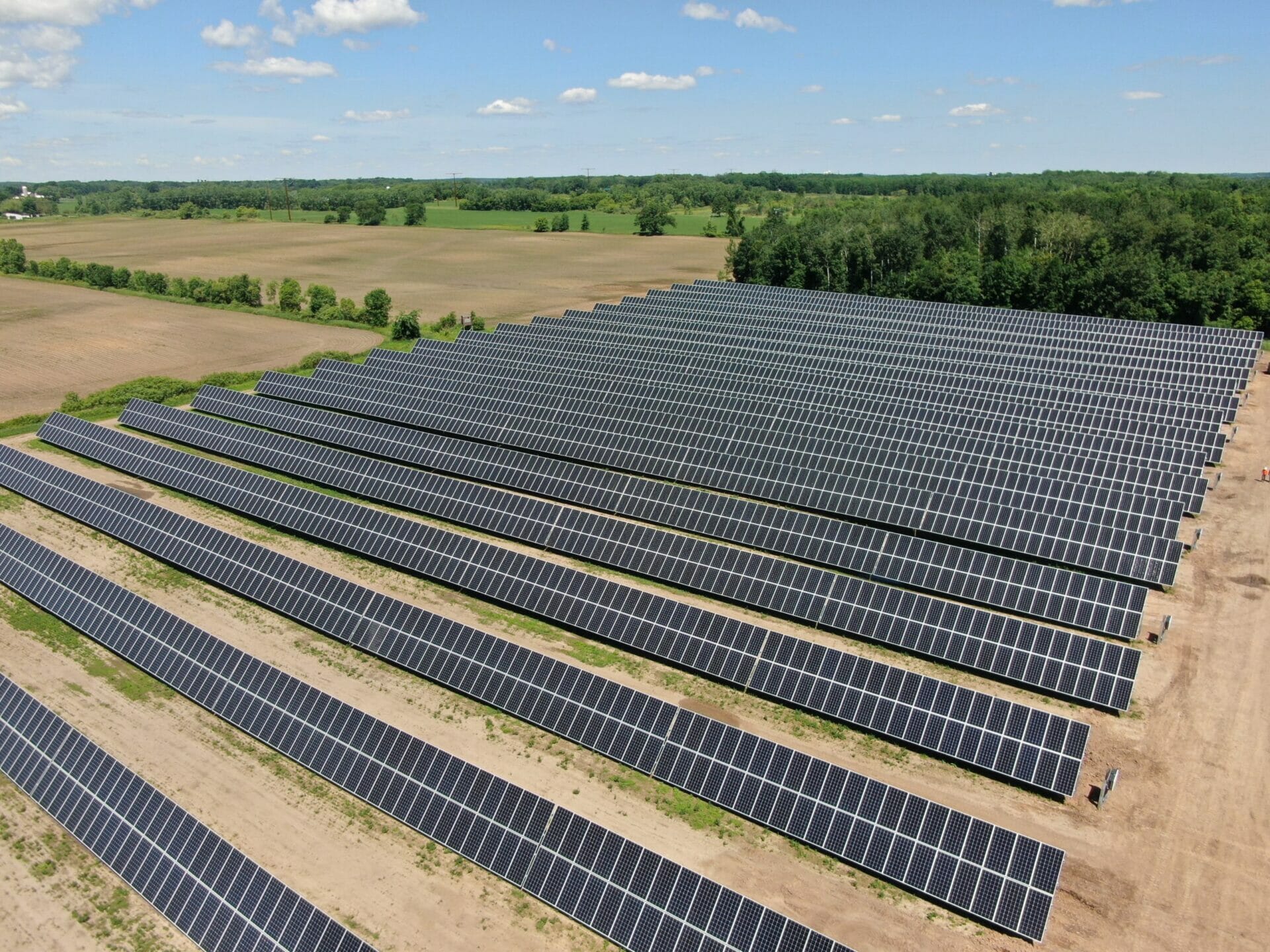
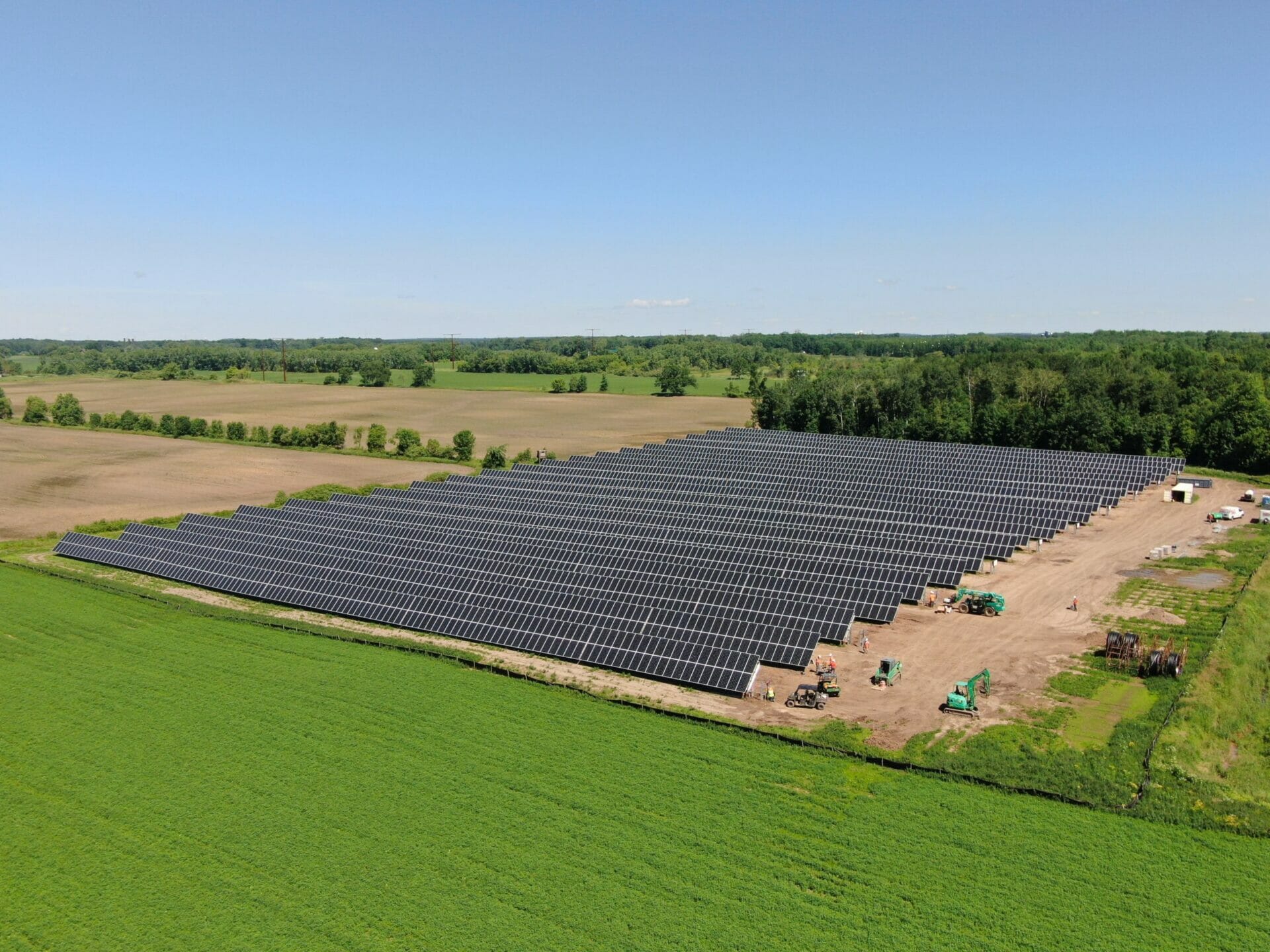
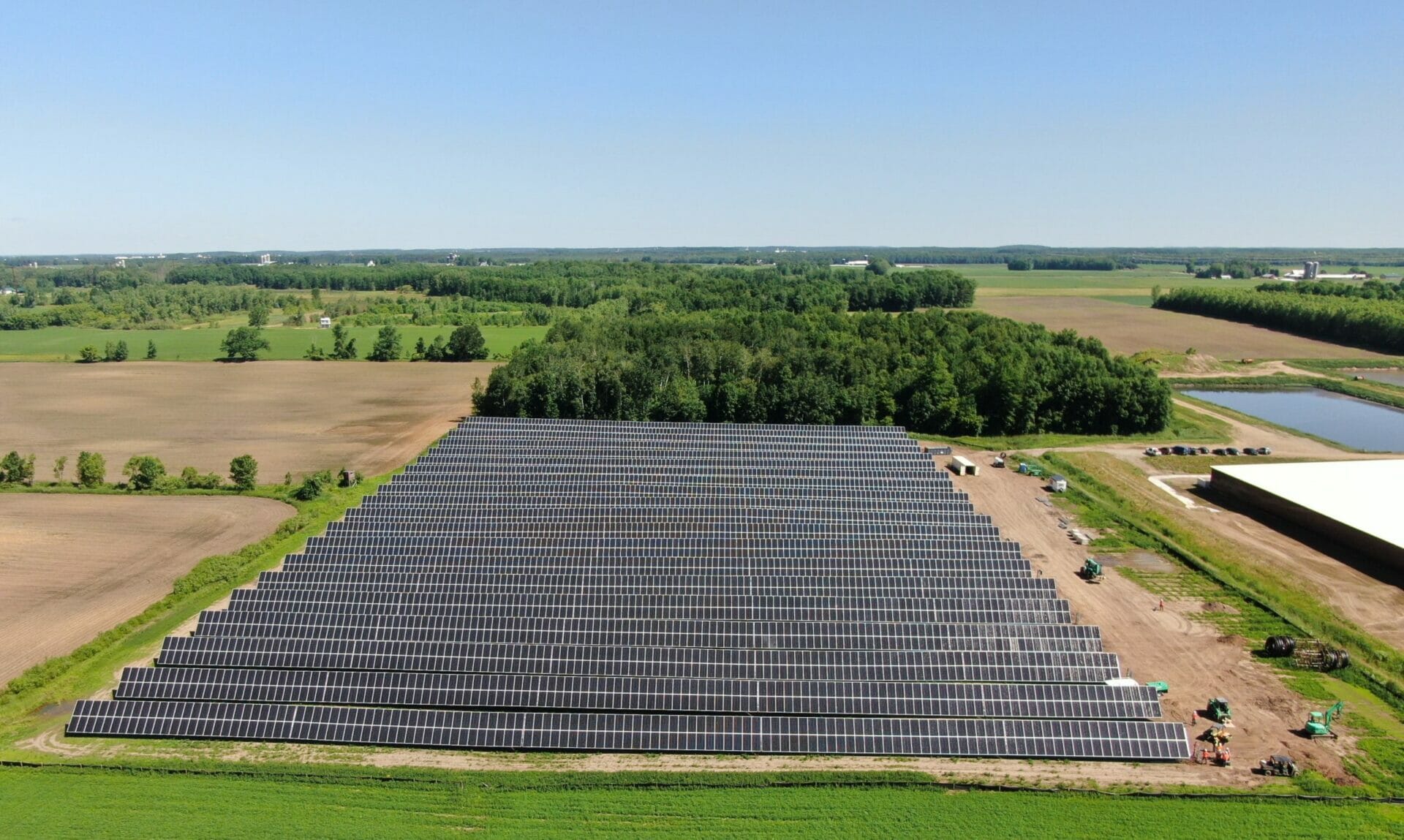
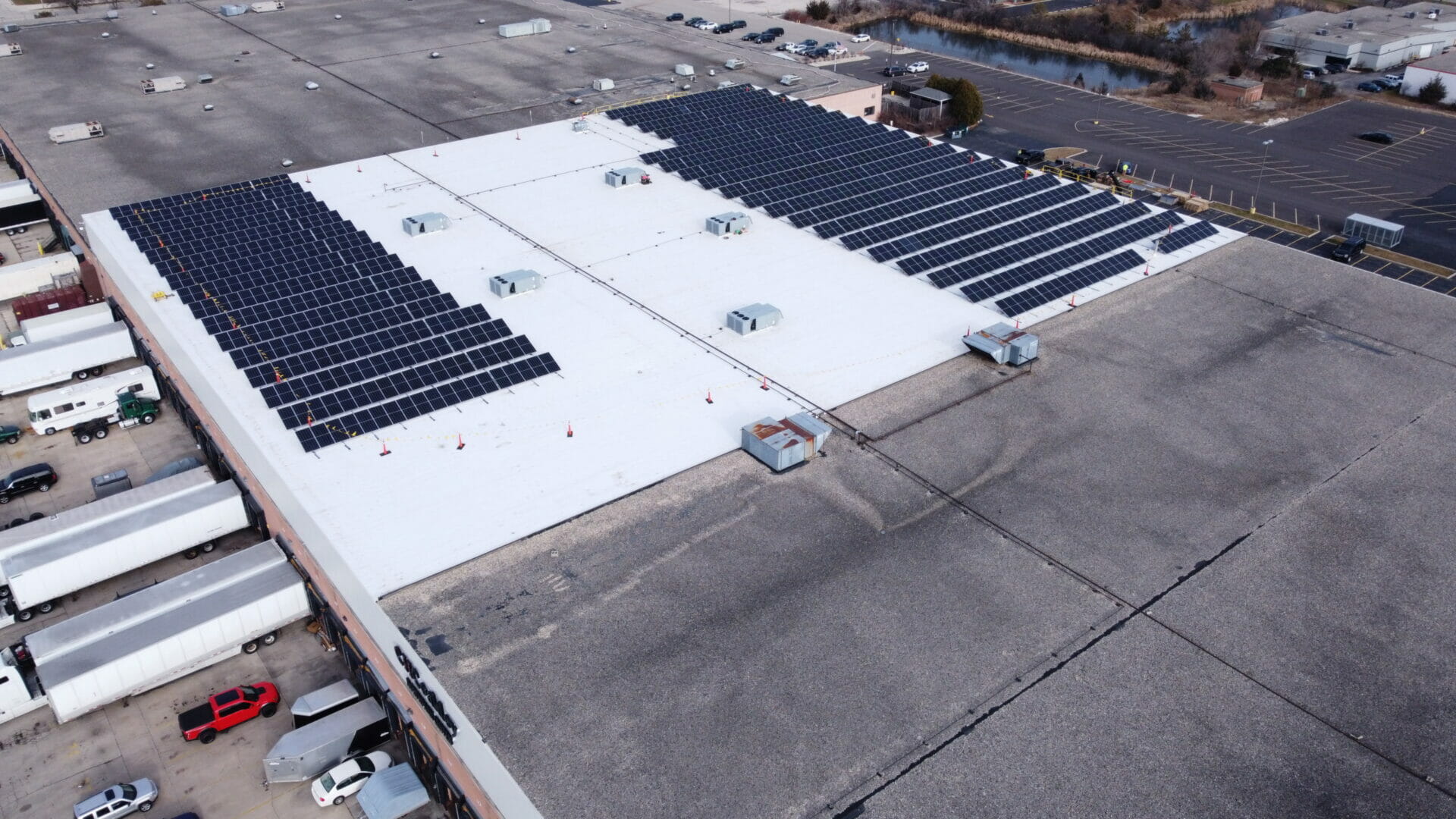
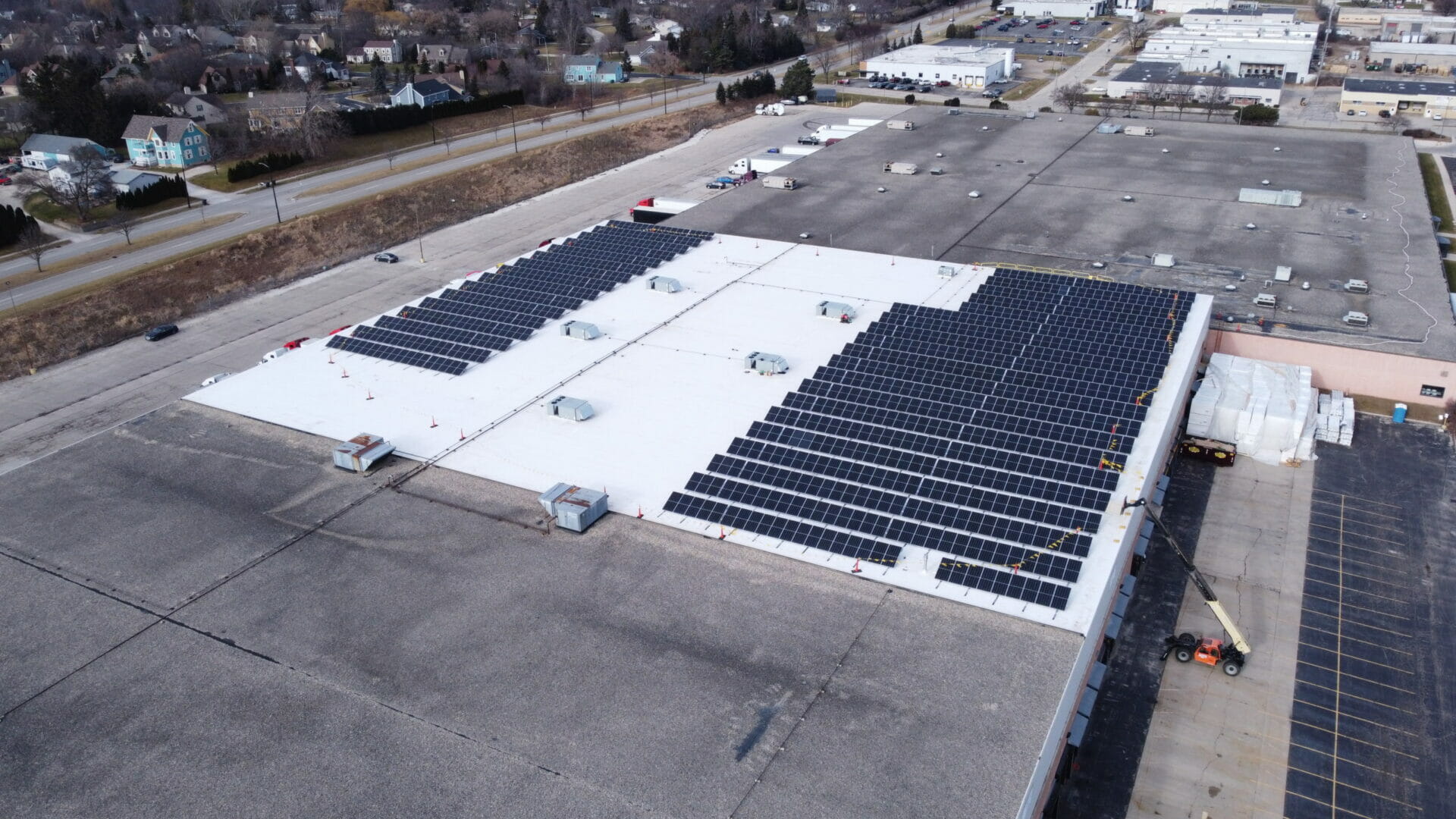
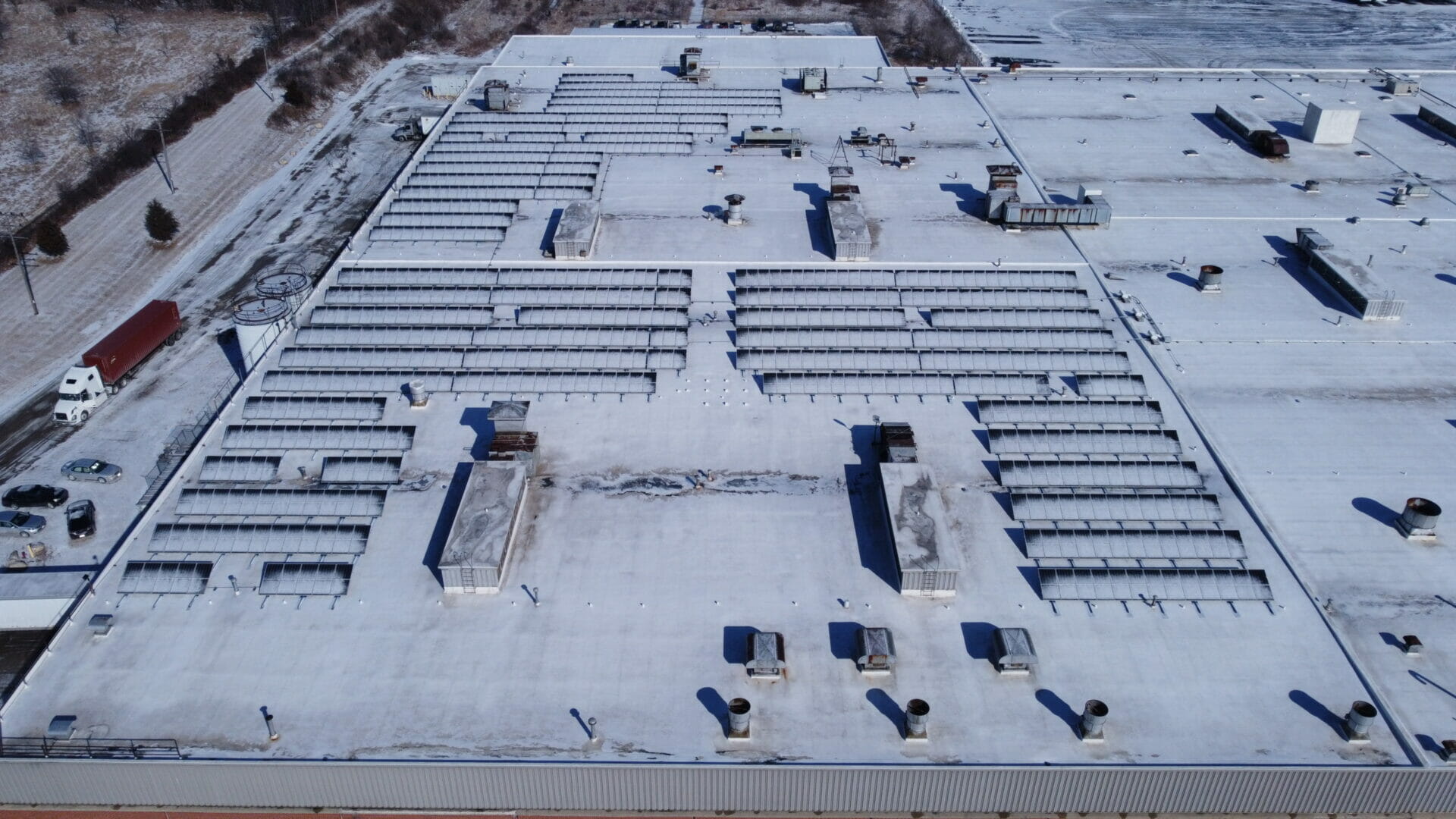
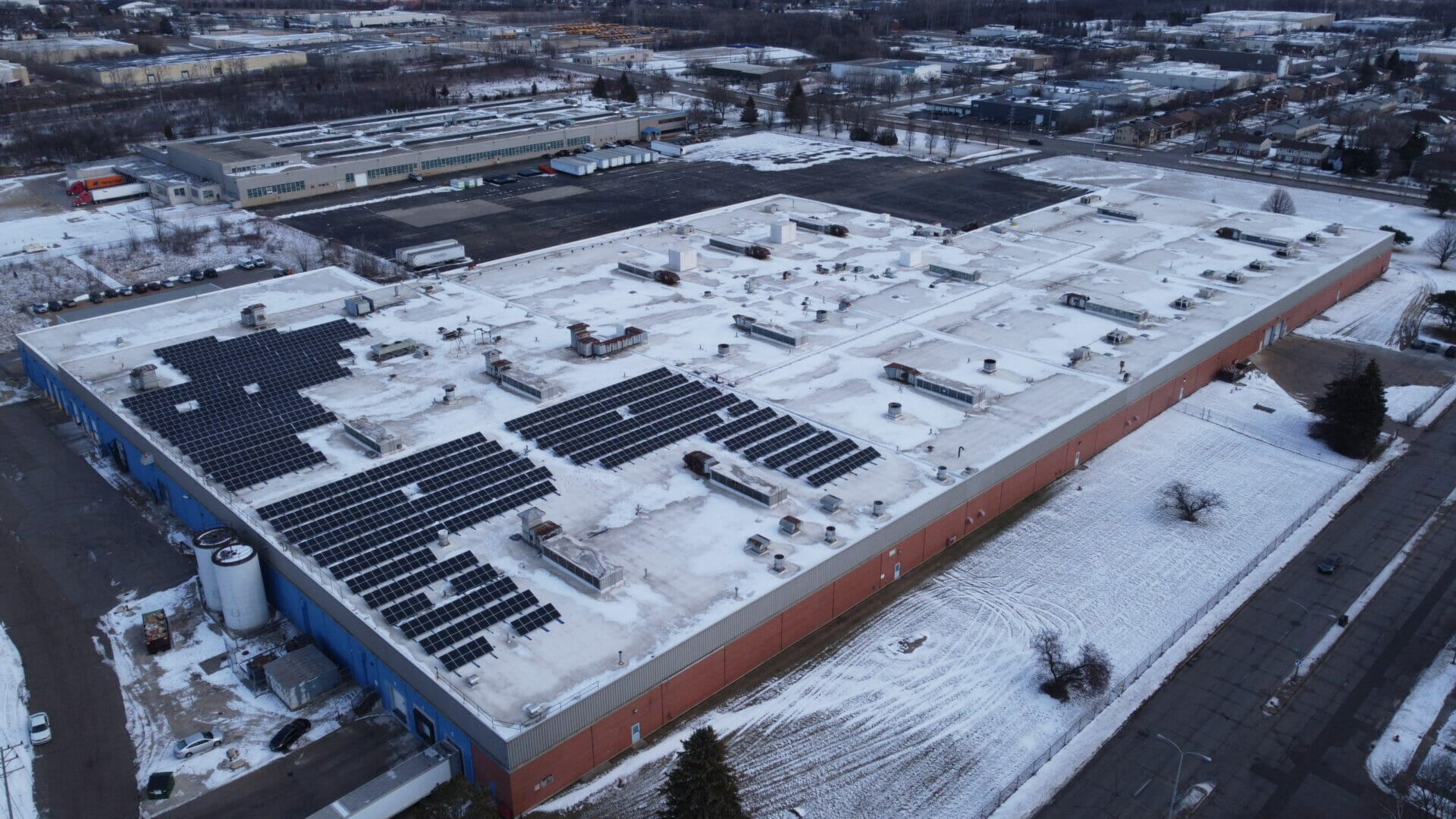
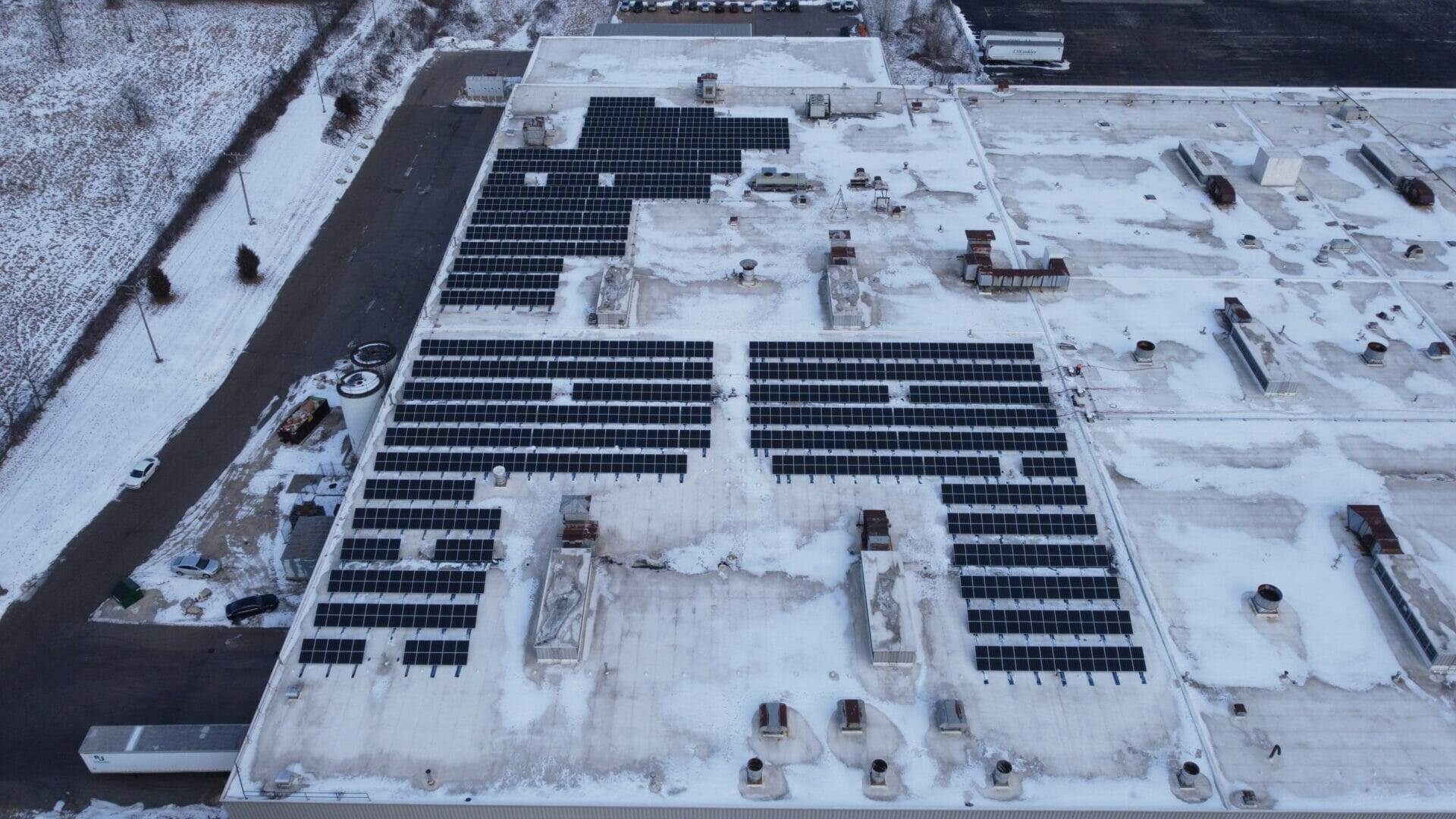
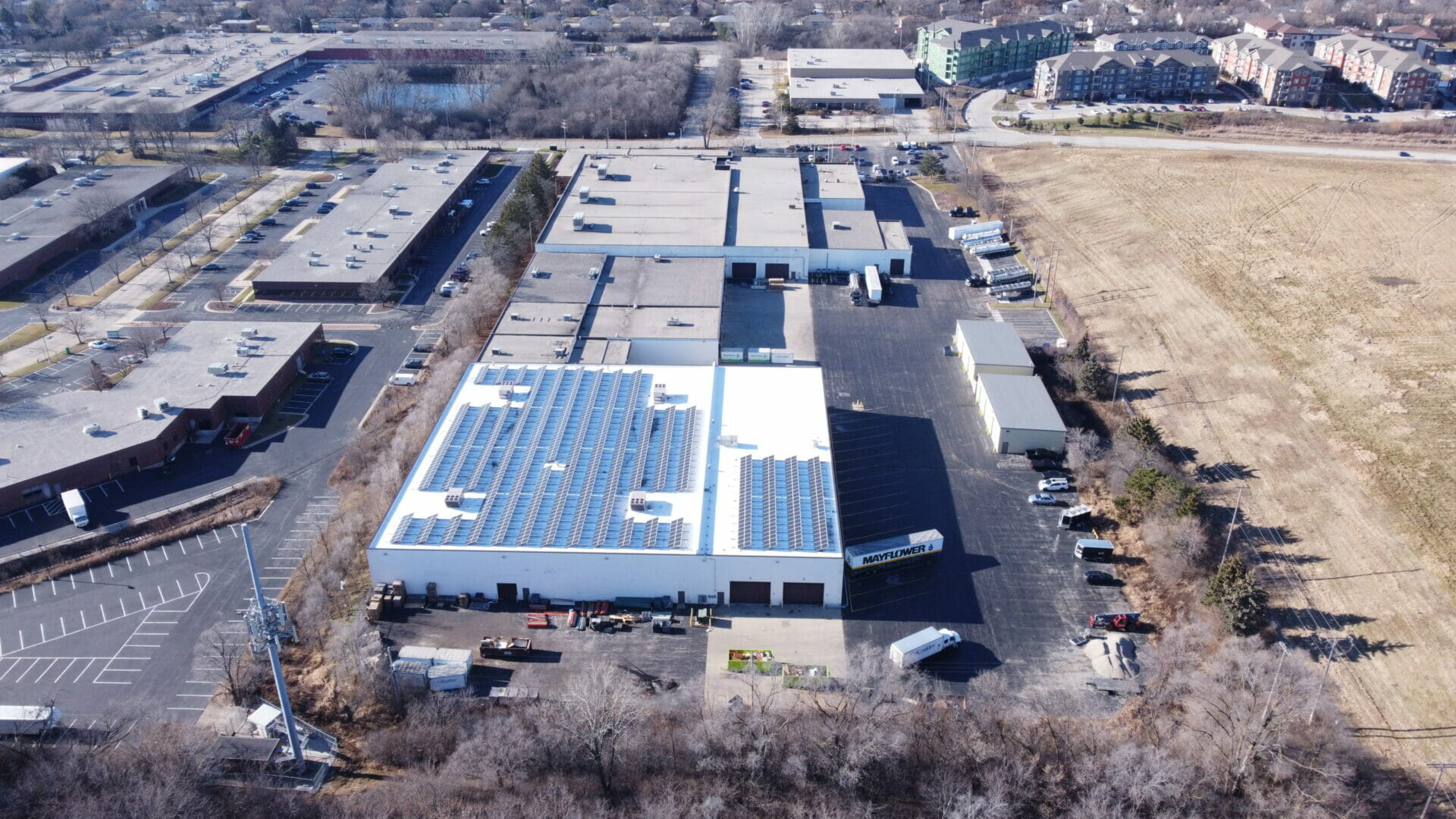
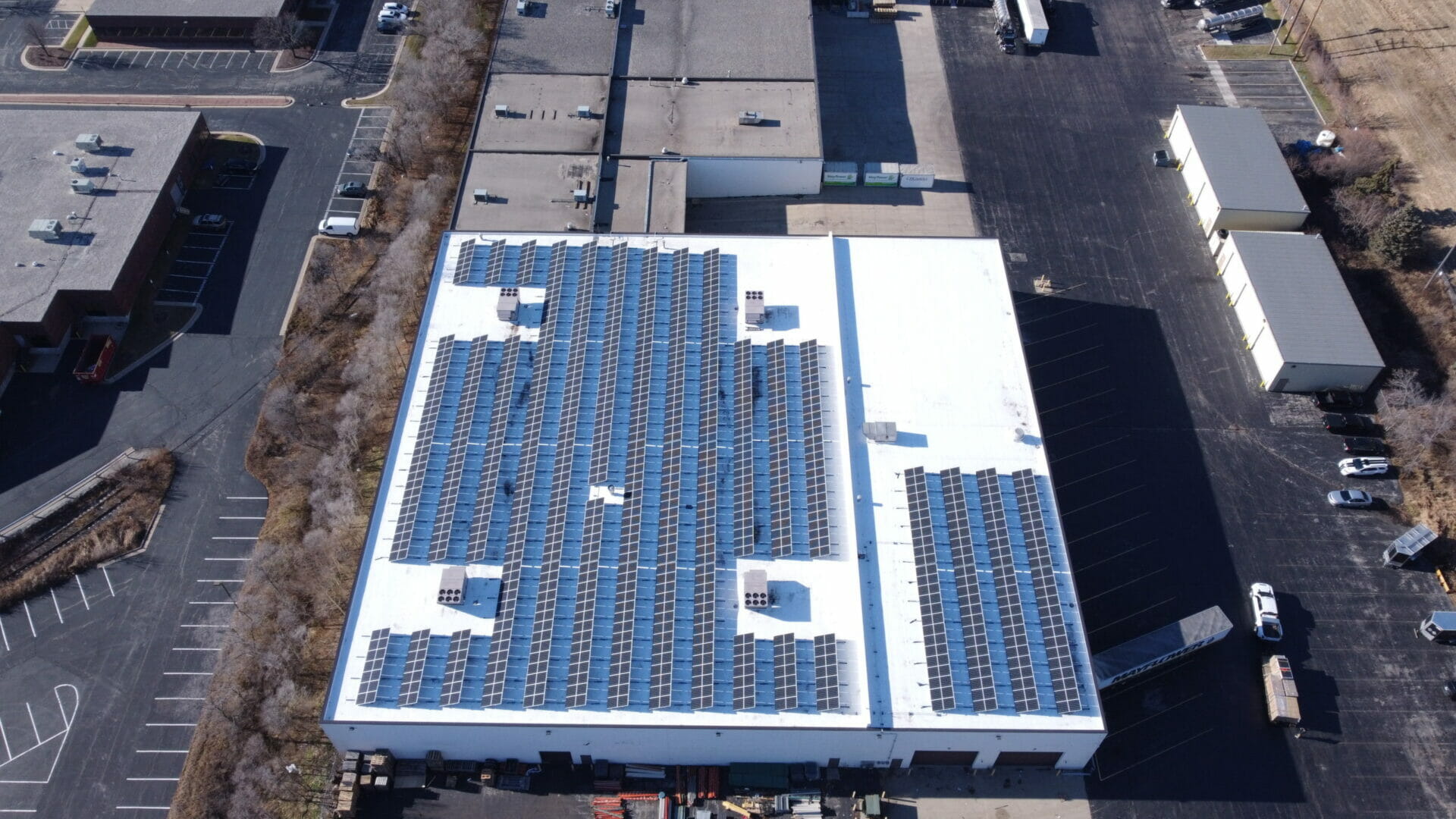
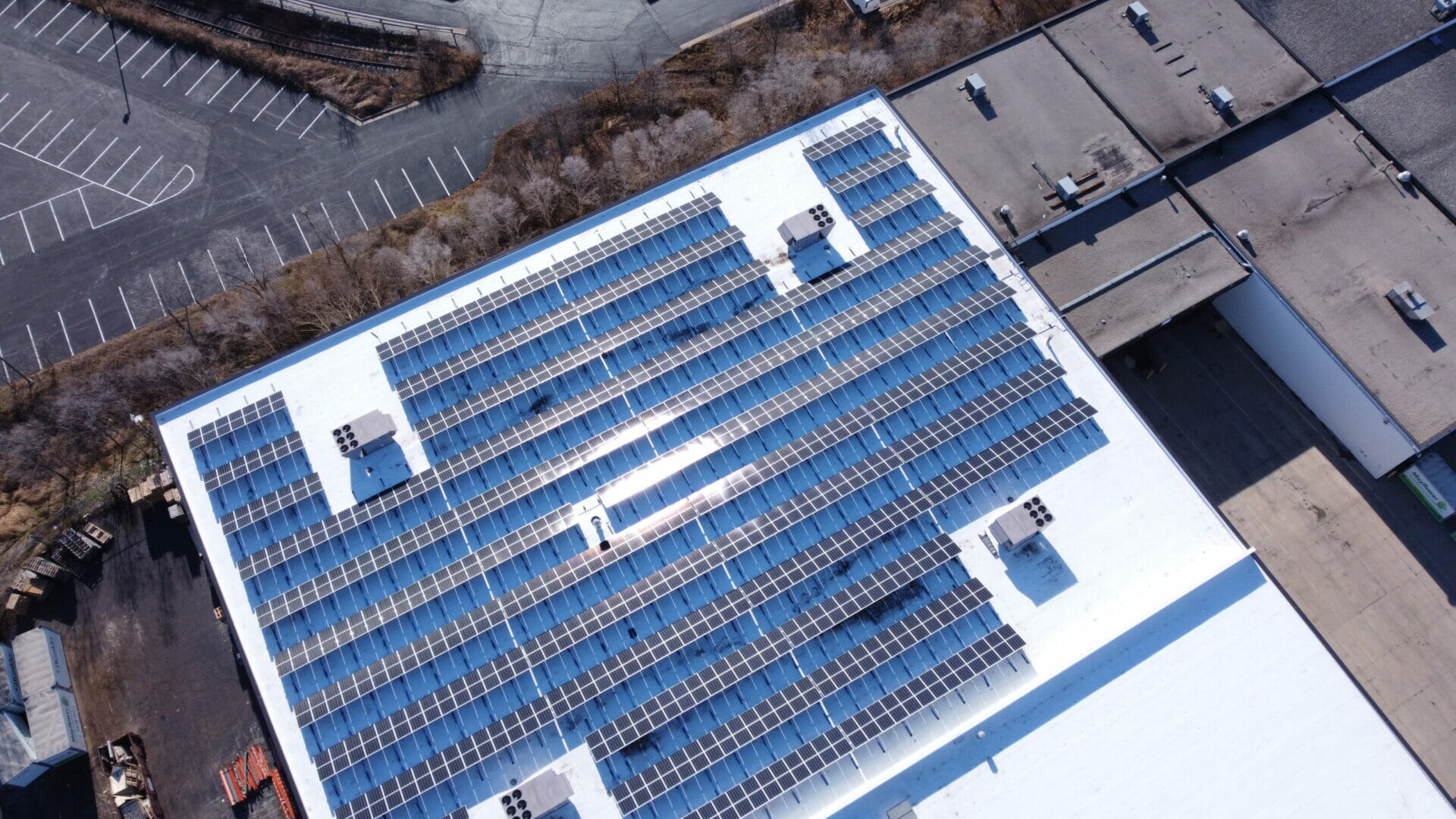
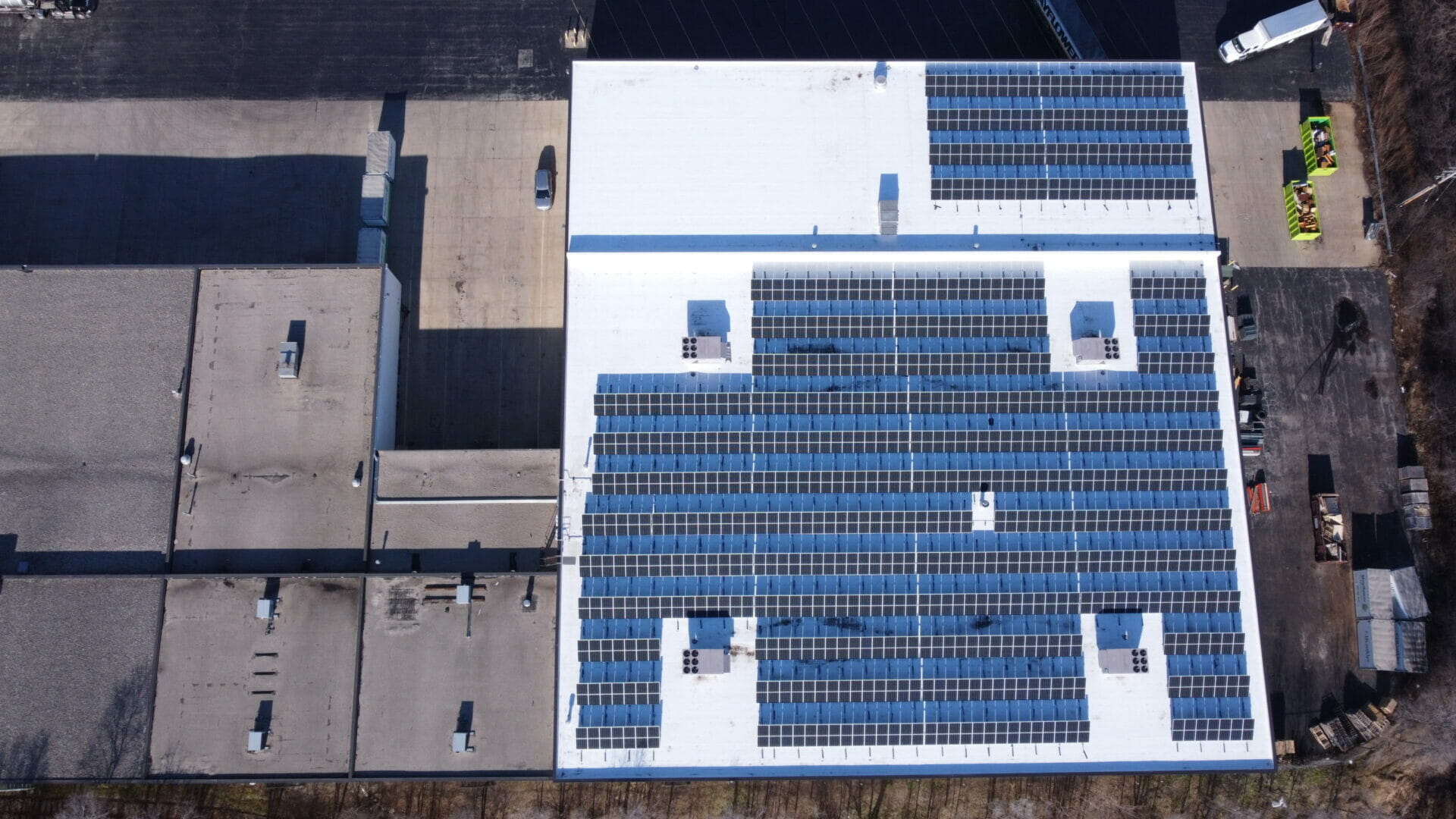
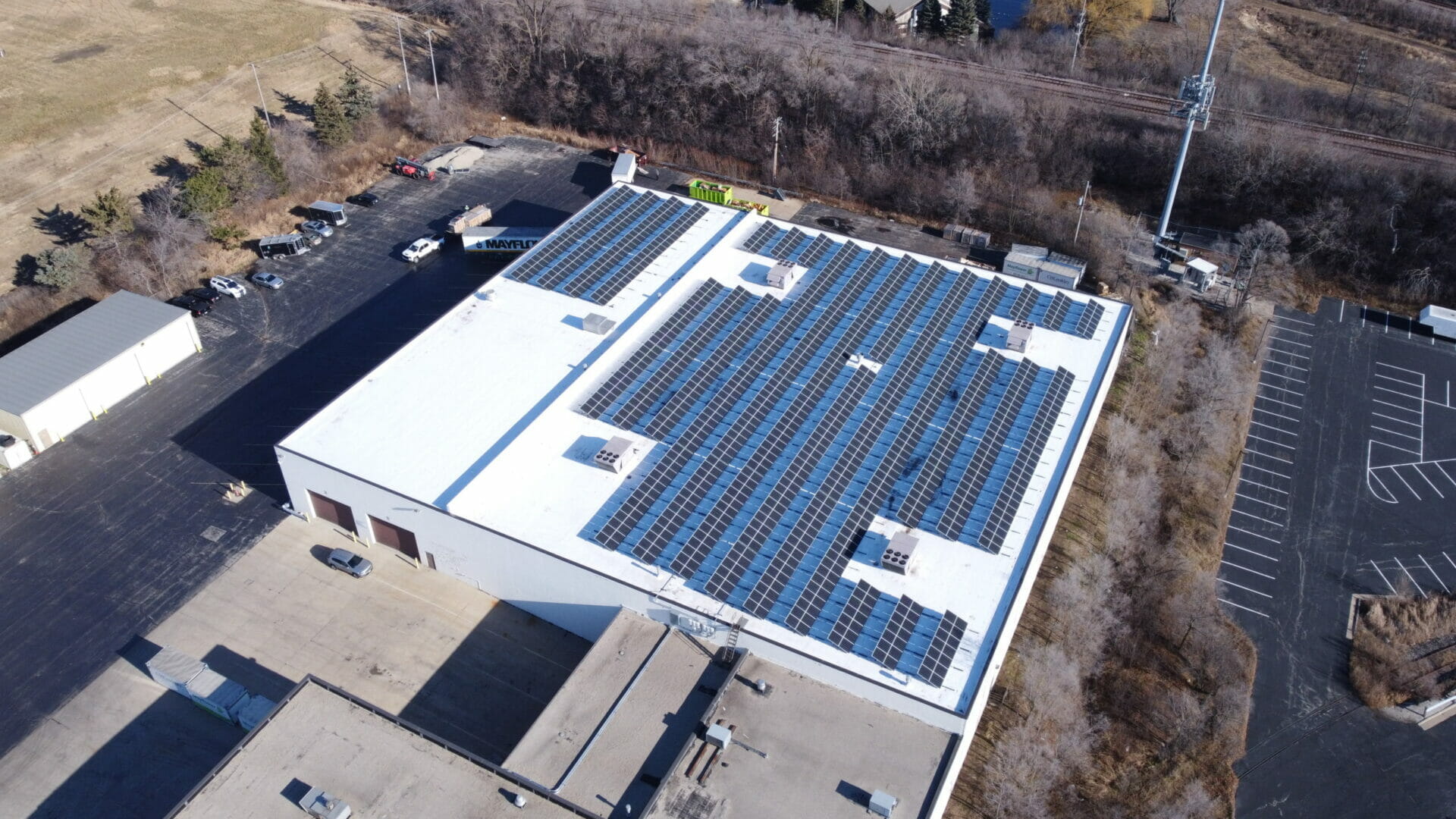
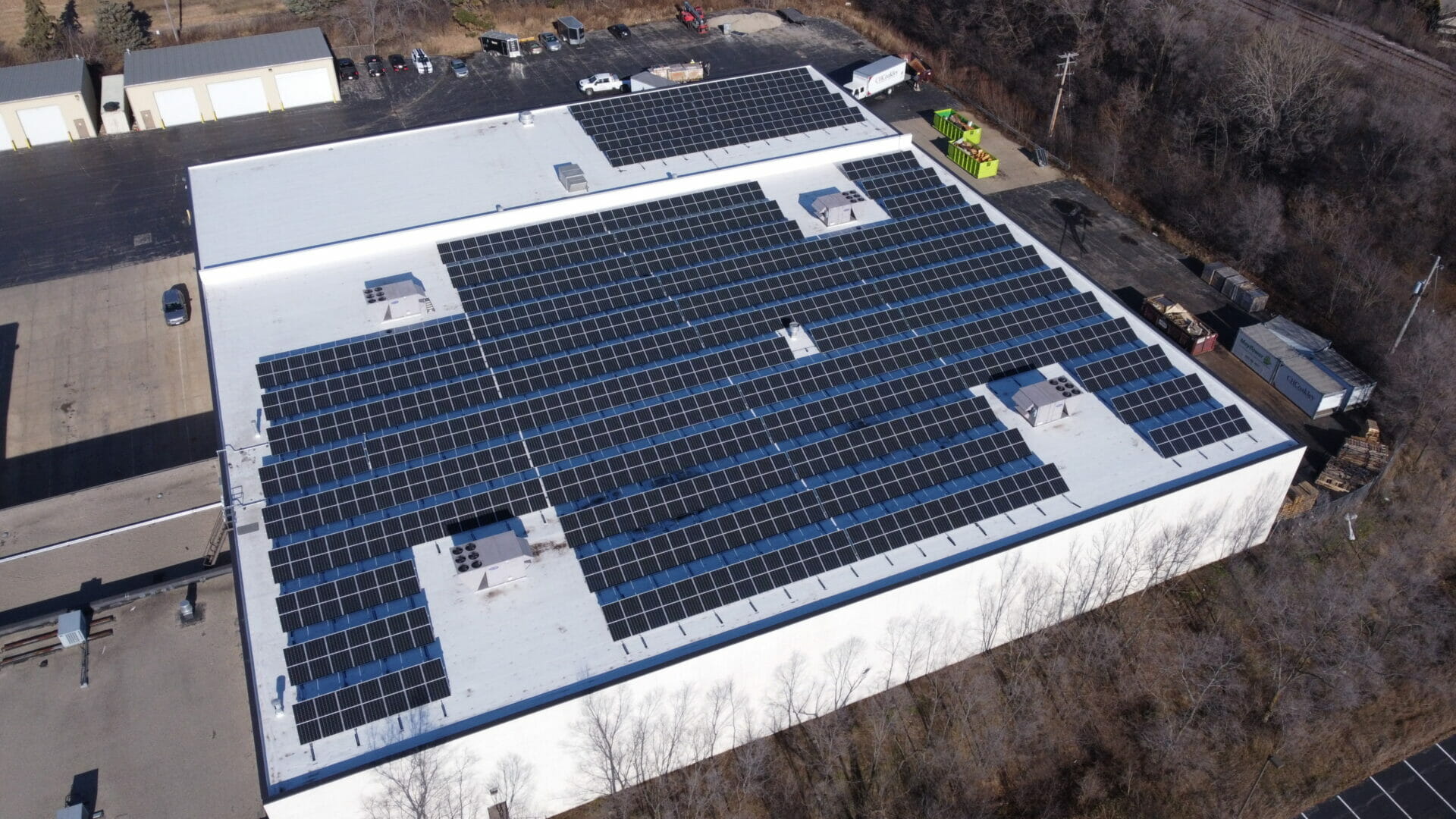
Many valid fears surround the recent increase in data centers. Companies and state officials are working together to address concerns. Renewable energy is a large player in this movement, and solar power is emerging as a leading solution. AI companies are investing billions into solar power and storage for many reasons. It is the most economical power source in America, the most scalable, and the quickest to build. Hyperscalers are funding renewable energy plants to combat energy shortages and rising prices. A reported 38% of tech companies incorporate solar arrays on-site, and 36% use battery storage to offset demand during peak and non-producing times. In fact, 7 of the top 10 corporate solar buyers are tech and data companies.
How Can Solar Power Help Wisconsin Homeowners Prepare for the Impact of Data Centers?
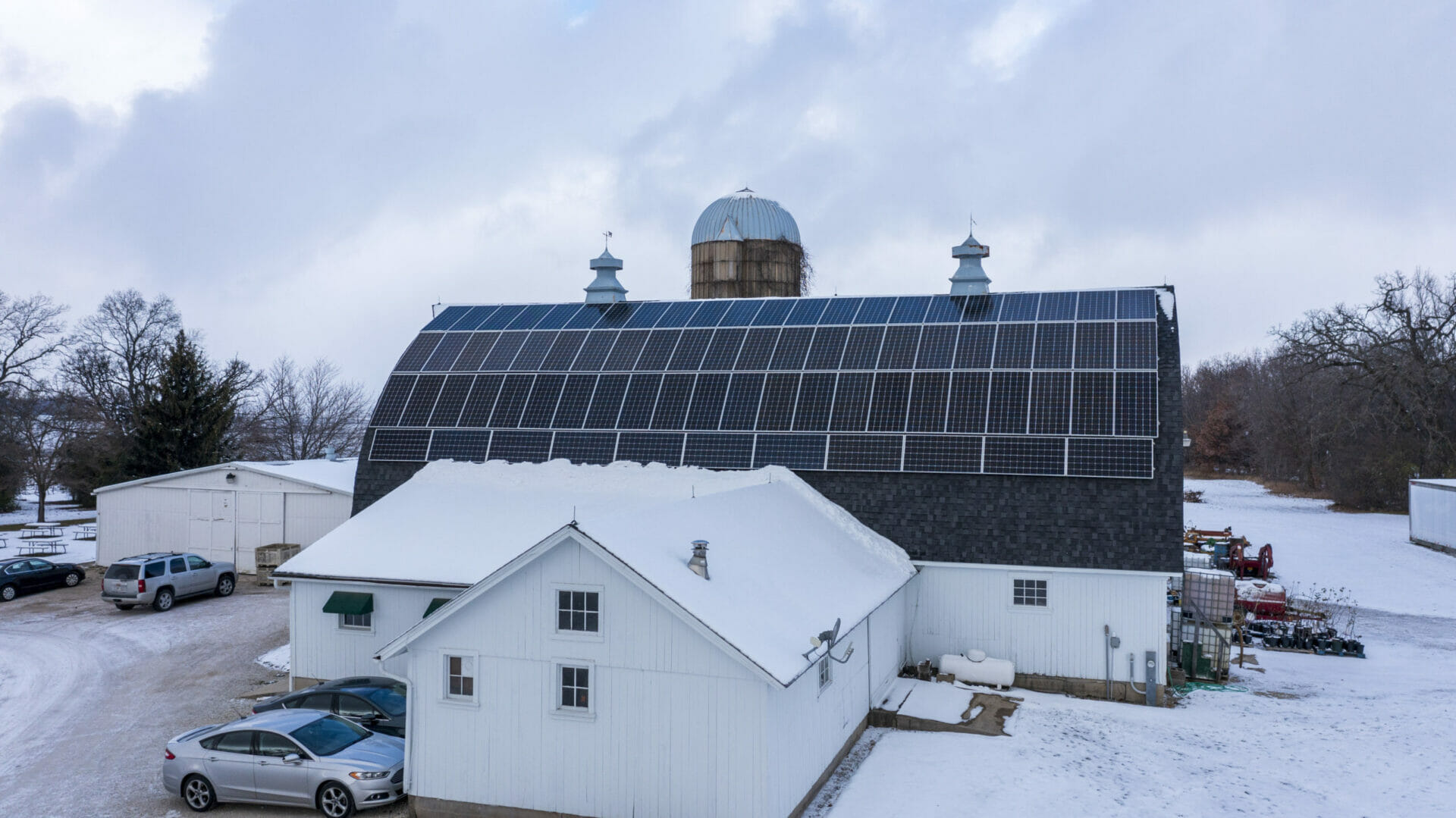
Many data centers plan on utilizing high volumes of solar power and energy storage. Even so, sole reliance on renewable energy is unrealistic for hyperscalers. This potential burden on Wisconsin’s grid has residents looking for solutions for energy security. Solar power can provide homeowners with the functional and financial stability they seek.
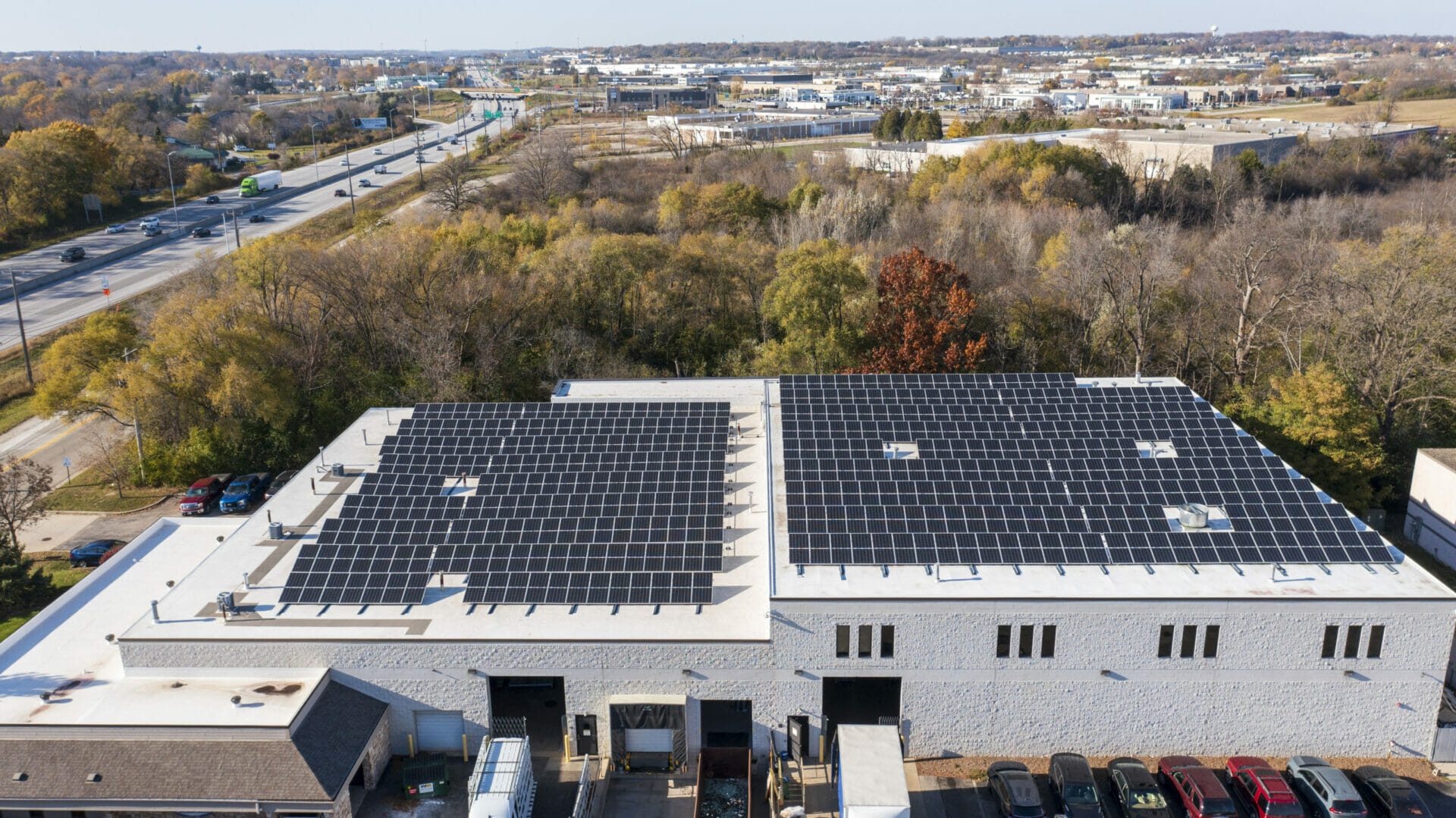
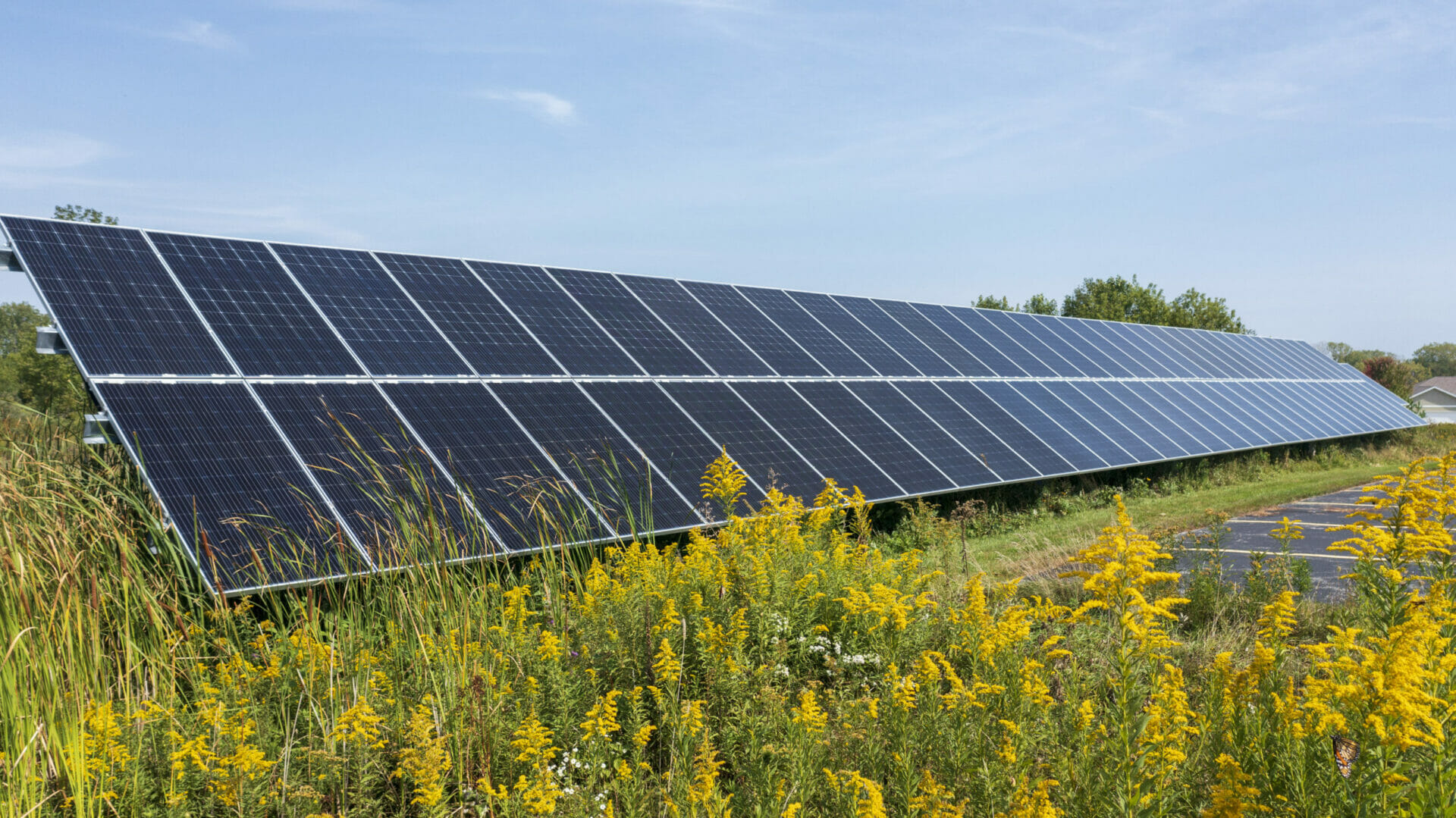
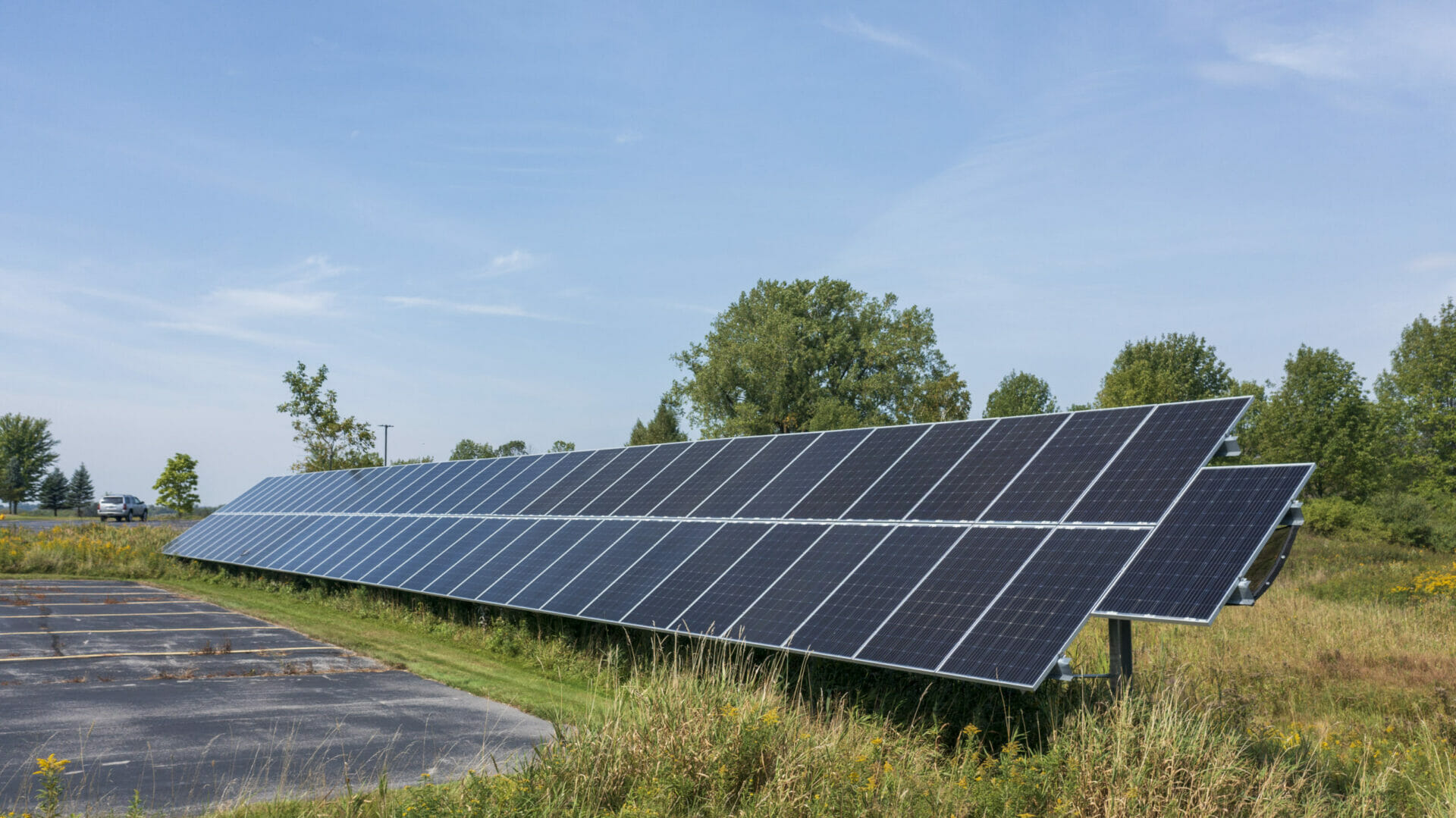
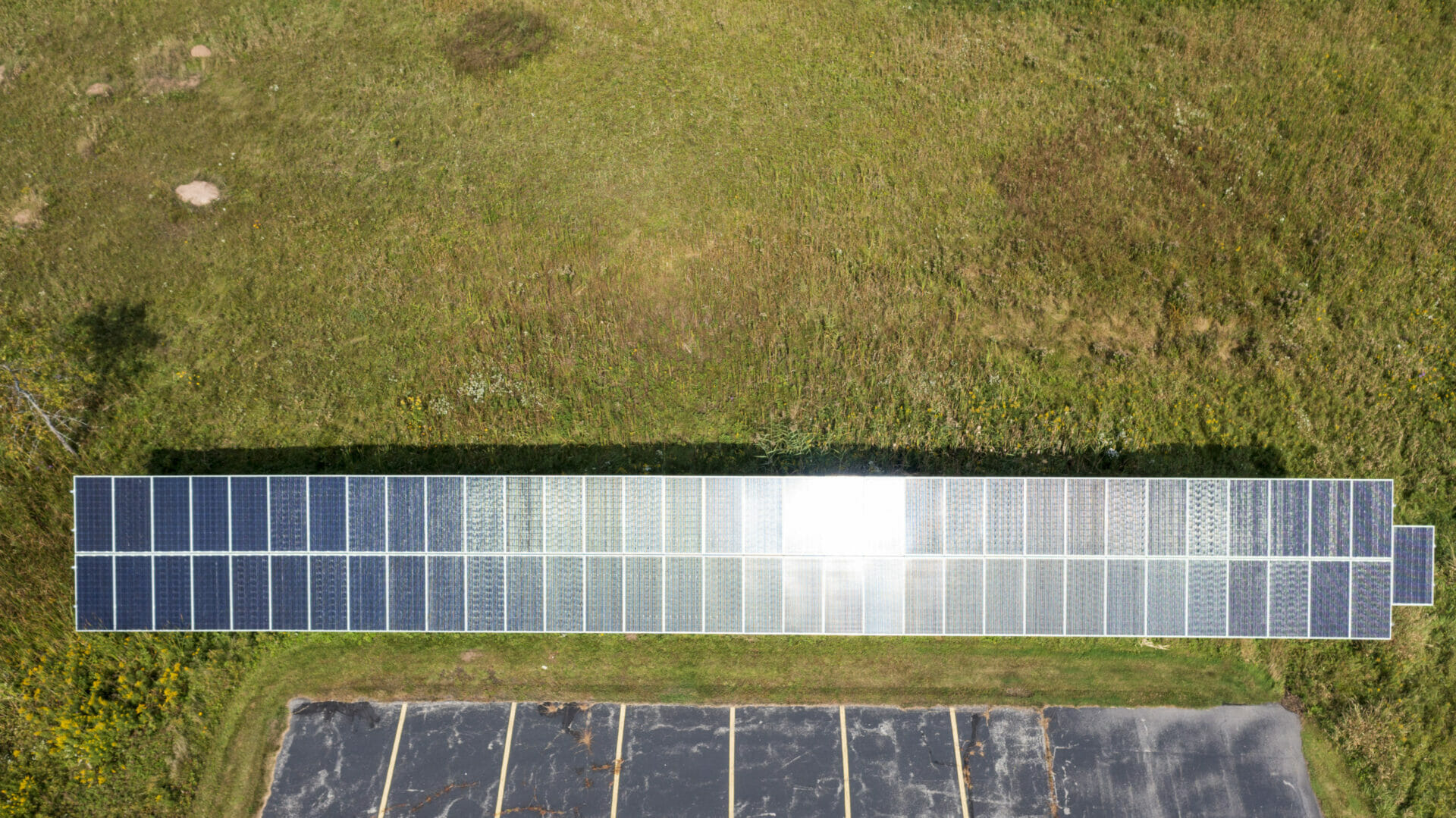
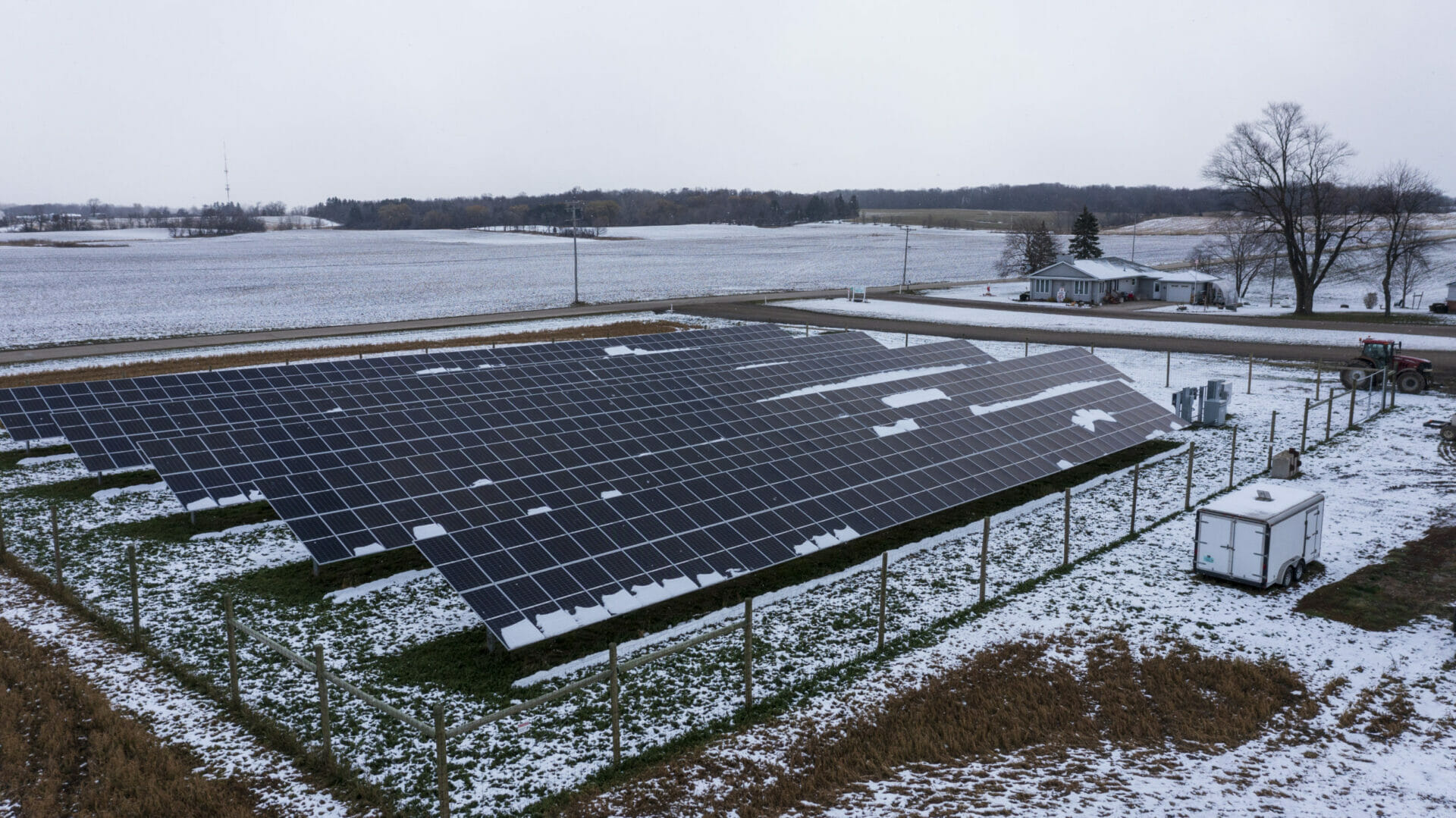
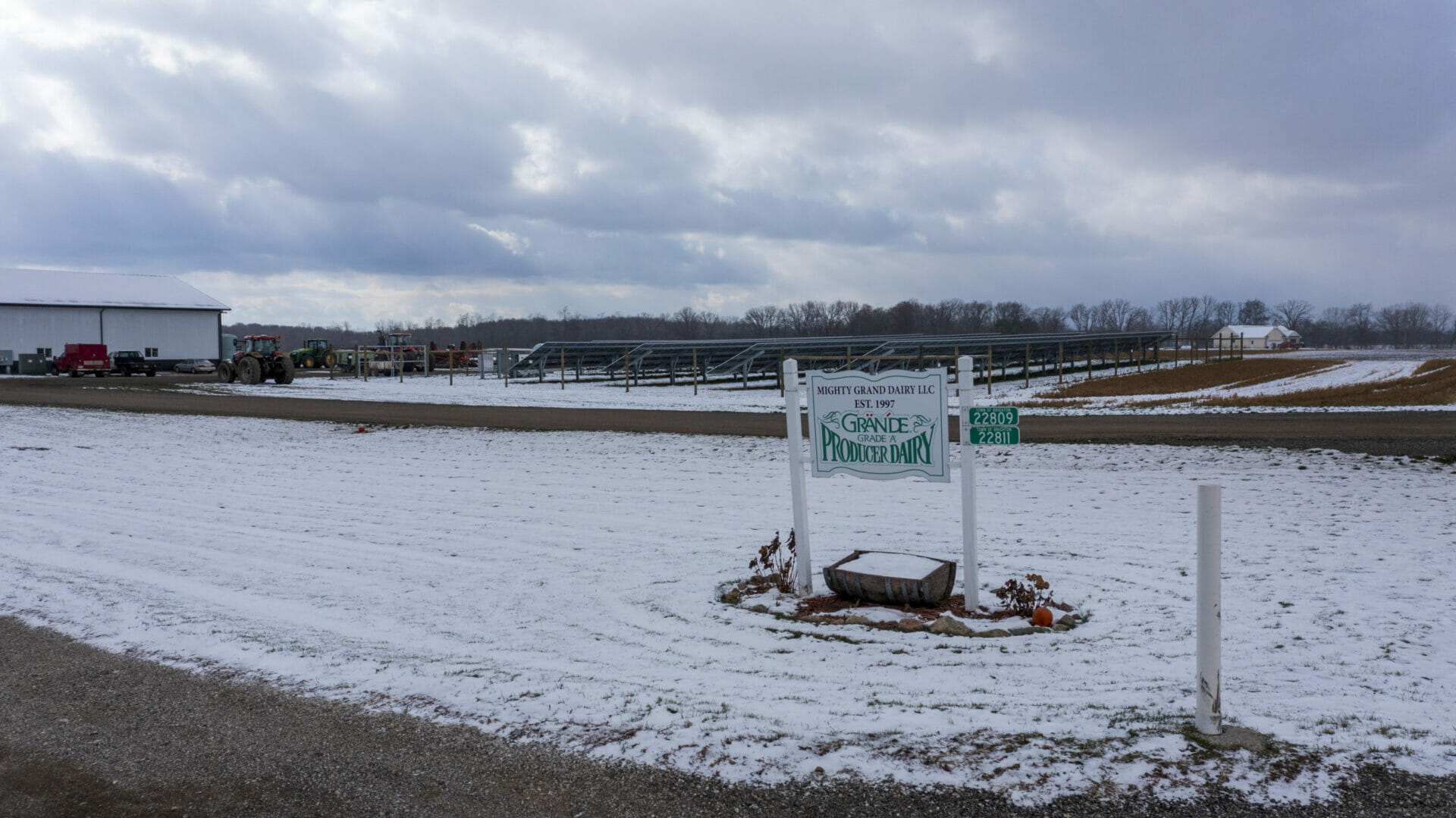
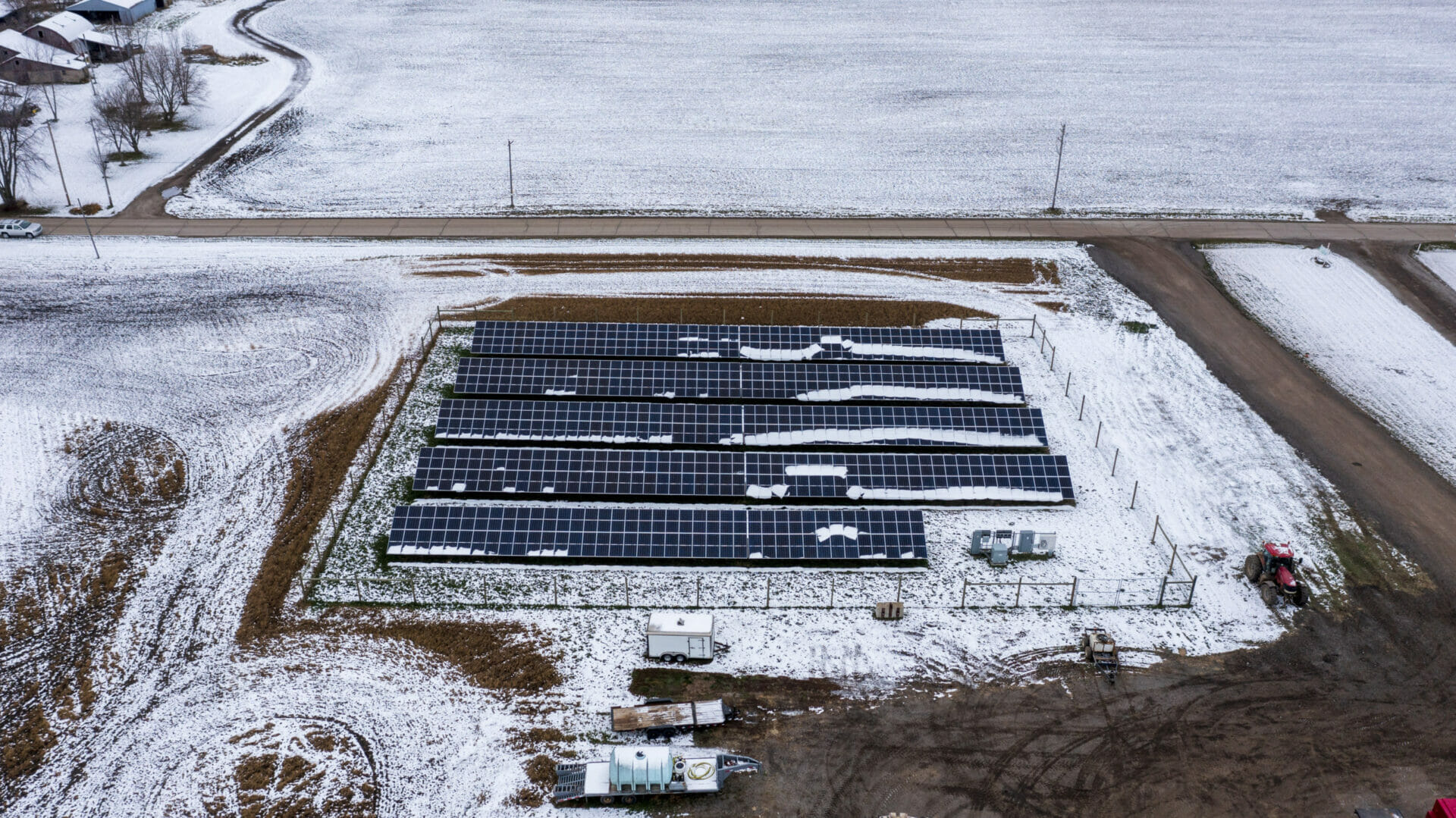
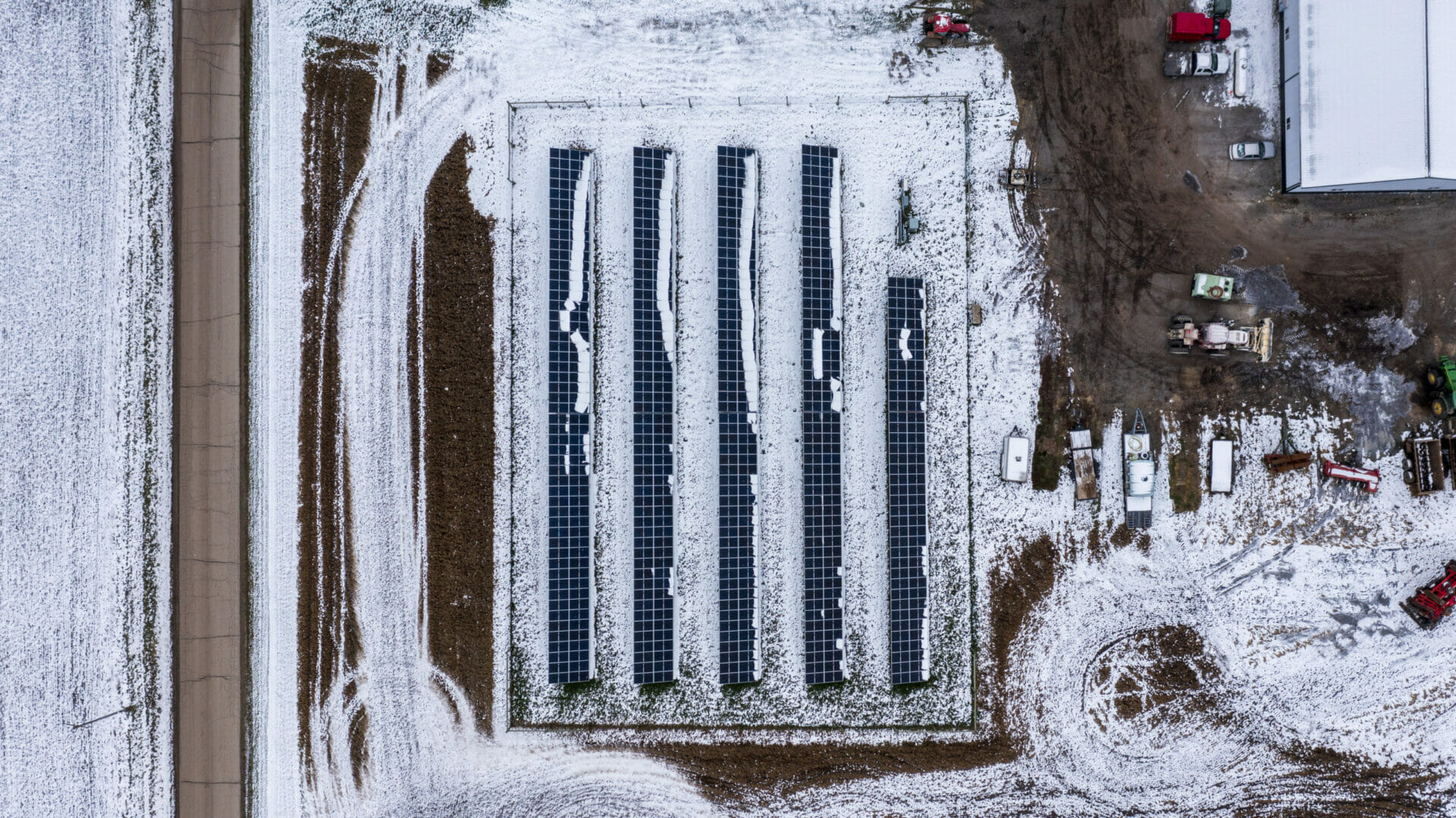
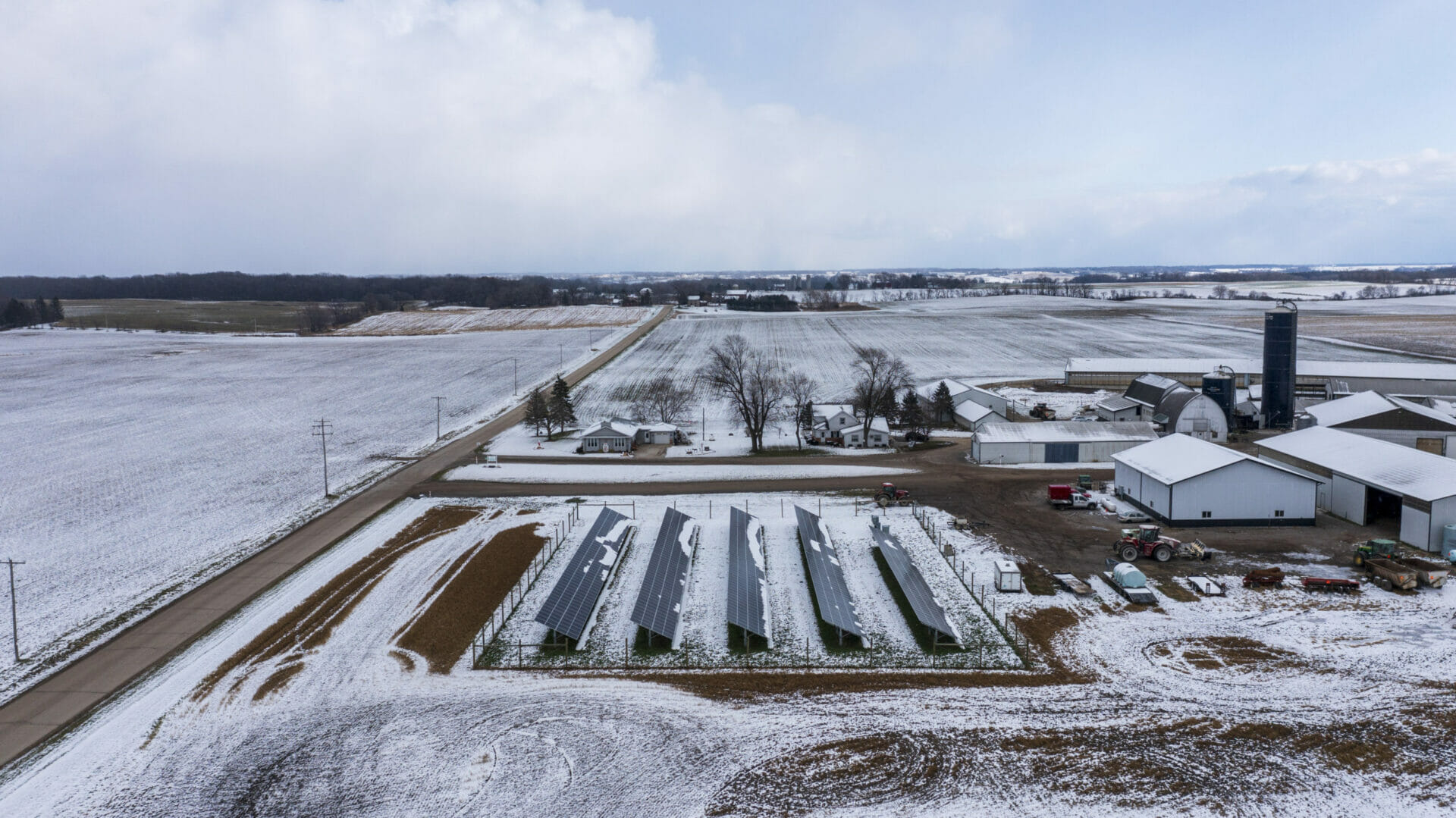
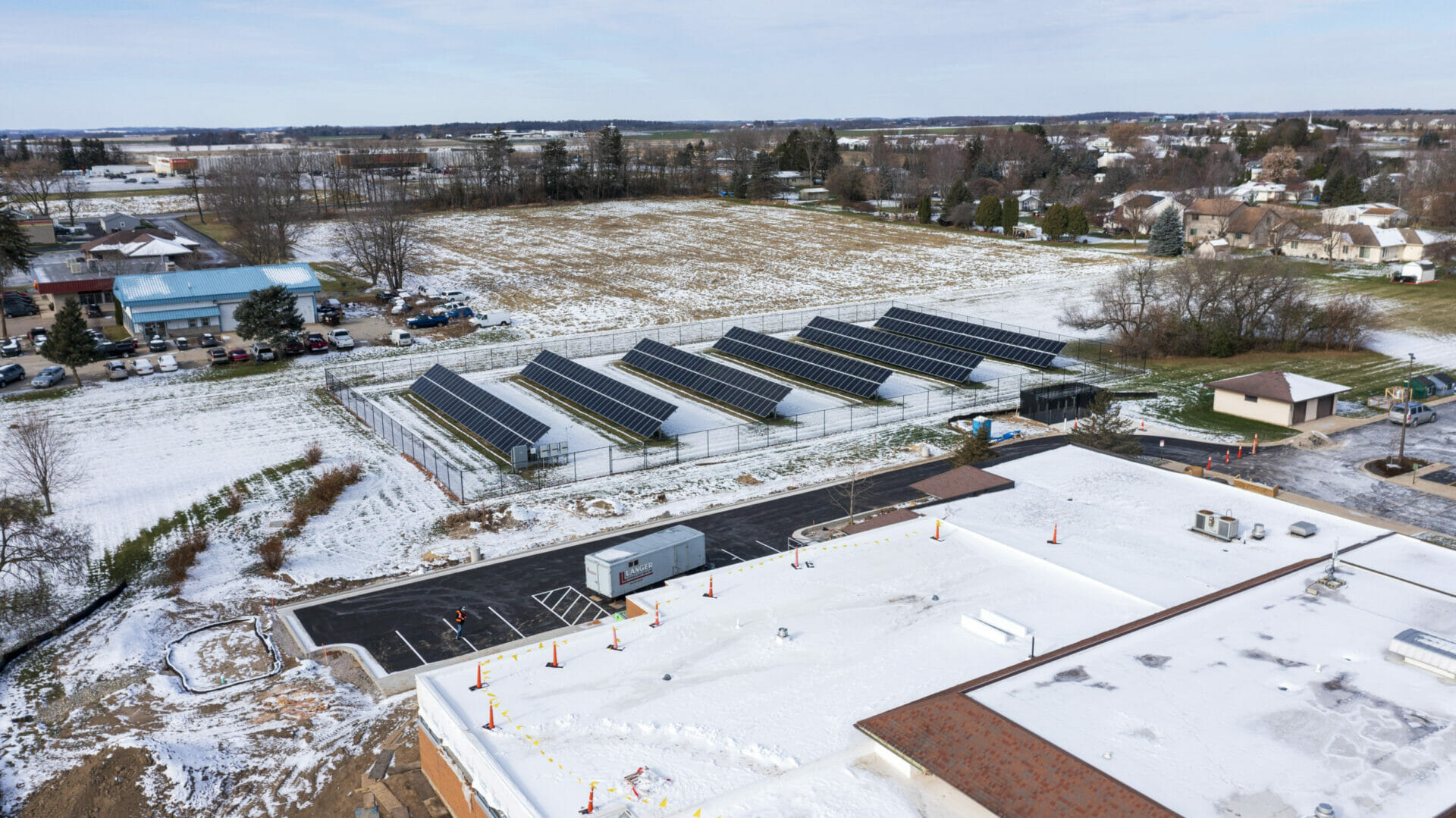
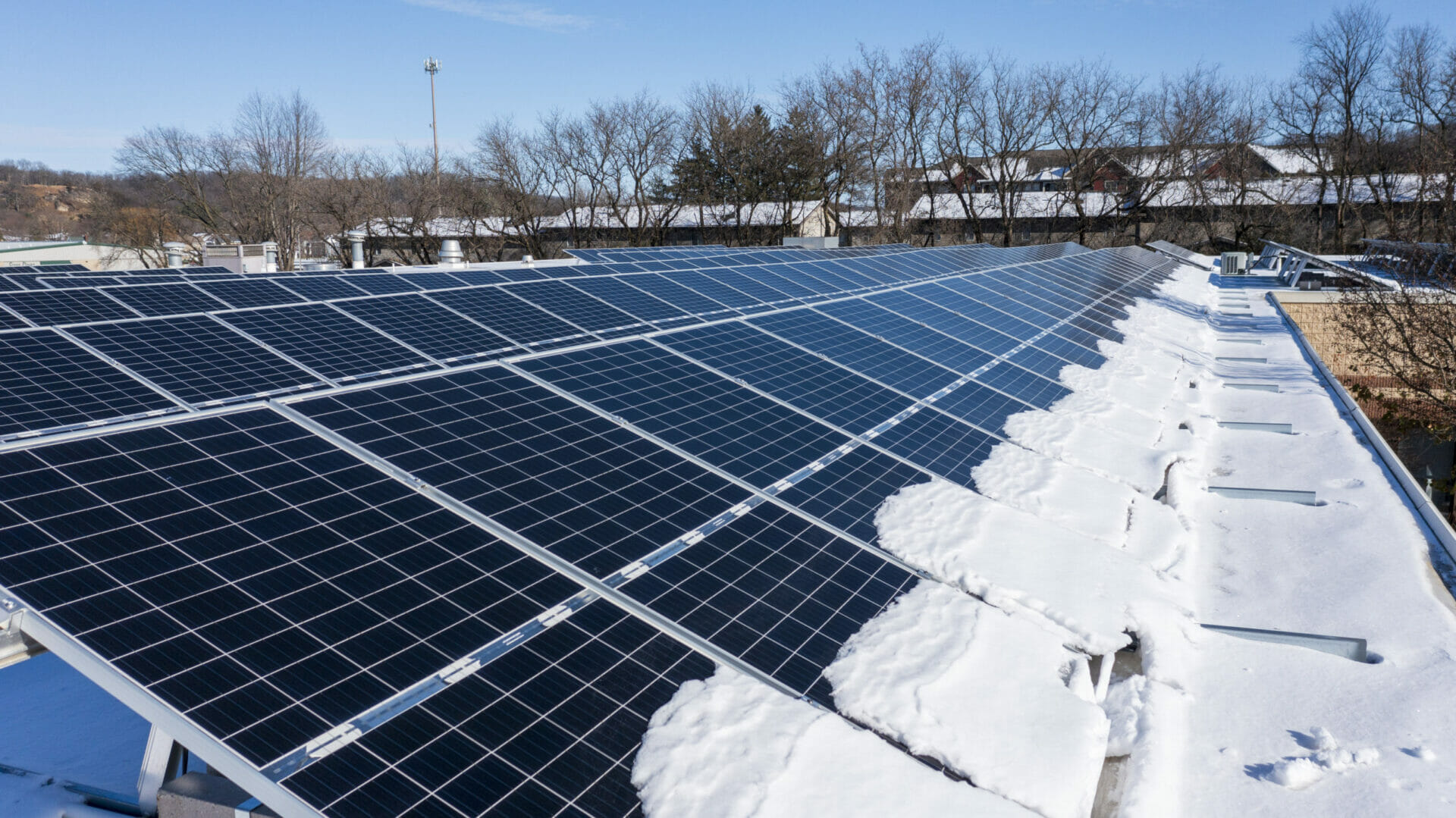
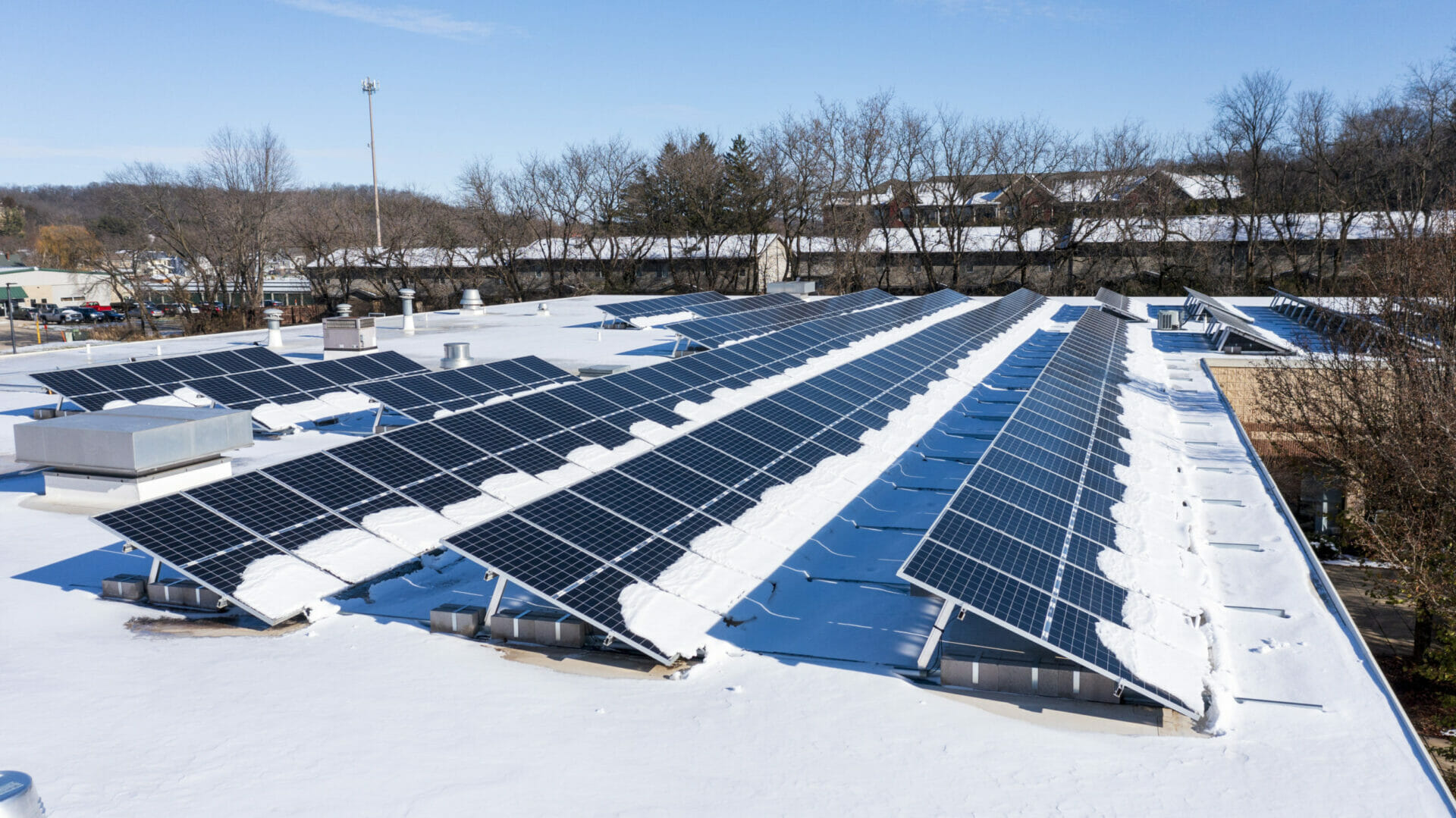
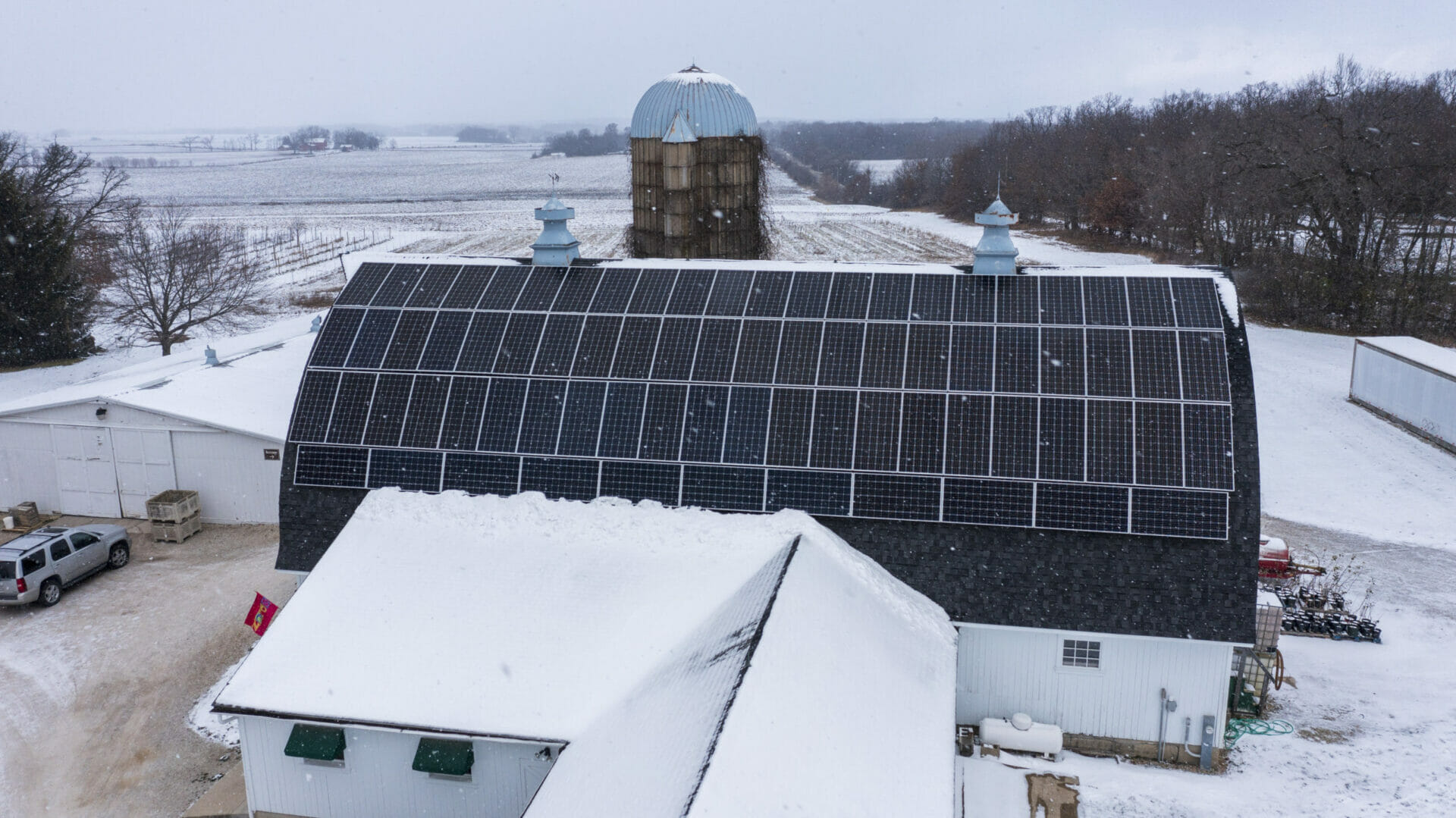
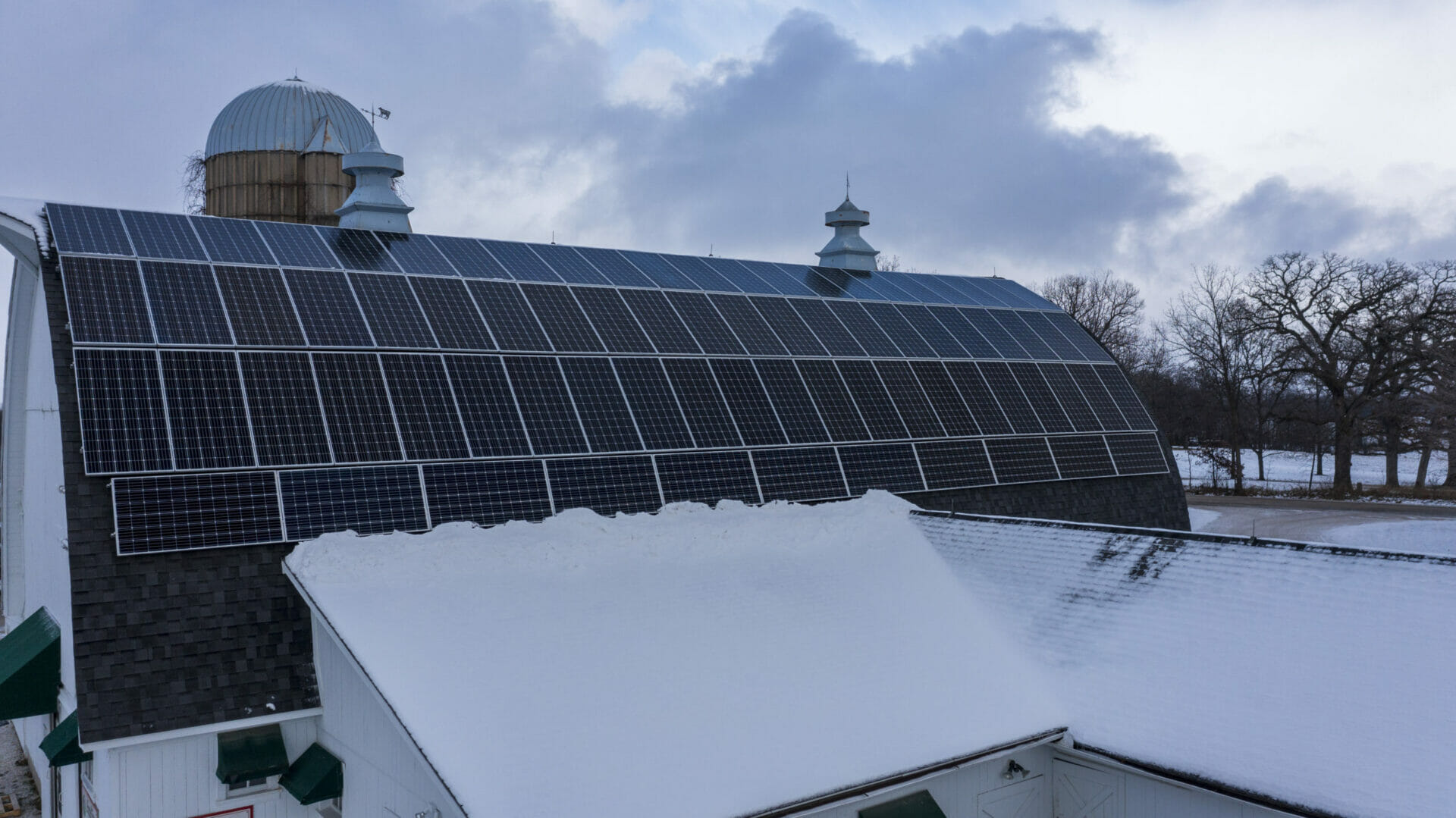
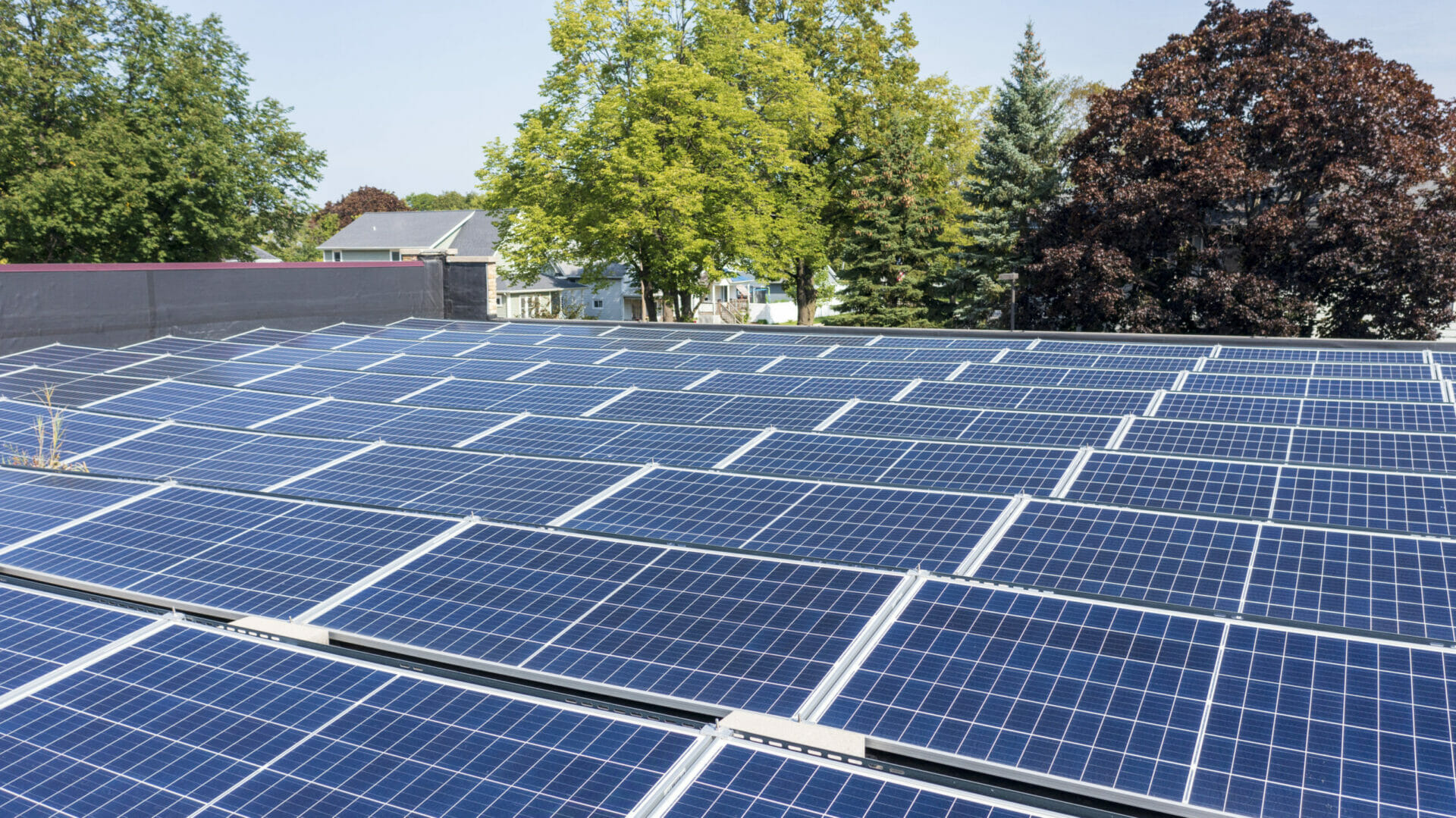
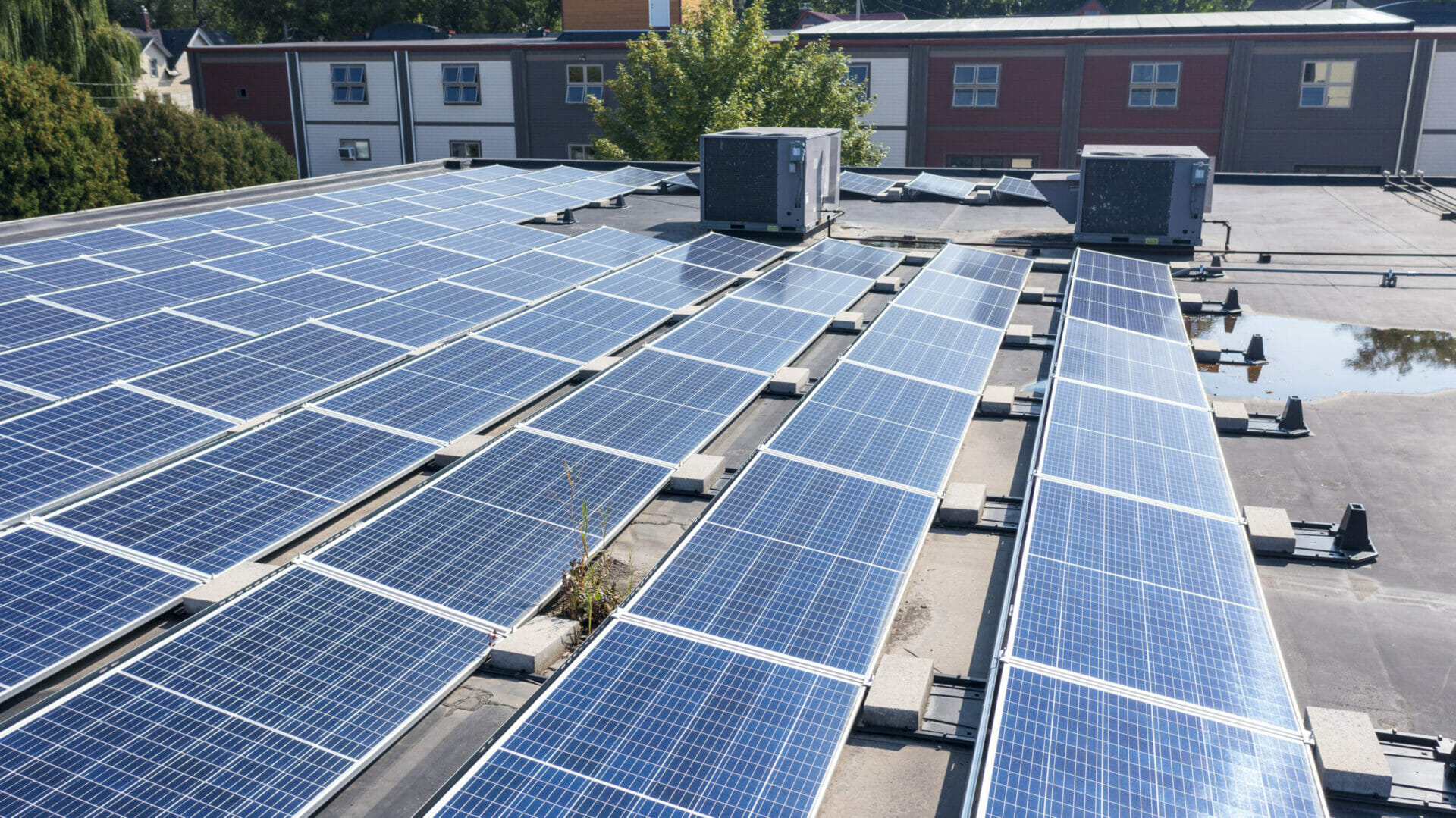
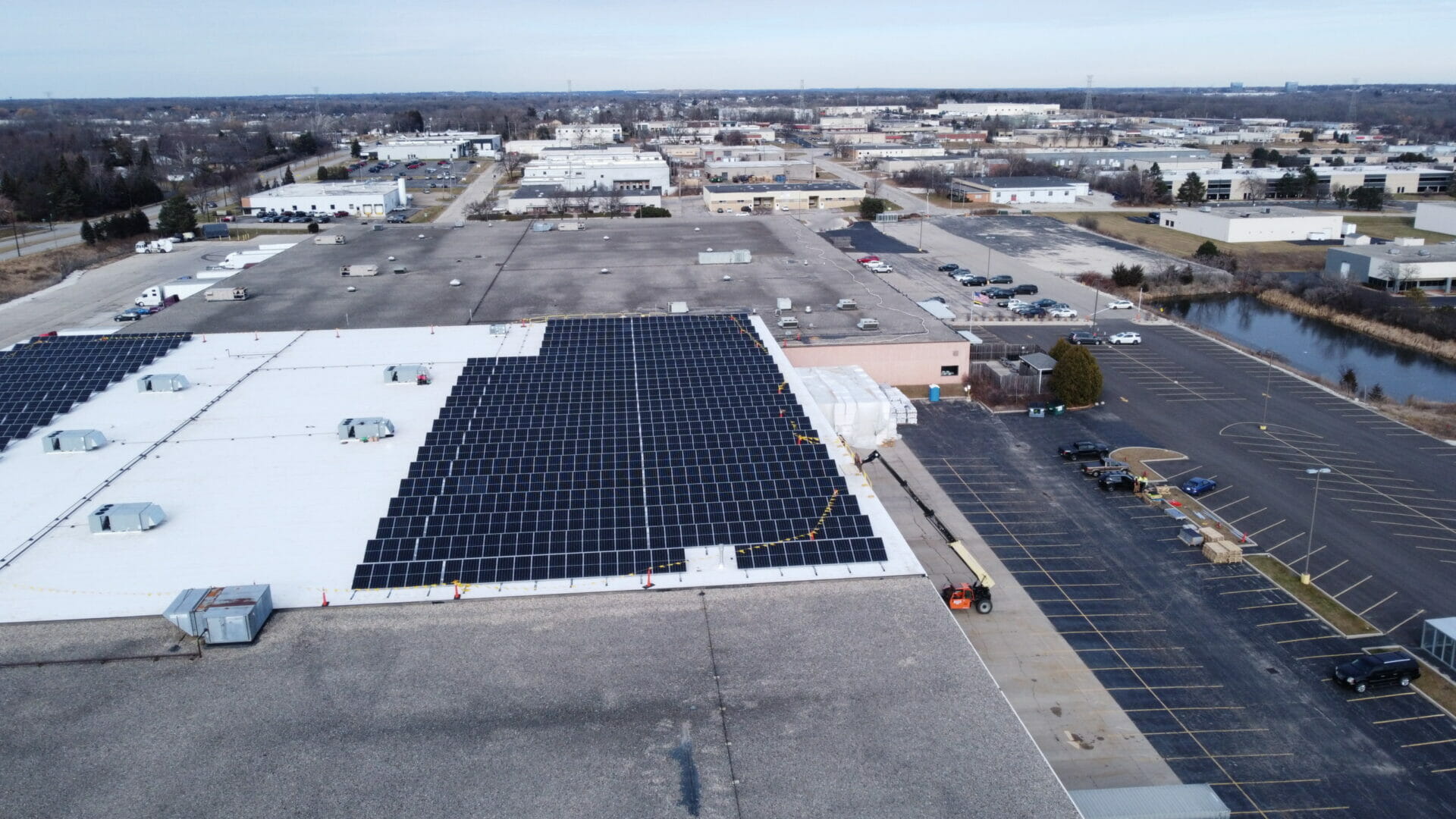
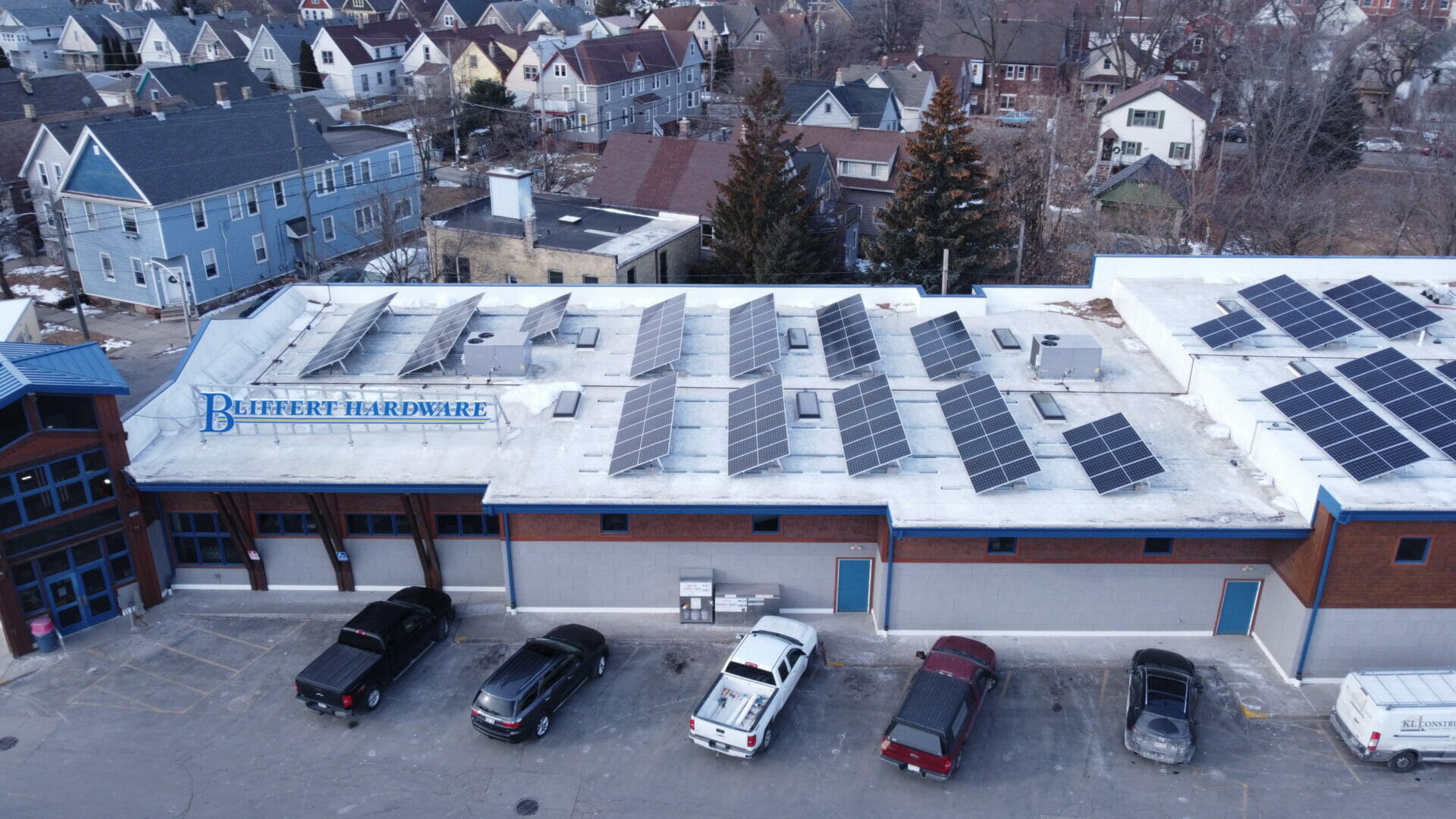
Modular arrays allow for customizable electricity-generating solutions to suit your needs. With options for solar placement on rooftops or ground-mounted systems, solar panels can fit almost any property. Plus, with the addition of energy storage, homeowners can count on consistent power – even during off-peak production times and grid outages. These arrays also protect homeowners financially. Whether used to fully power a home or partially offset grid usage, energy from solar power will never suffer utility rate hikes.
Locally, Arch Solar has completed over 3000 residential installs since its founding in 2003. These systems have provided Wisconsin families with more than 225,000 kW of electricity in that time. To see if solar power is right for your family, contact our team of Energy Experts for a free proposal.