How to Optimize Your Summer Solar with Spring Inspections & Maintenance
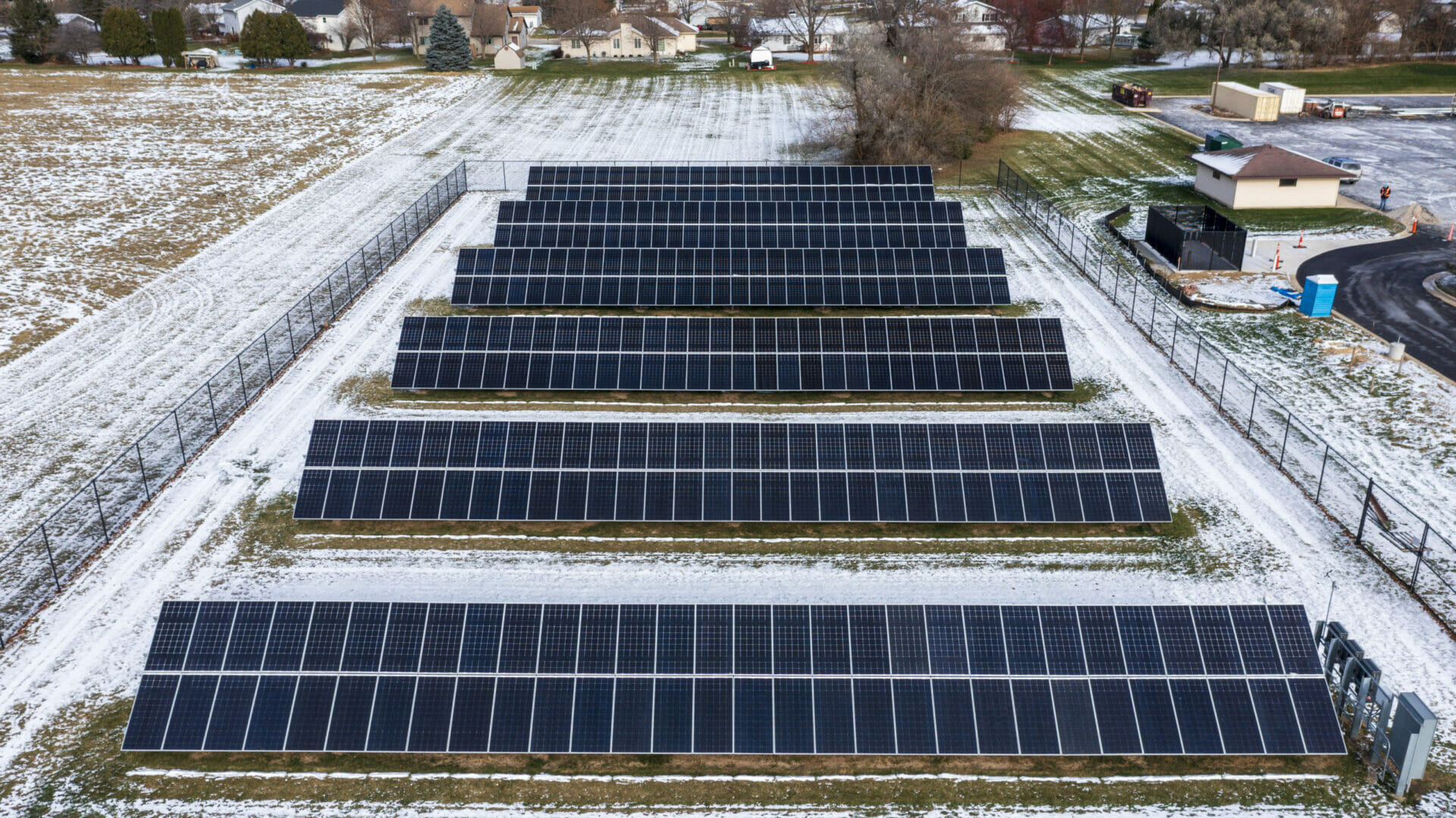
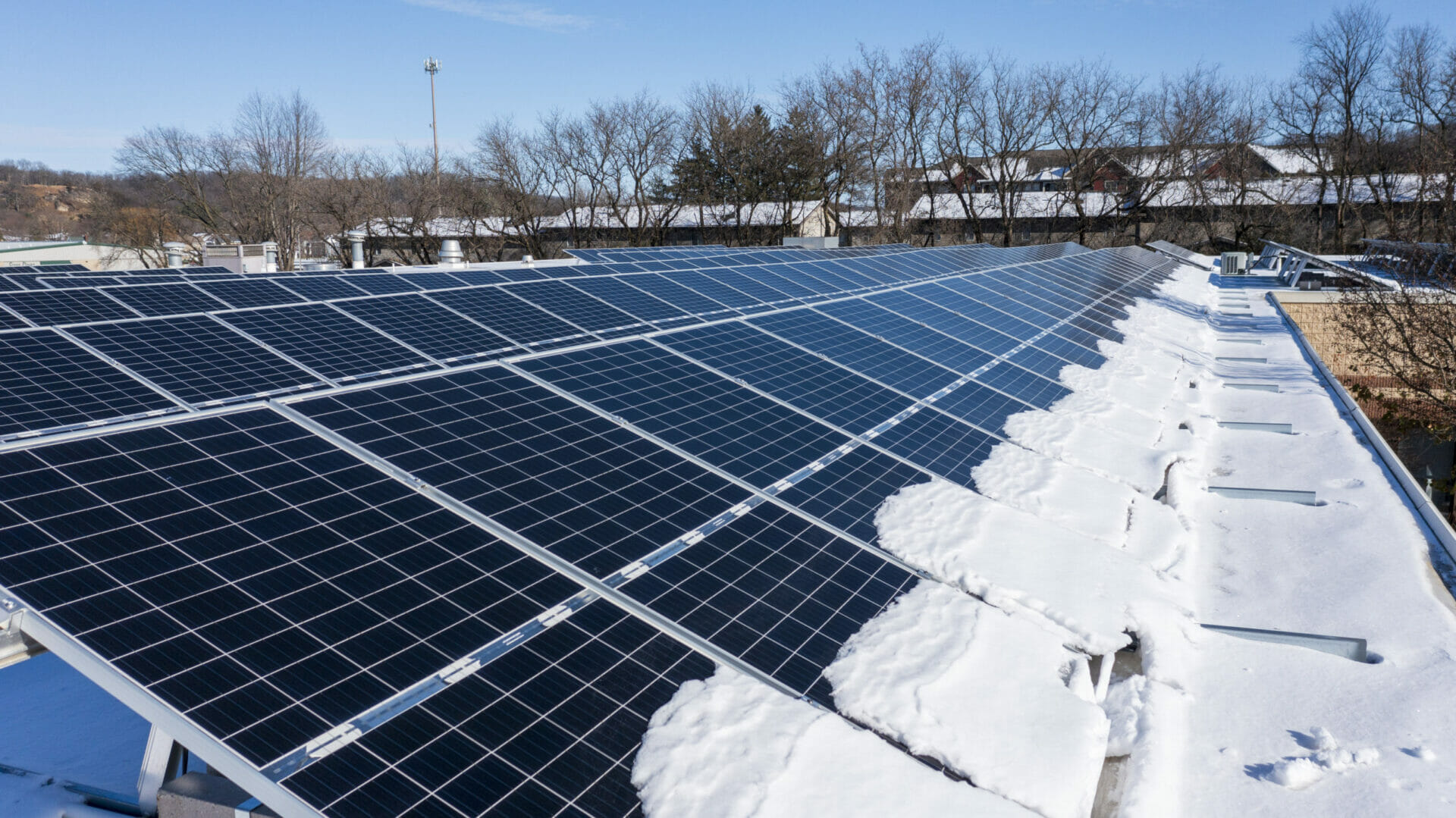
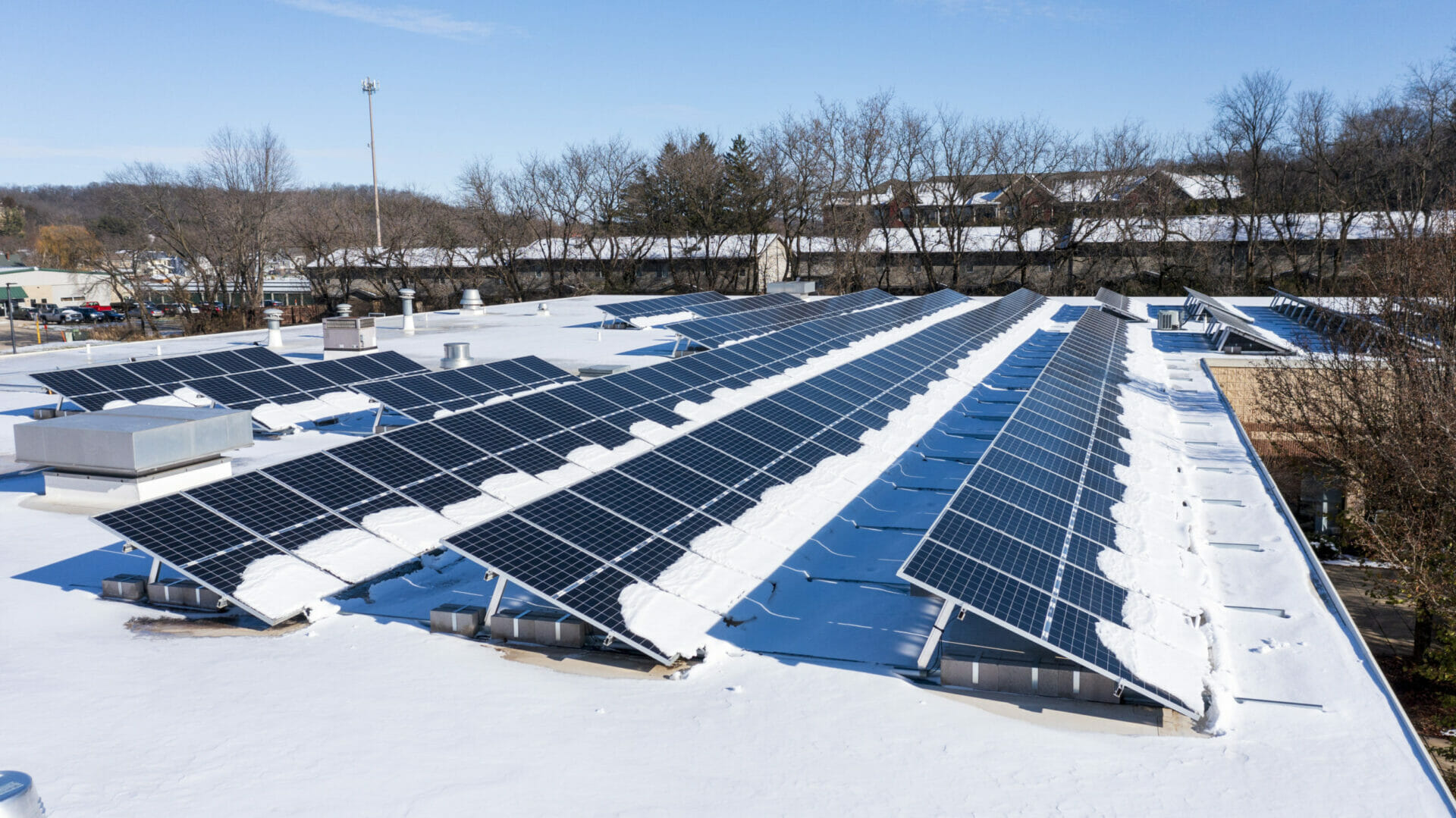
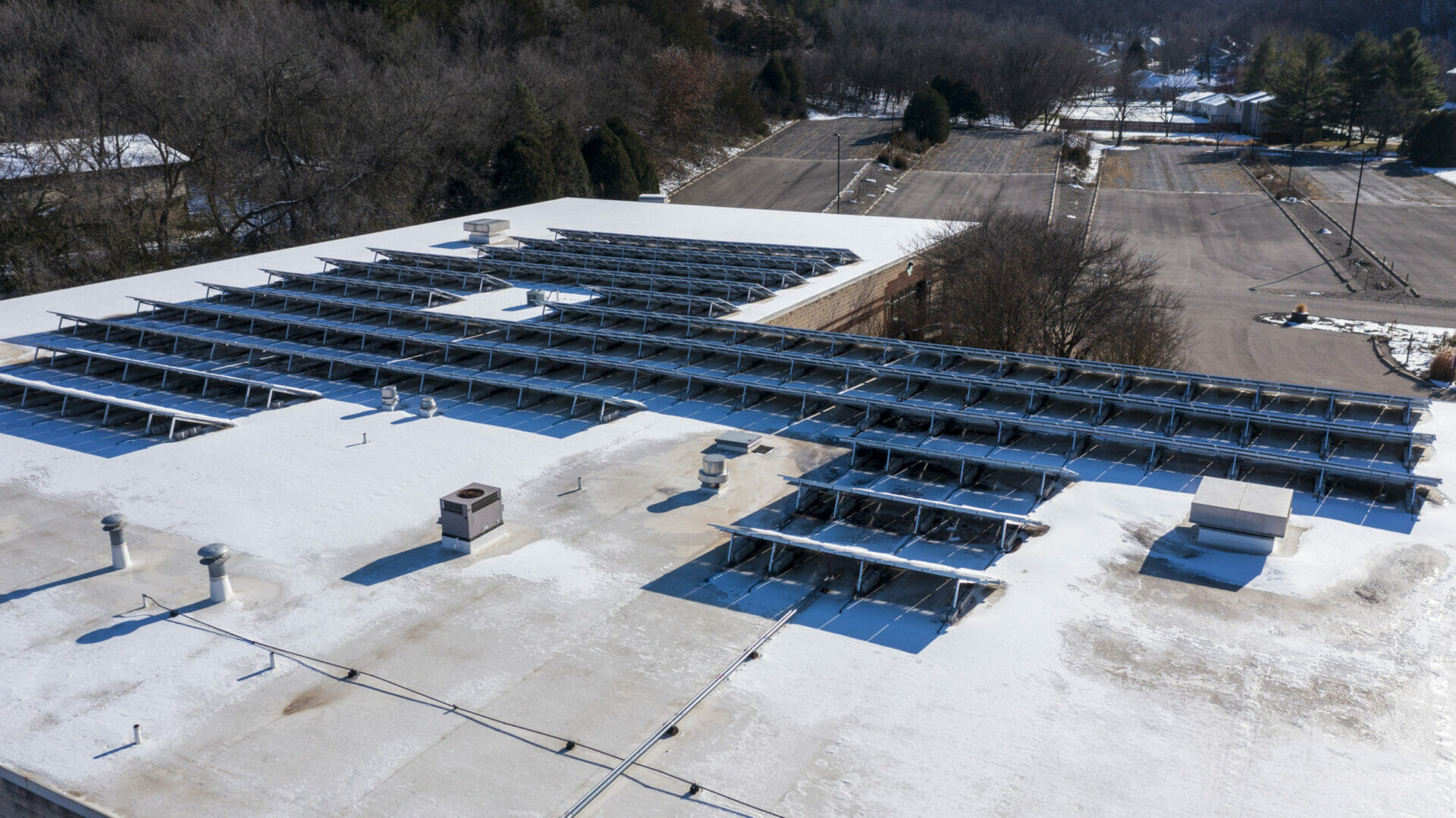
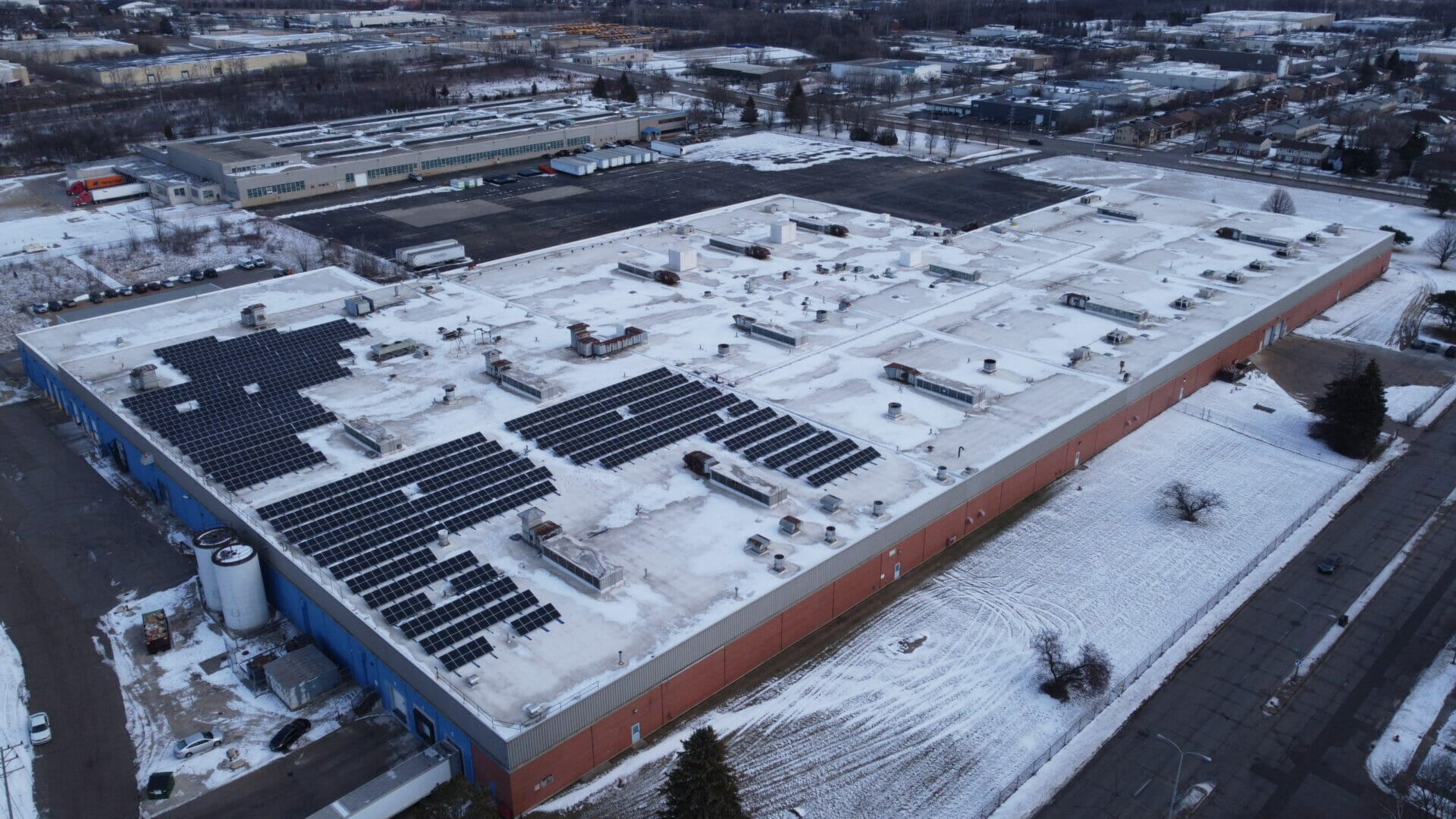
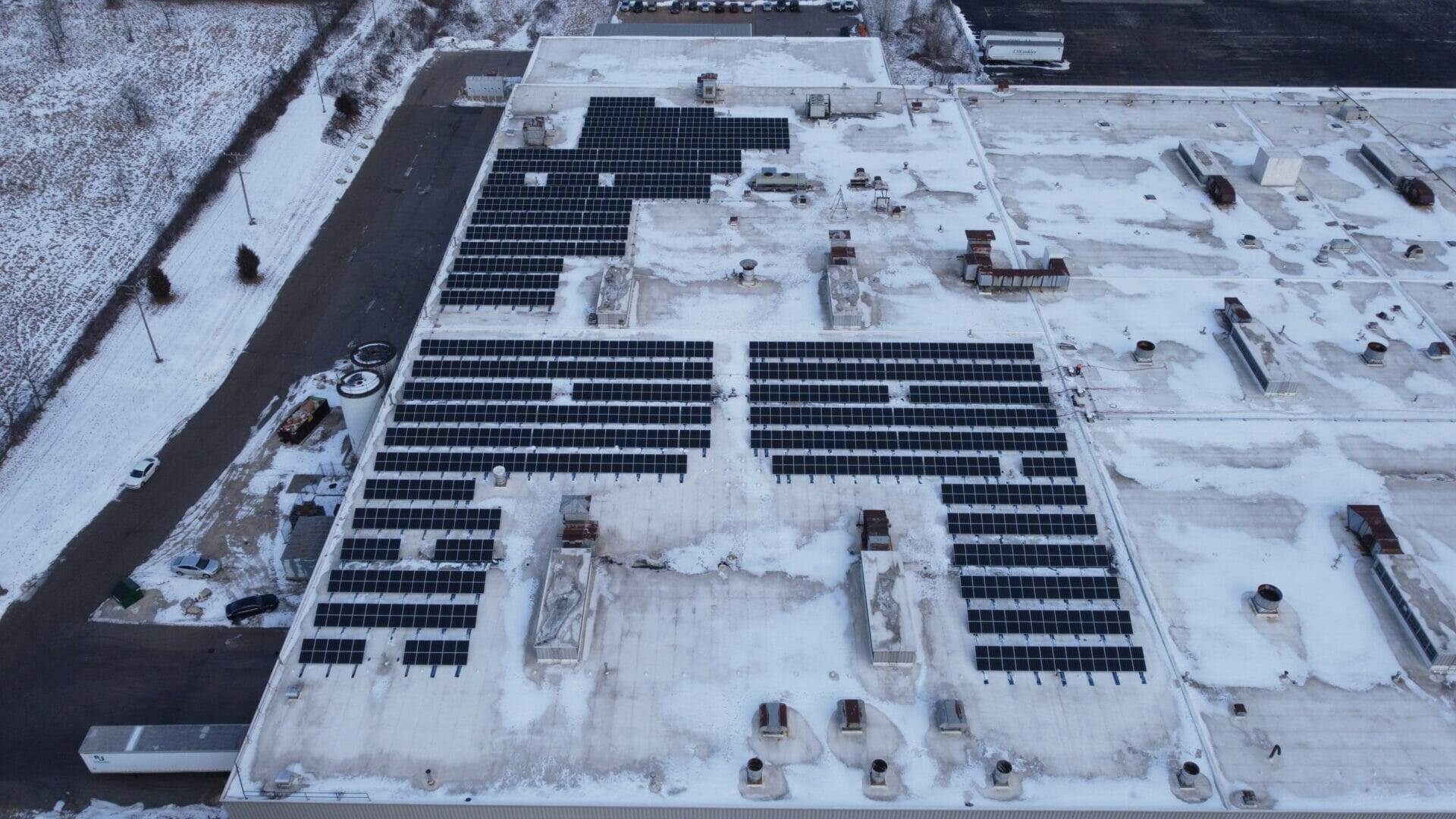
Spring is here, and winter is fading fast. This change of season is vital for solar owners and operators. Spring isn’t just a transition; it sets the stage for a successful operating season. Springtime solar maintenance is the next step to optimizing your summer energy production.
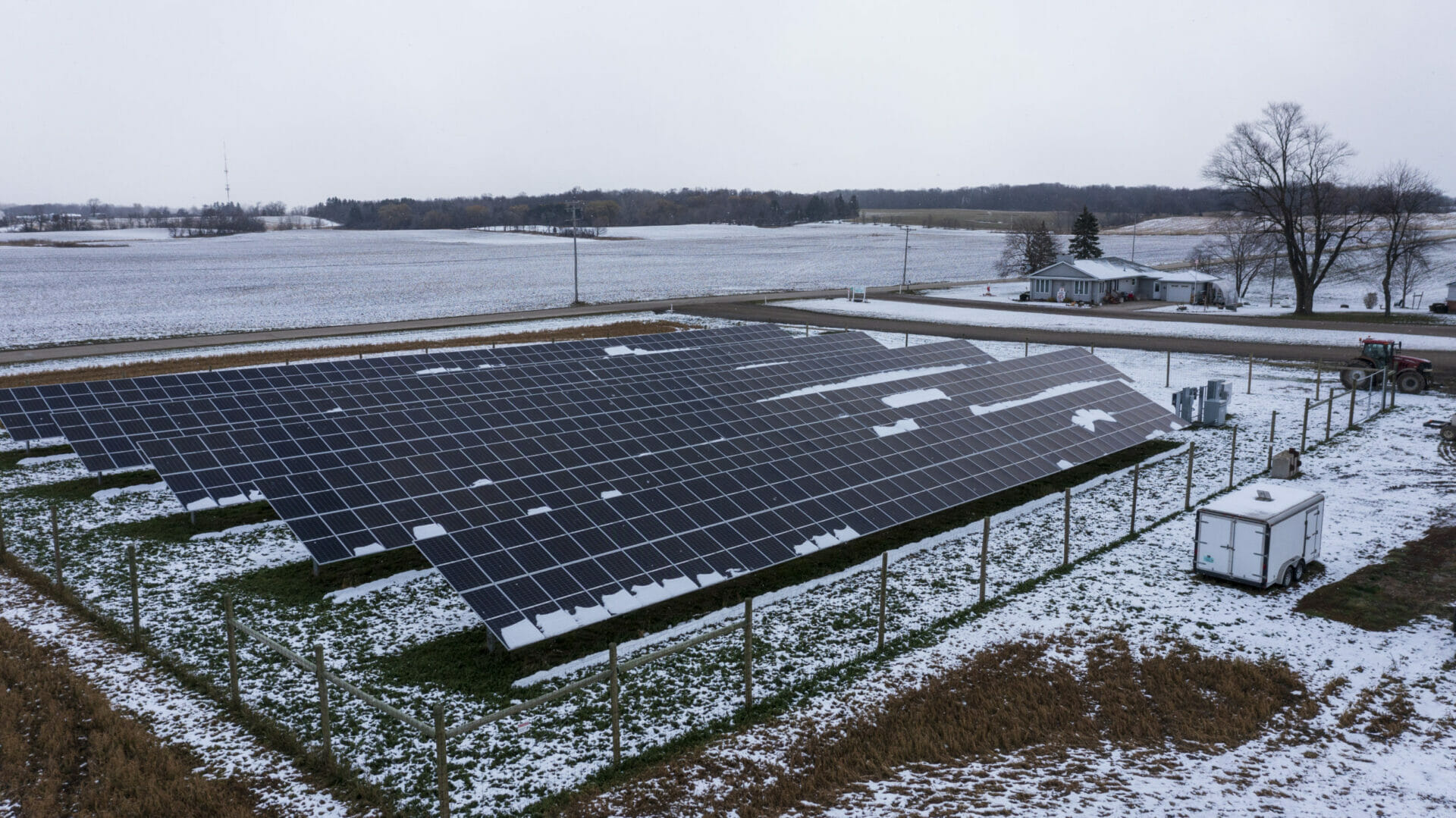
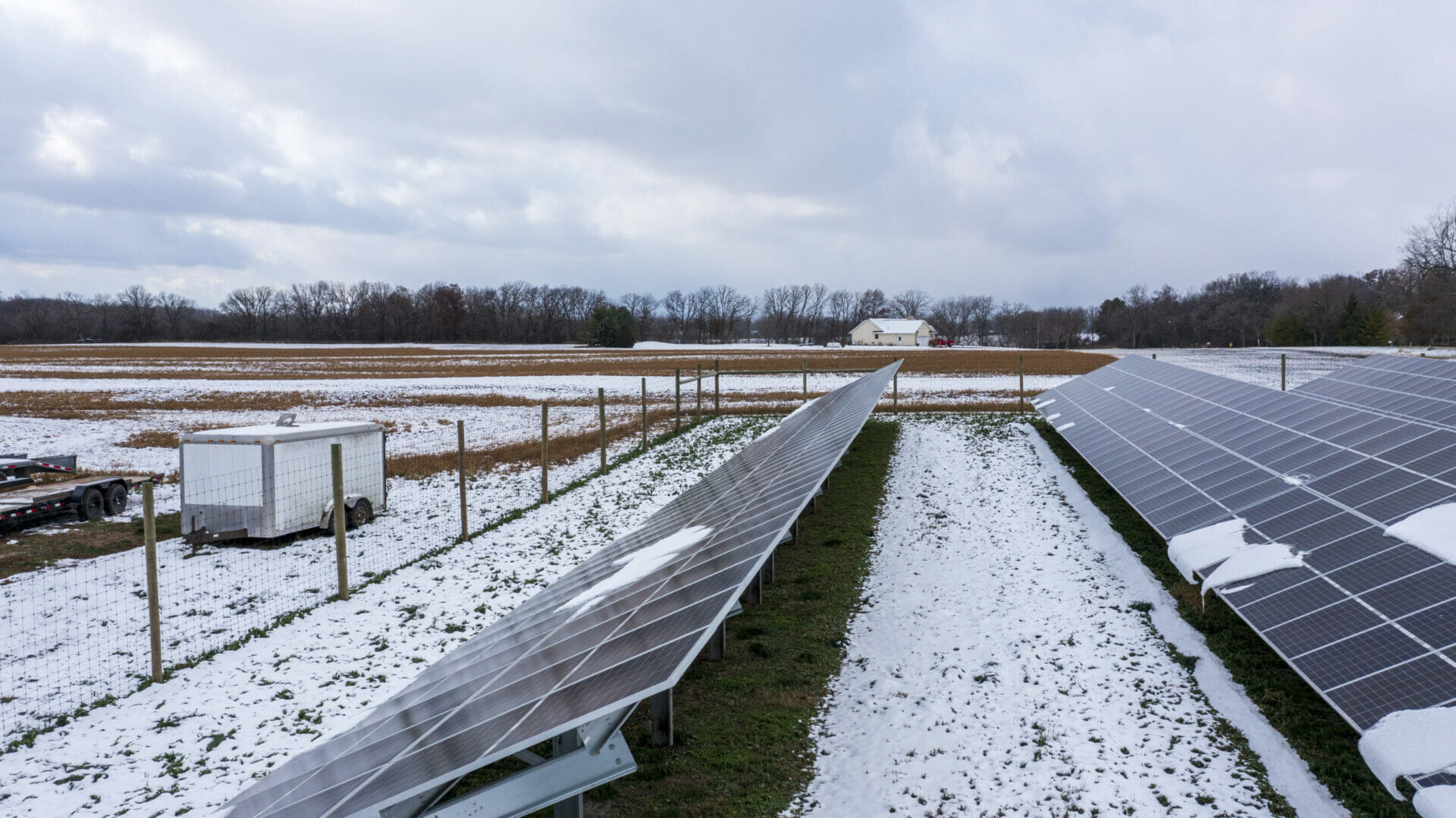
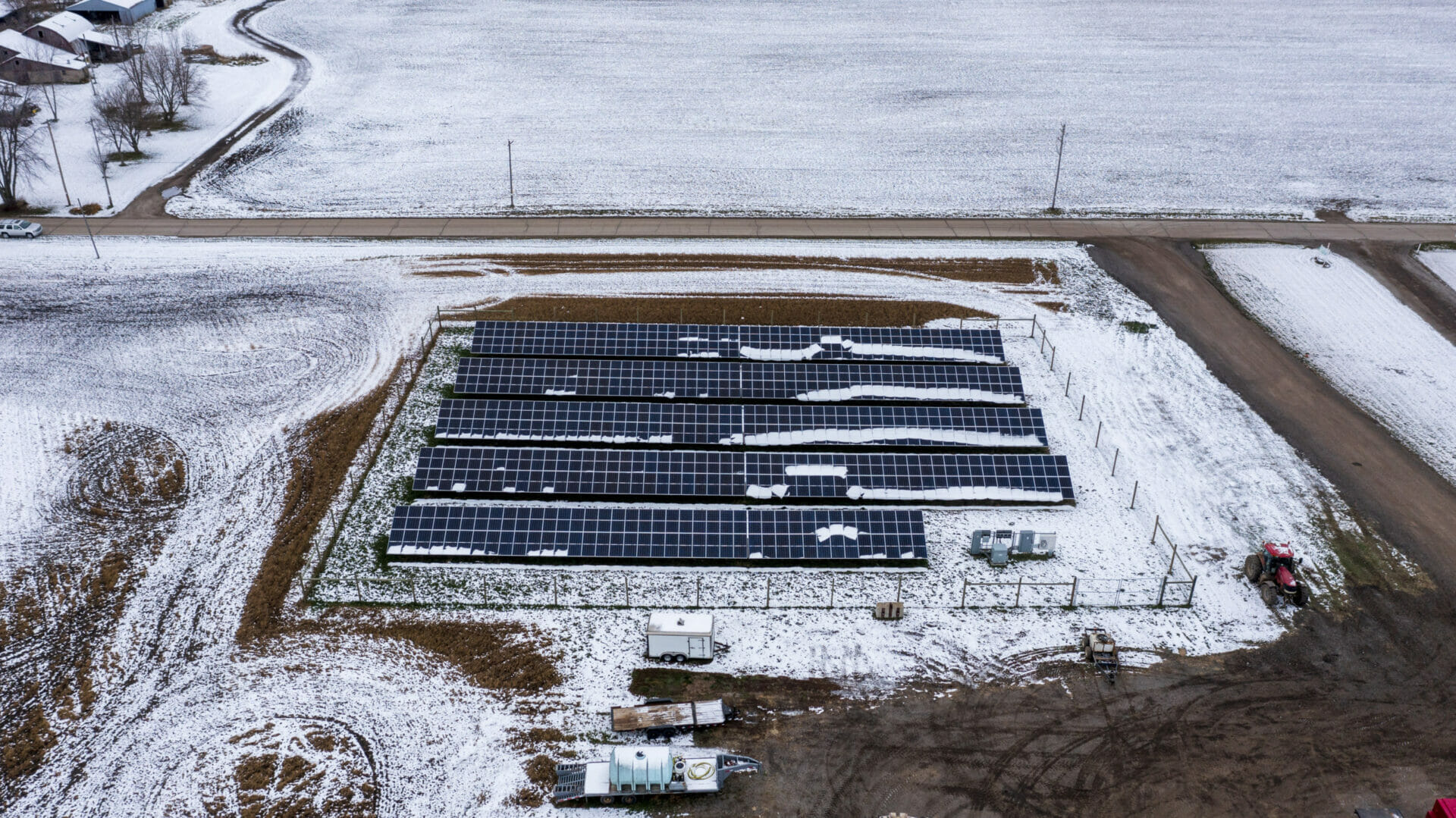
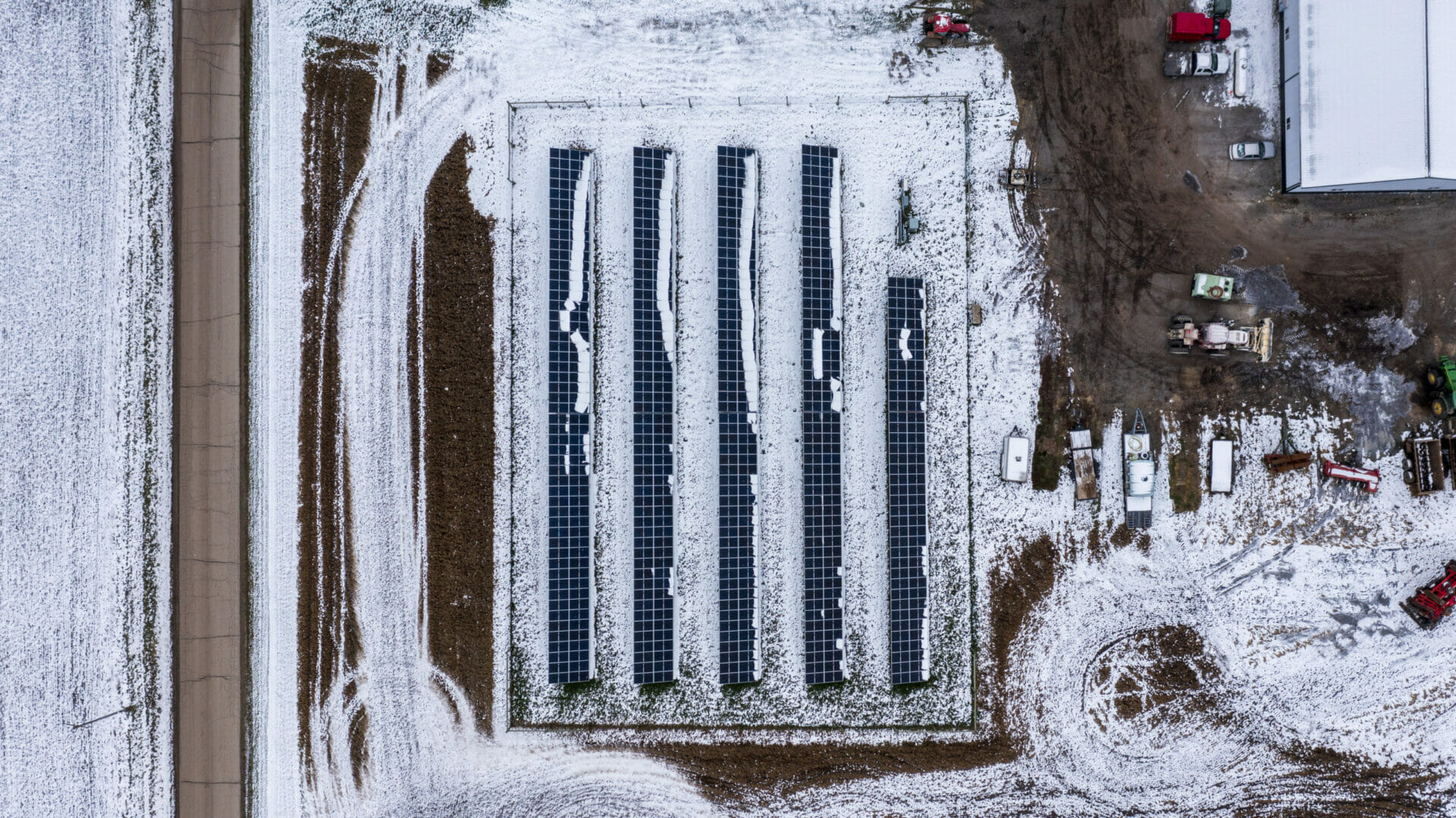
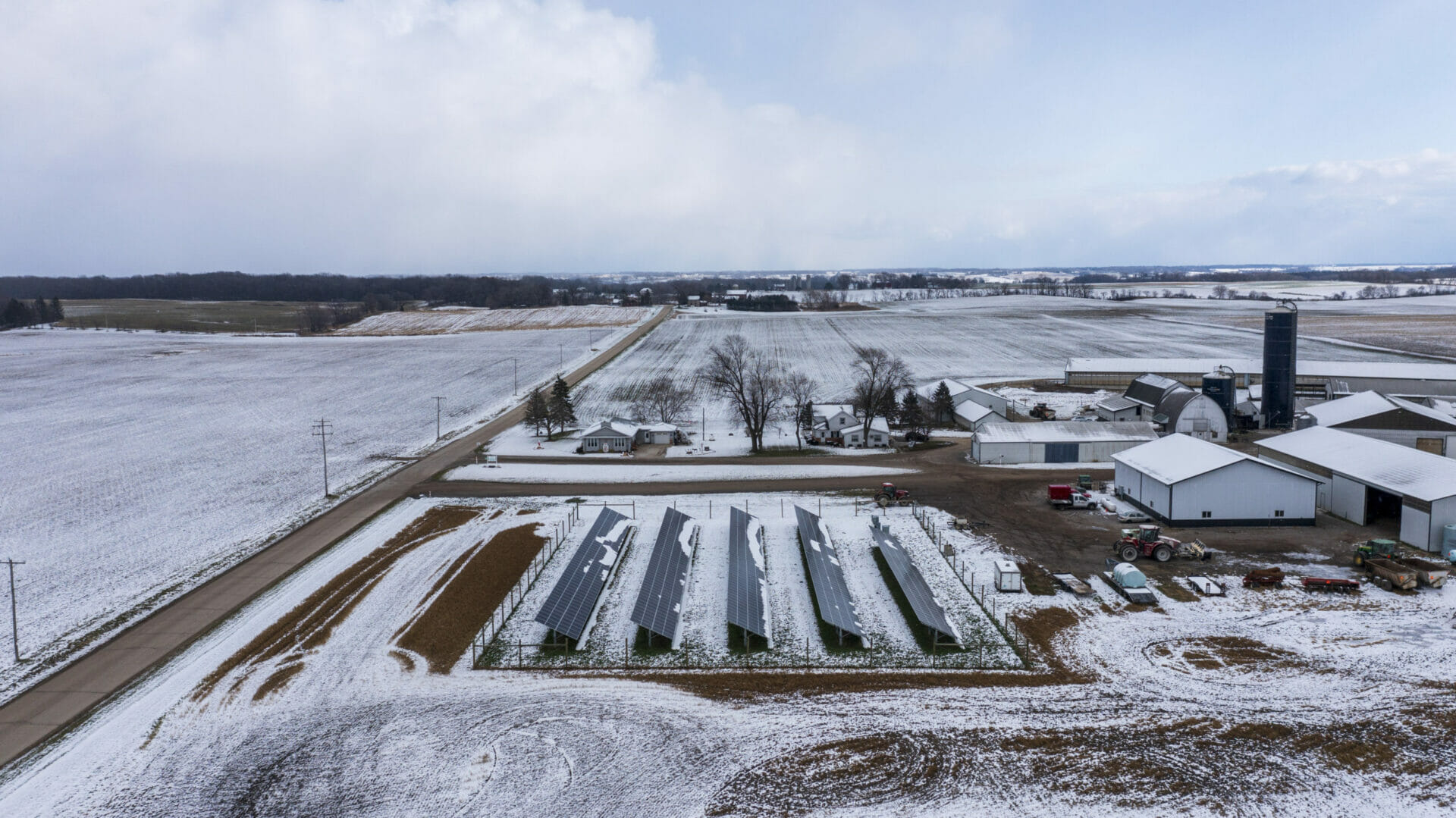
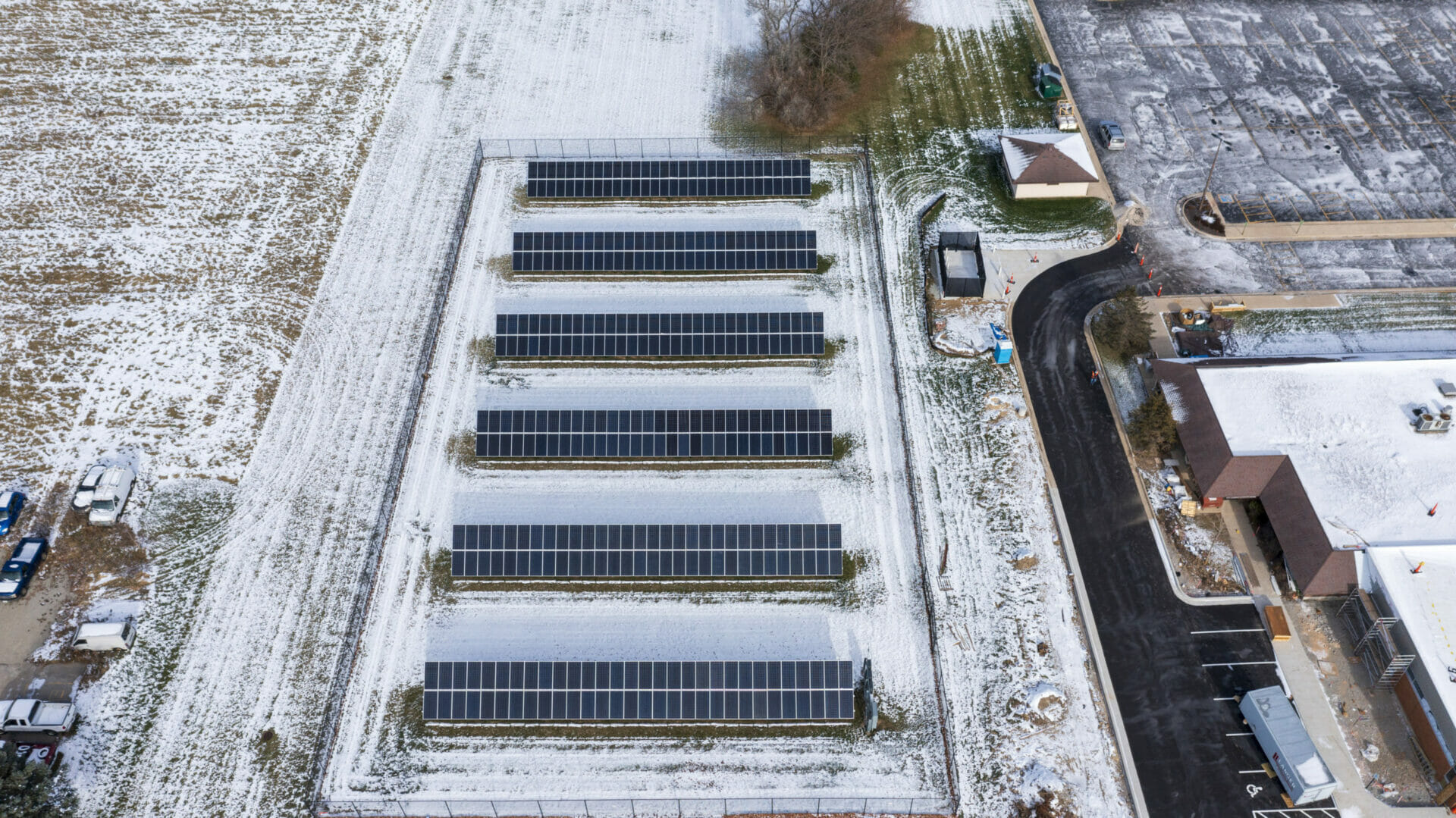
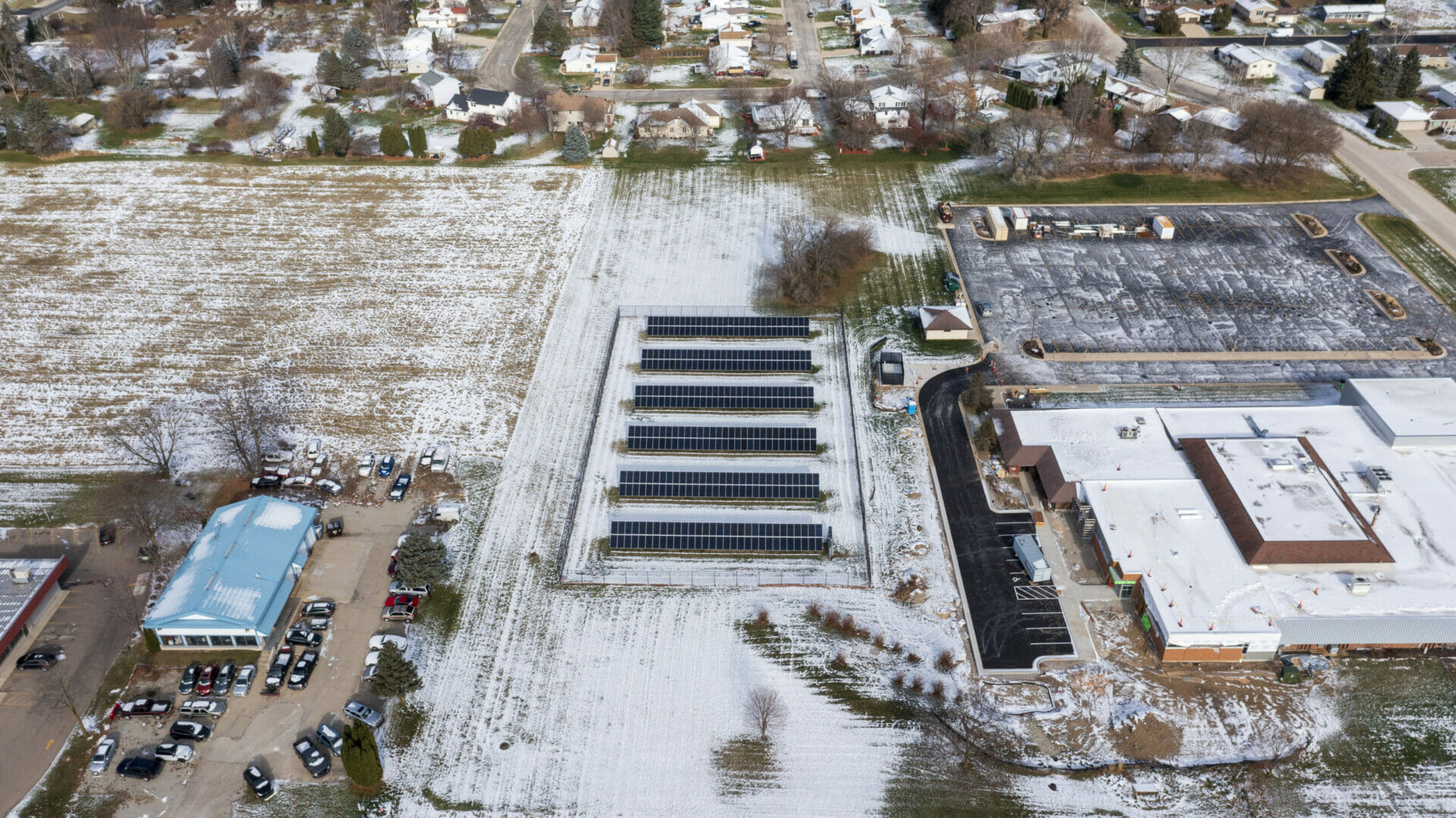
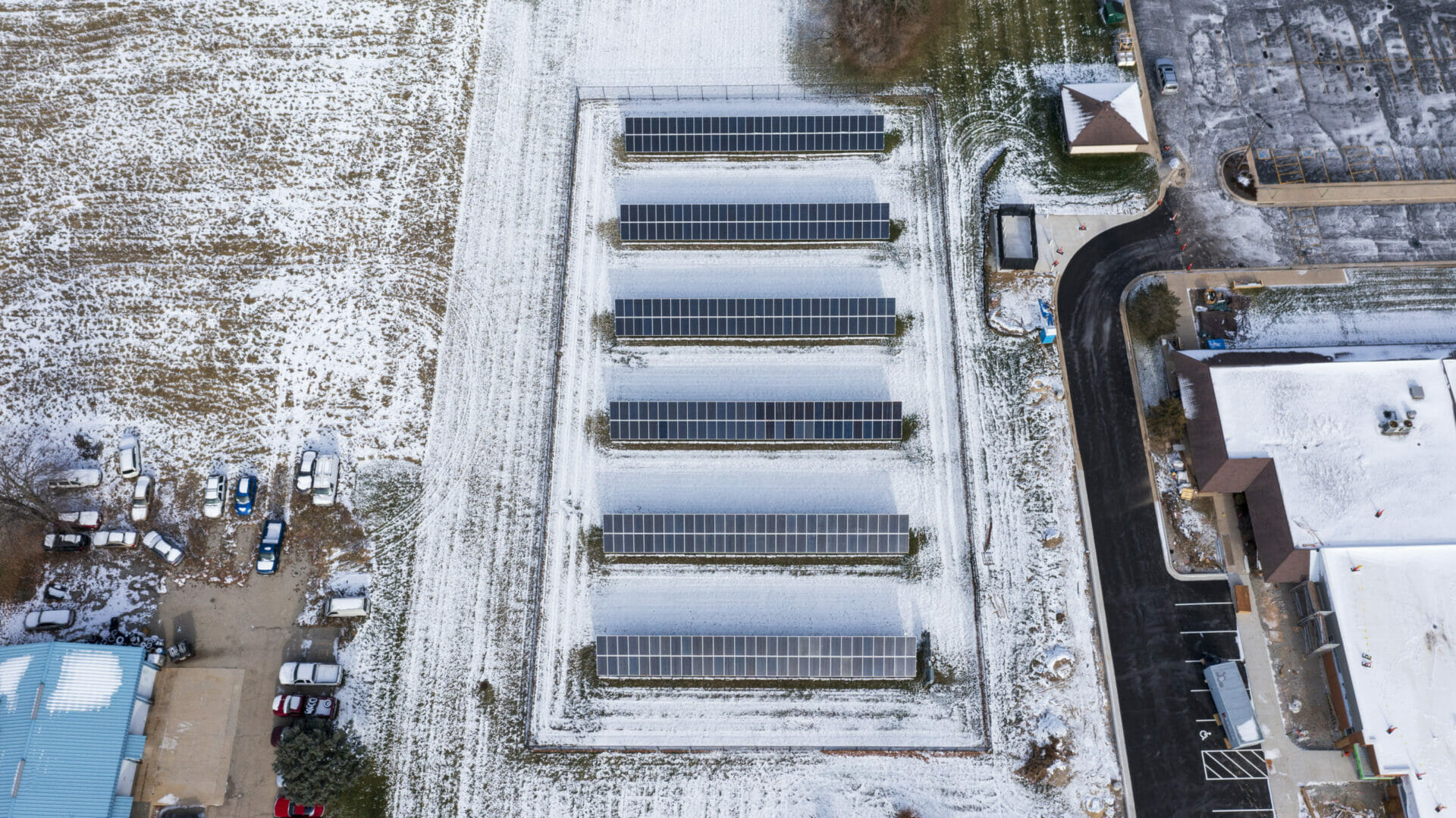
Snowmelt, freeze–thaw cycles, and spring storms reveal the true condition of a solar site. The work done in these weeks directly affects summer uptime, safety, and production. Even small issues can compound into large losses during peak irradiance months.
To get owners and operators started, Arch O&M has created a spring solar maintenance guide. We built this plan with practical, field-tested insights that ensure strong performance year-round.
Spring Solar Maintenance Plan
Inspect What Winter Left Behind
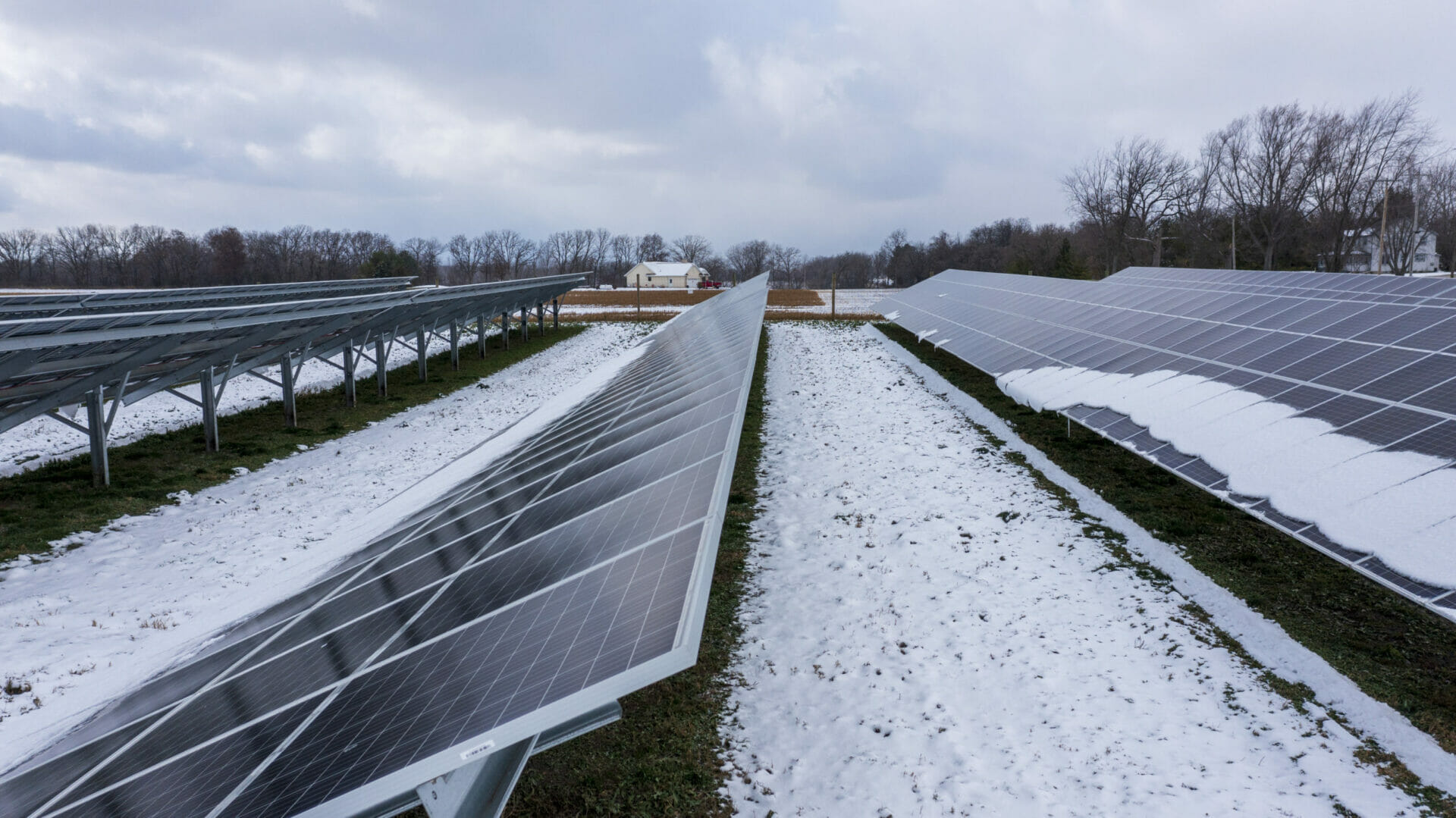
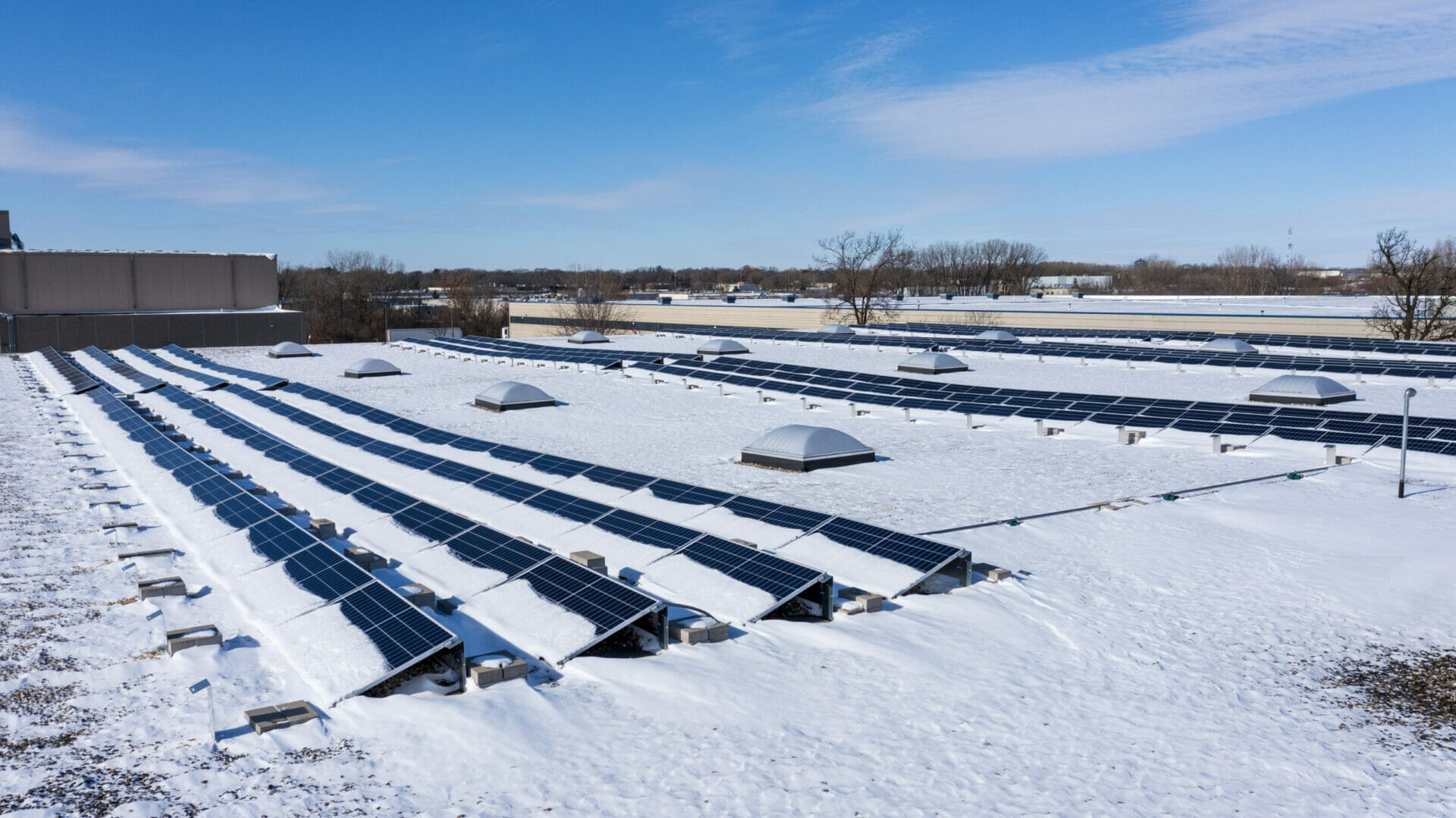
Winter months are hard on solar infrastructure. Freeze-thaw cycles and frost heave can shift piles, racks, and tracker assemblies. These changes often only become visible after the snow melts. However, identifying these issues early allows for restoration during spring solar maintenance. This prevents equipment stress, unplanned downtime, and premature component wear during peak seasons. We recommend scheduling your annual inspection during springtime to catch:
- Uplifted or uneven piles
- Misaligned tracker rows
- Excess strain on torque tubes, bearings, and motors
Restore Electrical Health After Cold Stress
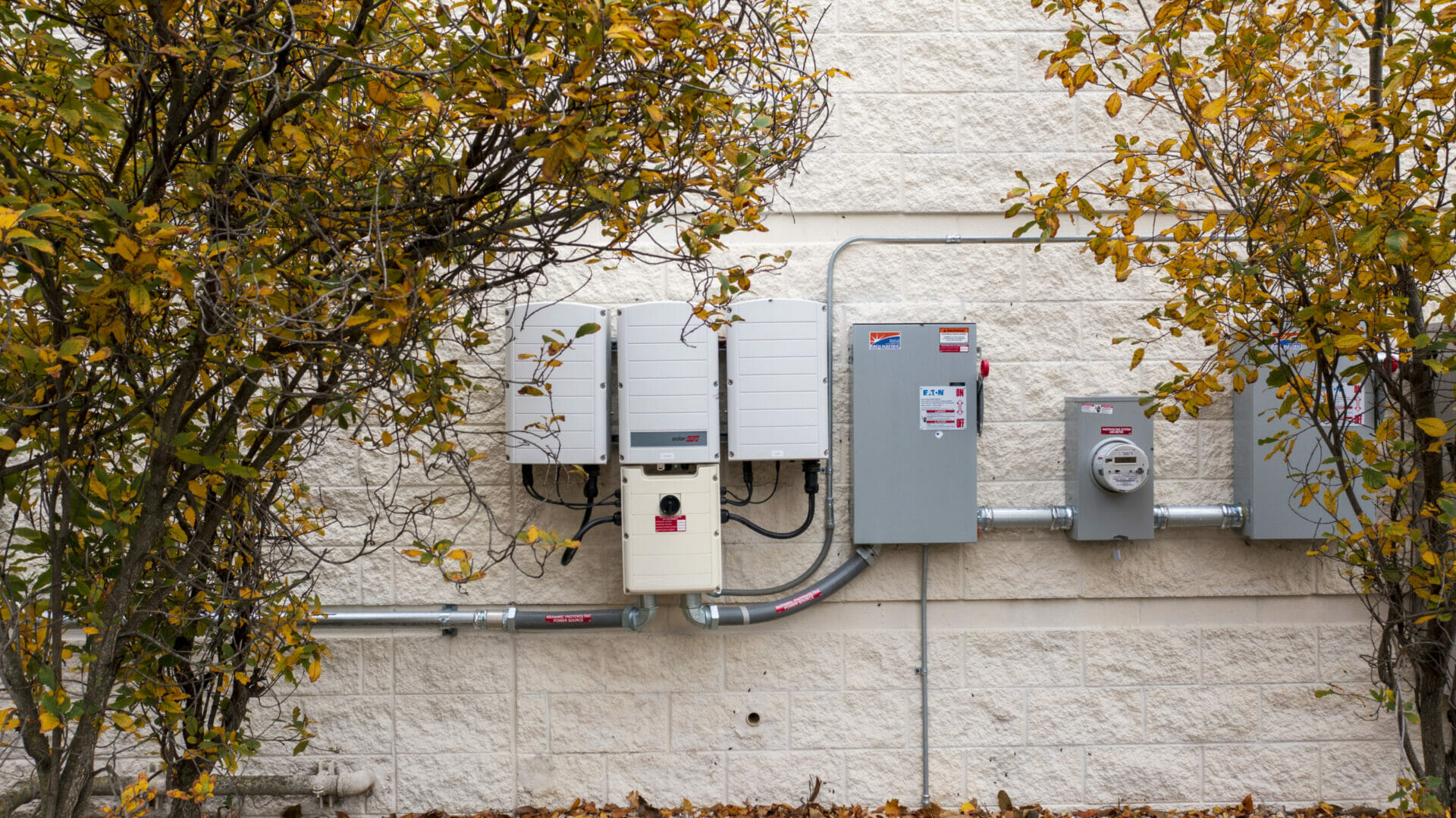
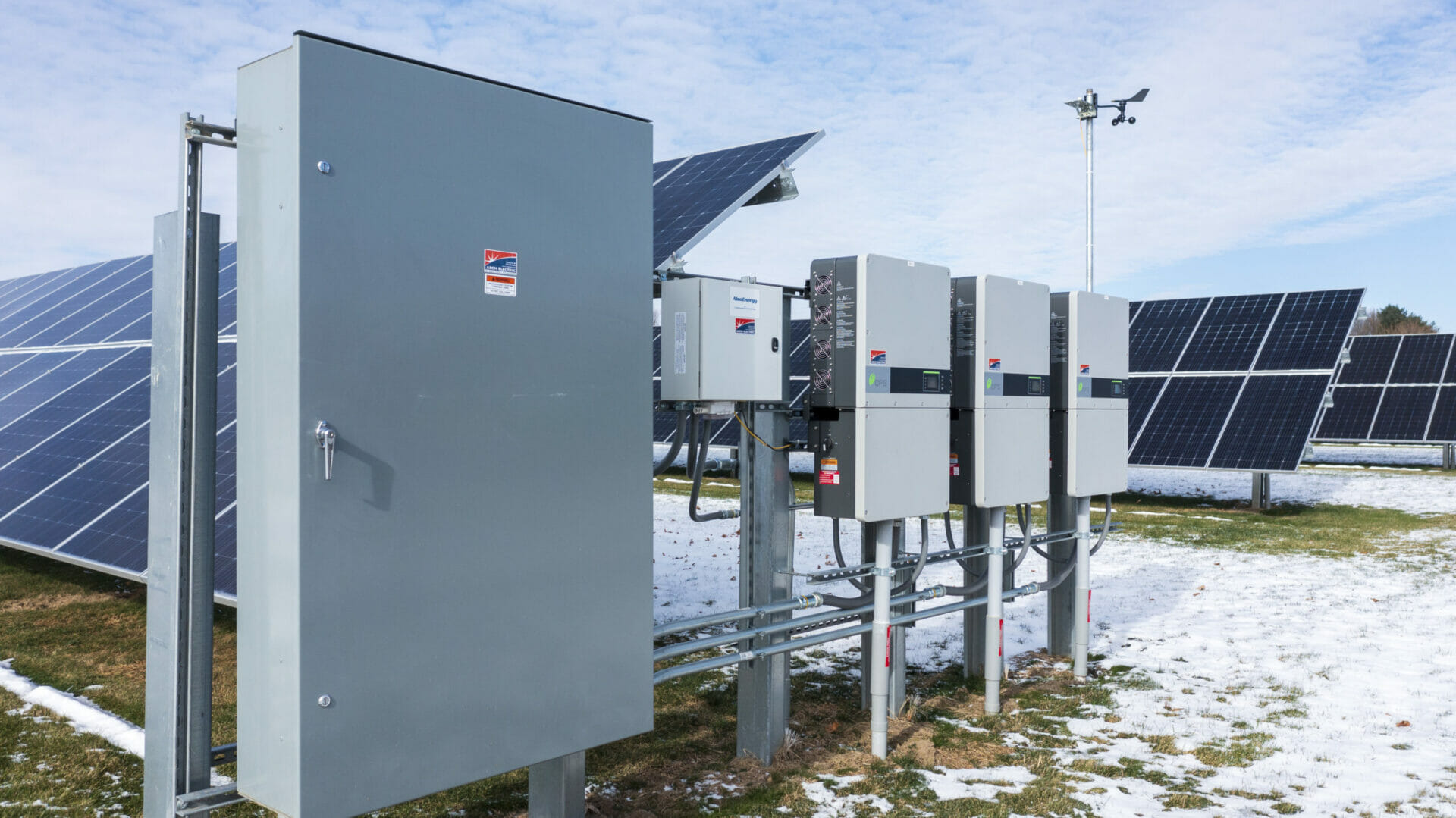
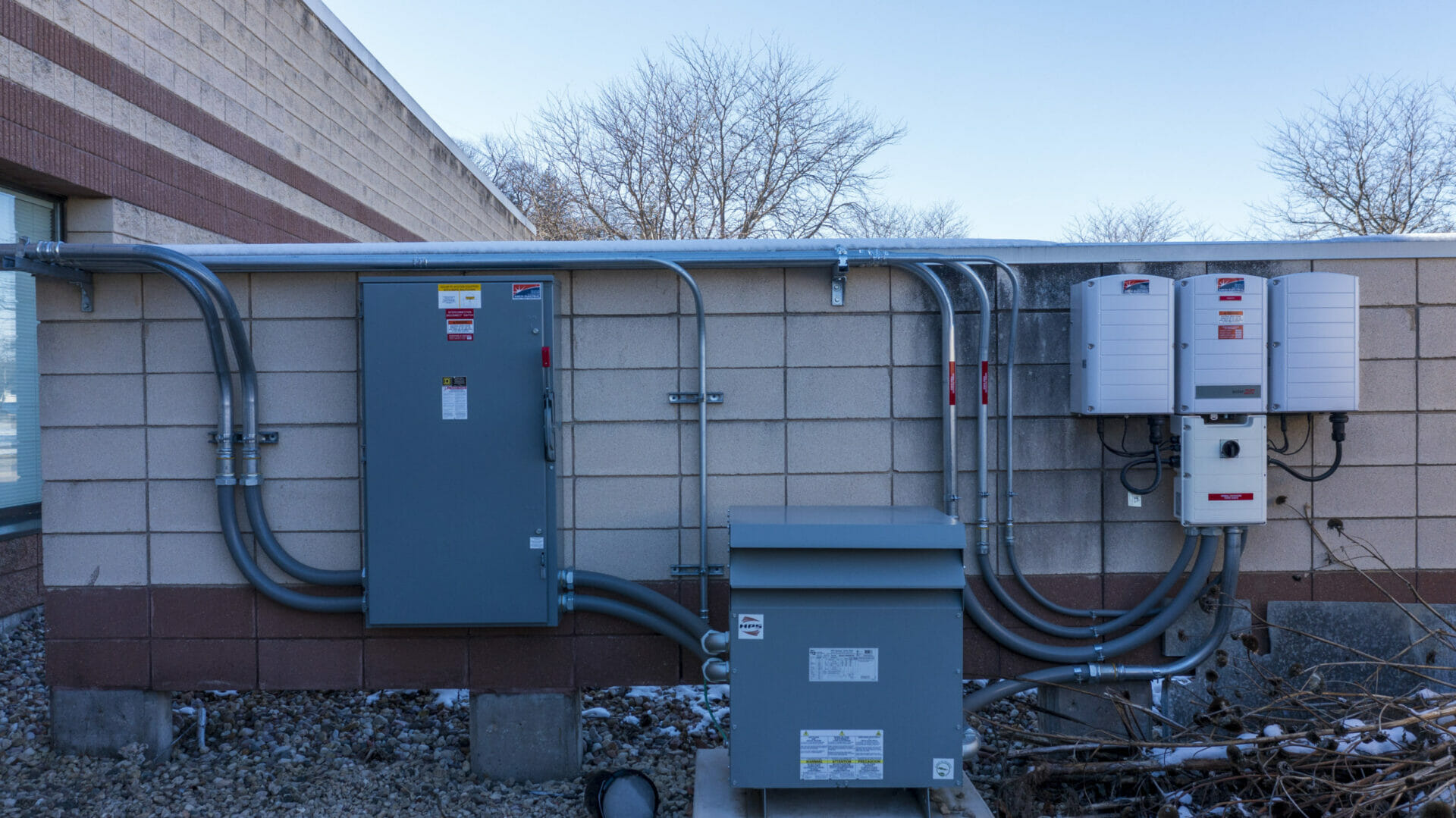
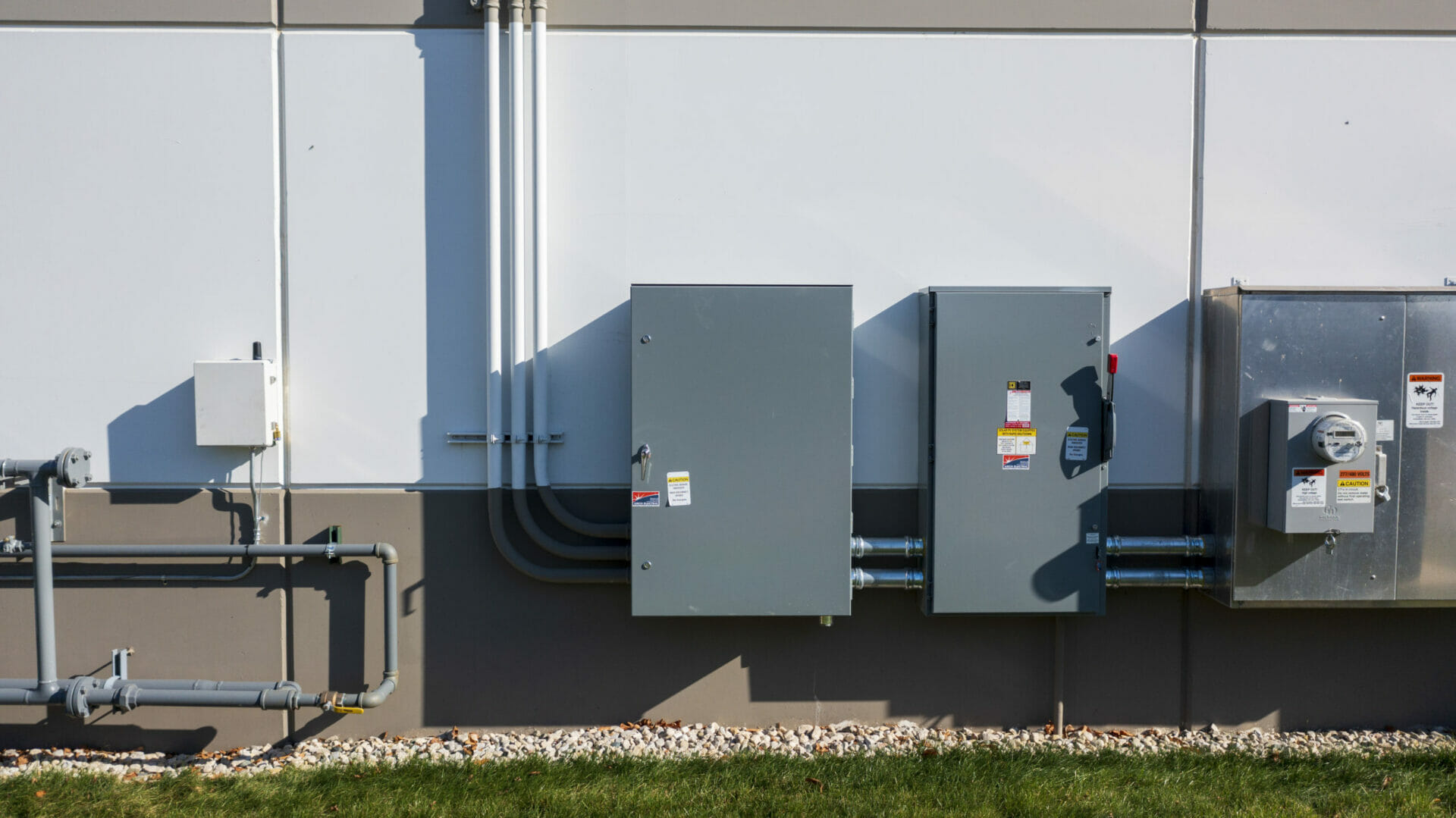
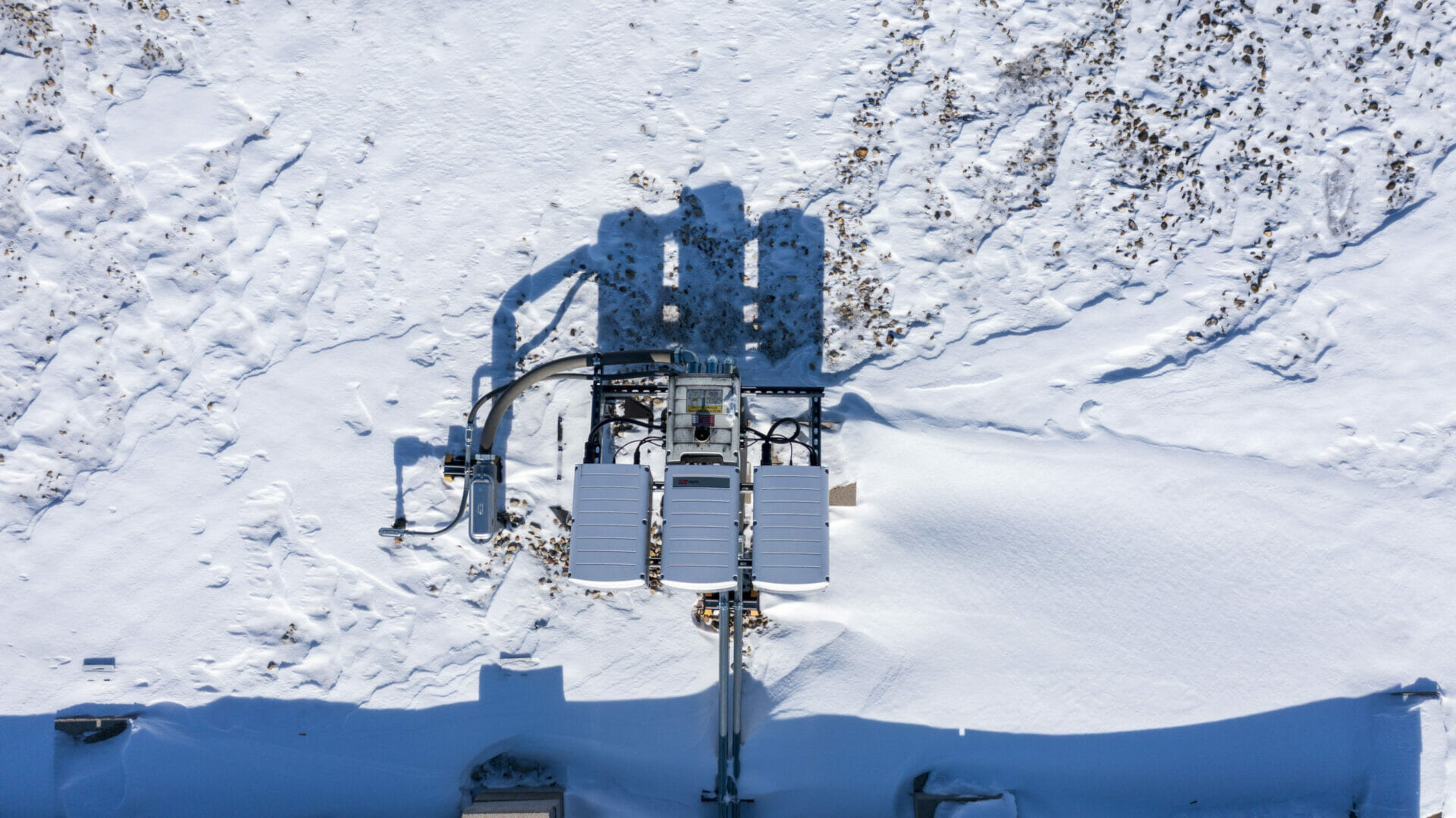
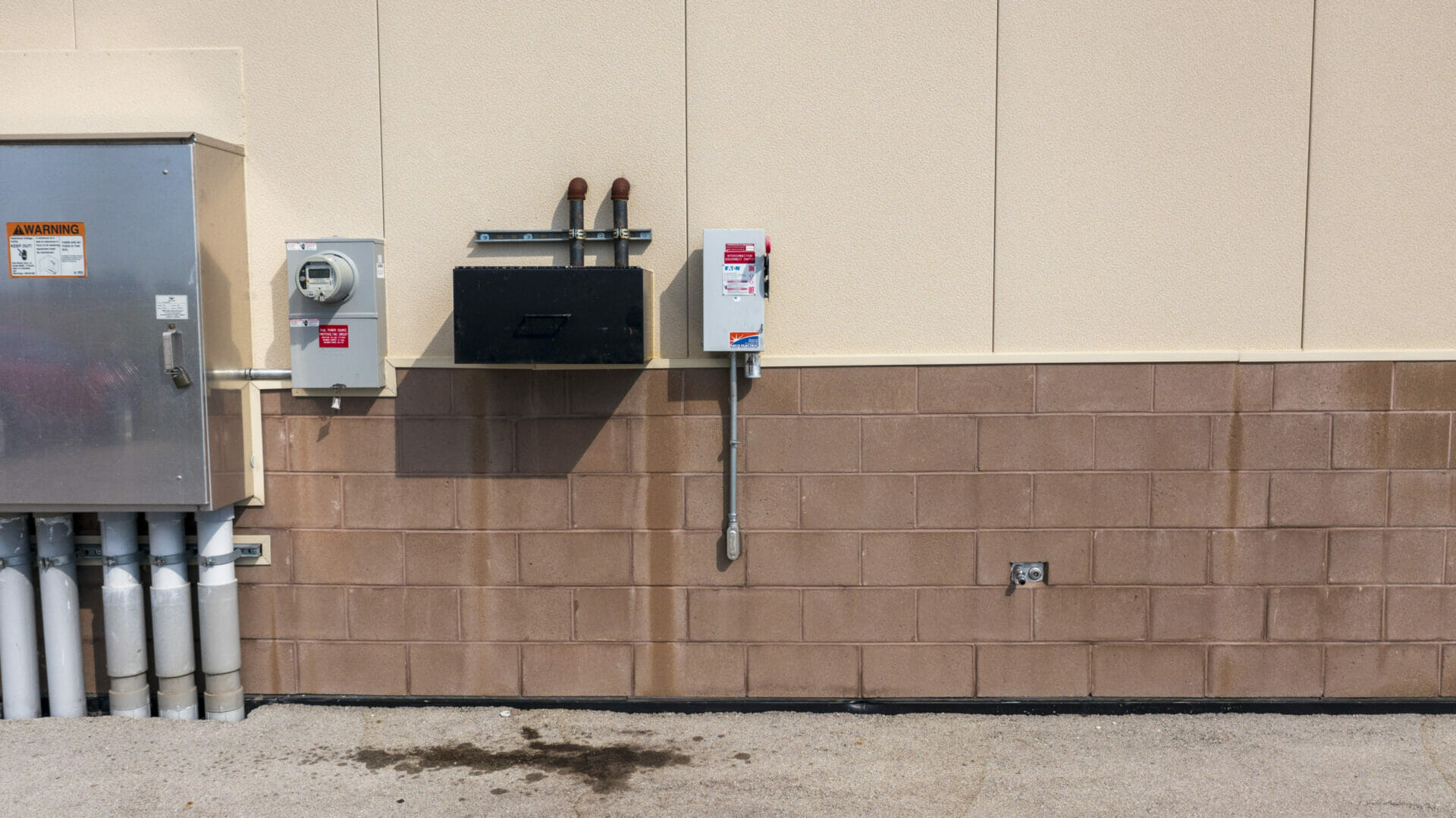
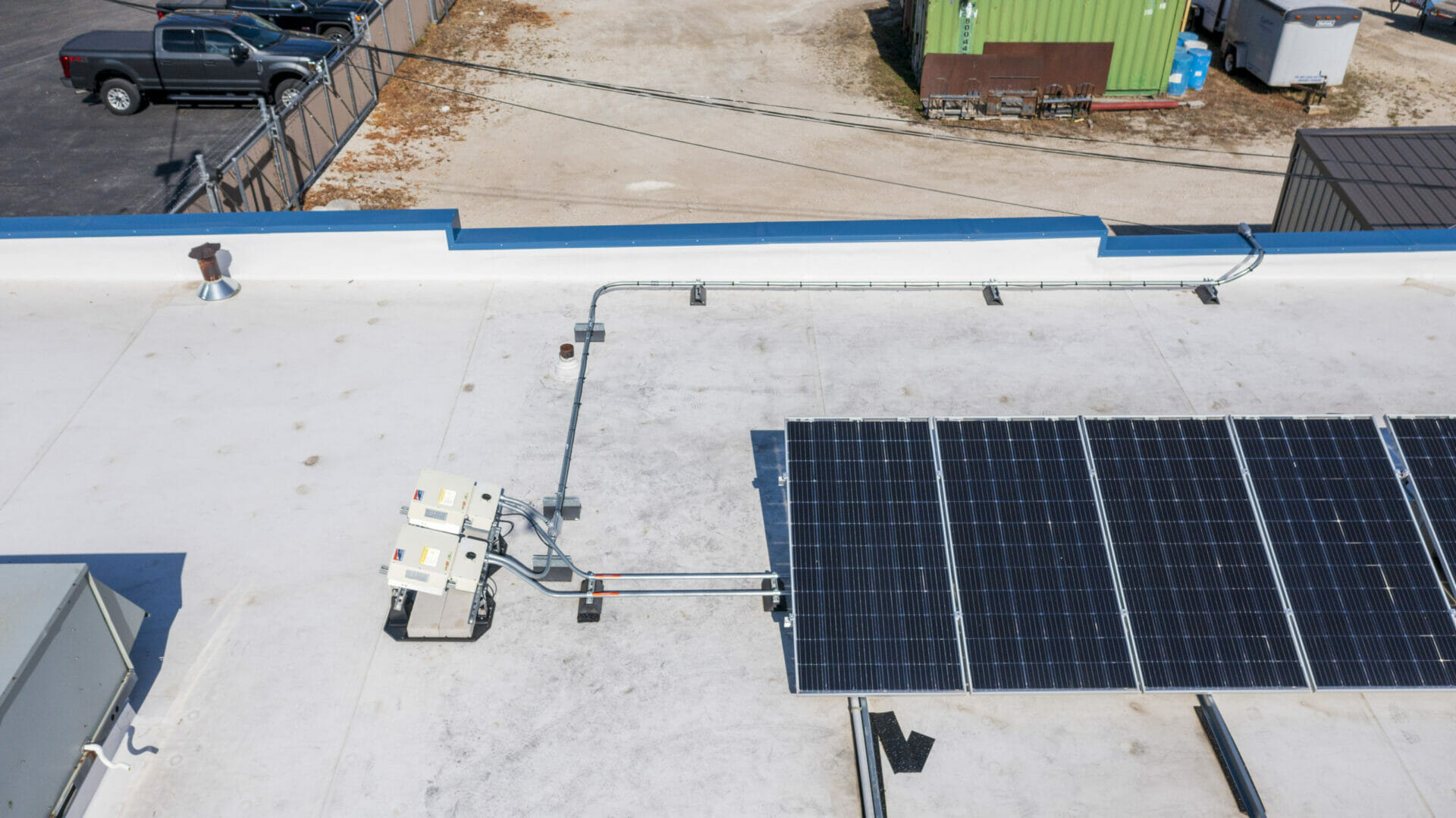
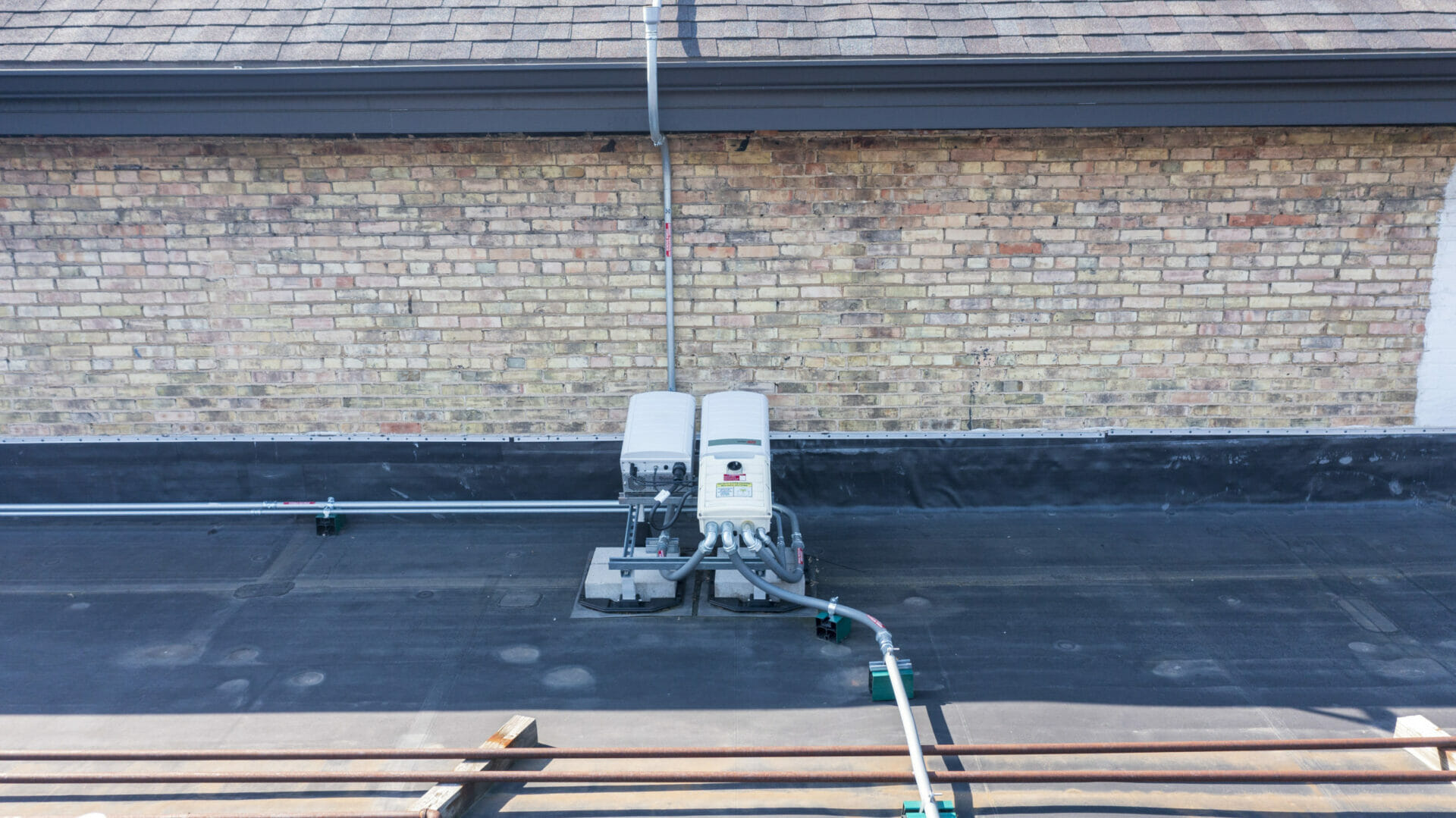
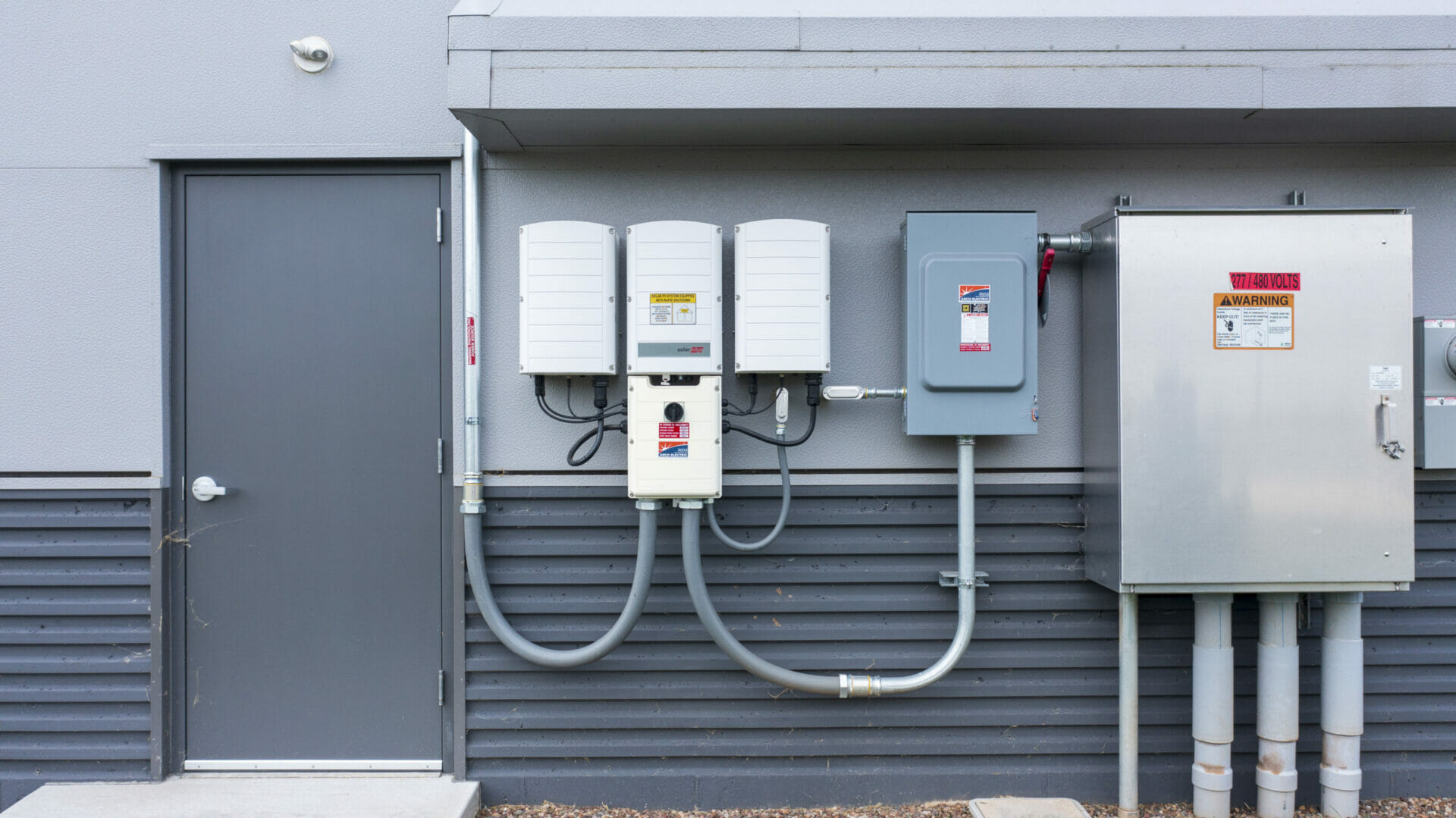
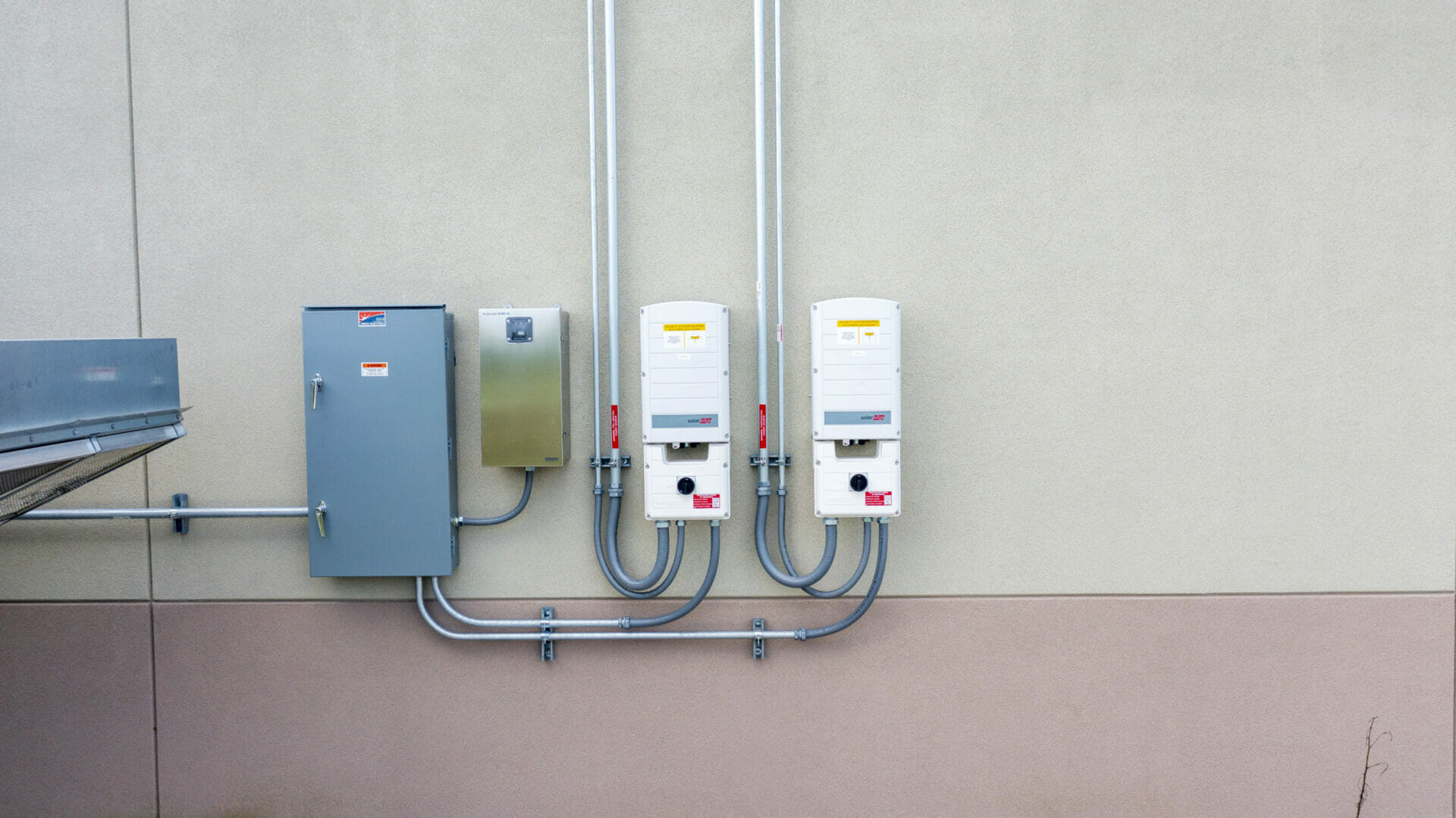
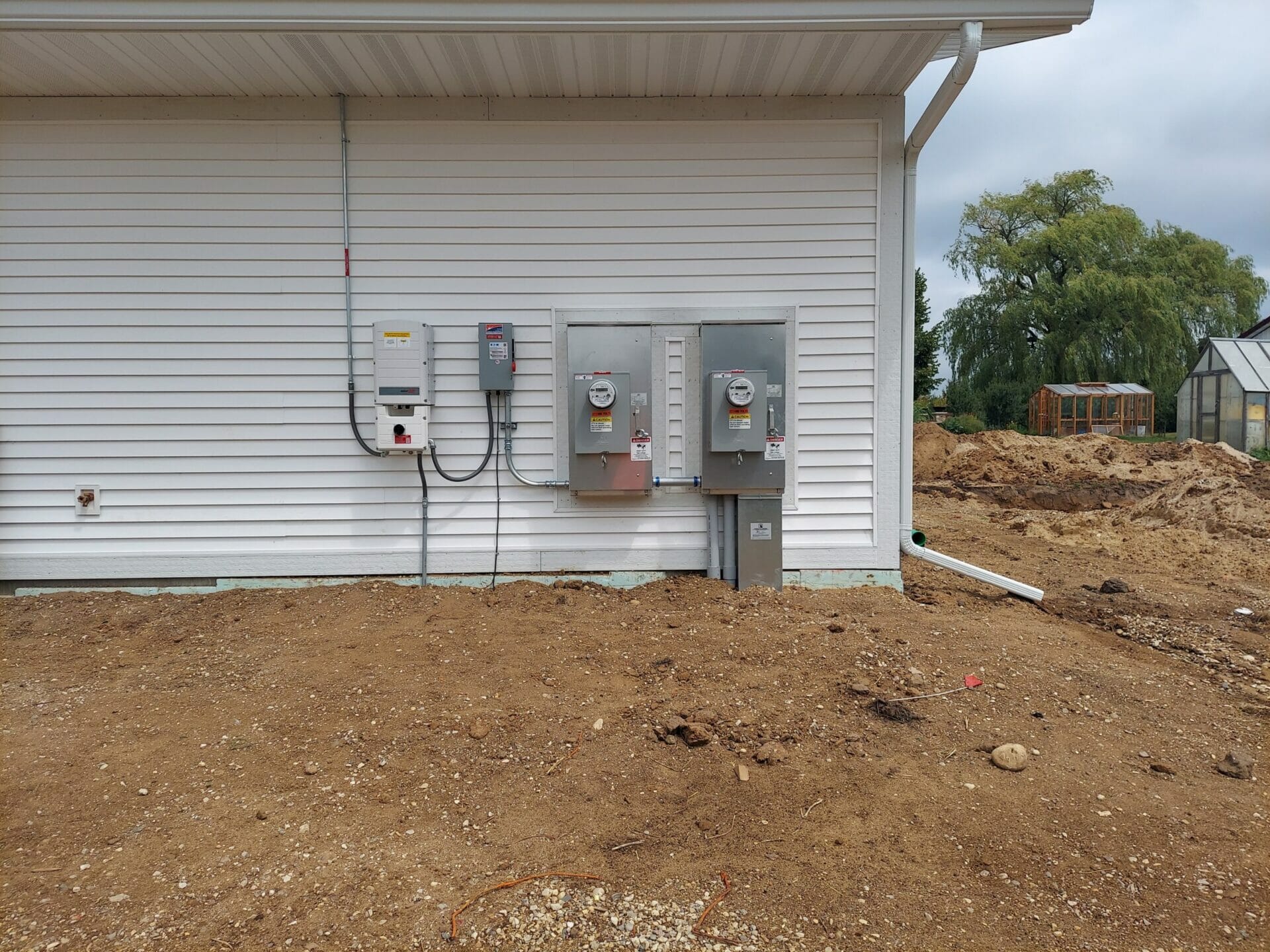
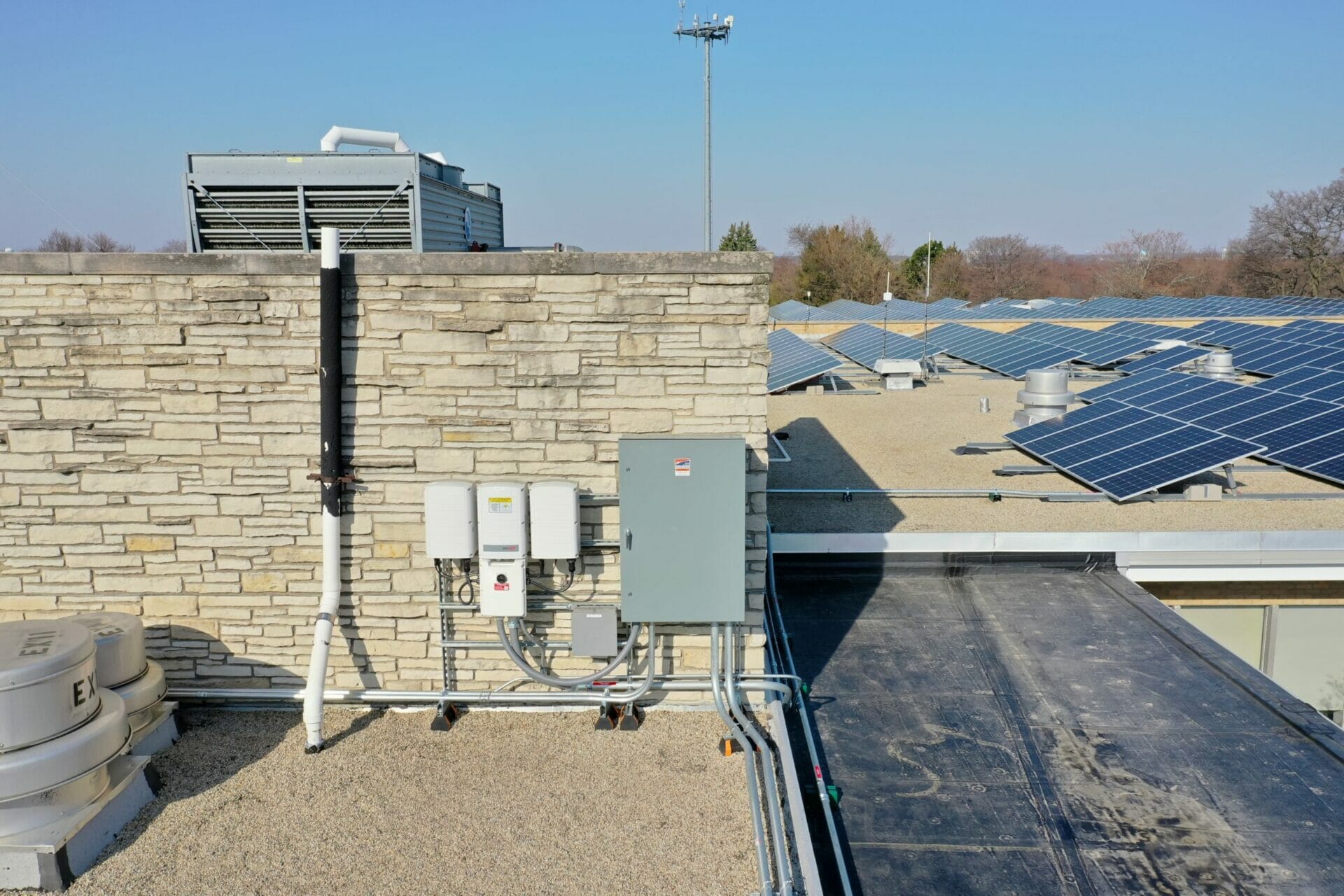
Electrical components endure temperature swings, moisture, and low activity throughout the winter months. Increased daylight means higher loads and longer production hours for potentially damaged systems. Spring solar maintenance ensures that equipment is ready for the next season. Open inverter cabinets, combiner boxes, and junction enclosures to check for:
- Moisture accumulation or corrosion
- Cracked insulation
- Rodent damage
- Nuisance faults logged during cold spells
Stabilize Roads, Drainage, and Site Access
Spring runoff exposes hidden problems with access roads and drainage infrastructure. Technicians need reliable access for vegetation management, inspections, and corrective work. Clear routes protect equipment, save time, and limit safety risks as operations increase. Springtime solar maintenance becomes a crucial time to:
- Repair rutting or soft areas in roads
- Clear culverts, ditches, and drains
- Resolve standing water issues before they worsen
Get Ahead of Spring Vegetation Growth
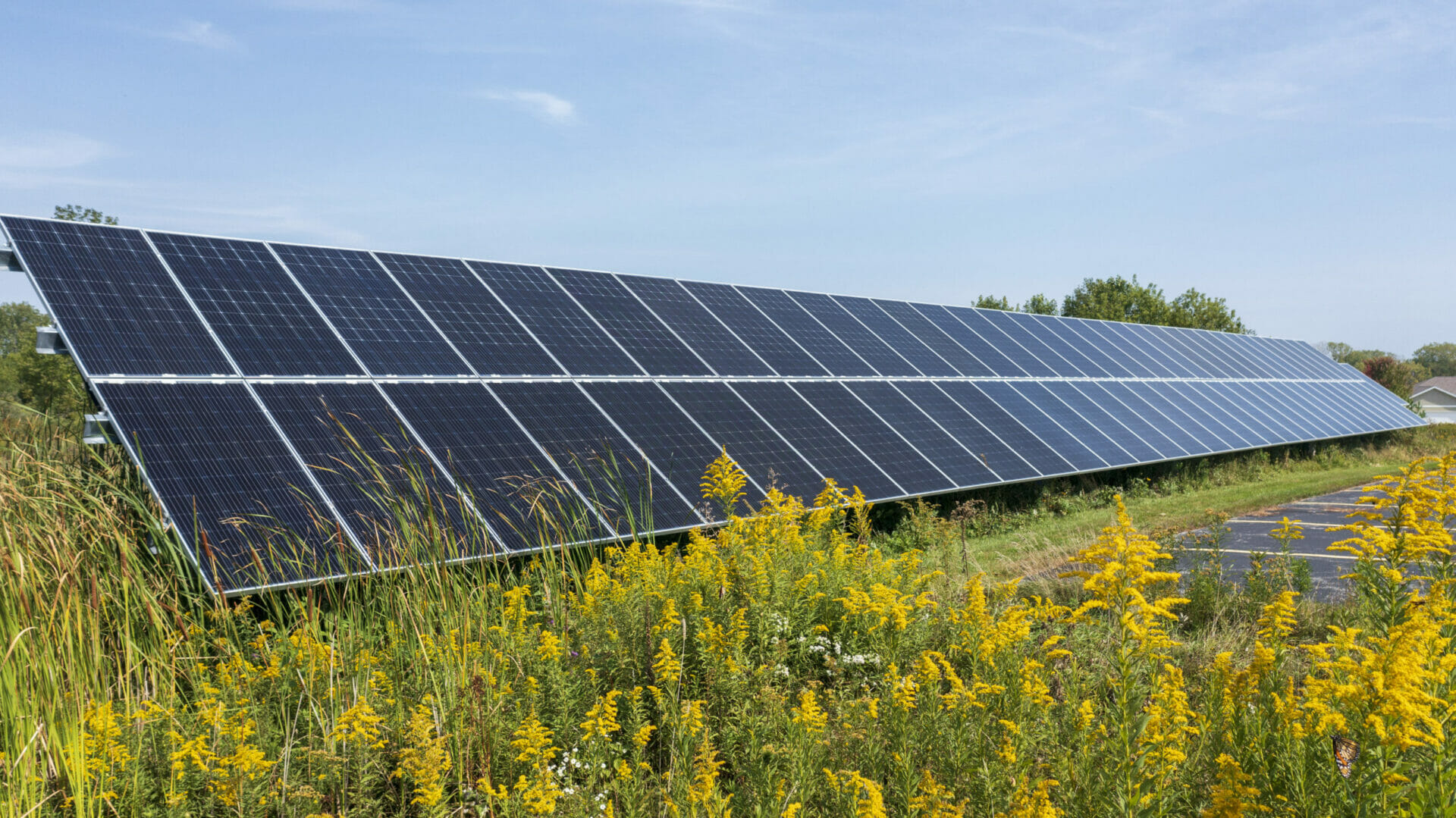
Proactive vegetation management is crucial to solar maintenance. It reduces operational costs and prevents shading, airflow restriction, and fire risk. By late May, vegetation growth can spread rapidly across solar sites. Planning in spring allows operators to:
- Complete early-season vegetation assessments
- Schedule mowing, trimming, or flail mulching
- Identify areas where invasive or woody species will need intervention
- Coordinate vegetation work with panel cleaning windows

Assess Soiling and Aligning Cleaning Plans
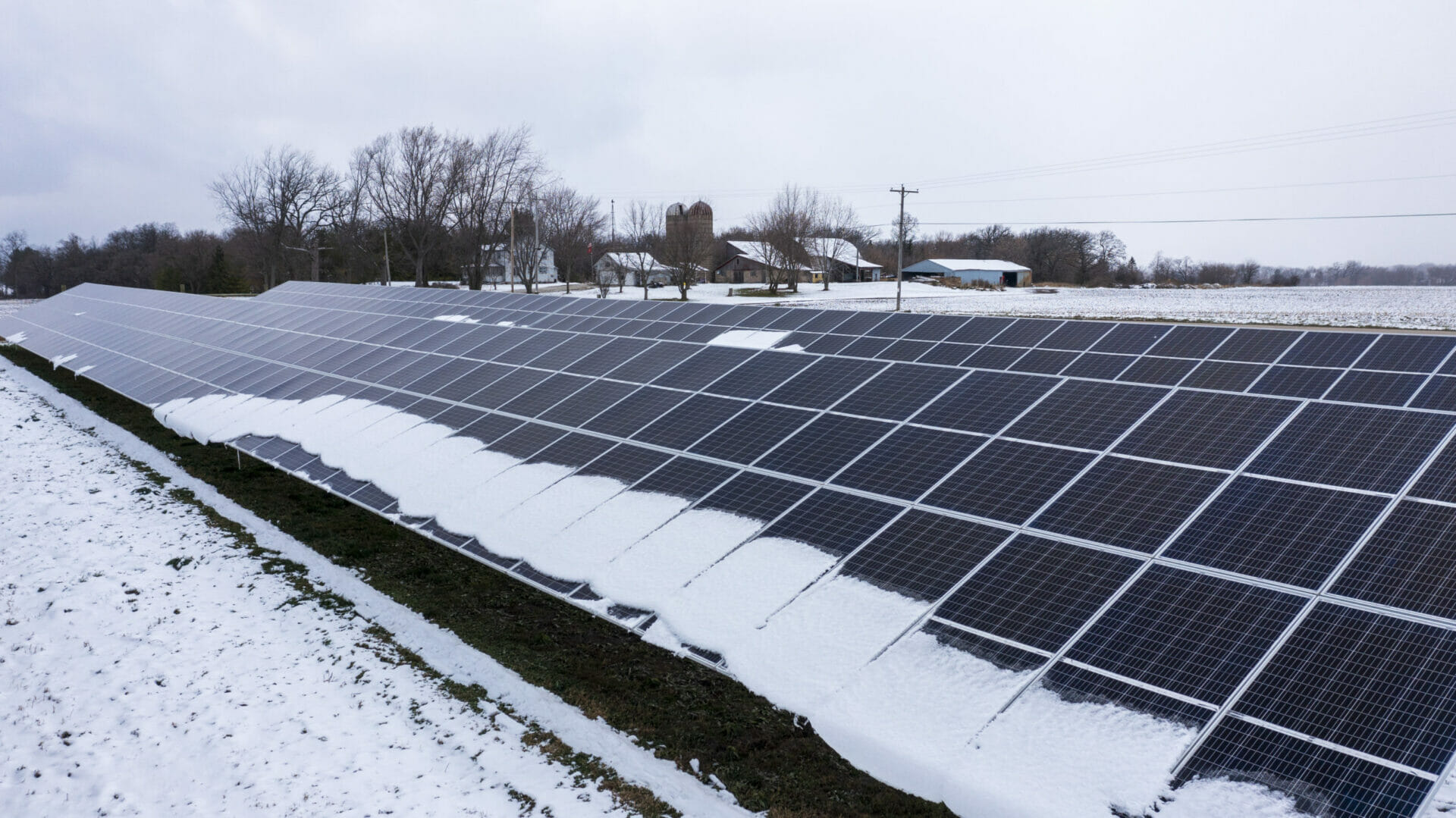
Snow often acts as a natural cleaning agent. However, it can also leave behind sediment, dust, and organic material. This debris reduces output, but cleaning too early—or too late—reduces its impact. A coordinated solar maintenance timeline maximizes production benefits. Spring is the ideal time to:
- Evaluate soiling levels
- Compare real production data to expected clean baselines
- Schedule spring cleaning for April or early May, after vegetation work
Reset Performance Baselines
Monitoring systems are fully operational again after winter passes. Operators can use springtime solar maintenance to re-establish performance expectations. This data sets the stage for smart, efficient decision-making for the rest of the year. This means:
- Confirming that monitoring and weather instrumentation is accurate
- Benchmarking string and inverter output
- Identifying slow-burning performance issues before high irradiance masks them
Work with Reliable Techs
Trust is the baseline for all solar maintenance work. Whether you work with Arch O&M or another provider, we want you to feel confident in your decision. We recommend working with trusted companies that meet these quality expectations:
- Extensive experience in solar operations and maintenance
- Vertical Integration: All work is done by in-house technicians, never by subcontractors
- Comprehensive, customizable service offerings to meet your site’s unique needs
- Proactive approaches to monitoring, maintenance, and reporting
- Certifications and standards including NABCEP, OSHA 30, NFPA 70E Arc Flash, and SWPPP
Final Thoughts from the Energy Experts
Springtime solar maintenance determines whether your system enters summer reactively or fully prepared. By following this guide, sites can avoid downtimes and optimize summer energy production. However, we recognize that solar maintenance can be a daunting task.
At Arch O&M, our goal is to instill confidence in the owners and operators of large-scale solar sites. We know that maximizing asset uptime, ROI, and safety are top of mind for your teams. Contact us to learn how we monitor, maintain, repair, and represent your solar power investment.